Have you ever struggled with a stubborn door lock or worried about your home’s security? Knowing how to replace a door lock and deadbolt yourself can save you time, money, and give you peace of mind.
Whether your lock is old, damaged, or you just want to upgrade, this simple skill puts control back in your hands. In this guide, you’ll discover easy steps that anyone can follow, even if you’re not a DIY expert. Keep reading to unlock the secrets of a safer, more secure home—starting right now.
Tools And Materials Needed
Replacing a door lock and deadbolt needs specific tools and materials. Having the right items ready makes the job easier and faster. This section lists everything required for a smooth replacement process.
Basic Tools
You will need a screwdriver set with flathead and Phillips heads. A power drill helps to remove screws quickly. A tape measure checks door and lock sizes. A hammer can tap parts gently if needed.
Materials For Lock Replacement
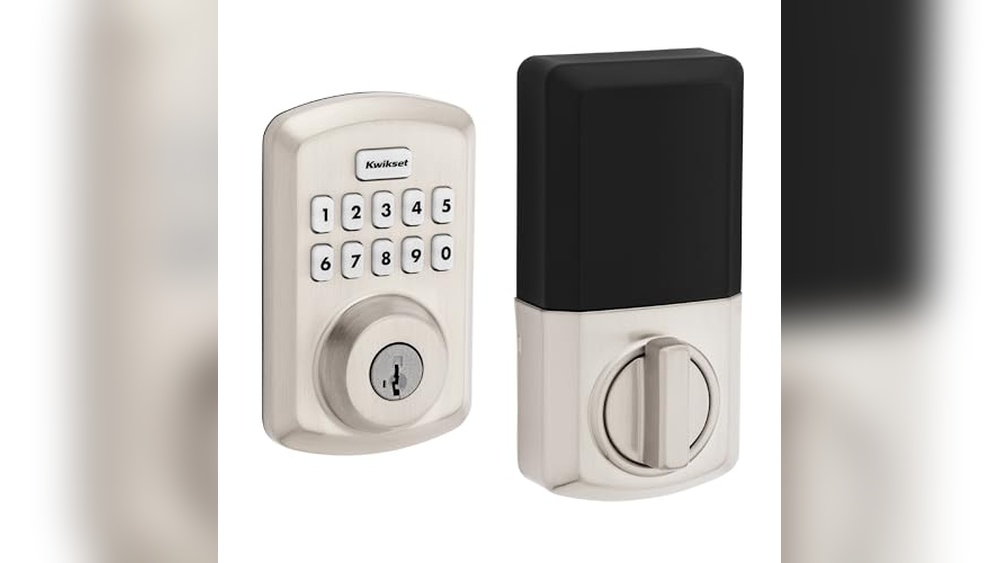
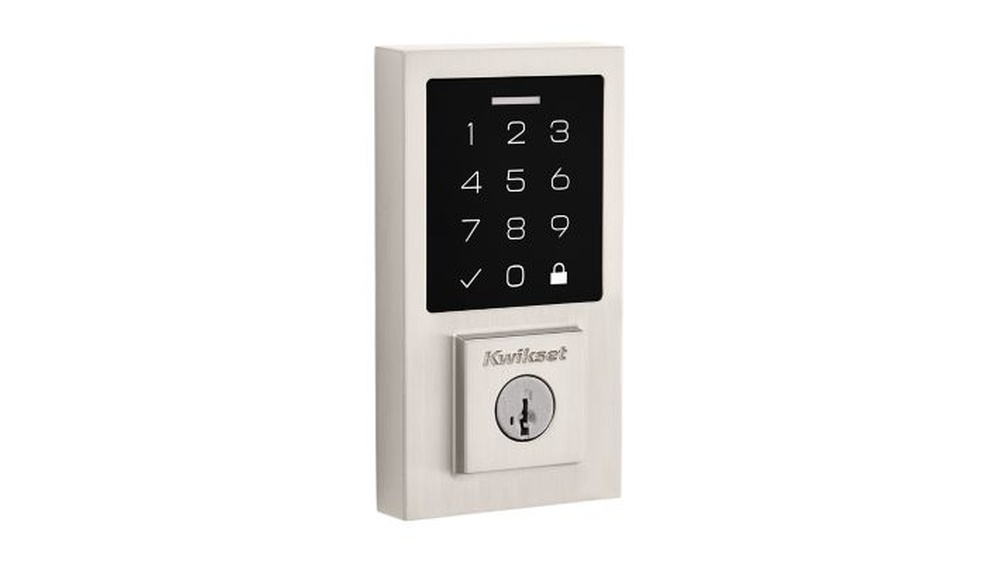
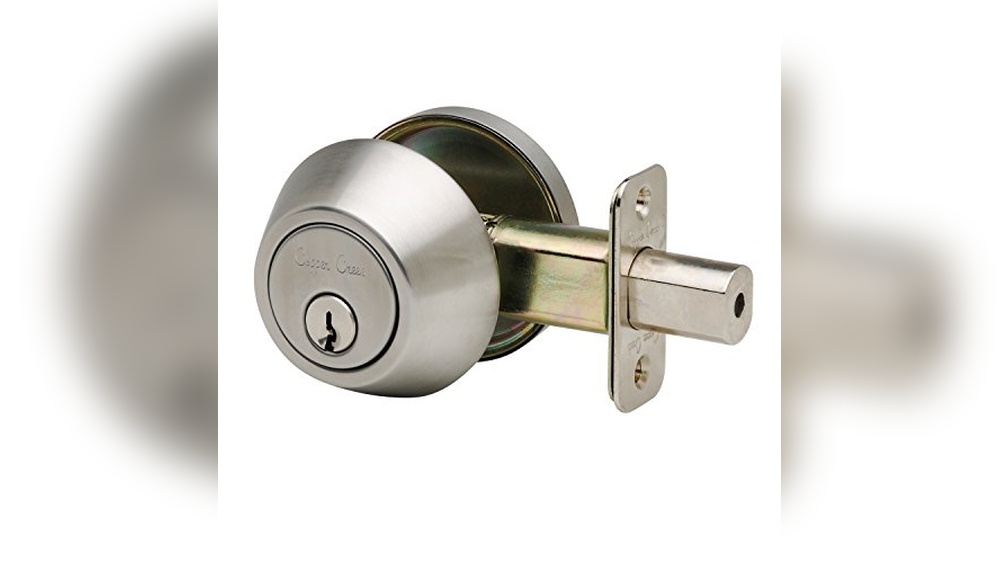
Buy a new door lock and deadbolt that fit your door. Choose one with a matching finish and style. Make sure the lock includes all parts like screws and strike plates.
Additional Supplies
Keep some wood filler or putty for fixing old holes. Use painter’s tape to protect the door surface during work. Have a pencil to mark measurements and screw spots.
Removing The Old Lock
Removing the old lock is the first step in replacing a door lock and deadbolt. It helps prepare the door for the new hardware. The process is simple and requires only a few tools. Taking your time will avoid damage to the door. Follow the steps below to remove each part carefully.
Unscrew The Door Knob
Start by locating the screws on the door knob. Use a screwdriver to remove them. Keep the screws in a safe place for later use. Pull the knob off both sides of the door. This will expose the latch mechanism inside the door.
Take Out The Deadbolt
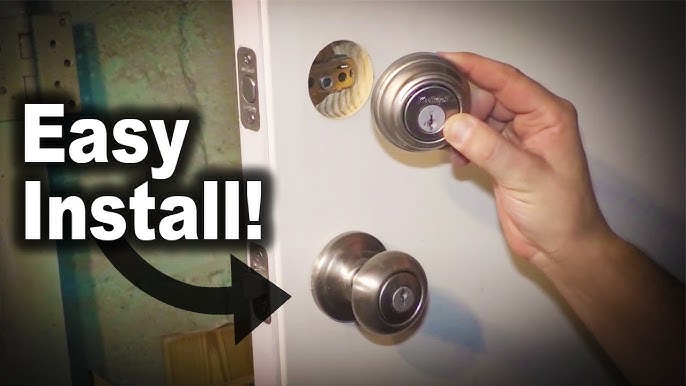
Next, find the screws on the faceplate of the deadbolt. Unscrew them and remove the faceplate. Pull the deadbolt lock out from the edge of the door. Check if any parts remain inside the door hole. Remove all pieces to clear the space for the new deadbolt.
Remove Strike Plates
Strike plates are on the door frame and catch the latch and deadbolt. Use the screwdriver to unscrew each strike plate. Remove the plates gently to avoid damaging the frame. Set them aside if you plan to reuse them. Now, the door is ready for the new lock and deadbolt installation.
Preparing The Door
Preparing the door is the first step in replacing a door lock and deadbolt. A clean and well-aligned door makes installation easier. It also helps the new lock work smoothly and last longer.
Clean The Door Surface
Start by cleaning the door surface around the lock area. Remove dust, dirt, and old paint. Use a damp cloth or mild cleaner for this task. A clean surface helps the new lock fit properly. It also prevents damage during installation.
Check Alignment And Fit
Check if the door and frame align well. Open and close the door several times to test. Look for gaps or uneven spaces around the lock area. The new lock parts must fit these spaces correctly. If the door is warped or misaligned, fix it before installing the lock.
Credit: www.youtube.com
Installing The New Deadbolt
Installing the new deadbolt is a key step in securing your door. It requires careful placement and tight fitting. Follow each step closely for the best results.
Insert The Deadbolt Mechanism
Start by placing the deadbolt mechanism into the door edge hole. The bolt should face outward, sliding smoothly. Make sure the mechanism sits flush with the door surface. Align it so the bolt moves freely in and out.
Attach The Exterior And Interior Plates
Next, fit the exterior plate with the keyhole on the outside of the door. Then, position the interior thumb turn plate on the inside. Both plates must line up with the deadbolt mechanism. Press them firmly against the door.
Secure With Screws
Use the provided screws to fasten the plates tightly to the door. Tighten each screw evenly to avoid misalignment. Check that the bolt slides smoothly after securing the screws. This ensures the lock works correctly and stays in place.
Installing The New Door Lock
Installing the new door lock is a key step in securing your home. This part needs care and patience to ensure the lock works well. Follow each step closely to fit the lock properly.
Place The Latch
Start by inserting the latch into the door’s edge. Make sure the slanted side faces the door frame. Push it until it fits snugly. Use screws to secure the latch firmly in place. Tight screws stop the latch from moving or falling out.
Attach The Handles
Next, align the handles on both sides of the door. The spindle should go through the latch mechanism. Hold the handles tightly and insert screws to fix them. Tighten screws evenly to keep handles straight. Loose handles can cause the lock to fail.
Test The Lock Operation
Turn the key or thumb turn to check the lock. The latch should move smoothly without sticking. Lock and unlock the door several times. Ensure the door closes fully and locks securely. Adjust screws if the lock feels stiff or loose.
Adjusting And Securing Strike Plates
Adjusting and securing strike plates is key to a strong door lock and deadbolt. The strike plate holds the latch or bolt in place. It must align perfectly with the door frame. Proper adjustment prevents the door from sticking or feeling loose.
Securing the strike plate with the right screws adds extra strength. Longer screws reach deep into the frame. This helps the lock resist force and keeps your home safer. Follow these steps to adjust and secure strike plates correctly.
Checking Strike Plate Alignment
Close the door slowly. Watch where the latch hits the strike plate. The latch should fit into the hole cleanly. If it misses or rubs, the strike plate needs adjustment. Mark the spot where the latch touches the plate.
Adjusting The Strike Plate Position
Remove the screws holding the strike plate. Move the plate up, down, or sideways as needed. The latch should slide into the hole easily. Drill new pilot holes if required. Reattach the strike plate with screws.
Using Longer Screws For Security
Replace the short screws with longer ones. At least 3 inches long is best. These screws anchor the plate to the wall stud behind the frame. This makes the door much harder to force open.
Testing The Door After Adjustment
Close and open the door several times. Ensure the latch enters the strike plate smoothly. The door should not stick or feel loose. Make small adjustments if needed. A well-secured strike plate improves lock strength and door function.
Tips For Better Security
Improving door lock and deadbolt security is crucial for home safety. Simple steps can make your door much harder to break into. Follow these tips to boost protection without extra cost or effort.
Use High-quality Locks
Choose locks made from strong materials like brass or steel. Avoid cheap locks that break easily. Look for locks with good reviews and security ratings.
Install A Deadbolt With A Long Throw
The deadbolt’s bolt should extend at least one inch into the door frame. This makes it tougher for intruders to force the door open. A longer bolt provides better resistance.
Reinforce The Door Frame
Secure the door frame with metal plates or longer screws. This prevents the frame from splitting during a break-in attempt. Reinforcement strengthens the whole entry point.
Keep Locks Clean And Lubricated
Regularly clean your locks to remove dirt and dust. Use graphite or silicone spray to keep them smooth. Well-maintained locks work better and last longer.
Change Locks After Moving In
Always replace locks when you move to a new home. Previous owners or renters might still have keys. New locks give you full control over who enters.

Credit: www.homedepot.com
Troubleshooting Common Issues
Replacing a door lock and deadbolt can sometimes lead to small problems. These problems can stop the lock from working well. Knowing how to fix common issues saves time and effort. This section helps you solve typical troubles during lock replacement.
Lock Misalignment
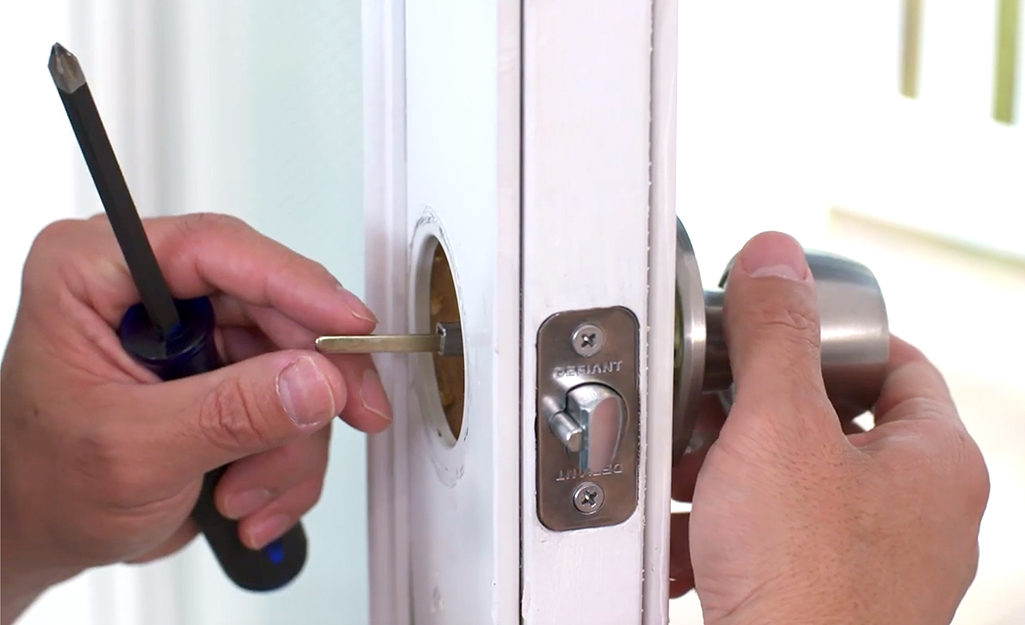
Lock misalignment happens when the lock and strike plate do not line up. The door may not close or lock properly. Check if the strike plate is in the right spot. Adjust it by loosening screws and moving it slightly. Tighten screws once aligned. Sand or file the door edge if needed. This helps the lock fit smoothly.
Key Won’t Turn
A key that won’t turn can mean dirt or damage inside the lock. Spray a small amount of graphite lubricant inside the keyhole. Avoid oil-based lubricants as they attract dust. Try turning the key gently back and forth. If it still won’t turn, check for bent keys or broken pins inside the lock. Replace the lock if damaged.
Loose Components
Loose parts can cause the lock to feel wobbly or work poorly. Tighten all screws on the lock and deadbolt. Check both inside and outside parts. If screws don’t tighten, use longer screws or add wood filler to the holes. This keeps the lock firm and secure. Ensure all parts fit snugly to avoid future problems.
Credit: www.homedepot.com
Frequently Asked Questions
How Do I Remove An Old Door Lock And Deadbolt?
First, unscrew the interior screws holding the lock and deadbolt. Then, gently pull out both lock components from the door. Remove the latch mechanism by unscrewing it from the door edge. This prepares your door for the new lock installation.
What Tools Are Needed To Replace Door Locks And Deadbolts?
You will need a screwdriver, tape measure, and new lock set. Optional tools include a drill and chisel for adjustments. Having these tools ensures a smooth and efficient lock replacement process without unnecessary delays.
Can I Replace A Door Lock Without Drilling New Holes?
Yes, if the new lock matches the existing holes. Most locks are designed to fit standard door preparations. Check the lock specifications before buying to avoid additional drilling or modifications to your door.
How Long Does It Take To Replace A Door Lock And Deadbolt?
Replacing a door lock and deadbolt typically takes 20 to 40 minutes. It depends on your experience and door condition. Following step-by-step instructions speeds up the process and ensures proper installation.
Conclusion
Replacing a door lock and deadbolt is easier than it seems. With the right tools and steps, anyone can do it. A secure lock keeps your home safe and gives peace of mind. Take your time to follow each step carefully.
Now, you can protect your home without calling a locksmith. Try it yourself and feel confident in your skills. Safety starts with a strong lock on your door.