Are you struggling with your deadbolt lock and wondering how to move it without causing damage? Whether you want to reposition it for better security or fix a misaligned bolt, knowing the right steps is crucial.
In this guide, you’ll discover simple, clear instructions that anyone can follow. By the end, you’ll feel confident handling your deadbolt lock like a pro, saving time and money on repairs. Keep reading to unlock the secrets to moving your deadbolt lock easily and safely!
Tools Needed
Moving a deadbolt lock requires some basic tools. Having the right tools makes the job easier and faster. This section lists the essential tools you need and some optional items that help.
Essential Tools List
- Screwdriver (flathead and Phillips)
- Measuring tape
- Drill with drill bits
- Hammer
- Pencil or marker
- Chisel
These tools cover most tasks when moving a deadbolt lock. Screwdrivers help remove and install screws. A drill makes new holes for the lock. Measuring tape ensures precise placement. The hammer and chisel adjust the door or frame if needed.
Optional Helpful Items
- Level
- Wood filler
- Masking tape
- Safety glasses
- Protective gloves
These extras make the process smoother. A level keeps the lock straight. Wood filler covers old holes or damage. Masking tape prevents scratches on the door. Safety glasses and gloves protect you during work.

Credit: www.locksmiths.co.uk
Removing The Old Deadbolt
Removing the old deadbolt is the first step in moving your lock. This process helps prepare your door for a new deadbolt or for relocating the current one. It involves taking apart the lock carefully to avoid damage to the door.
Start by working on the outside part of the lock. Then, move to the inside lock components. Finally, remove the latch that holds the door secure.
Unscrewing The Exterior Plate
Locate the screws on the outside plate of the deadbolt. Use a screwdriver to turn these screws counterclockwise. Keep the screws safe for reuse. Gently pull the exterior plate away from the door. This plate covers the main lock body.
Detaching The Interior Lock
Next, move to the inside part of the deadbolt. Remove the screws holding the interior lock to the door. Carefully pull the interior lock away. Sometimes, you need to wiggle it slightly to loosen it. Set the interior lock down in a safe place.
Removing The Latch Mechanism
Open the door to access the latch on the edge. Unscrew the screws holding the latch in place. Pull the latch mechanism straight out from the door. This piece slides into the door frame to lock the door. Keep all parts together for easy reassembly or replacement.
Preparing The New Location
Preparing the new location for your deadbolt lock is a key step. It helps ensure the lock fits well and works smoothly. Taking time to plan this carefully avoids mistakes and extra work. You want the lock to be secure and look neat on your door.
Choosing The Best Spot
Pick a spot on the door that feels natural for your hand. The lock should be easy to reach and use every day. Avoid areas near door edges that might weaken the door. Also, check that the spot does not interfere with hinges or other hardware.
Marking Drill Points
Use the lock’s template or the old lock’s holes to mark drill points. Mark the center for the lock cylinder and the bolt hole on the door edge. Use a pencil for light, visible marks that are easy to adjust. Double-check measurements before drilling to avoid errors.
Ensuring Door Thickness Compatibility
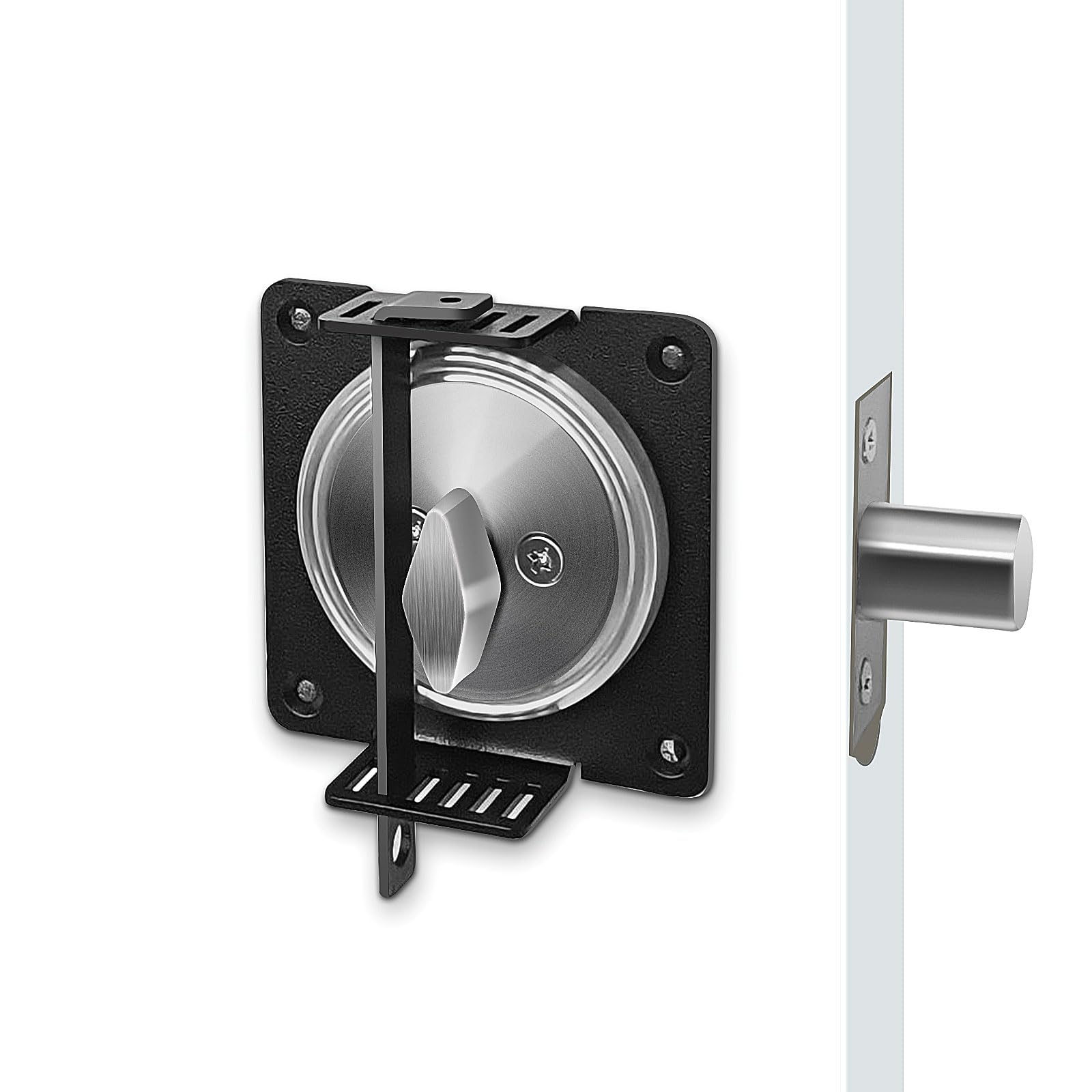
Measure the door thickness with a ruler or tape measure. Deadbolt locks fit specific door thickness ranges, usually 1-3/8 to 1-3/4 inches. Check the lock’s instructions to confirm it fits your door. If the door is too thin or thick, the lock may not install properly.
Credit: www.amazon.ae
Drilling And Modifying The Door
Moving a deadbolt lock requires careful drilling and door modifications. This step is crucial to fit the lock securely in its new position. Proper drilling helps avoid damage and ensures smooth operation. Follow the right method to maintain door strength and appearance.
Drilling Holes For Lock And Latch
Mark the new lock position on the door clearly. Use a drill bit suitable for the lock size. Drill a hole through the door for the lock cylinder. Then, drill a smaller hole on the door edge for the latch. Keep the drill steady to avoid uneven holes. Check the holes fit the lock and latch snugly.
Creating Space For The Strike Plate
Mark the strike plate position on the door frame. Use a chisel to carve out space for the plate. The strike plate should sit flush with the frame surface. This step helps the door close securely and lock properly. Remove small amounts of wood at a time for a precise fit.
Smoothing Edges For A Clean Fit
After drilling and chiseling, smooth all rough edges. Use sandpaper or a file to remove splinters and sharp spots. Smooth edges prevent damage to the lock and door. They also improve the lock’s appearance. Take time to ensure a neat, clean finish around holes and cutouts.
Installing The Deadbolt In New Spot
Installing the deadbolt in a new spot needs careful steps. Each part must fit well. This keeps your door safe and works smoothly. Follow each step to set your deadbolt right. Take your time for a secure fit.
Inserting The Latch
Start by placing the latch into the door edge. Make sure the slanted side faces the door frame. Push it in until it sits flush. Use a screwdriver to tighten the screws. The latch must stay firm and not move.
Mounting The Exterior And Interior Plates
Place the exterior plate on the outside of the door. Align the tailpiece through the latch hole. Next, fit the interior plate on the inside. Hold both plates tightly against the door. Check the parts line up correctly before moving on.
Securing All Screws Tightly
Use the screws that came with your lock. Tighten each screw carefully with a screwdriver. Avoid over-tightening to prevent damage. All screws should feel snug and secure. This keeps the lock steady and durable.
Testing The Lock
Testing the lock is a key step after moving your deadbolt. It shows if the lock works well and keeps your door secure. This step helps find any problems early. You can fix them before using the lock every day.
Checking Bolt Movement
Start by moving the key or thumb turn. Watch how the bolt slides in and out. The bolt should move smoothly without stopping. If it sticks or feels tight, the lock may need more adjusting. Make sure the bolt goes fully in and out.
Ensuring Proper Locking And Unlocking
Try locking and unlocking the door several times. Check if the bolt stays in place when locked. Also, make sure the door opens easily when unlocked. Test both sides of the lock if it has a key on each side. The lock must work every time without force.
Adjusting Alignment If Needed
Look at the bolt and strike plate on the door frame. They must line up perfectly. If the bolt hits the plate or misses the hole, the lock won’t work right. Loosen screws and move the strike plate slightly. Test the lock after each small move. Keep adjusting until the bolt slides in easily.
Tips For A Smooth Relocation
Moving a deadbolt lock needs care and attention. Small mistakes can cause damage or reduce security. Follow simple tips to make the relocation smooth and safe.
Working Carefully To Avoid Damage
Handle the lock parts gently to avoid scratches or dents. Use the right tools for removing screws and plates. Keep all parts organized and clean during the move. Avoid forcing any piece into place to prevent breakage.
Using Quality Replacement Parts
Choose strong and reliable replacement parts that match your lock. Cheap parts may not fit well and can break easily. Always check the size and type before buying. Using good parts keeps your lock working long and secure.
Seeking Professional Help When Needed
Some lock moves can be tricky or complex. Call a locksmith if you feel unsure or face problems. Professionals have tools and skills to handle tough tasks. Getting help saves time and ensures your door stays safe.

Credit: www.amazon.ae
Frequently Asked Questions
How Do I Remove A Deadbolt Lock Safely?
To remove a deadbolt lock, first unscrew the interior and exterior plates. Carefully pull apart the lock components. Avoid forcing parts to prevent damage. Keep screws in a safe place for reinstallation or replacement.
Can I Move A Deadbolt Lock To A New Door?
Yes, you can move a deadbolt to a new door. Ensure the new door has matching holes or drill accordingly. Transfer all lock parts carefully and tighten screws securely to maintain lock integrity.
What Tools Are Needed To Move A Deadbolt Lock?
You need a screwdriver, drill, measuring tape, and pencil. These tools help remove, measure, and reposition the deadbolt accurately. Using the right tools ensures a smooth and precise installation.
How Do I Align The Deadbolt With The Door Frame?
Measure the lock’s bolt position and mark the door frame. Chisel or drill a matching strike plate recess. Proper alignment ensures the deadbolt slides smoothly and locks securely.
Conclusion
Moving your deadbolt lock can be simple with the right steps. Take your time and follow each instruction carefully. Use basic tools and work patiently to avoid mistakes. Double-check everything before finishing the job. A properly moved deadbolt keeps your home safe and secure.
Keep this guide handy for future lock projects. Small efforts lead to better home security. You can do it with focus and care.


