Are you tired of shelves that wobble or even fall off your plaster walls? Anchoring shelves properly can be tricky, especially when your walls aren’t like regular drywall.
But don’t worry—this guide will show you exactly how to secure your shelves safely and strongly. By the end, you’ll have the confidence to hang your favorite books, decor, or kitchen essentials without fear. Keep reading to learn the simple steps that make all the difference for your plaster walls.
Credit: www.youtube.com
Types Of Plaster Walls
Plaster walls come in different types, each with unique features. Knowing the type of plaster wall helps in choosing the right method to anchor shelves safely. This knowledge prevents damage and ensures strong support for your shelves.
Key Characteristics
Traditional plaster walls have a thick, hard surface. They often cover wooden lath or metal mesh underneath. Modern plaster walls may use gypsum plaster, which is lighter and smoother. Some walls combine plaster with drywall for extra strength. Understanding the material helps select proper anchors and tools.
Common Challenges
Plaster walls can crack or crumble when drilled. They may hide weak spots or hollow areas behind the surface. Finding studs behind plaster is harder than with drywall. Anchors may loosen over time if not installed correctly. Careful preparation and the right anchors avoid these problems.
Choosing The Right Anchors
Choosing the right anchors for plaster walls is key to securing your shelves safely. Plaster walls are delicate and need anchors that spread the weight well. Different anchors work best for different shelf weights and wall types.
Understanding each anchor type helps you pick the best fit. Here are some common anchors used for plaster walls.
Plastic Expansion Anchors
Plastic expansion anchors are easy to install and affordable. They work well for light to medium loads. Drill a hole, insert the anchor, then screw into it. The anchor expands inside the wall, holding the screw tight. Avoid using these for heavy shelves.
Toggle Bolts
Toggle bolts offer strong support for heavier shelves. They have metal wings that open behind the wall. The wings spread the load across a larger area. Drill a hole big enough for the closed wings. Insert the bolt, then tighten the screw. These anchors are excellent for hollow plaster walls.
Molly Bolts
Molly bolts are metal anchors that expand inside the wall. They provide a strong, permanent hold. First, drill a hole and insert the molly bolt. Tighten the screw to expand the anchor behind the plaster. Remove the screw to mount the shelf bracket, then reinsert it. Molly bolts suit medium to heavy loads well.
Adhesive Anchors
Adhesive anchors use strong glue to fix anchors in place. They work best for light loads or when drilling is difficult. Clean the wall surface before applying adhesive. Insert the anchor into the glue and hold it until dry. These anchors are less common but useful in certain situations.
Tools Needed For Installation
Installing shelves on plaster walls needs specific tools to work well. Using the right tools helps keep shelves strong and safe. Each tool has a special role in the process. This guide covers the main tools you must have for the job.
Drill And Drill Bits
A drill makes holes in plaster for anchors and screws. Choose drill bits that fit your wall anchors. Using the right size prevents wall damage. A cordless drill is easy to handle and move around.
Screwdriver
A screwdriver tightens screws into the anchors. Use a screwdriver that matches the screw head. Manual or electric screwdrivers both work well. A good grip helps you control the screw better.
Stud Finder
A stud finder locates wooden studs behind plaster. Screws anchored in studs hold more weight. This tool helps avoid drilling into empty space. It makes shelf installation stronger and safer.
Level
A level ensures shelves are straight and even. Place it on the shelf during installation. It helps avoid tilted or crooked shelves. A small, simple level works fine for most jobs.

Credit: diy.stackexchange.com
Preparing The Wall
Preparing the wall is the first step to anchor shelves in plaster walls. This process ensures the shelves hold firmly and stay safe over time. Taking time to prepare prevents damage and keeps your wall strong.
Locating Studs
Studs are wooden beams behind the plaster wall. They provide strong support for shelves. Use a stud finder to locate them. Move the finder slowly along the wall. Mark the spots where the finder signals a stud.
Studs are usually spaced 16 or 24 inches apart. Finding them helps avoid weak spots in the plaster. Anchoring into studs gives your shelves better strength.
Marking Anchor Points
Choose where to place your shelves. Mark points on the wall for anchors. Use a pencil to make small, clear marks. Make sure marks line up with the studs.
Measure carefully for even spacing. Check the shelf brackets’ holes. Mark spots that match the holes. This step helps your shelves stay level and secure.
Drilling Pilot Holes
Drill small pilot holes on the marks. Use a drill bit smaller than the anchor screws. Pilot holes guide screws and prevent plaster from cracking. Drill slowly and gently to avoid damage.
Keep the drill straight and steady. The holes should be deep enough for the anchors. Proper pilot holes make screwing easier and stronger.
Installing Anchors Step-by-step
Installing anchors in plaster walls can be tricky without the right steps. Follow clear instructions to ensure strong support for your shelves. Each anchor type has a unique installation method. Learn these step-by-step guides to secure your shelves safely.
Plastic Anchor Installation
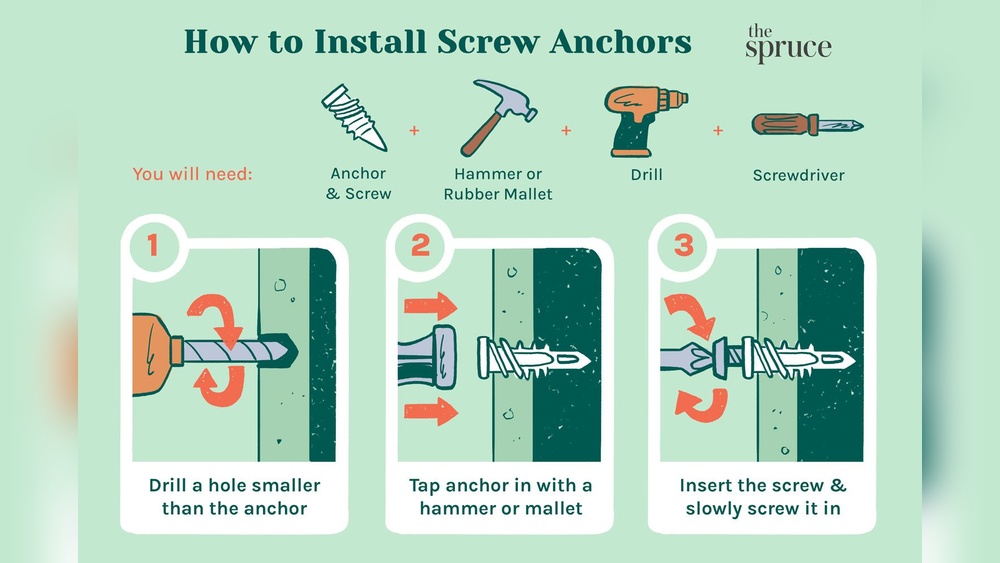
Start by drilling a hole slightly smaller than the anchor size. Push the plastic anchor gently into the hole until flush with the wall. Use a screwdriver to insert the screw into the anchor. Tighten slowly to avoid cracking the plaster. The plastic anchor expands inside the hole for a firm grip.
Toggle Bolt Setup
Drill a hole large enough for the toggle wings to fit folded. Thread the screw through the shelf bracket, then attach the toggle wings. Push the toggle wings through the hole until they open inside the wall. Pull back gently to lock the wings against the plaster. Tighten the screw to secure the shelf bracket firmly.
Molly Bolt Expansion
Drill a hole matching the molly bolt size. Insert the molly bolt into the hole until it sits flush with the wall. Use a screwdriver to turn the screw, causing the sleeve to expand behind the wall. The expansion grips the plaster firmly, creating a strong anchor. Remove the screw, mount your shelf bracket, then reinsert and tighten the screw.
Credit: idlehandsawake.com
Mounting Shelves Securely
Mounting shelves securely on plaster walls is key to keeping your items safe. Proper steps ensure shelves hold well without damage. Follow simple techniques to achieve strong support.
Aligning Brackets
Start by marking where the brackets will go. Use a level to keep them straight. Place brackets at the right height for your shelf. Make sure both sides match perfectly. Proper alignment helps balance weight evenly.
Tightening Screws
Use the correct anchors for plaster walls. Insert anchors before screws for better grip. Tighten screws slowly and steadily. Avoid overtightening to prevent wall cracks. Secure screws firmly to hold brackets in place.
Checking Stability
After mounting, test the shelf by pressing gently. Check if it feels loose or shaky. Add extra support if needed. Confirm the shelf stays steady under weight. Stable shelves protect both your wall and items.
Safety Tips For Heavy Loads
Anchoring shelves in plaster walls requires careful attention to safety. Heavy items can cause shelves to fall if not supported well. Taking the right safety steps protects your walls and belongings. It also keeps people safe from accidents.
Below are key tips for handling heavy loads on plaster walls. These tips help ensure your shelves stay strong and secure over time.
Weight Limits
Know the maximum weight your plaster wall can hold. Plaster is not as strong as drywall or wood. Exceeding the weight limit can cause cracks or wall damage. Always check the shelf and anchor instructions. Use anchors made for heavy loads. When in doubt, choose anchors with higher weight ratings.
Distributing Load Evenly
Spread the weight across the shelf. Do not place all heavy items in one spot. Even weight helps prevent the plaster from cracking. Use multiple anchors spaced apart for better support. Balance heavy and light items to avoid pressure points. This practice increases the shelf’s life and safety.
Using Additional Supports
Use extra supports for very heavy shelves. Brackets or wall studs can add strength. Studs are the best option for heavy loads. Find studs behind plaster using a stud finder. Attach brackets to these studs for solid support. For extra safety, add braces under the shelf. These supports reduce stress on the plaster wall.
Common Mistakes To Avoid
Anchoring shelves in plaster walls requires care and the right approach. Mistakes can cause damage or unsafe shelves. Avoiding common errors helps keep your shelves steady and your walls intact.
Ignoring Wall Type
Plaster walls need special anchors. Using drywall anchors alone can cause shelves to fall. Check if your wall has lath and plaster. Use anchors made for plaster walls. This prevents cracks and holds shelves firmly.
Overloading Shelves
Every shelf has a weight limit. Putting too many heavy items can pull anchors out. Even strong anchors fail if overloaded. Distribute weight evenly on the shelf. Keep heavy items close to the wall for support.
Improper Anchor Use
Using the wrong anchor size is a common error. Small anchors may not hold heavy shelves. Large anchors can crack plaster. Follow instructions for the anchor type. Drill holes to the correct depth. Insert anchors carefully to avoid wall damage.
Maintaining Shelves Over Time
Maintaining shelves over time keeps them safe and sturdy. Shelves on plaster walls need care to avoid damage. Small checks and fixes help shelves last longer. Follow these tips to keep your shelves in good shape.
Regular Inspections
Check your shelves often for any signs of wear. Look for cracks in the plaster around the anchors. Notice if the shelves feel wobbly or uneven. Early checks help catch problems before they grow. Make inspections part of your routine home care.
Tightening Loose Screws
Screws can loosen with time and use. Tighten any loose screws to keep shelves firm. Use the right screwdriver to avoid stripping the screw heads. Tight screws hold the anchors securely in place. This simple step prevents shelves from sagging or falling.
Addressing Wall Damage
Plaster can crack or crumble near shelf anchors. Repair small cracks with plaster patch or filler. For larger damage, consider professional help. Avoid putting too much weight on damaged shelves. Fixing wall damage early protects your shelves and walls.
Frequently Asked Questions
How Do I Find Studs Behind Plaster Walls?
Use a stud finder designed for plaster or gently tap to hear solid sounds. You can also look for nails or screws in baseboards or crown molding as indicators of stud locations.
What Anchors Work Best For Plaster Walls?
Molly bolts and toggle bolts work best for plaster walls. They provide strong, secure hold by expanding behind the wall, preventing damage and ensuring your shelves stay firmly anchored.
Can I Use Drywall Anchors In Plaster Walls?
Standard drywall anchors are not ideal for plaster walls. They may not hold securely and can cause cracking. Use anchors specifically designed for plaster to ensure safety and stability.
How Do I Prevent Plaster From Cracking When Drilling?
Drill slowly using a masonry bit to avoid cracking. Use painter’s tape over the drill spot to reduce surface damage and apply gentle pressure while drilling.
Conclusion
Anchoring shelves in plaster walls is easier than it seems. Use the right tools and follow steps carefully. Choose anchors that fit the shelf weight and wall type. Drill holes slowly to avoid cracks. Tighten screws gently to keep the wall safe.
Take your time and check each step. This helps keep shelves strong and secure. With patience, anyone can do this job well. Now, enjoy your sturdy shelves and organized space.