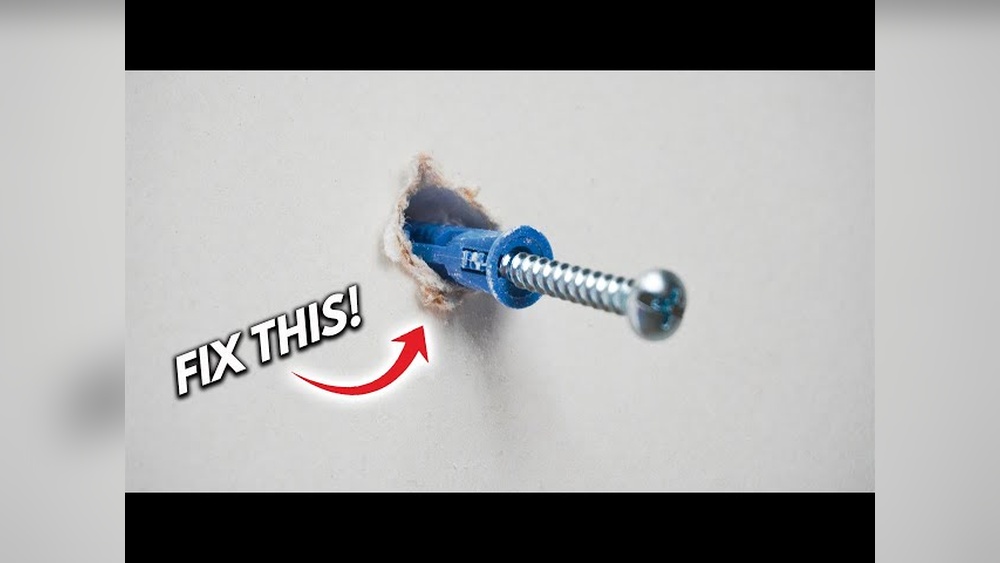
Have you ever removed a wall anchor only to find an unsightly hole staring back at you? Those small holes can make your walls look messy and unfinished.
But don’t worry—you don’t need to call a professional or repaint the entire wall. With a few simple steps, you can fix those holes quickly and make your walls look as good as new. Keep reading, and you’ll learn easy tricks that save you time and money while giving your space a clean, polished look.

Credit: www.youtube.com
Tools And Materials Needed
Fixing holes in walls made by anchors needs specific tools and materials. Having the right supplies helps complete the repair quickly and neatly. This section lists everything required for a successful patch job.
Basic Tools
You need a putty knife to apply filler smoothly. A sanding block or sandpaper is essential to smooth the patched area. A utility knife helps clean up the hole edges for better filling. A screwdriver may be needed to remove any remaining anchors or screws.
Materials For Patching
Use spackling paste or wall filler to fill the holes. For larger holes, a patch kit with mesh or a drywall patch works best. Primer helps prepare the surface for painting. Matching wall paint finishes the repair, blending it with the rest of the wall.
Additional Supplies
Clean cloths remove dust and debris before and after repair. Painter’s tape protects areas around the hole. A small container or tray holds the spackling paste during use. Gloves protect your hands from chemicals and dust.
Assessing The Damage
Before fixing holes in your wall from anchors, you must assess the damage carefully. This step helps you understand the repair tools and materials you need. It also ensures a smooth, lasting repair that blends well with your wall.
Types Of Wall Anchors
Wall anchors come in many shapes and sizes. Plastic expansion anchors are common and leave small holes. Metal anchors hold heavy objects but create larger holes. Toggle bolts make big holes because they need space to open inside the wall. Identifying the anchor type helps plan the repair correctly.
Size And Depth Of Holes
Measure the hole’s width and depth. Small holes under half an inch may need simple patching. Large holes require filling and sometimes extra support inside. Deep holes can weaken the wall and need careful attention. Accurate measurement avoids weak repairs that may crack or fall apart.
Preparing The Area
Preparing the area is the first step to fix holes in your wall from anchors. A clean and smooth surface helps the repair materials stick better. This preparation ensures a strong and lasting fix. Taking time to prepare the hole saves effort later.
Cleaning The Hole
Start by cleaning the hole carefully. Use a brush or a cloth to remove dust and dirt. Dirt inside the hole can stop the filler from sticking well. A clean hole leads to a smooth repair and better results.
Removing Loose Debris
Check the hole for loose pieces of plaster or paint. Gently remove any flakes or crumbs using a small tool or your fingers. Loose debris can cause the repair to fail. Clearing out these bits makes the surface solid and ready for patching.
Credit: www.thehandymansdaughter.com
Filling Small Holes
Small holes left by wall anchors are easy to fix. Filling these holes quickly restores your wall’s smooth look. This section explains simple steps to fill small holes properly.
Using Spackling Paste
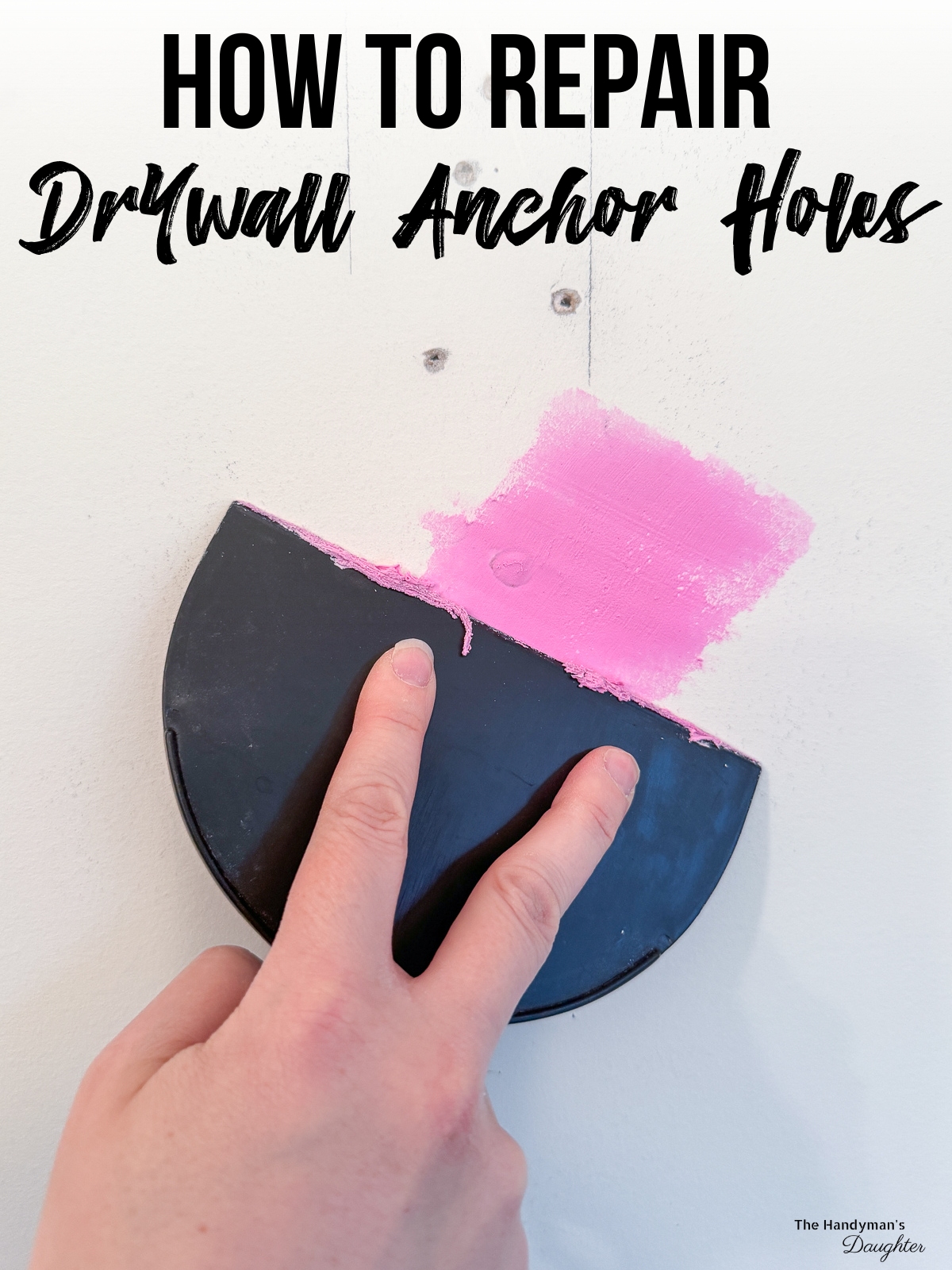
Spackling paste is perfect for filling small wall holes. Use a putty knife to apply a small amount over the hole. Press the paste firmly into the hole to fill it completely. Spread the paste flat, covering the hole and blending with the wall. Let it dry for several hours or as the package says. Dry spackling hardens and becomes easy to sand.
Sanding And Smoothing
Once the spackling paste is dry, smooth it with fine sandpaper. Sand gently to avoid removing too much paste. Your goal is a surface even with the wall. Use a soft cloth to wipe dust away. Check the surface by touch and sight. If needed, apply a second layer of spackling and sand again. A smooth finish prepares the wall for painting.
Repairing Larger Holes
Fixing larger holes from wall anchors takes more care than small ones. Big holes need strong support and careful filling. This keeps the wall smooth and ready for paint. Use the right tools and steps to get the best result. Here are simple ways to repair bigger holes.
Applying Patch Kits
Patch kits are easy and come with all parts needed. They include a patch, compound, and sometimes sandpaper. First, clean the hole edges from loose pieces. Place the patch over the hole, pressing it flat. Spread the compound over the patch with a putty knife. Let it dry fully before sanding smooth. Patch kits save time and work well for medium to large holes.
Using Mesh Tape
Mesh tape adds strength to the repair. Cut a piece a bit larger than the hole. Stick the tape firmly over the hole area. The mesh holds the compound and stops cracks. Apply a thin layer of joint compound over the tape. This creates a stable base for finishing the wall. Mesh tape is helpful for holes with rough edges.
Layering Joint Compound
Joint compound fills and smooths the hole in layers. Apply the first thin layer over the patch or mesh tape. Let it dry completely before adding the next layer. Each layer should be wider than the last to blend well. Sand lightly between layers for a smooth finish. Use 2 to 3 layers for strong, even repair. Layering ensures no bumps or cracks later on.

Credit: diy.stackexchange.com
Finishing Touches
Finishing touches are key to making your wall look perfect again. These steps hide the repair and blend it with the rest of the wall. Take your time here. The small details matter a lot.
Priming The Repair
Start by applying a primer to the patched area. Primer seals the surface and helps paint stick better. Use a small brush or roller for even coverage. Let it dry completely before moving on.
Matching Paint Color
Find paint that matches your wall color closely. Take a small chip of your wall paint to a store for color matching. Test the paint on a hidden spot first. This avoids noticeable color differences after painting.
Painting Techniques
Use light, even strokes to paint over the repair. Blend the edges carefully with the surrounding wall. Multiple thin coats work better than one thick coat. Let each coat dry fully before adding the next.
Preventing Future Damage
Preventing future damage to walls is key after fixing holes from anchors. Taking steps now saves time and effort later. Small changes in your approach make a big difference. Focus on choosing the right anchors and installing them properly.
Choosing The Right Anchors
Select anchors that match your wall type. Drywall anchors work best for drywall. Use masonry anchors for brick or concrete walls. Avoid heavy anchors on light walls. Check the weight limit on each anchor. Strong anchors reduce the chance of holes forming. Pick anchors that fit the size of your screws. Properly sized anchors hold better and protect your wall.
Proper Installation Tips
Drill pilot holes before inserting anchors. This prevents cracking and splitting. Use a drill bit that matches anchor size. Insert anchors gently, without forcing them. Tighten screws slowly to avoid wall damage. Do not overtighten screws; it weakens the anchor hold. Use a level to keep items straight. Straight installation reduces stress on anchors and walls. Follow manufacturer instructions for best results.
Frequently Asked Questions
How Do I Fix Small Holes From Wall Anchors?
Fill small holes with spackling paste or joint compound. Apply with a putty knife and smooth the surface. Let it dry, then sand lightly. Finally, paint over the patched area to match the wall color.
Can I Reuse Wall Anchors After Fixing Holes?
No, it’s best to use new anchors after repair. Old anchors may not hold securely in patched holes. Properly repair the hole first, then install new anchors for better stability and safety.
What Materials Do I Need To Fix Anchor Holes?
You need spackling paste or joint compound, a putty knife, sandpaper, primer, and matching paint. Optional items include a drywall patch for larger holes and a sanding block for smooth finishing.
How Long Does It Take To Repair Wall Anchor Holes?
Repairing small holes usually takes 1-2 hours including drying time. Larger holes may require multiple layers and extra drying time. Plan for at least 24 hours if using joint compound for best results.
Conclusion
Fixing holes from wall anchors is simple and quick. Use the right tools and materials for best results. Patch the hole carefully, then sand and paint for a smooth finish. This helps your wall look clean and new again. Small repairs like this save money and keep your home neat.
Try it yourself and see how easy it can be. A little effort goes a long way in home care.