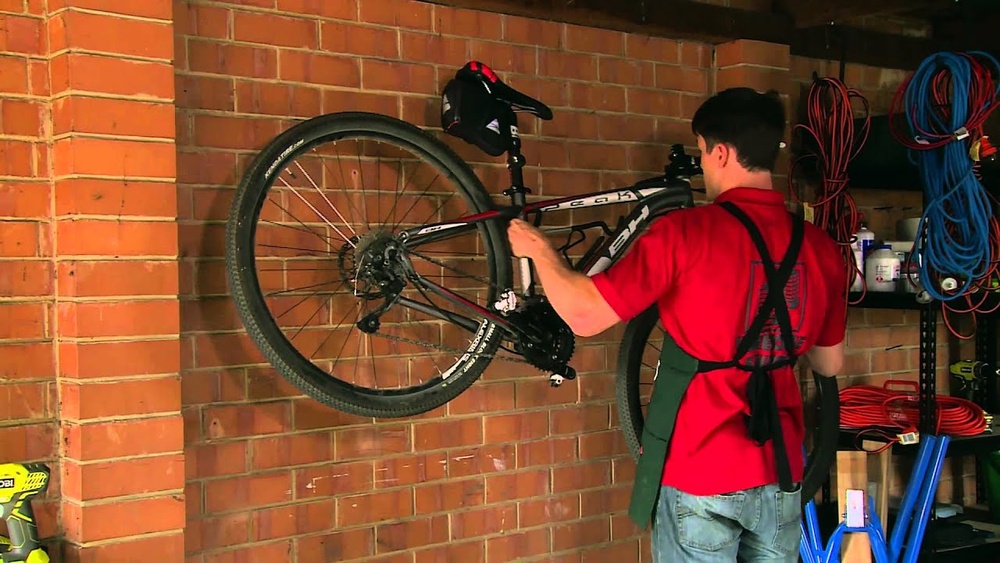
Are you tired of your bike taking up too much space in your home or garage? Installing a bike wall hook is a simple and effective way to keep your bike secure and free up valuable room.
But if you’re not sure where to start or how to do it right, don’t worry—you’re in the right place. In this guide, you’ll learn easy steps to install a bike wall hook quickly and safely, so your bike stays off the floor and your space stays neat.
Keep reading, and you’ll discover how a small change can make a big difference in your daily routine.
Credit: stoller.com.tr
Choosing The Right Bike Wall Hook
Before installing a bike wall hook, gather all the tools you need. Having the right tools makes the job easier and safer. It saves time and helps you avoid mistakes. Prepare your workspace and check your tools before starting.
Basic Tools Needed
You will need a drill to make holes in the wall. A screwdriver helps to tighten screws. A tape measure ensures correct hook placement. A pencil marks the spots for drilling. A level keeps the hook straight on the wall. Wall anchors may be necessary for drywall or plaster walls.
Safety Equipment
Wear safety glasses to protect your eyes from dust and debris. Gloves protect your hands from sharp edges and tools. Use ear protection if you are using a loud drill. Make sure your clothing fits well and avoid loose sleeves. Clear the area around you to prevent accidents.
Gathering Necessary Tools
Preparing the wall is the first step to install a bike wall hook safely. A strong and stable wall holds your bike well. It also prevents damage to your bike and walls.
Take time to prepare the wall properly. This makes the installation easier and more secure. You need to find the best spots to mount the hook. Also, check the wall type to use the right tools.
Finding The Studs
Studs are the wooden or metal beams behind the wall. They provide strong support for heavy items. Use a stud finder tool to locate them. Move the tool slowly across the wall. Mark the spots where the tool signals a stud.
If you don’t have a stud finder, try tapping the wall. A solid sound means a stud is there. A hollow sound means no stud. Mark the solid spots carefully.
Marking The Mounting Spots
Measure the distance between the holes on your bike hook. Transfer these measurements to the wall. Use a pencil to mark the spots on the stud. These marks show where to drill holes.
Double-check the marks with a level tool. This keeps your bike hook straight. Straight mounting looks better and holds the bike safely.
Checking Wall Material
Different walls need different anchors and screws. Drywall, brick, and concrete walls are common types. Check what your wall is made of. Press your knuckle against the wall. It gives a rough idea.
Use wall anchors for drywall. Use masonry screws for brick or concrete walls. Proper anchors stop the hook from falling. Always pick the right hardware for your wall type.
Preparing The Wall
Installing the bike wall hook is a simple step to keep your bike safe and save space. Follow each step carefully to secure the hook properly. A well-installed hook holds your bike firmly without damage.
Drilling Pilot Holes
Mark the spots on the wall where the screws will go. Use a pencil to make small marks. Select a drill bit slightly smaller than the screws. Drill pilot holes at the marked spots. This prevents the wall from cracking. It also makes screwing easier and more accurate.
Securing The Hook
Align the bike hook with the pilot holes. Insert screws through the hook holes into the wall. Use a screwdriver or drill to tighten the screws. Make sure the hook is flush against the wall. Tighten until the hook feels solid. Avoid over-tightening to prevent damage.
Testing Stability
Gently pull the hook to check its hold. Hang your bike on the hook carefully. Check if the hook holds the bike without moving. If it feels loose, tighten the screws more. A stable hook keeps your bike safe and secure.
Installing The Hook
Hanging your bike safely on a wall hook keeps it secure and protects your bike. It also saves space and makes your room tidy. Proper hanging prevents damage and keeps your bike ready to ride. Follow these steps to hang your bike with care and confidence.
Proper Bike Positioning
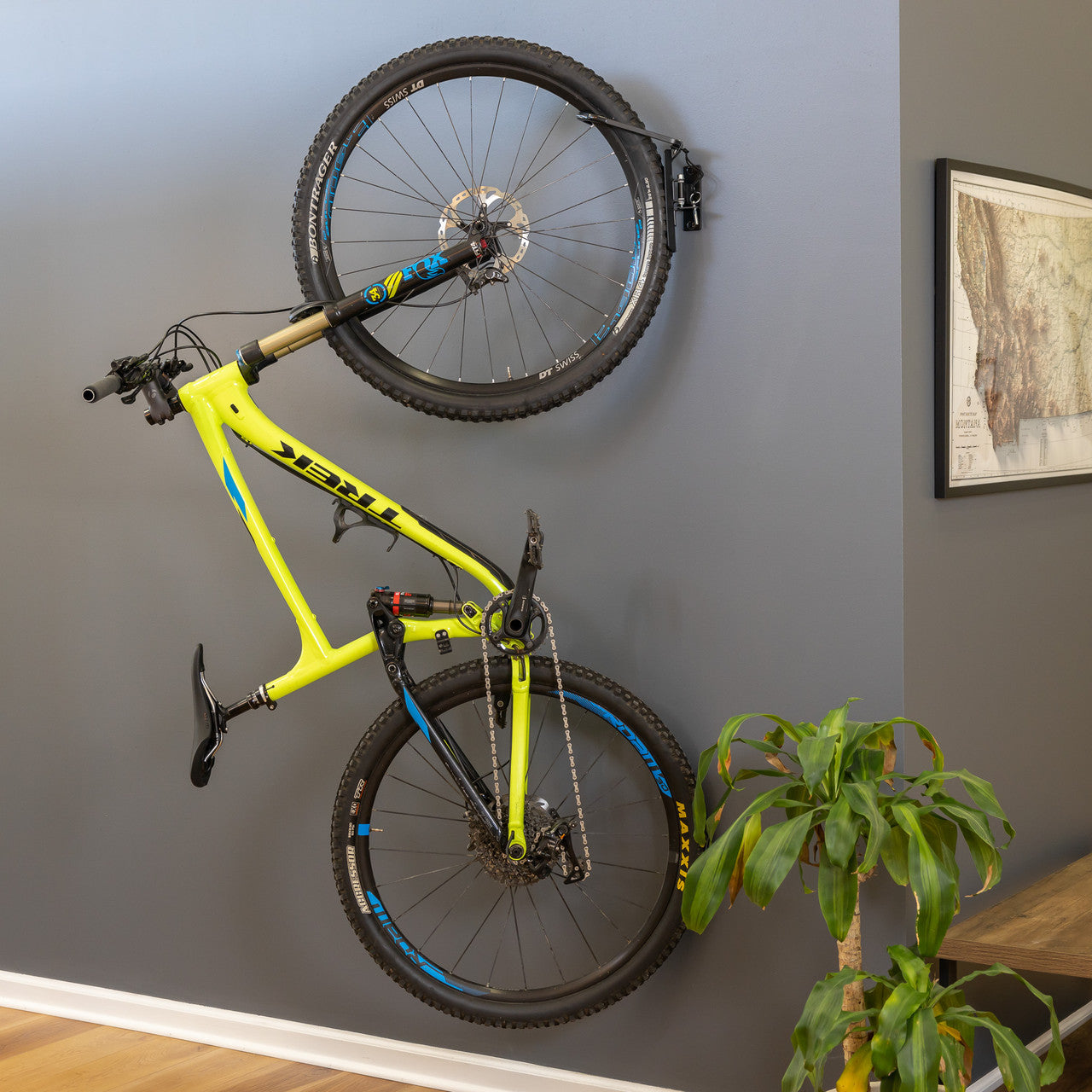
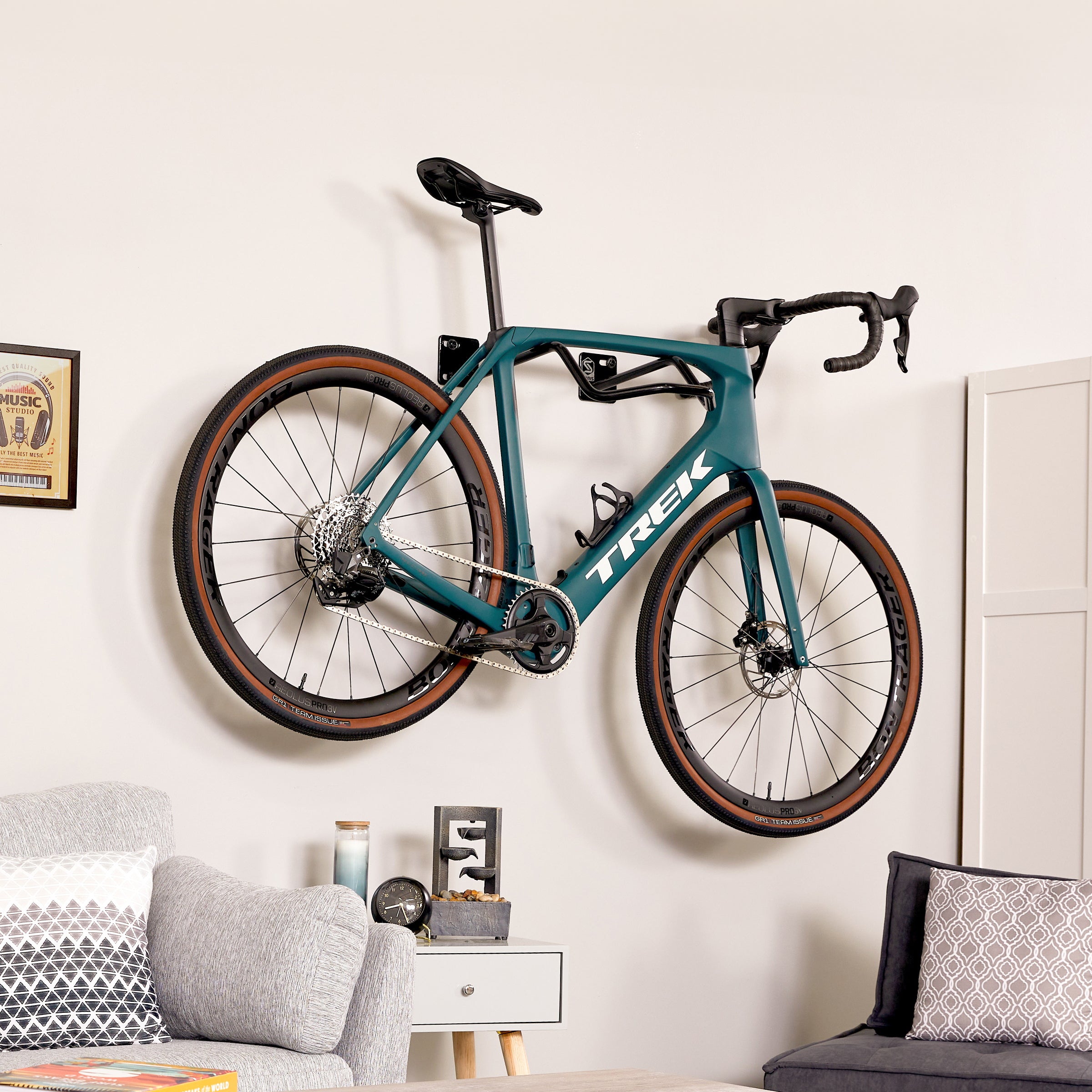
Place the bike hook at a height that fits your bike size. Hang your bike so the hook supports the frame or wheel firmly. Ensure the bike does not lean or wobble. Keep the bike away from sharp or rough surfaces. Position it to avoid blocking doors or walkways.
Avoiding Damage To Frame And Tires
Use hooks covered with rubber or plastic to protect the frame. Avoid hanging the bike by the tire alone. Tires can deform or lose air pressure over time. Check the hook’s grip to prevent scratches or dents. Keep the bike clean before hanging to avoid dirt marks on walls or frame.
Hanging Your Bike Safely
Maintaining your bike wall hook is key to keeping it strong and safe. Simple care steps help the hook last a long time. Regular checks and cleaning keep it working well.
Regular Inspections
Look at the bike wall hook often. Check for loose screws or parts. Tighten anything that feels weak. See if the hook holds your bike firmly. Catch small problems before they grow big. This keeps your bike safe and the hook stable.
Cleaning And Care
Wipe the hook with a dry cloth to remove dust. Use a damp cloth if it is very dirty. Avoid harsh chemicals that can damage the hook’s finish. Dry the hook well after cleaning. Keep the hook dry to stop rust from forming. Clean hooks look good and work better.
Credit: sarisinfrastructure.com

Credit: www.velocirax.com
Frequently Asked Questions
What Tools Do I Need To Install A Bike Wall Hook?
You need a drill, screwdriver, level, measuring tape, and wall anchors. These tools ensure secure and accurate installation of the bike wall hook.
How High Should I Mount A Bike Wall Hook?
Mount the hook at least 4 to 5 feet from the floor. This height allows easy hanging and access while saving space.
Can I Install A Bike Wall Hook On Drywall?
Yes, but use heavy-duty wall anchors or studs for strong support. Avoid only using drywall screws to prevent damage.
How Much Weight Can A Bike Wall Hook Hold?
Most bike wall hooks support between 30 to 50 pounds. Always check the product specifications to ensure it holds your bike safely.
Conclusion
Installing a bike wall hook saves space and keeps your bike safe. Follow the steps carefully to ensure a strong hold. Choose the right spot and use proper tools. Tighten screws firmly but do not overtighten. Check stability before hanging your bike.
This simple method helps organize your room or garage. Enjoy more room and easy bike access every day. Keep your bike off the floor and out of the way. A well-installed hook makes a big difference. Try it today for a neat and tidy space.


