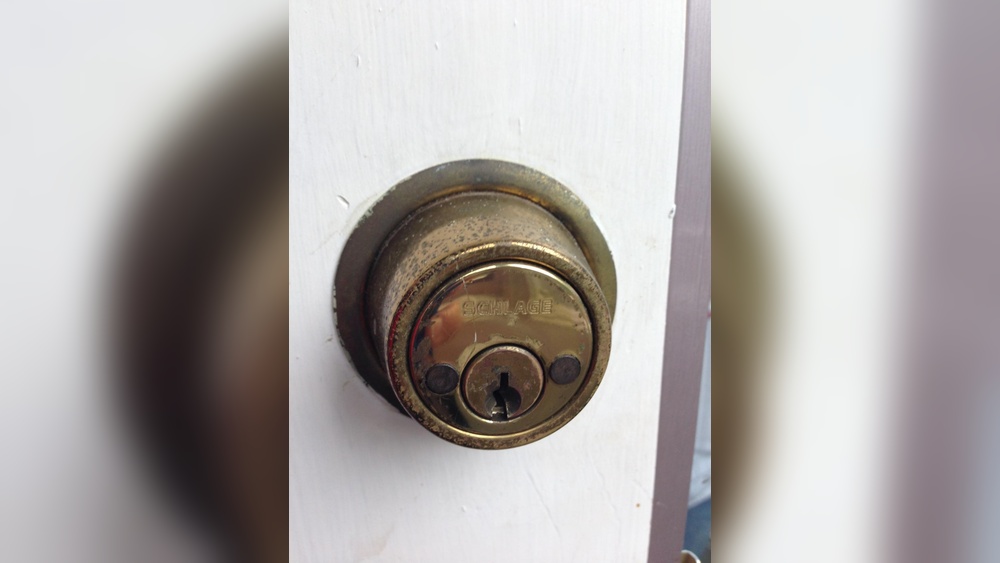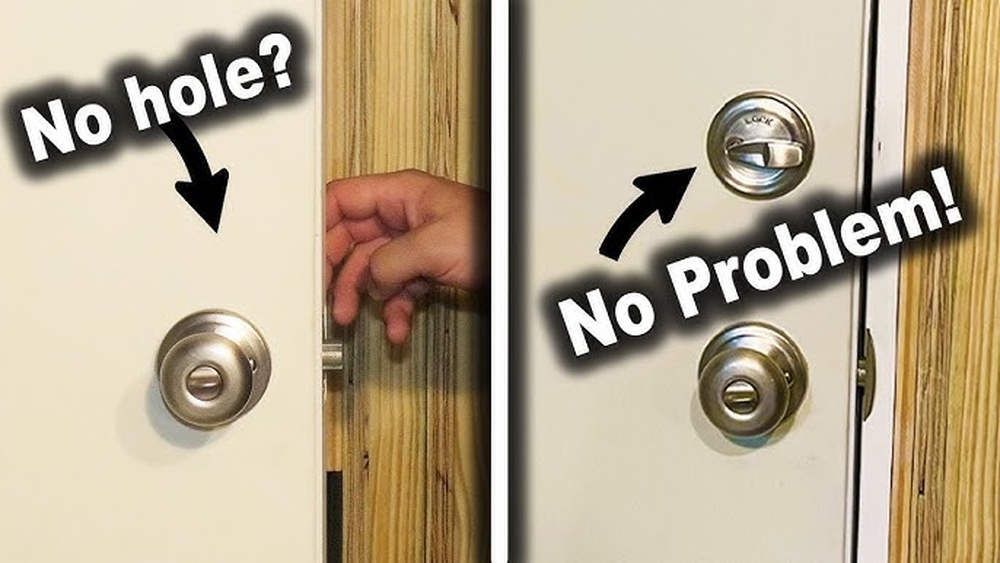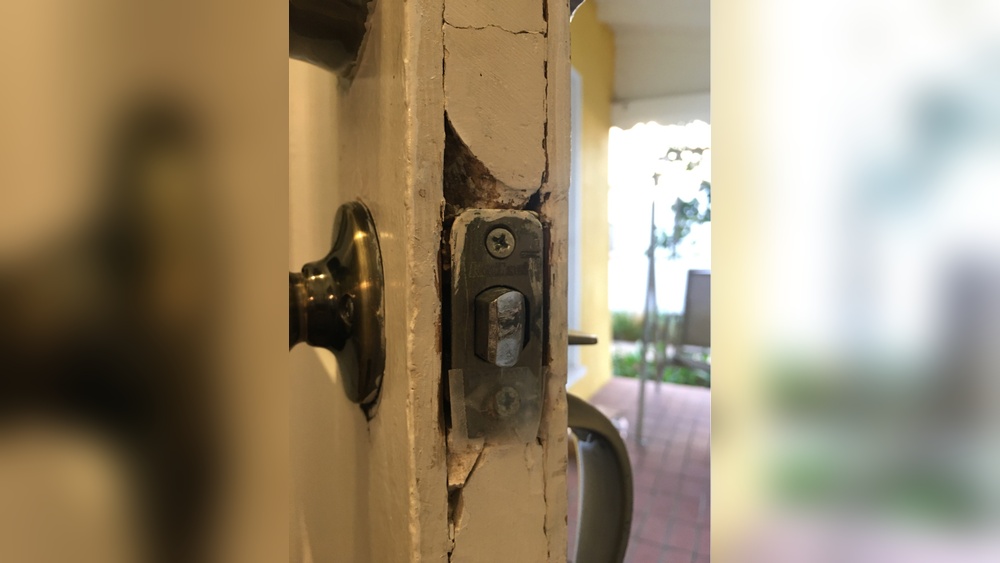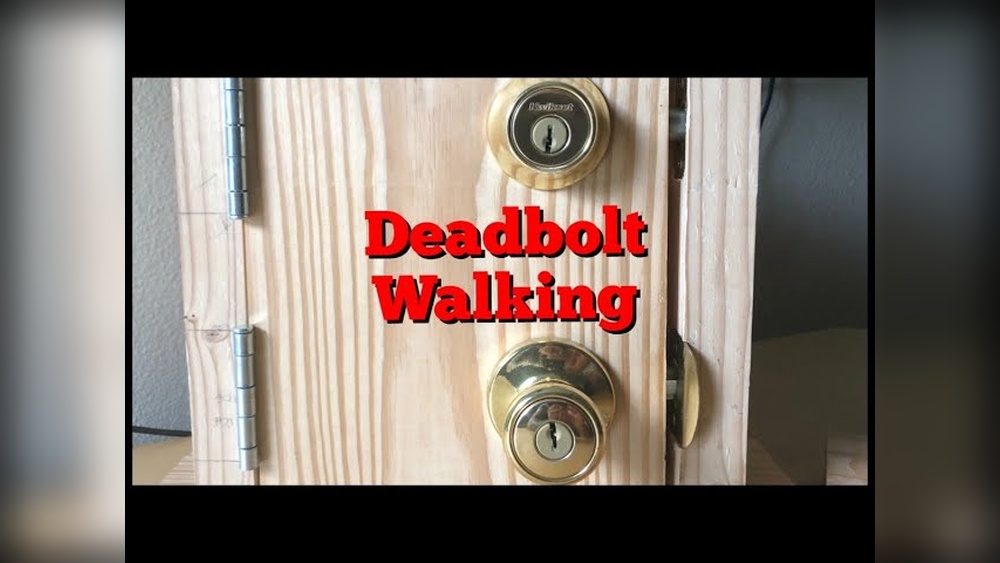
Have you ever found yourself standing in front of a locked deadbolt door, feeling stuck and unsure what to do next? It’s frustrating, stressful, and can even make you feel helpless.
But don’t worry—unlocking a deadbolt doesn’t have to be a mystery. You’ll discover simple, effective methods to open that stubborn door quickly and safely. Whether you’re locked out of your home or just need to understand how these locks work, you’re about to gain the confidence and know-how to handle the situation like a pro.
Keep reading, and you’ll never feel powerless in front of a locked deadbolt again.

Credit: www.youtube.com
Tools Needed
Opening a locked deadbolt door requires specific tools. These tools help you work with the lock carefully. Using the right tools makes the task easier and safer. Some tools are made for lock picking. Others are common household items that can help in a pinch.
Essential Lock Picking Tools
Lock picking tools include picks and tension wrenches. Picks help lift the pins inside the lock. Tension wrenches apply pressure to turn the lock cylinder. A basic lock pick set usually has a hook pick, rake pick, and diamond pick. These tools come in small sizes and fit easily in your hand. Using them takes practice but can open many locks.
Alternative Household Items
Some household items can replace lock picking tools. A bobby pin can work as a pick with some bending. A paperclip can also be shaped to lift pins inside the lock. A small flathead screwdriver may help turn the lock if it is loose. These items are easy to find but less effective than real tools. Use them carefully to avoid damaging the lock.

Credit: www.amazon.com
Using A Lock Pick Set
Using a lock pick set can help open a locked deadbolt door without a key. This method requires patience and a steady hand. It is a skill that improves with practice. Understanding the lock’s mechanism is important before starting. A basic lock pick set usually includes a tension wrench and a pick.
The tension wrench applies pressure to the lock cylinder. The pick manipulates the pins inside the lock. Each pin must be lifted to the correct height to turn the lock. Learning the right amount of tension is key to success.
Basic Lock Picking Techniques
Start by inserting the tension wrench into the lock’s bottom. Apply light pressure in the direction the key would turn. Insert the pick above the wrench and feel for pins. Lift each pin gently until it sets in place. Keep adjusting the tension as you lift pins. Turn the wrench slightly once all pins are set. Practice this slowly to develop feel and timing.
Common Mistakes To Avoid
Applying too much tension locks the pins in place. Too little tension makes pins fall back down. Rushing through the steps causes missed pins. Using excessive force can damage the lock or tools. Not feeling the pins carefully leads to errors. Practicing on spare locks reduces damage risk. Patience is vital for success with a pick set.
Bump Key Method
The bump key method is a simple way to open a locked deadbolt door without the original key. It uses a special key called a bump key. This key is cut to fit many locks of the same type.
This technique requires patience and a light touch. It can work on pin tumbler locks, common in many deadbolts. Understanding how bump keys work helps in using them correctly.
How Bump Keys Work
A bump key has all its cuts at the lowest depth. This design allows it to fit into many locks. When the key is inserted and bumped, it pushes the pins inside the lock.
The pins jump to the shear line briefly. This frees the lock cylinder to turn. The bump causes a quick force, moving the pins at once. It’s a clever way to mimic the original key’s action.
Step-by-step Bump Key Use
First, insert the bump key fully into the lock. Next, pull the key back one notch. Hold the key firmly with one hand. Then, tap the back of the key sharply with a small tool.
While tapping, turn the key gently. The pins should jump, allowing the lock to turn. Repeat the tapping and turning if the lock doesn’t open. With practice, this method can open many deadbolt locks.
Credit: www.reddit.com
Credit Card Trick
The credit card trick is a simple way to open some locked deadbolt doors without a key. It uses a flexible plastic card to slide between the door and the frame. This method can push the latch back and open the door. It works best on doors that are not fully locked or have a spring latch.
This trick is not for all deadbolts. Some locks are too strong or have extra security features. The credit card trick is safe to try when you are locked out of your own door and want a quick solution. It does not damage the door or lock if done carefully.
When This Method Works
This method works on doors with a spring latch, not a deadbolt lock. A spring latch moves back when pushed by the card. Deadbolts are usually too thick and rigid for this trick. The door must have a gap to slide the card in. Doors that close tightly with no space will not work.
The lock should be easy to slide. Old or weak locks are easier to open with this trick. Newer or high-security locks block this method. The door frame should not be tight against the door.
Proper Card Insertion And Movement
Choose a flexible plastic card, like an old credit card. Do not use a real credit card to avoid damage. Insert the card between the door and the frame at the latch area. Slide the card down and wiggle it gently.
Push the card toward the latch while applying pressure on the door. Try to force the latch back into the door. Move the card up and down while pushing. Keep the card straight and angled slightly toward the frame.
With patience, the latch will move back, and the door will open. Do not force the card too hard to avoid damage. If it does not work after a few minutes, try another method.
Using A Screwdriver
Using a screwdriver to open a locked deadbolt door can be a helpful skill. It works best when the lock is simple or old. This method uses basic tools and some patience. You do not need special equipment. Just a flathead screwdriver and some care.
Leveraging The Lock Mechanism
Start by inserting the flathead screwdriver into the gap between the door frame and the edge of the lock. Gently twist or push the screwdriver to move the bolt. The goal is to slide the bolt back into the door. This action frees the door from the frame.
Apply slow, steady pressure. Quick force may damage the door or lock. Feel for any movement inside the lock. When the bolt moves, the door will open slightly. Repeat the process until the door unlocks completely.
Safety Precautions
Always check you have permission to open the door. Using a screwdriver on a locked door without consent is illegal. Wear gloves to protect your hands from sharp edges. Keep tools away from children.
Work carefully to avoid breaking the screwdriver. Damaged tools can cause injury. Stop if the lock feels stuck or too tight. Excessive force may break the lock or door.
Calling A Locksmith
Calling a locksmith is often the safest way to open a locked deadbolt door. Professionals have the right tools and skills. They can help without causing damage to your door or lock. This method saves time and stress, especially during emergencies.
When To Seek Professional Help
Try to open the door yourself only if you are sure it is simple. Avoid forcing the lock. For complex issues, call a locksmith immediately. If the key breaks inside or the lock is old, professionals are the best choice. Locked out late at night? A locksmith can assist quickly and safely.
Choosing A Reliable Locksmith
Pick a locksmith with good reviews and clear pricing. Check if they have a license or certification. Avoid locksmiths who ask for full payment upfront. A trustworthy locksmith will explain the process and costs first. Always save their contact for future needs.
Preventing Future Lockouts
Getting locked out of your deadbolt door can be frustrating. Taking steps to avoid this problem saves time and stress. Small changes can help you stay secure and avoid lockouts in the future.
Spare Keys And Smart Locks
Keep a spare key in a safe, hidden place outside your home. Give a copy to a trusted neighbor or friend. This simple step ensures quick access if you forget your key.
Smart locks offer convenience and security. You can open doors using a code or smartphone app. No need to carry keys all the time. Some models send alerts if the door is left unlocked.
Routine Lock Maintenance
Check your deadbolt regularly. Make sure it works smoothly without sticking. Dirt and rust can cause problems over time. Clean the lock with a soft cloth and apply lubricant once a year.
Test your keys often. If a key feels hard to turn, fix it before it breaks. Regular care keeps your lock reliable and reduces chances of getting stuck outside.
Frequently Asked Questions
How Can I Open A Locked Deadbolt Without A Key?
You can try using a bump key, lock pick set, or a credit card. If unsuccessful, contact a locksmith for safe entry.
What Tools Do I Need To Unlock A Deadbolt Door?
Common tools include lock picks, tension wrenches, bump keys, and sometimes screwdrivers. Proper knowledge is essential to avoid damage.
Is It Legal To Unlock A Deadbolt Without A Key?
Only attempt unlocking your own property. Unauthorized entry is illegal and punishable by law. Always get permission before unlocking.
Can I Unlock A Deadbolt Using A Credit Card?
Some spring bolt locks can be opened with a credit card by sliding it between door and frame. Deadbolts usually require other methods.
Conclusion
Opening a locked deadbolt door takes patience and the right steps. Knowing simple methods can save time and stress. Always try gentle techniques first to avoid damage. Keep tools ready for emergencies or ask a professional if stuck. Practice these tips to feel more confident next time.
Safety matters most, so be careful with locks. You can handle locked deadbolts without frustration or harm.