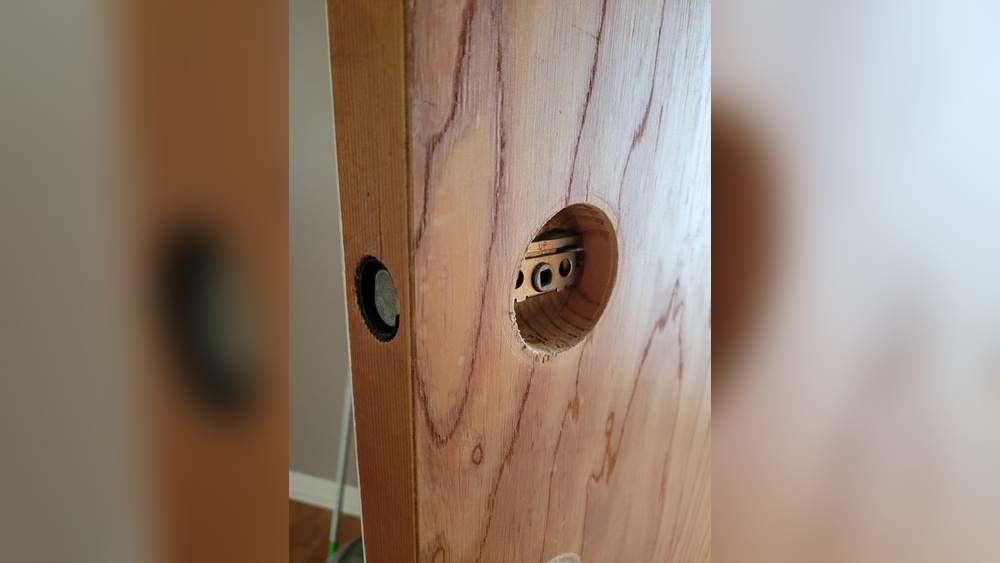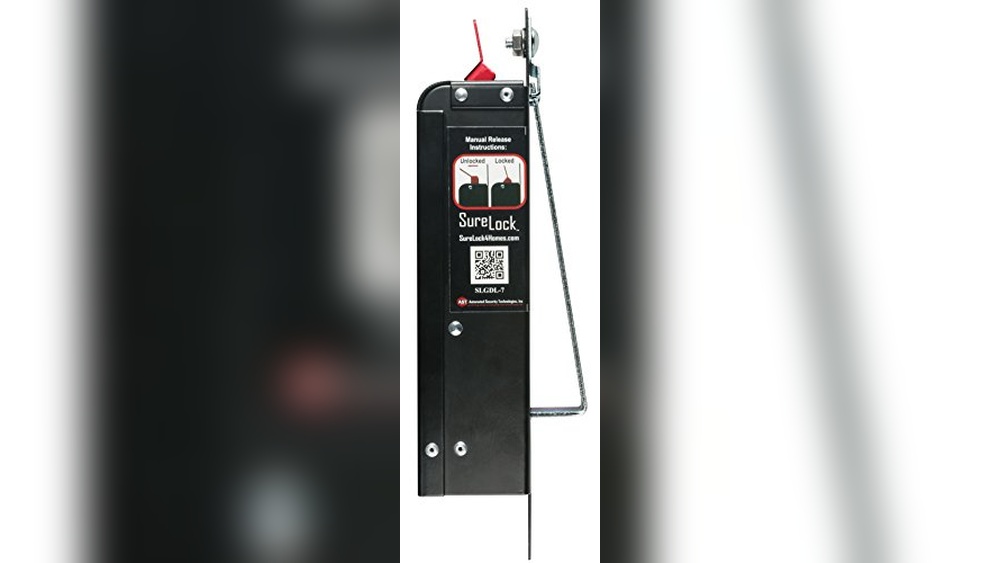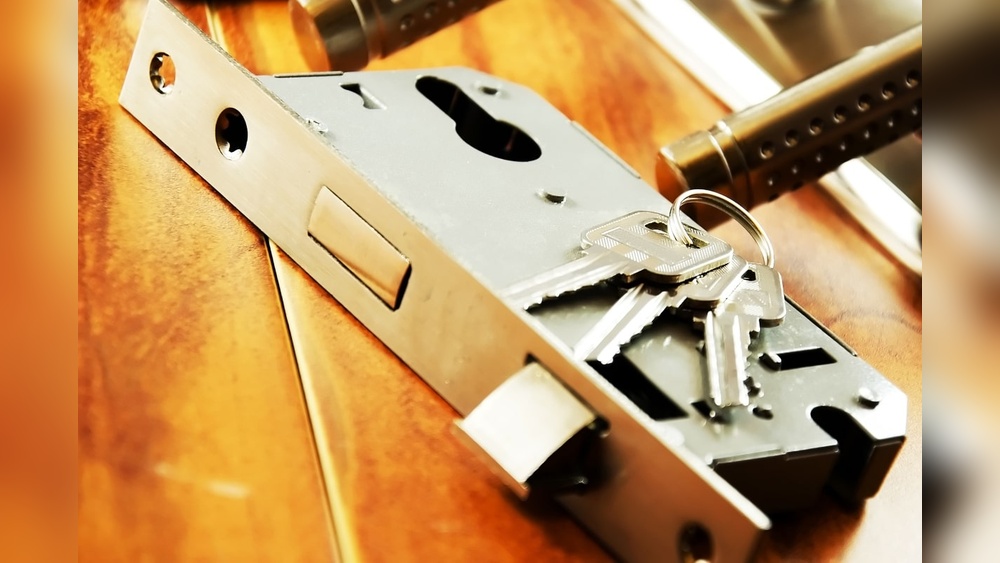
Is your deadbolt lock stuck or refusing to turn? A malfunctioning deadbolt can leave your home vulnerable and cause unnecessary stress.
But before you call a locksmith or replace the entire lock, there’s a good chance you can fix it yourself. In this guide, you’ll discover simple, step-by-step ways to repair your deadbolt lock quickly and safely. Keep reading to regain control of your door’s security without spending a fortune or waiting for help.
Your peace of mind is just a few easy fixes away.
Signs Of A Faulty Deadbolt
A deadbolt lock is important for your home’s security. It keeps your doors safe from intruders. Knowing the signs of a faulty deadbolt can save you trouble and money. Catching problems early helps you fix the lock before it fails completely.
Faulty deadbolts show clear signs. These signs often affect how the lock works. Watch for these problems to know when repair is needed.
Lock Sticking Or Jammed
A deadbolt that sticks or jams can be frustrating. It may take extra force to turn the lock. Dirt, rust, or worn parts often cause this issue. A sticking lock can leave your door insecure.
Key Won’t Turn
If the key won’t turn inside the lock, there is a problem. The lock cylinder could be damaged or dirty. Sometimes the key itself is worn out. This issue stops you from locking or unlocking the door.
Loose Deadbolt
A deadbolt that feels loose can be unsafe. The lock may wiggle or move when you push it. Loose screws or worn parts usually cause this. A loose deadbolt may not lock the door properly.
Misaligned Strike Plate
The strike plate is where the deadbolt slides in. If it is misaligned, the bolt won’t fit right. Your door may not close fully or lock securely. This problem often happens after door or frame shifts.
Credit: www.yellowpages.ca
Tools Needed For Repair
Fixing a deadbolt lock is easier with the right tools. Having these tools ready saves time and effort. They help you handle screws, clean parts, and replace broken pieces. Here are the main tools you need for a smooth repair process.
Screwdrivers And Wrenches
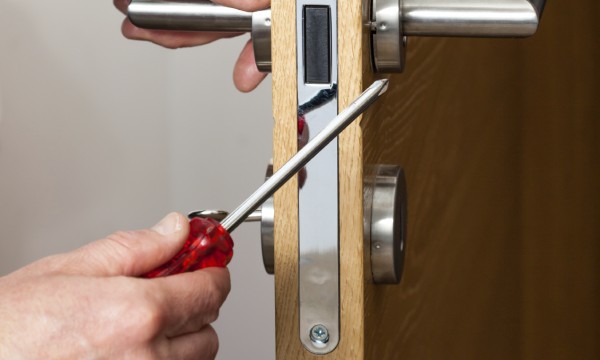
Screwdrivers are essential for removing screws from the lock. A flathead and a Phillips screwdriver cover most types of screws. Wrenches help loosen or tighten nuts on the lock mechanism. Having both adjustable and fixed-size wrenches is useful. These tools allow you to open the lock housing safely.
Lubricants And Cleaners
Lubricants make the lock parts move smoothly again. Use a graphite powder or a silicone-based spray. Avoid oil-based lubricants as they attract dirt. Cleaners remove dust and grime from inside the lock. A small brush or compressed air can clear out debris. Clean parts improve the lock’s function and lifespan.
Replacement Parts
Some lock parts wear out and need replacing. Common parts include springs, screws, and the cylinder. Check the lock brand to buy the right replacements. Keep spare parts handy to fix issues quickly. Using correct parts ensures the lock works safely and correctly.
Basic Deadbolt Troubleshooting
Basic deadbolt troubleshooting helps fix common lock problems fast. Small issues often stop deadbolts from working right. Checking the lock carefully can save time and money. Simple steps can bring the lock back to life. Here are easy ways to solve common deadbolt troubles.
Cleaning And Lubricating The Lock
Dirt and dust can block deadbolt parts from moving smoothly. Use a soft brush or cloth to clean the keyhole and bolt. Avoid using oil sprays that attract more dust. Apply a graphite powder or silicone spray to the lock for smooth action. This helps the bolt slide easily without sticking.
Tightening Loose Screws
Loose screws can cause the lock to misalign or feel wobbly. Check all screws on the lock and door handle. Use a screwdriver to tighten any loose screws carefully. Secure screws keep the lock steady and working properly. Don’t overtighten, or you might strip the screw heads.
Realigning The Strike Plate
The strike plate is where the bolt fits into the door frame. Misalignment can stop the deadbolt from locking or unlocking. Check if the bolt hits the strike plate correctly. Move the strike plate slightly up, down, or sideways to fix alignment. Tighten the screws after adjusting to hold it in place.

Credit: www.youtube.com
Fixing A Jammed Deadbolt
A jammed deadbolt can stop your door from locking or unlocking properly. Fixing it involves a few careful steps. You need to open the lock, check inside, and swap out bad parts. This way, the deadbolt works smoothly again.
Removing The Lock Cylinder
First, find the screws holding the lock in place. Use a screwdriver to take them out. Pull the lock cylinder gently from the door. This gives you access to the inside parts of the deadbolt.
Inspecting Internal Components
Look inside the lock cylinder for broken or stuck pieces. Check the bolt, springs, and pins for any dirt or damage. Clean out dust or grease that might block movement. This helps you see what causes the jam.
Replacing Damaged Parts
Remove any broken springs, pins, or other parts carefully. Buy new parts that match your lock model. Put the new pieces in the right spots inside the cylinder. Test the lock before putting it back on the door.
Replacing A Deadbolt Lock
Replacing a deadbolt lock is a simple way to improve home security. It also fixes problems with a broken or old lock. This guide helps you change your deadbolt step-by-step. No special skills needed. Just a few tools and some patience.
Choosing The Right Deadbolt
Select a deadbolt that fits your door. Look for one with strong metal parts. A grade 1 or 2 deadbolt offers good security. Check the lock size and style. Make sure it matches your door thickness and existing holes.
Removing The Old Lock
Start by unscrewing the screws on the inside part of the lock. Remove the thumb turn and the interior plate. Next, pull out the lock cylinder from the door edge. Take out the latch by unscrewing it from the door. Keep the screws safe for later use.
Installing The New Lock
Insert the new latch into the door edge. Secure it with screws tightly. Place the exterior part of the lock on the outside of the door. Align the lock cylinder through the latch hole. Attach the interior plate and thumb turn. Tighten all screws without over-tightening. Test the lock by turning the key and thumb turn.
Preventive Maintenance Tips
Preventive maintenance helps keep your deadbolt lock working smoothly. Small efforts save you time and money. Regular checks catch problems early. Follow these tips to extend your lock’s life and avoid repairs.
Regular Cleaning Schedule
Dust and dirt can block your deadbolt. Clean the lock every few months. Use a soft cloth to wipe the surface. Avoid harsh chemicals that can damage the finish. Keep the keyhole clear by blowing out dust gently.
Lubrication Best Practices
Lubricate your deadbolt twice a year. Use a graphite powder or silicone spray. Avoid oil-based lubricants that attract dirt. Spray a little inside the keyhole and on the bolt. Work the key in and out to spread the lubricant.
Checking Alignment Periodically
Check the lock and strike plate alignment often. Misalignment causes the bolt to stick or jam. Close the door slowly to see if the bolt fits smoothly. Adjust the strike plate screws if needed. Proper alignment prevents damage and makes locking easy.

Credit: www.youtube.com
Frequently Asked Questions
How Do I Fix A Deadbolt That Won’t Turn?
First, check if the lock is jammed with debris or rust. Lubricate the lock with graphite powder. Tighten any loose screws. If it still won’t turn, consider replacing the lock cylinder or calling a locksmith.
Why Is My Deadbolt Key Stuck Inside?
A stuck key usually means the lock is misaligned or dirty. Avoid forcing the key. Spray lubricant inside the keyhole and gently wiggle the key. If it remains stuck, the lock may need professional repair or replacement.
Can I Repair A Deadbolt Without Removing It?
Minor issues like lubrication or tightening screws can be done without removal. For internal problems, removing the deadbolt is often necessary. Always ensure the lock is accessible and consider safety before attempting repairs.
What Tools Are Needed To Repair A Deadbolt Lock?
You will need a screwdriver, lubricant (graphite powder), replacement screws, and possibly a new lock cylinder. A flashlight helps inspect inside the lock. Having these tools ready makes the repair process smoother and faster.
Conclusion
Repairing a deadbolt lock can save time and money. Small fixes often solve common problems quickly. Follow each step carefully for best results. Keep tools ready before you start the repair. If issues persist, consider calling a professional locksmith. Regular maintenance helps locks work smoothly for years.
Stay safe by ensuring your lock functions well. Simple care makes your home more secure. Try these tips to keep your deadbolt working right.