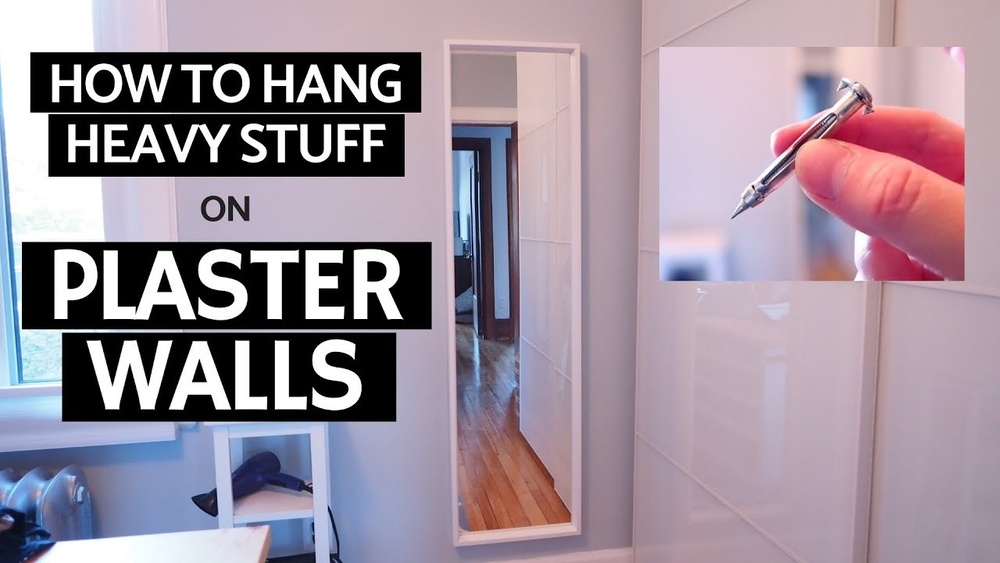
Are you ready to hang a cabinet but unsure how to secure it to your plaster wall? You’re not alone.
Plaster walls can be tricky, and using the wrong method might leave your cabinet loose or even cause damage. But don’t worry—this guide will walk you through simple, step-by-step instructions to anchor your cabinet safely and securely. By the end, you’ll have the confidence to tackle this project and enjoy a sturdy, reliable cabinet that stays put.
Keep reading to discover the easy techniques that make all the difference.
Tools And Materials Needed
Anchoring a cabinet to a plaster wall requires the right tools and materials. Using proper equipment ensures safety and durability. This section lists everything needed for a secure installation. Prepare these items before starting your project for smooth work.
Essential Tools
A power drill is necessary for making holes in plaster walls. Use a drill bit that matches the size of your anchors. A screwdriver helps tighten screws without damaging the wall or cabinet. A stud finder locates wooden beams behind the plaster for stronger support.
Measuring tape ensures precise placement of the cabinet. A level keeps the cabinet straight and balanced. Pencil marks the spots for drilling. Safety goggles protect your eyes from dust and debris.
Recommended Anchors
Plastic expansion anchors are simple and work well in light plaster walls. For heavier cabinets, metal toggle bolts offer extra strength. Molly bolts expand behind the wall for solid hold in hollow plaster. Choose anchors rated for the cabinet’s weight to avoid accidents.
Make sure anchors fit the screw size and wall thickness. Using the right anchor type increases stability. Avoid using nails or weak anchors that can pull out easily.
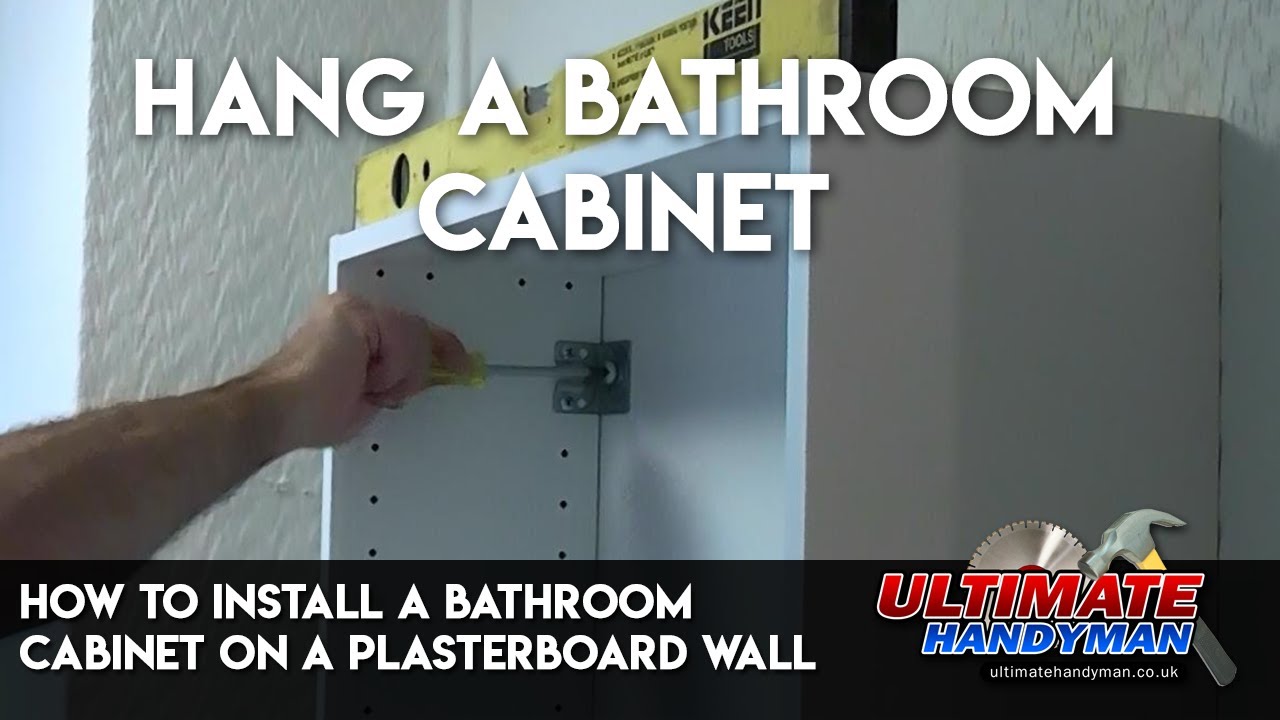
Credit: www.youtube.com
Preparing The Wall
Preparing the wall is a key step before anchoring your cabinet to a plaster wall. It ensures the cabinet is secure and safe. Proper preparation helps avoid damage to the wall and keeps your cabinet stable over time.
Start by finding the strongest points on the wall. Then, mark exactly where you will place the anchors. This careful preparation makes the installation process easier and more effective.
Locate Studs
Studs are the wooden beams behind the plaster wall. They provide solid support for your cabinet. Use a stud finder tool to locate the studs. Move the tool slowly across the wall. Listen for a beep or watch the indicator light. These signs show where a stud is behind the plaster.
Mark the stud locations lightly with a pencil. Avoid making big marks on the wall. Studs usually run vertically and are spaced 16 to 24 inches apart. Finding them is important because screws hold best in studs, not just plaster.
Mark Anchor Points
After locating studs, decide where the cabinet will hang. Measure the cabinet width and height. Use a level to draw a straight line on the wall. This line shows the top edge of the cabinet.
Mark the anchor points along this line where the studs are. These points are where you will drill holes. Use a pencil to make small marks. Check the marks twice to ensure accuracy. Proper marking helps you drill in the right spots, keeping the cabinet steady.
Choosing The Right Anchor
Choosing the right anchor is key to a secure cabinet installation on plaster walls. Plaster walls can be fragile and need special care. The right anchor holds the cabinet firmly without damaging the wall. It also ensures safety and durability. Understanding different anchors and their uses helps you select the best one for your project.
Types Of Anchors For Plaster
There are several anchors designed for plaster walls. Plastic expansion anchors work well for light loads. They expand inside the hole to grip the wall. Molly bolts are metal anchors that spread behind the wall. They offer strong support for medium to heavy items. Toggle bolts have wings that open inside the wall cavity. They hold very heavy cabinets securely. Choose an anchor based on the cabinet size and wall strength.
Weight Considerations
The cabinet weight affects the anchor choice greatly. Light cabinets need simple plastic anchors. Medium-weight cabinets require stronger molly bolts. Heavy cabinets must use toggle bolts or anchors into studs. Always check the weight limit of the anchor. Distributing the weight with multiple anchors increases safety. Overloading an anchor can cause wall damage or cabinet falls. Match the anchor strength to the total cabinet weight for best results.
Credit: www.reddit.com
Drilling Pilot Holes
Drilling pilot holes is a key step to anchor cabinets on plaster walls. It helps guide screws straight and prevents plaster from cracking. Proper pilot holes make the cabinet secure and stable. This step saves time and effort during installation.
Selecting Drill Bits
Choose the right drill bit size for your wall anchors or screws. Use a bit slightly smaller than the screw’s diameter. This ensures a tight fit and strong hold.
For plaster walls, use a masonry or carbide-tipped drill bit. These bits can handle the hard surface without breaking. Avoid using wood bits as they may damage the plaster.
Drilling Techniques
Mark the spots where you want to drill pilot holes. Use a pencil or tape to avoid mistakes. Hold the drill steady and start at a slow speed.
Apply gentle pressure to avoid cracking the plaster. Drill straight into the wall, not at an angle. If plaster dust builds up, clean it to keep the hole clear.
Drill only deep enough for the anchor or screw length. Stop and check the hole before proceeding. This method prevents damage and ensures a secure hold.
Installing Anchors
Installing anchors is key to securing cabinets on plaster walls. Plaster walls are fragile and need special care. The right anchors hold weight and keep cabinets stable. Choose the anchor type based on wall strength and cabinet size. Follow steps carefully for safe installation.
Inserting Plastic Anchors
Start by drilling a small hole in the plaster. The hole should match the plastic anchor size. Push the plastic anchor gently into the hole. Tap it lightly with a hammer if needed. The anchor grips the wall and prevents screws from pulling out. Screw the cabinet bracket into the plastic anchor. Avoid overtightening, which can break the plaster or anchor.
Using Toggle Bolts
Toggle bolts work well for heavy cabinets on plaster walls. Drill a hole large enough for the folded toggle bolt wings. Insert the toggle bolt through the cabinet bracket and into the hole. The wings open behind the plaster, creating a strong hold. Pull the bolt gently outward while tightening the screw. This secures the cabinet firmly without damaging the wall. Toggle bolts spread weight over a larger area, reducing plaster cracks.
Mounting The Cabinet
Mounting the cabinet on a plaster wall requires careful steps to ensure safety and stability. This part is crucial because a loose cabinet can cause damage or injury. Follow these simple instructions to mount your cabinet securely and correctly.
Aligning The Cabinet
First, hold the cabinet against the wall where you want to mount it. Use a level to check if it is straight. Mark the top edge and the sides lightly with a pencil. Make sure the cabinet is at the right height for easy access. Double-check the alignment before drilling any holes.
Securing With Screws
Next, drill pilot holes through the cabinet back panel into the wall studs. Use a stud finder to locate the studs behind the plaster. Insert screws long enough to go through the cabinet and deep into the studs. Tighten the screws firmly but avoid over-tightening to prevent damage. Check the cabinet again to confirm it is secure and level.
Safety Tips
Safety is very important when anchoring cabinets to plaster walls. Taking simple safety steps protects you and the wall. It also helps the cabinet hold strong over time.
Protective Gear
Wear safety glasses to protect your eyes from dust and debris. Use gloves to avoid cuts from tools or sharp edges. A dust mask helps prevent breathing in plaster dust. Dress in clothes that cover your arms and legs.
Avoiding Wall Damage
Check the wall for wires or pipes before drilling. Use a stud finder to locate solid spots. Drill slowly to stop cracks or holes from spreading. Use the right anchors for plaster walls to keep the cabinet secure. Fill small holes carefully to keep the wall smooth.
Troubleshooting Common Issues
Troubleshooting common issues helps keep cabinets secure on plaster walls. Some problems occur often during installation. Knowing how to fix them saves time and effort. This section covers two main issues: loose anchors and cracks in plaster.
Loose Anchors
Loose anchors cause cabinets to wobble or fall. This happens if the hole is too big or the anchor is weak. Remove the anchor and fill the hole with wood filler or plaster. Let it dry completely. Drill a smaller hole for a tighter fit. Use a stronger anchor like toggle bolts or molly bolts. Tighten screws carefully to avoid damaging the wall.
Cracks In Plaster
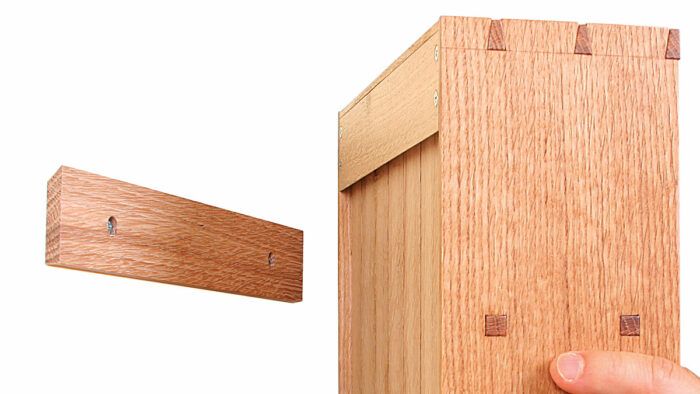
Cracks appear around the anchor or cabinet edges. This shows stress on the plaster from weight or movement. Small cracks need filling with plaster or spackle. For larger cracks, use mesh tape before plaster. Avoid over-tightening screws. Spread the cabinet’s weight evenly with a mounting board. Check the wall condition before installation to prevent cracks.
Credit: www.finewoodworking.com
Frequently Asked Questions
How Do You Find Studs Behind Plaster Walls?
Use a stud finder or tap the wall gently. Studs sound solid and are spaced about 16 inches apart. Mark these points before anchoring your cabinet for secure support.
What Anchors Work Best For Plaster Walls?
Toggle bolts and molly bolts are ideal for plaster walls. They provide strong support by expanding behind the wall, ensuring your cabinet stays firmly attached.
Can I Anchor Cabinets Without Studs In Plaster Walls?
Yes, use heavy-duty wall anchors like toggle bolts for secure mounting. Avoid regular screws, as plaster is brittle and may crack or fail without proper anchors.
How To Prevent Plaster Cracking When Anchoring Cabinets?
Drill pilot holes slightly smaller than the anchor size. Use gentle pressure and avoid overtightening screws. This prevents cracks and ensures a stable cabinet mount.
Conclusion
Anchoring a cabinet to a plaster wall is easier than you think. With the right tools and steps, you can do it safely and securely. Take your time to find studs or use proper anchors to hold the weight. Double-check your work to avoid accidents later.
This simple process helps keep your cabinet stable and your room tidy. Now, you can enjoy your organized space with confidence. Ready to start your next home project?


