
Have you ever stuck a hook on your wall only to struggle when it’s time to take it down? Sticky hooks are great for hanging things without nails or drills, but removing them can leave behind marks, damage paint, or even pull off chunks of your wall.
If you want to get your wall looking perfect again without any hassle, you’re in the right place. This guide will show you simple, effective ways to take sticky hooks off your wall safely and cleanly. Keep reading, and you’ll learn easy tricks that save your walls and your sanity.
Types Of Sticky Hooks
Sticky hooks come in various types, each designed for different uses and surfaces. Knowing their types helps you remove them without damage. Some hooks hold light items, while others support heavier objects. The material and design affect how they stick and come off.
Common Materials Used
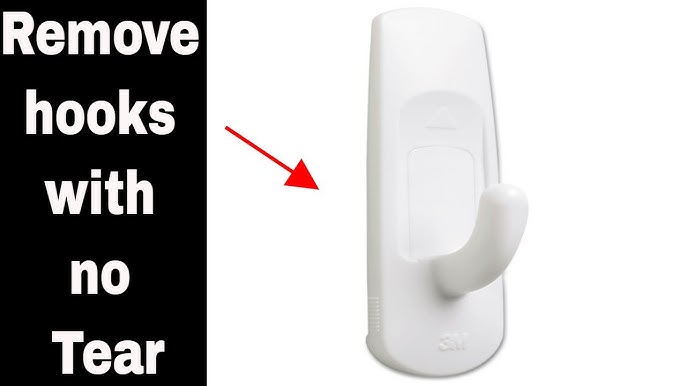
Most sticky hooks use plastic or metal for the hook part. The sticky side often has adhesive tape or glue. Some use gel pads or foam to increase grip. The adhesive varies in strength, affecting how easy it is to remove. Hooks with strong glue may leave residue behind.
Surface Compatibility
Sticky hooks work best on smooth, clean surfaces. Walls made of painted drywall, tile, glass, or metal are common choices. Rough or porous surfaces like brick or textured wallpaper may not hold well. Some hooks are designed for specific surfaces to avoid damage. Always check the packaging for surface recommendations.

Credit: www.youtube.com
Preparing For Removal
Preparing to remove sticky hooks from walls makes the process easier and safer. Taking time to get ready helps avoid damage and frustration. Gather all tools first, then protect the wall surface before starting.
Gathering Necessary Tools
Collect items to remove sticky hooks smoothly. You will need a hairdryer to warm the adhesive. A plastic card or old credit card helps lift the hook gently. Keep a soft cloth or sponge ready for cleaning. Mild soap and water can remove leftover sticky residue. Have some rubbing alcohol on hand for stubborn spots.
Protecting Wall Surfaces
Protect the wall from scratches or peeling paint. Use painter’s tape around the hook area. This tape helps shield the wall during removal. Avoid metal tools that can dig into the paint. Work carefully and slowly to keep the wall intact. Soft cloths can cushion the surface while pulling the hook.
Quick Removal Techniques
Sticky hooks are great for hanging things without nails. Removing them can be tricky. Quick removal techniques help take off hooks without damaging walls. These methods use simple tools and little effort. Follow these tips for easy and safe hook removal.
Using Heat To Loosen Adhesive
Heat softens the glue behind sticky hooks. Use a hairdryer on low or medium heat. Hold it close to the hook for about 30 seconds. The warm air makes the adhesive less sticky. Gently pull the hook away from the wall. If it feels tight, apply more heat. This method reduces wall damage and leaves less residue.
Applying Dental Floss Or Fishing Line
Dental floss or fishing line works like a thin saw. Slide the floss behind the hook’s base. Move it back and forth in a gentle sawing motion. This cuts through the adhesive without hurting the wall. Keep pulling the floss slowly as you saw. The hook will come off cleanly. This technique works best on flat surfaces.
Credit: www.youtube.com
Alternative Methods
Removing sticky hooks from walls can sometimes be tricky. Some adhesives leave residue or damage paint. Alternative methods help remove hooks safely and cleanly. These ways use common household items that break down the glue.
Try these methods to take off sticky hooks without ruining your walls.
Using Rubbing Alcohol Or Vinegar
Rubbing alcohol or vinegar softens sticky glue on the wall. Dampen a cloth with either liquid. Gently rub the glue area to loosen the adhesive. Wait a few minutes to let it soak in.
After the glue softens, peel the hook off slowly. Clean the leftover sticky spots with the same cloth. These liquids evaporate fast and won’t harm most paints.
Employing Oil-based Solutions
Oil-based solutions like cooking oil or baby oil break down sticky glue. Apply a small amount on a cloth or cotton ball. Rub the glue residue carefully to dissolve it. Let it sit for a few minutes.
Once the glue is soft, remove the hook gently. Wipe the area with a clean cloth to remove oil and glue. This method works well on painted walls and wood surfaces.
Dealing With Residue
Sticky hooks often leave behind sticky residue on walls. This leftover adhesive can attract dust and dirt. It may also cause discoloration or damage paint. Removing residue carefully keeps walls clean and smooth. Use gentle methods to avoid harming the wall surface.
Safe Adhesive Removers
Choose mild adhesive removers to protect your walls. Rubbing alcohol works well on many residues. Apply it on a soft cloth, then gently rub the sticky area. Vegetable oil or peanut butter can also loosen adhesive. Test any remover on a small spot first. Avoid harsh chemicals that can strip paint.
Cleaning And Touching Up Walls
After removing residue, clean the wall with warm soapy water. Use a soft cloth to avoid scratches. Dry the area fully before applying touch-up paint. Match the paint color carefully for a smooth finish. Small touch-ups make walls look fresh and new. Regular cleaning helps prevent future sticky buildup.
Preventing Wall Damage
Sticky hooks are great for hanging things without nails. Removing them can be tricky and might harm your wall. Protecting your wall during removal is important to keep it smooth and clean. Taking care prevents holes, paint peeling, or marks.
Simple steps help stop damage. Use gentle methods and avoid force. This way, your wall stays fresh for new hooks or decorations later.
Best Practices For Removal
Start by pulling the hook slowly. Hold the base and stretch the adhesive strip straight down. Don’t pull it out or away from the wall. If the strip breaks, use heat from a hairdryer to soften the glue. Warm glue comes off easier.
Use a plastic card to lift any leftover sticky bits. Avoid metal tools that can scratch the wall. Clean the area with mild soap and water after removal. This removes residue without damaging paint.
Tips For Future Hook Use
Choose hooks made for your wall type. Some adhesives work better on smooth surfaces. Test a small area before placing a full hook. Avoid heavy items that exceed the hook’s limit.
Keep the wall clean and dry before applying hooks. Dust or moisture weakens the glue. Change hooks regularly to avoid strong bonds that are hard to remove. This keeps your walls safe and looking good.

Credit: www.reddit.com
Frequently Asked Questions
How Do I Remove Sticky Hooks Without Damaging Walls?
Gently pull the sticky hook’s tab parallel to the wall. Avoid yanking or pulling outward to prevent paint peeling or wall damage. Slowly stretch the adhesive strip until it releases cleanly.
Can Heat Help In Removing Sticky Hooks?
Yes, applying a hairdryer’s warm air softens the adhesive. This makes peeling the hook easier and less damaging to the wall surface.
What Household Items Help Remove Sticky Hook Residue?
Use rubbing alcohol or vinegar on a cloth to wipe away sticky residue. These solutions break down adhesive without harming most paint finishes.
Are Sticky Hooks Reusable After Removal?
Typically, sticky hooks lose their adhesive strength after removal. Most are designed for one-time use only and should be replaced for reliable hanging.
Conclusion
Removing sticky hooks from walls can be simple and quick. Start gently to avoid damage. Use heat or oil to loosen the adhesive. Pull slowly and steadily for best results. Clean any leftover residue carefully. These steps save your walls and keep them neat.
Try these tips next time you remove hooks. A little patience goes a long way. Your walls will thank you.


