Have you ever struggled to remove sticky hooks from your wall without leaving a mess or damaging the paint? You’re not alone.
Those little hooks can be a lifesaver for hanging pictures or organizing your space, but when it’s time to take them down, they often leave behind sticky residue or even pull off paint. The good news is, you don’t have to live with stubborn marks or ruined walls.
You’ll discover simple, effective ways to remove sticky hooks cleanly and easily. Keep reading, and you’ll learn how to protect your walls while saying goodbye to those pesky sticky spots for good.
Credit: www.velcro.com
Types Of Sticky Hooks
Sticky hooks come in many types. Each type serves a different purpose. Knowing these types helps you choose the right hook. It also makes removing hooks easier and safer for your walls.
Common Materials
Sticky hooks are made from plastic, metal, or wood. Plastic hooks are light and cheap. Metal hooks hold more weight and last longer. Wooden hooks look nice but may not hold heavy items.
Adhesive Varieties
Adhesives vary by strength and type. Some use glue, others use sticky tape. Removable adhesives leave no marks. Permanent adhesives stick very strong but may damage walls. Choose the adhesive based on wall type and item weight.
Weight Limits
Each hook has a weight limit. Small hooks hold light items like keys. Medium hooks support towels or small bags. Large hooks carry heavy items like coats or bags. Check the weight limit before use to avoid wall damage.
Preparing To Remove Hooks
Preparing to remove sticky hooks from your wall is an important first step. It helps avoid damage and makes the process smoother. Taking time to prepare means fewer problems later.
Gathering Supplies
Start by collecting all needed items. You will need a hair dryer, dental floss or fishing line, rubbing alcohol, and a clean cloth. These tools help loosen the adhesive and clean the surface. Having everything ready saves time and effort.
Clearing The Area
Remove any objects near the hook. Clear shelves, tables, or counters nearby. This prevents accidents and gives you space to work. Protect the floor with a towel or cloth to catch any drips or debris. A clean area keeps the process safe and easy.
Testing Adhesion
Check how firmly the hook sticks to the wall. Gently wiggle the hook side to side. See if it moves or feels stuck tight. Testing adhesion helps choose the best removal method. It also shows if extra care is needed to protect the wall.
Safe Removal Techniques
Removing sticky hooks from walls can be tricky. Using safe methods protects your paint and wall surface. Avoid harsh scraping or pulling. These techniques help keep your walls smooth and damage-free.
Peeling Slowly
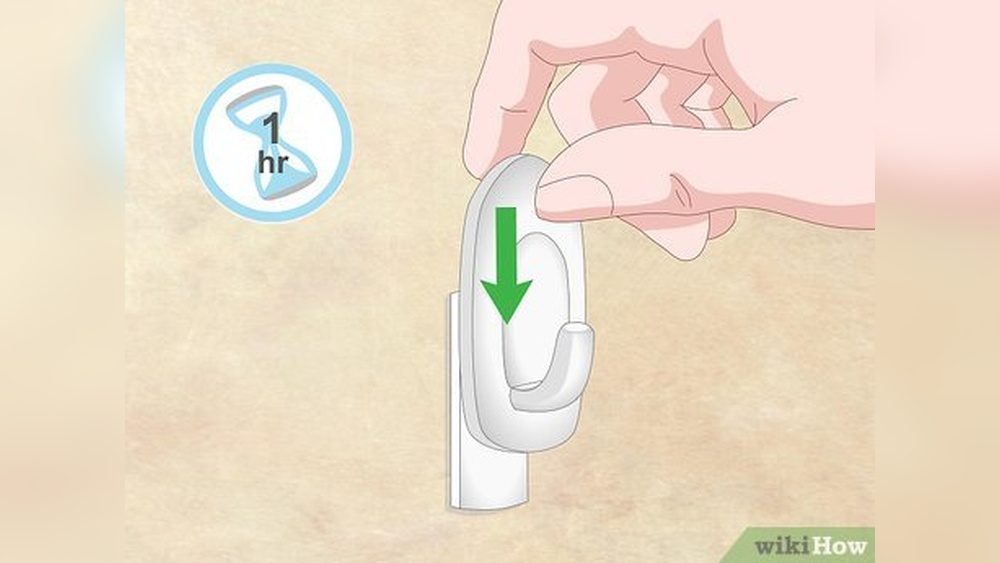
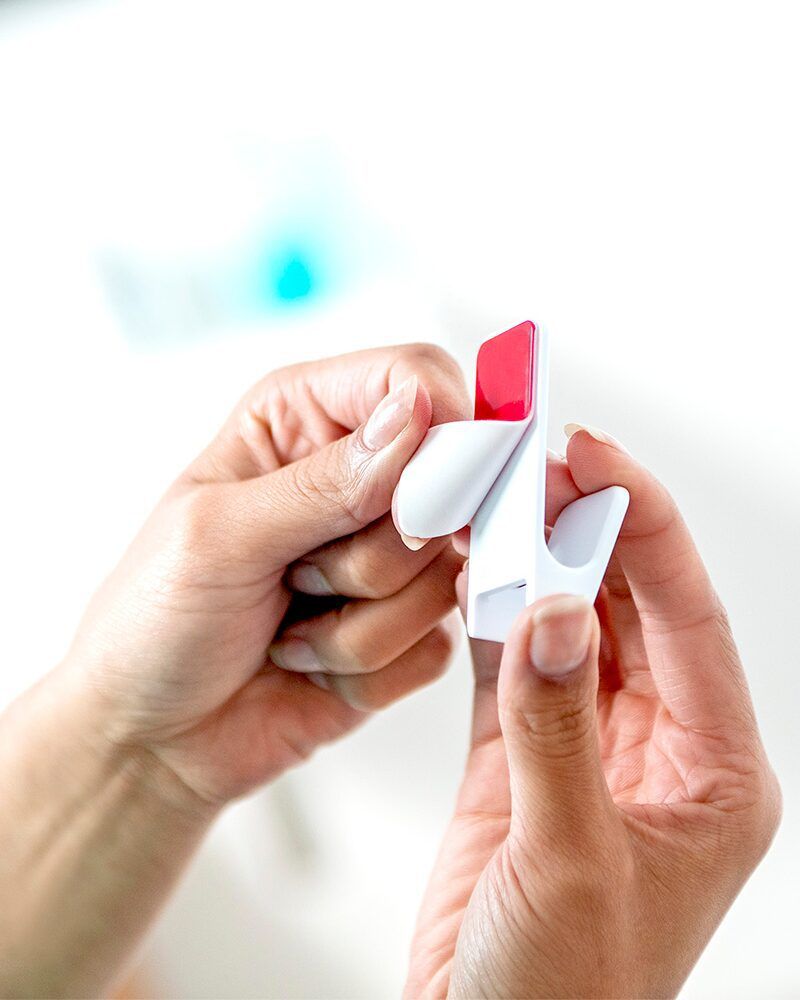
Start by peeling the hook slowly from the wall. Pull the tab straight down, not out or sideways. Stretching the adhesive gently helps it release without tearing paint. Keep a steady, slow motion. Quick yanks can cause damage.
Using Dental Floss
Slide dental floss behind the sticky hook’s base. Move it back and forth in a gentle sawing motion. The floss cuts through the adhesive without harming the wall. This method works well for delicate surfaces. Take your time for best results.
Applying Heat
Use a hairdryer on low heat to warm the adhesive. Hold it a few inches from the hook. Heat softens the glue and makes removal easier. After heating for one minute, try peeling again slowly. Heat reduces the risk of paint peeling off.

Credit: www.youtube.com
Handling Adhesive Residue
Removing sticky hooks from walls often leaves behind adhesive residue. This sticky leftover can attract dust and dirt. It also makes the wall look messy and uneven. Properly handling this residue is important for a clean finish. Several simple methods can help you remove it without damaging the wall.
Rubbing Alcohol
Rubbing alcohol is a common household item that works well on adhesive residue. Dab a small amount onto a cotton ball or cloth. Gently rub the sticky area in a circular motion. The alcohol breaks down the glue, making it easier to wipe away. Use a clean cloth to remove any leftover residue. Test a small area first to avoid wall damage.
Oil-based Removers
Oil-based products like cooking oil or baby oil can soften sticky residue. Apply a few drops directly onto the glue. Let it sit for five to ten minutes. The oil loosens the adhesive, which you can then wipe off with a cloth. Clean the wall afterward with mild soap and water to remove oily traces.
Commercial Cleaners
Specialized commercial cleaners target adhesive residue effectively. These products are designed to break down sticky glue without harming surfaces. Follow the instructions on the label carefully. Apply the cleaner to the residue and wait as directed. Use a soft cloth or sponge to wipe the area clean. Rinse the wall with water to remove any chemical remnants.
Preventing Wall Damage
Removing sticky hooks from walls can be tricky. The goal is to keep the wall safe and clean. Preventing wall damage helps maintain your room’s look. Simple steps can protect paint and the surface. Even small scratches can be fixed quickly.
Avoiding Paint Peeling
Peeling paint happens when you pull hooks too fast. Pull slowly and gently at an angle. Use heat from a hair dryer to soften the glue. This makes the hook easier to remove. Always follow the product’s instructions for best results.
Protecting Wall Surface
Sticky hooks can leave marks or dents. Press the hook firmly when attaching it. Avoid placing hooks on fragile or wet walls. Clean the wall surface before applying hooks. This helps the adhesive stick better and reduces damage.
Repairing Minor Marks
Small marks or holes can be fixed easily. Use a soft cloth with warm water to clean the area. For tiny holes, apply a small amount of spackle. Let it dry, then sand lightly for a smooth finish. Paint over the spot to match your wall color.

Credit: www.youtube.com
Alternatives To Sticky Hooks
Sticky hooks are popular but not always the best choice for every wall or object. Some walls get damaged or sticky hooks lose grip over time. Many people want a better way to hang things without marks or mess. Here are some simple and effective alternatives to sticky hooks. Each offers its own benefits and fits different needs.
Command Strips
Command strips are strong and easy to use. They hold well without nails or screws. These strips peel off cleanly, leaving no marks. Perfect for renters or those who change wall decor often. They come in various sizes for light or heavy items. Great for pictures, small shelves, and decorations.
Nails And Screws
Nails and screws provide a sturdy hold for heavy objects. They work well on solid walls like wood or drywall. Use a drill or hammer to install them. Though they leave small holes, these are easy to cover with putty. Best for items that need strong support, like large frames or shelves.
Magnetic Hooks
Magnetic hooks stick to metal surfaces without damage. They are perfect for refrigerators, metal doors, or filing cabinets. You can move them anytime without leaving marks. Great for hanging keys, utensils, or light tools. Magnets offer a simple and reusable option for metal spaces.
Frequently Asked Questions
How Can I Safely Remove Sticky Hooks From Walls?
Gently pull the sticky hook straight down, not outward. Use dental floss or a hairdryer to loosen the adhesive if needed. Avoid damaging paint or wallpaper by going slow and steady.
What Household Items Help Remove Sticky Hooks Easily?
Use dental floss to saw behind the hook’s adhesive. A hairdryer on low heat softens the glue. Rubbing alcohol can remove leftover residue without harming most surfaces.
Will Sticky Hooks Damage Painted Walls?
Sticky hooks can damage paint if removed incorrectly. Pulling slowly and using heat reduces risk. Test a small area first for safety.
How Do I Remove Sticky Hook Residue From Walls?
Apply rubbing alcohol or adhesive remover on residue. Let it sit for a few minutes. Wipe gently with a soft cloth until clean.
Conclusion
Removing sticky hooks from walls is simple with the right steps. Warm the adhesive gently to make it soft. Pull the hook slowly to avoid wall damage. Clean any leftover residue using mild soap or oil. Take your time and be patient during the process.
These tips help keep your walls neat and smooth. Now, you can remove sticky hooks without stress or mess. Try these easy steps next time you need to take down a hook.