Have you ever wished you could control your lights without getting up? Imagine turning your lamps on or off with just a click, even from across the room.
Remote light switches make this possible, adding convenience and a touch of magic to your everyday life. But how exactly do these switches work behind the scenes to give you that effortless control? Keep reading, and you’ll discover the simple technology powering remote light switches and how they can transform your home experience.
Credit: moeshouse.com
Basics Of Remote Light Switches
Remote light switches let you control lights without touching the wall switch. They work by sending signals from a remote control to the light fixture. This allows you to turn lights on or off from a distance. These switches are common in homes and offices for convenience and energy saving.
Understanding how these switches work starts with knowing their main parts and the types available. This knowledge helps in choosing the right switch for your needs.
Components Involved
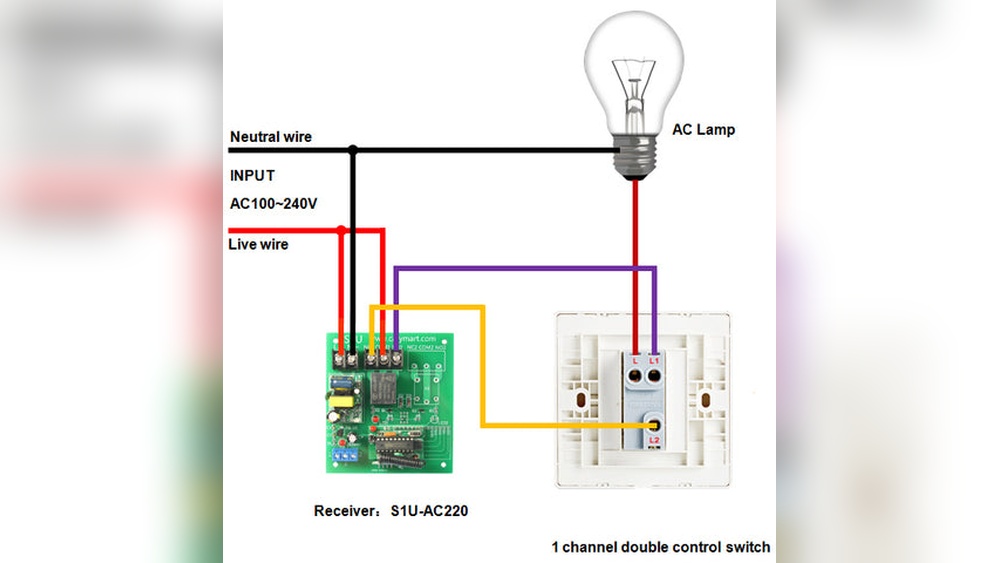
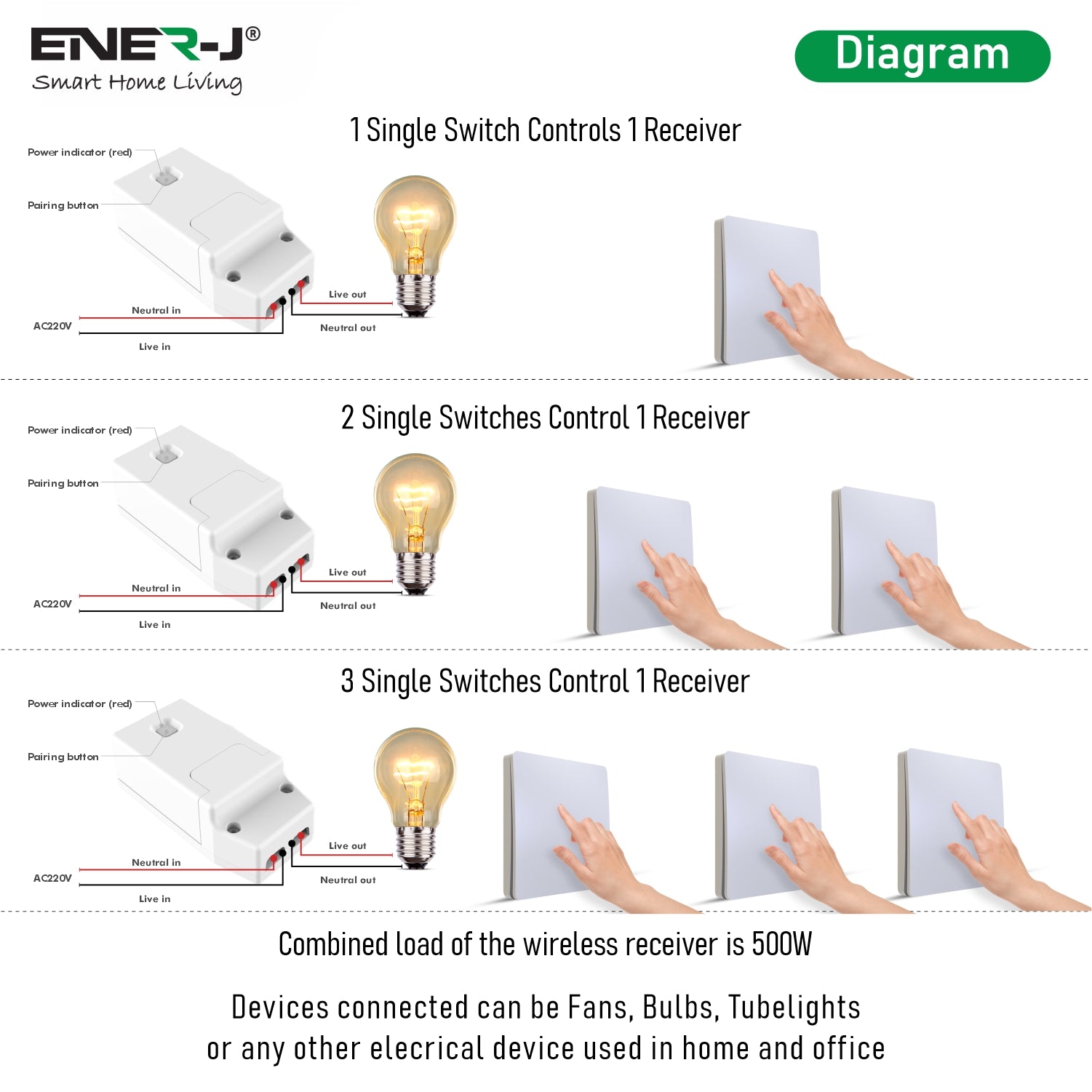
Remote light switches have a few key parts. First is the remote control, which sends commands. Second is the receiver, usually inside or near the light fixture. The receiver gets the signal and changes the light’s state.
Some systems also include a power source, like batteries or wiring to the main electricity. The remote uses radio waves or infrared signals to communicate. These parts work together to make switching easy and wireless.
Types Of Remote Switches
There are several types of remote light switches. One type is the RF (radio frequency) switch, which works through walls and over long distances. Another is the infrared (IR) switch, needing a clear line of sight.
Some switches connect through Wi-Fi, letting you control lights with a smartphone. Others use Bluetooth for short-range control. Each type has its own benefits depending on your home setup.

Credit: www.amazon.com
Wireless Communication Methods
Remote light switches use wireless signals to send commands from a remote control to the light fixture. These signals travel through the air without any wires. Different wireless methods help these switches work effectively in various settings. The most common ways are radio frequency, infrared, and Wi-Fi or Bluetooth. Each method has its own way of sending signals and reaching the light.
Radio Frequency Signals
Radio frequency (RF) signals use radio waves to communicate. These waves can pass through walls and furniture. This makes RF signals ideal for controlling lights in different rooms. The remote sends an RF signal to a receiver connected to the light. The receiver then turns the light on or off. RF signals work well over longer distances than other methods.
Infrared Signals
Infrared (IR) signals use light waves just outside the visible range. These signals need a clear line of sight between the remote and the light receiver. Walls or objects can block the signal. IR is common in simple remote switches. It works best in the same room without obstacles. Infrared signals use less power but have a shorter range than RF.
Wi-fi And Bluetooth
Wi-Fi and Bluetooth connect remote switches using smart home networks. Wi-Fi uses your home internet to control lights from anywhere. Bluetooth connects devices directly over short distances. These methods allow more control options, like smartphone apps. Wi-Fi and Bluetooth switches often include features like scheduling and voice control. They need more power but offer advanced functions.
Power Sources And Energy Efficiency
Remote light switches rely on different power sources to function. These sources affect how energy-efficient the switches are. Understanding these options helps in choosing the right switch for your home or office.
Energy efficiency matters. It lowers electricity bills and reduces battery waste. Some switches use batteries, while others connect directly to your home’s electrical system.
Battery-powered Switches
Battery-powered switches work without wires. They use small batteries to send signals to the light fixture. These switches are easy to install and move around.
They consume very little power. Many use special low-energy chips to save battery life. Batteries may last months or even years before needing replacement.
These switches are perfect for places without easy access to wiring. They offer flexibility but require battery checks to stay reliable.
Hardwired Options
Hardwired switches connect directly to your home’s electricity. They do not need batteries and offer constant power.
This type is more stable and often faster to respond. It suits homes with existing wiring or new construction projects.
Hardwired switches may use less energy overall. They avoid battery waste and can support smart features that require steady power.
Integration With Smart Home Systems
Remote light switches easily fit into smart home setups. They connect your lighting to other smart devices. This helps you control lights with more options and less effort.
Integration means your lights work with your home’s system. You can manage them from one place. This makes daily routines smoother and saves energy.
Compatibility With Voice Assistants
Many remote light switches work with voice assistants. Amazon Alexa, Google Assistant, and Apple Siri are common examples. You can turn lights on or off using simple voice commands. This hands-free control is useful when your hands are full or in the dark.
Voice commands also allow dimming and changing light colors. This adds convenience and comfort to your home. Setup is usually easy, linking the switch to your assistant’s app.
App Control And Automation
Remote switches connect to mobile apps for easy control. Apps let you switch lights on or off from anywhere. You can set schedules to match your routine. This helps save energy and improves security.
Automation features link lights to other smart devices. For example, lights can turn on when you arrive home. Or they can turn off automatically when you leave. These options make your home smarter and more responsive.
Installation And Setup Tips
Installing and setting up remote light switches can seem tricky. Clear steps help the process go smoothly. Focus on wiring basics first, then move to pairing and configuration.
Wiring Basics
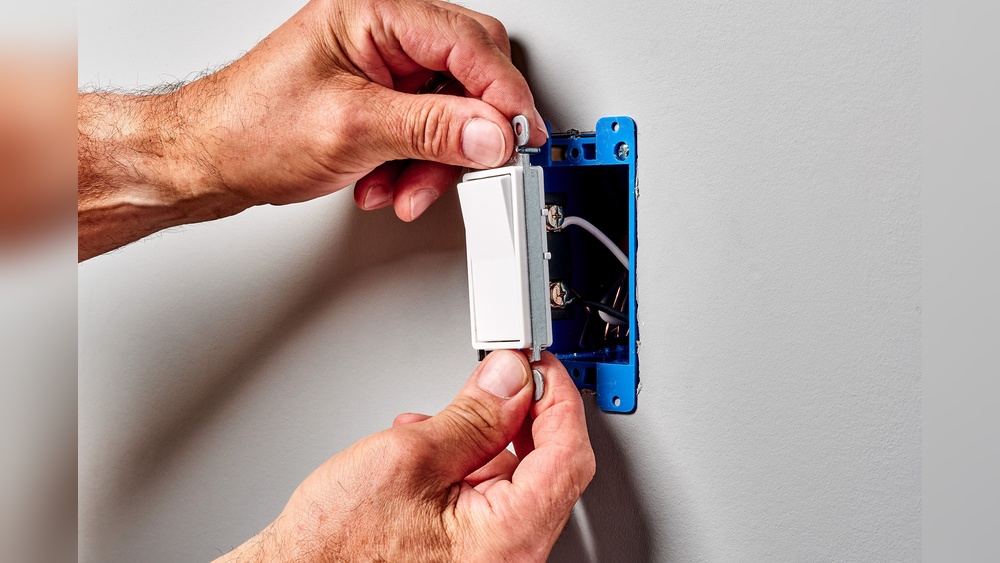
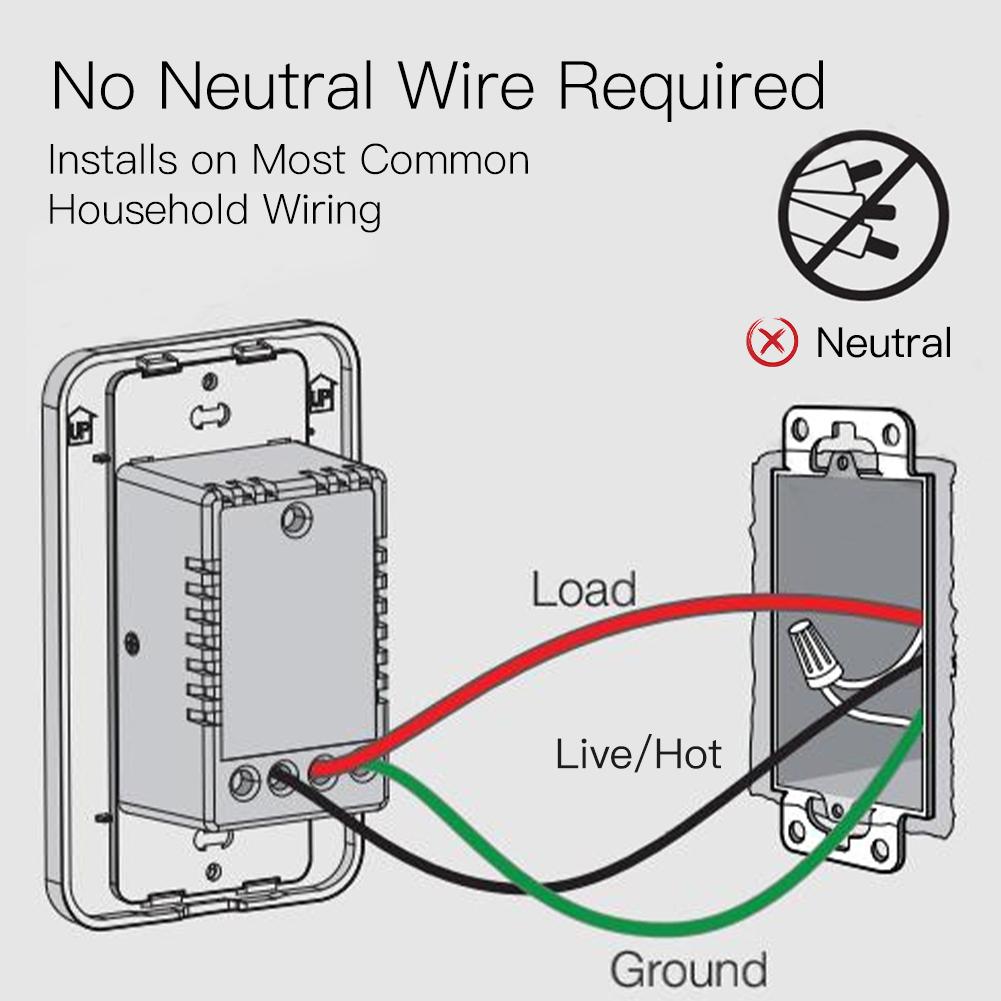
Turn off power at the breaker before starting any wiring. Identify the live wire, neutral wire, and ground wire in your wall box. Connect the remote switch wires to the matching wires carefully. Use wire nuts to secure connections. Check that all wires are tight and no copper is exposed. Attach the switch to the wall plate and tighten screws. Restore power and test the switch function before finalizing installation.
Pairing And Configuration
Follow the manufacturer’s guide to pair the remote switch with the control device. Usually, press a button on the switch and the remote control device. Wait for a light or sound to confirm pairing. Test the switch to ensure it controls the light remotely. Adjust settings like brightness or timer using the remote or app. Save your settings and enjoy the convenience of remote lighting control.
Credit: enerjsmart.co.uk
Advantages Of Remote Light Switches
Remote light switches offer many benefits that improve daily life. They make controlling lights easier and can help save energy. These switches add comfort and efficiency to any home or office. Understanding their advantages helps see why many people choose them over traditional switches.
Convenience And Accessibility
Remote light switches let you turn lights on or off from a distance. No need to get up or walk across the room. This helps people with limited mobility or busy hands. You can control lights from your bed, sofa, or even outside. Some models work with smartphones, adding more ease.
They also allow control over multiple lights at once. A single remote can manage several rooms. This saves time and effort every day. Remote switches make life simpler, especially in large spaces.
Energy Savings
Remote light switches help reduce electricity use. You can turn off lights quickly when leaving a room. This avoids wasting energy on unused lights. Some models have timers or sensors to automate this process. Lights turn off automatically after a set time or when no one is nearby.
Saving energy lowers electricity bills and reduces your home’s carbon footprint. Using remote switches supports eco-friendly living. This smart control helps both your wallet and the environment.
Common Issues And Troubleshooting
Remote light switches make controlling lights easy. Yet, problems can happen. Knowing common issues helps fix them fast. Troubleshooting saves time and avoids frustration. Below are usual problems and simple fixes.
Signal Interference
Signal interference is a top cause of remote switch issues. Walls, metal objects, and other electronics block signals. These obstacles stop the switch from working right. Moving closer to the receiver often solves this. Keep other devices away from the switch path.
Battery Replacement
Weak or dead batteries cause remote switches to fail. Low power reduces signal strength. Replace batteries every year or when the switch feels slow. Use the right battery type to avoid damage. Check battery contacts for dirt or corrosion before inserting new ones.
Connectivity Problems
Connectivity problems happen when the switch and receiver lose pairing. This stops the light from responding. Reset the device by following the manual’s steps. Re-pair the switch with the receiver if needed. Ensure the receiver is powered and working properly.
Future Trends In Remote Lighting
The future of remote lighting promises smarter and more efficient control. New technologies will make light switches easier to use and more responsive. These trends will enhance comfort and save energy in homes and offices.
Advancements In Sensor Technology
Sensors are becoming more accurate and sensitive. They detect motion, light levels, and even presence. This allows lights to adjust automatically without manual control. Sensors will also learn user habits to predict lighting needs. This means lights turn on or off at the right time. Energy waste will be greatly reduced.
Integration With Iot Devices
Remote light switches will connect with other smart devices. IoT integration allows control through phones, voice assistants, and apps. Lights will sync with alarms, security systems, and climate controls. This creates a seamless and convenient smart home experience. Users can manage lighting from anywhere in real time. It makes homes safer and more energy efficient.
Frequently Asked Questions
How Do Remote Light Switches Control Lights Wirelessly?
Remote light switches use radio frequency or infrared signals to communicate with a receiver. This receiver then controls the electrical current to the light fixture, allowing wireless on/off switching from a distance without direct wiring.
What Powers A Remote Light Switch System?
Remote light switches are usually powered by batteries or standard household wiring. The transmitter uses batteries, while the receiver connects to the light fixture’s power source to operate the lights remotely.
Can Remote Light Switches Work Without Wi-fi?
Yes, most remote light switches operate independently of Wi-Fi. They use radio frequency or infrared signals, making them reliable even without internet or smart home integration.
Are Remote Light Switches Compatible With All Light Bulbs?
Remote switches typically work with most LED, incandescent, and CFL bulbs. However, compatibility depends on the switch type and bulb specifications, so it’s best to check product details before buying.
Conclusion
Remote light switches offer simple control of your home lighting. They use signals to turn lights on or off without wires. This makes it easy to manage lights from anywhere in the room. You save time and add comfort with just one click.
Understanding how they work helps you choose the right system. These switches blend technology with daily convenience. Try one to see how small changes improve your space. Light control has never been this simple and handy.