Is your ABS light on, and you’re wondering how to switch it off? That little warning can be frustrating and confusing.
You want to drive safely, but the light keeps blinking, making you anxious. Don’t worry—you’re not alone, and there are simple steps you can take to turn it off. You’ll discover exactly what triggers the ABS light and how you can fix it quickly.
Keep reading, because understanding this can save you time, money, and stress on the road.
Causes Of Abs Light Activation
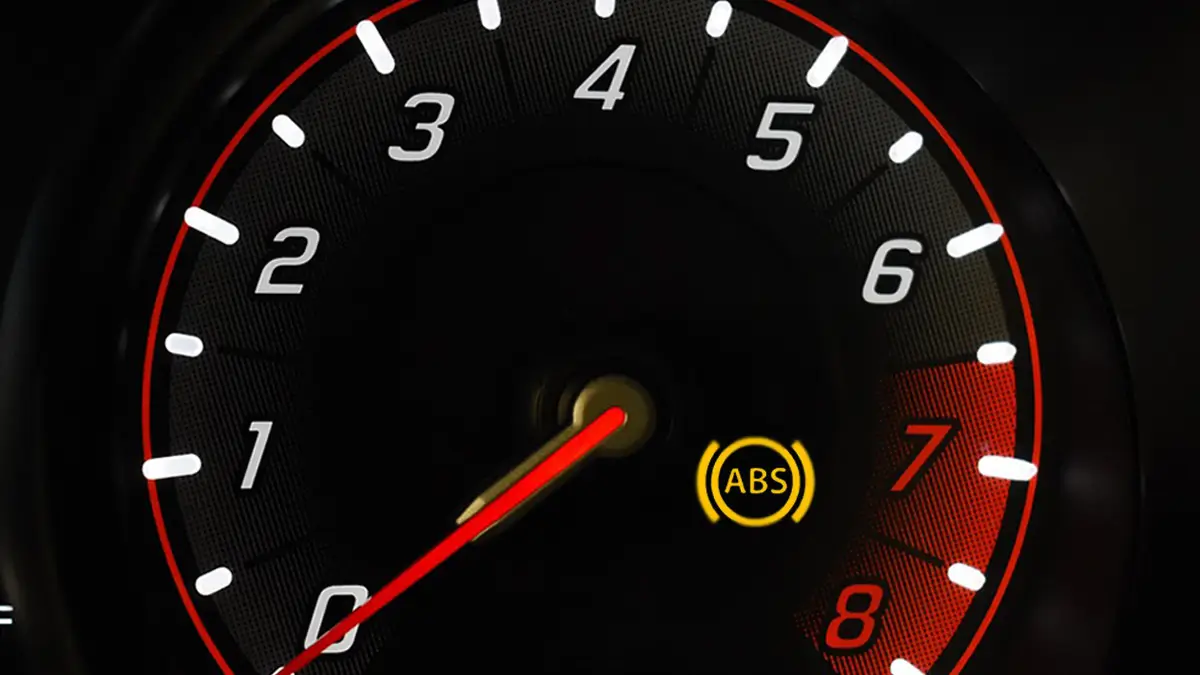
The ABS light on your dashboard signals a problem with the anti-lock braking system. This system helps keep control during sudden stops. When the ABS light turns on, it means the system needs attention. Understanding the common causes helps you know what to check first.
Common Sensor Issues
Sensors play a key role in the ABS system. They detect wheel speed and send signals to the control module. Dirt, damage, or misalignment can cause sensors to fail. Faulty sensors often trigger the ABS light.
Brake Fluid Problems
Brake fluid is essential for the braking system. Low or dirty brake fluid can cause the ABS light to come on. Leaks or old fluid reduce brake performance and affect ABS function.
Wheel Speed Sensor Faults
Wheel speed sensors monitor each wheel’s speed. These sensors help prevent wheel lockup during braking. If a sensor stops working or gives wrong data, the ABS light activates. Sensor wiring issues also cause faults.
Electrical System Glitches
The ABS system depends on electrical connections. Loose wires, blown fuses, or bad connections can cause glitches. These electrical problems often trigger the ABS warning light. Checking wiring and fuses is important.
Credit: www.klavkarr.com
Safety Checks Before Fixing
Before turning off the ABS light, perform safety checks. These checks help find the root cause of the problem. Fixing the ABS light without safety checks can be risky. It may hide other issues that affect your car’s safety. Start by inspecting brake parts, checking tires, and verifying brake fluid levels. These steps keep you safe and guide proper repair.
Inspecting Brake Components
Look closely at brake pads, rotors, and calipers. Check for wear, cracks, or leaks. Worn brake pads reduce stopping power. Damaged rotors cause vibrations and noise. Leaking calipers lower brake pressure. Clean dirt and debris from all parts. Replace any broken or worn components. Proper brake parts ensure ABS works correctly.
Checking Tire Condition
Examine tires for tread depth and damage. Uneven tire wear affects ABS sensors. Check tire pressure and adjust as needed. Underinflated or overinflated tires cause poor road grip. Rotate tires regularly to balance wear. Good tires improve ABS performance and vehicle control.
Verifying Brake Fluid Levels
Open the brake fluid reservoir. Check fluid level against the marked line. Low brake fluid can trigger ABS light. Use the correct brake fluid type for your car. Top up fluid if needed. Look for leaks in brake lines and connections. Proper fluid levels keep brakes and ABS system working well.
Quick Diy Fixes
Quick DIY fixes can help turn off the ABS light without spending much. These steps are simple and often work for common ABS problems. They save time and money before visiting a mechanic. Follow these easy methods to troubleshoot the ABS light at home.
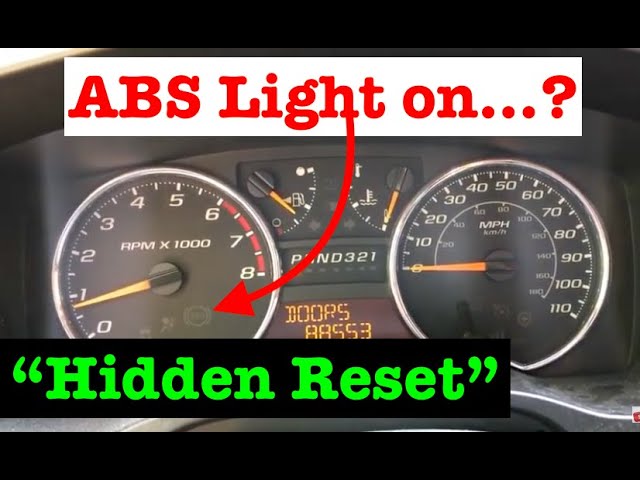
Resetting The Abs Light Manually
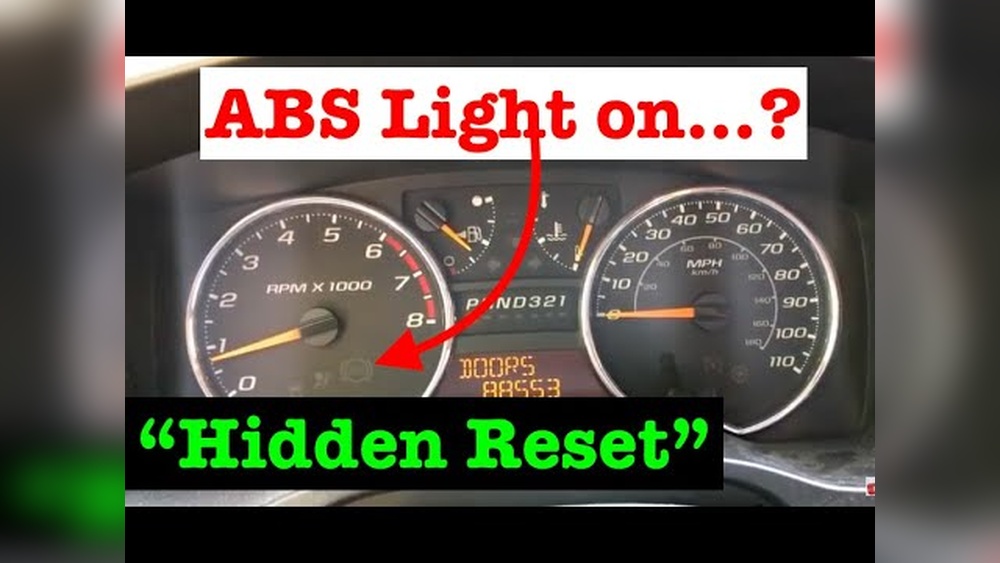
Start by turning your car’s ignition on but keep the engine off. Press the brake pedal firmly for about 10 seconds. Release the brake and turn off the ignition. Restart the engine to check if the ABS light is off. This reset can clear minor errors in the ABS system.
Cleaning Wheel Speed Sensors
Locate the wheel speed sensors near each wheel hub. Dirt or debris can block signals causing the ABS light to come on. Use a soft cloth or brush to clean the sensors gently. Avoid damaging the sensor wire or connector. Clean sensors may restore proper ABS function and turn off the light.
Tightening Loose Connections
Loose wires or connectors often cause ABS warnings. Inspect the wiring around the ABS control module and sensors. Push connectors firmly into place or tighten loose screws. Secure connections help maintain proper sensor signals. This simple check may fix the ABS light issue quickly.
Replacing Blown Fuses
Check the fuse box for any blown ABS fuses. A blown fuse cuts power to the ABS system and triggers the warning light. Use the car’s manual to find the exact fuse location. Replace any blown fuse with one of the same rating. A new fuse can restore ABS power and turn off the light.
Credit: www.youtube.com
Using Diagnostic Tools
Using diagnostic tools is a simple way to switch off the ABS light. These tools connect to your car’s computer system. They help find the problem causing the light to come on. After finding the issue, you can clear the error codes. This often turns off the ABS light.
Obd-ii Scanner Basics
An OBD-II scanner is a small device. It plugs into a port under your car’s dashboard. This port is usually near the steering wheel. The scanner reads data from your car’s computer. It shows error codes that tell what is wrong.
Reading Abs Error Codes
After connecting the scanner, turn on your car. The scanner will scan for error codes. Each code points to a specific ABS problem. You can write down these codes. Use them to understand what part needs fixing.
Clearing Codes To Reset Light
Once you fix the problem, use the scanner to clear the codes. This resets the ABS system and turns off the light. Sometimes, the light stays off only after a few drives. Make sure the issue is fully fixed before clearing codes.
When To Seek Professional Help
Sometimes, the ABS light stays on even after trying simple fixes. This signals a deeper issue in the car’s braking system. Knowing when to ask a professional can save money and keep you safe. Here are key signs that you need expert help with the ABS light.
Persistent Abs Light Issues
The ABS light that won’t turn off shows a serious problem. It may mean the system has a fault that simple resets cannot fix. A mechanic can properly diagnose the cause using special tools. Ignoring this can lead to brake failure or unsafe driving conditions.
Complex Sensor Replacements
ABS sensors are delicate and hard to replace alone. They need correct tools and knowledge to install properly. A wrong replacement can cause more errors or damage the braking system. Professionals have experience handling these sensors safely and accurately.
Brake System Repairs
Sometimes, the ABS light means a brake system repair is needed. This includes fixing brake lines, pumps, or the control module. These parts affect your car’s safety and require expert handling. A professional will ensure the brake system works correctly and keeps you safe on the road.
Preventing Abs Light Recurrence
Preventing the ABS light from coming back helps keep your car safe. The ABS system stops your wheels from locking during hard braking. When the ABS light stays on, it means the system has a problem. Taking simple steps can help avoid the light from turning on again.
Regular Brake Maintenance
Check your brakes often for wear and damage. Worn brake pads can cause the ABS to act up. Replace brake parts as needed to keep the system working well. Regular checks help spot problems early before the ABS light appears.
Keeping Sensors Clean
ABS sensors detect wheel speed and send signals to the system. Dirt, dust, and debris can block these sensors. Clean the sensors gently with a soft cloth to keep them clear. Clean sensors help the ABS system work smoothly and avoid false warnings.
Timely Fluid Changes
Brake fluid plays a big role in ABS function. Old or dirty fluid can cause ABS issues. Change the brake fluid according to the car’s schedule. Fresh fluid keeps the system responsive and stops the ABS light from coming on.
Credit: holttruckcenters.com
Frequently Asked Questions
What Does The Abs Light Indicate On My Car?
The ABS light signals a problem in the anti-lock braking system. It usually means the system is disabled or malfunctioning. Driving with the light on is risky, as ABS may not prevent wheel lock during hard braking.
How Can I Reset The Abs Light Safely?
To reset the ABS light, first fix the underlying issue. Then, use an OBD-II scanner to clear the error codes. Disconnecting the battery may reset the light but won’t fix the problem. Always ensure repairs before resetting.
Can I Drive With The Abs Light On?
You can drive, but cautiously. The ABS may not work properly, increasing stopping distance on slippery roads. Get your ABS checked by a mechanic immediately to ensure safe braking and avoid further damage.
What Causes The Abs Light To Turn On?
Common causes include faulty wheel speed sensors, damaged wiring, or a low brake fluid level. Sometimes, a blown fuse or malfunctioning ABS module triggers the light. Proper diagnosis is essential for accurate repairs.
Conclusion
Turning off the ABS light can seem tricky at first. Check your car’s manual and scan for error codes. Fix any problems and clear the codes with a scanner. Sometimes, a simple reset works after repairs. Always drive safely and pay attention to brake issues.
Staying on top of your car’s warnings keeps you and others safe. Keep your vehicle well-maintained to avoid future ABS light problems. Remember, understanding your car helps prevent bigger issues later.