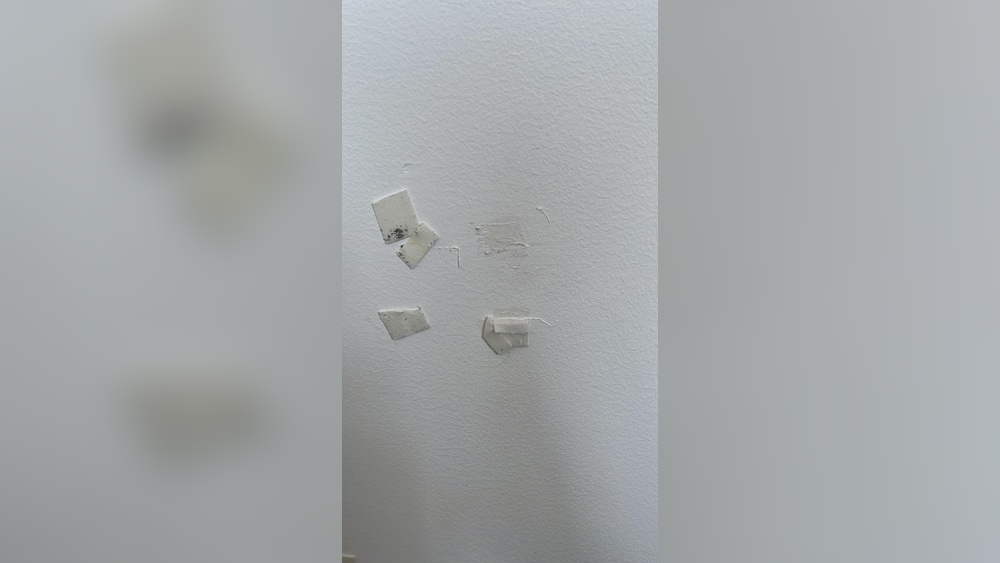
Have you ever struggled with sticky foam mounting tape that just won’t come off? If you’re tired of dealing with residue, torn surfaces, or wasted time, you’re not alone.
Removing foam mounting tape can be tricky, but with the right approach, you can get the job done quickly and cleanly. You’ll discover simple, effective methods to remove foam mounting tape without damaging your walls or furniture. Keep reading—you’ll be surprised how easy it can be to restore your surfaces to perfect condition.
Types Of Foam Mounting Tape
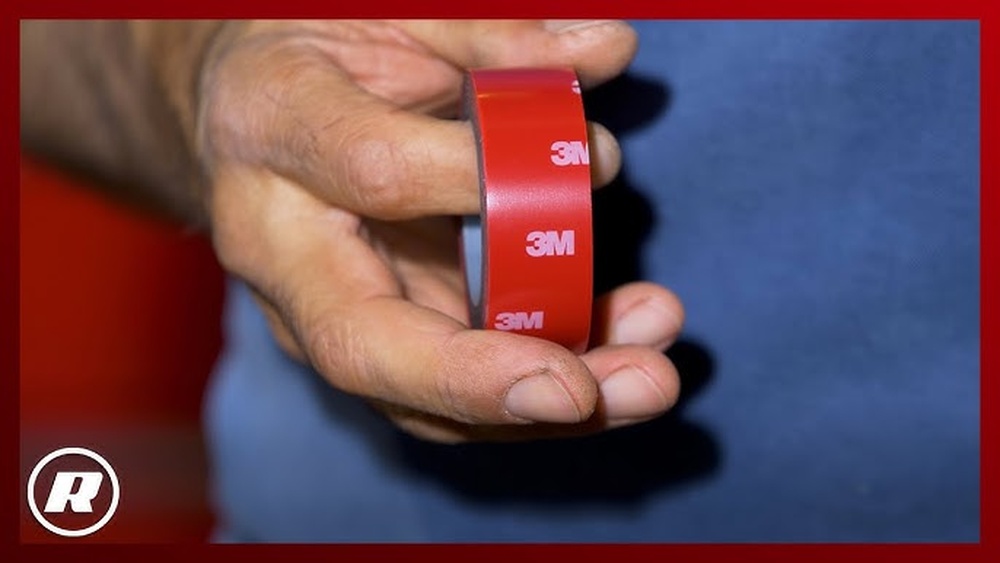
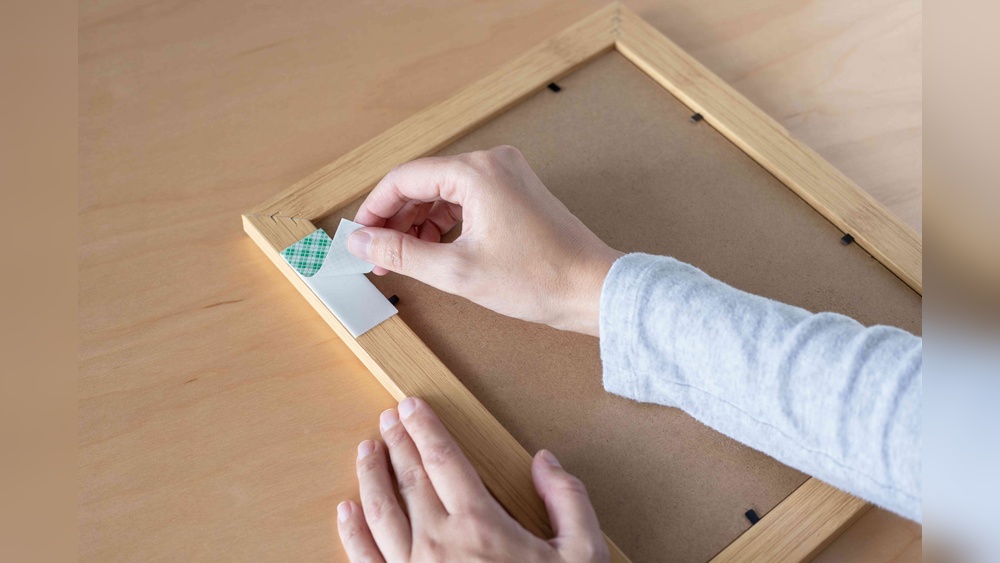
Foam mounting tape comes in several types, each made for different uses. Knowing these types helps you choose the right tape for your project. It also makes removing the tape easier and cleaner.
Common Materials Used
Most foam mounting tapes use materials like polyethylene or polyurethane foam. These foams provide cushioning and fill gaps between surfaces. The adhesive side can be made from acrylic or rubber-based glue. Acrylic adhesives offer strong, long-lasting bonds. Rubber adhesives stick well but may leave more residue.
Strength Variations
Foam tapes vary in strength from light to heavy duty. Light tapes hold small items like paper or plastic. Medium strength tapes work well for indoor decorations or signs. Heavy-duty tapes can support metal or wood and resist outdoor weather. Choosing the right strength helps in clean removal without damage.
Tools Needed For Removal
Removing foam mounting tape requires some basic tools. Having the right tools makes the job easier and faster. You do not need many items. Most tools come from your home or a small toolkit.
These tools help soften, lift, and scrape off the tape. Some tools are common household items. Others are specialized for this task. Knowing what to use helps avoid damage to surfaces.
Household Items
Start with simple tools found at home. A hairdryer or heat gun softens the adhesive. Warm air loosens the tape’s grip. Use a plastic card or old credit card to lift edges gently. Avoid metal cards to protect surfaces.
Rubbing alcohol or vinegar helps break down sticky residue. Cotton balls or cloth can apply these liquids. Soap and warm water clean leftover glue. Paper towels or soft rags dry the area afterward.
Specialized Tools
For tougher jobs, use specialized tools. A plastic scraper or putty knife removes stubborn tape. These tools reduce risk of scratching. Adhesive remover products dissolve sticky residues quickly. Follow product instructions for safe use.
Gloves protect your hands from chemicals. A microfiber cloth wipes surfaces clean without damage. These tools improve efficiency and keep surfaces intact.
Step-by-step Removal Techniques
Removing foam mounting tape can be tricky. The tape sticks firmly and leaves residue behind. Follow these simple steps to remove the tape safely and cleanly. Use the right tools and methods for the best results. Take your time and avoid damaging surfaces.
Peeling Off By Hand
Start by lifting a corner of the tape. Use your fingers or a plastic scraper for help. Pull the tape slowly and steadily. Avoid quick or sharp pulls to prevent damage. If the tape resists, stop and try another method. This method works best for fresh tape.
Using Heat To Soften Adhesive
Heat loosens the sticky glue under the tape. Use a hairdryer on low or medium heat. Hold it a few inches from the tape surface. Warm the tape evenly for about 30 seconds. Then, peel the tape gently while warm. Repeat heating if the tape stays stuck. Heat makes removal easier and cleaner.
Applying Solvents Safely
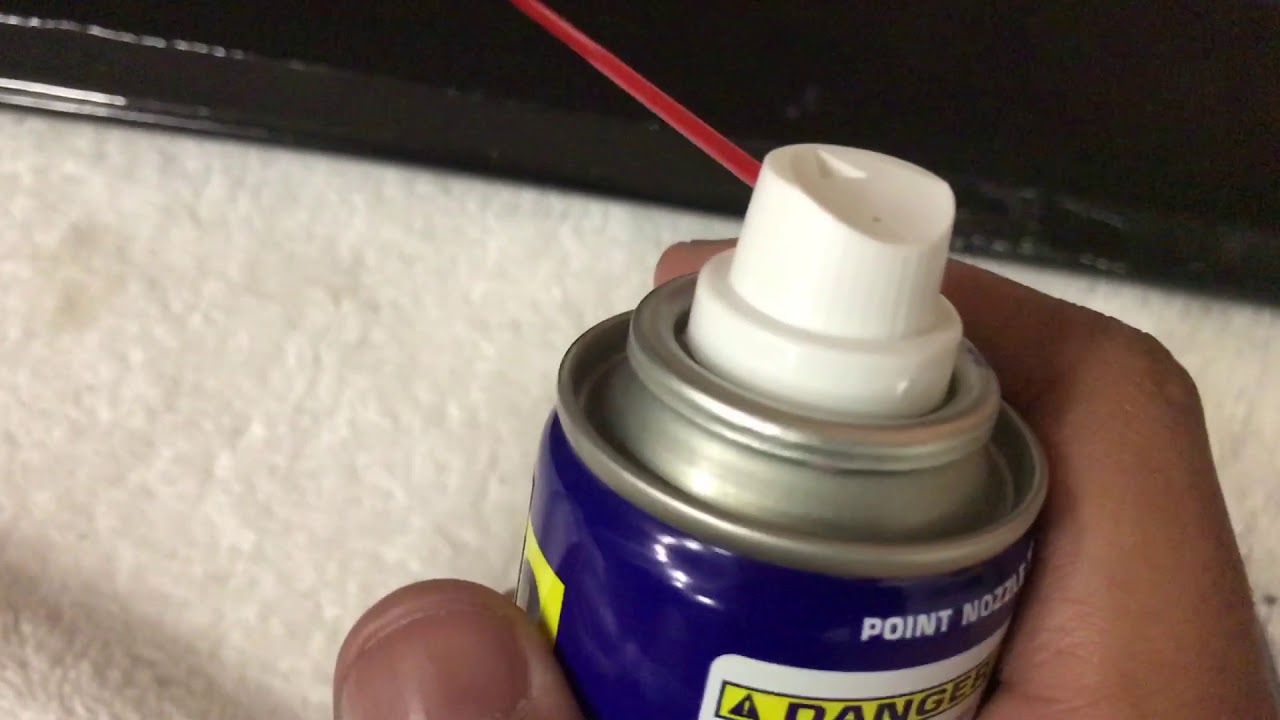
Solvents dissolve adhesive residue left on surfaces. Choose mild solvents like rubbing alcohol or adhesive remover. Test the solvent on a hidden area first. Apply a small amount with a cloth or cotton ball. Let it sit for a minute to soften residue. Wipe away softened glue carefully. Clean the area with soap and water afterward.
Credit: www.youtube.com
Removing Residue
Removing foam mounting tape often leaves behind sticky residue. This leftover can be stubborn and tricky to clean. Removing residue helps restore the surface’s original look. It also prevents dirt from sticking to the area. Using the right methods avoids damage to surfaces.
Sticky Residue Cleanup
Start by peeling off as much tape as possible. Use your fingers or a plastic scraper to lift edges gently. Avoid metal tools that can scratch surfaces. Next, apply a small amount of oil like vegetable or baby oil. The oil softens the sticky glue, making it easier to remove.
Rub the residue with a soft cloth soaked in oil. Work in small circles until the sticky parts loosen. Wipe away the loosened glue with a clean cloth. Repeat the process if residue remains. For tougher spots, use warm soapy water after oil treatment. Always dry the area well after cleaning.
Surface-safe Cleaners
Choose cleaners that won’t harm paint, wood, or plastic. Rubbing alcohol is a good option for many surfaces. Dab a small amount on a cloth and gently rub the residue. Avoid soaking the area to prevent damage. Test any cleaner on a hidden spot first.
Commercial adhesive removers also work but read labels carefully. Use only as directed to protect delicate finishes. After cleaning, rinse the surface with water and dry it. This step removes any cleaner traces and prevents sticky build-up.
Preventing Damage
Removing foam mounting tape can harm surfaces if done carelessly. Taking steps to prevent damage keeps walls, furniture, and glass safe. Small efforts protect your space and save time on repairs.
Protecting Surfaces
Start by testing a small hidden area. This shows how the surface reacts. Use gentle tools like plastic scrapers to lift tape edges. Avoid metal tools that can cut or scratch. Cover sensitive areas with painter’s tape before removal. This adds a protective layer and reduces risk.
Avoiding Scratches And Marks
Peel tape slowly and at a low angle. Quick pulls can tear paint or leave marks. Heat the tape with a hairdryer to soften the adhesive. Warm adhesive comes off cleaner and easier. Clean residue with mild soap and water, not harsh chemicals. This keeps surfaces smooth and undamaged.

Credit: xfasten.com
Tips For Stubborn Tape
Removing stubborn foam mounting tape can be tricky. Sometimes, the tape leaves behind sticky residue or tears easily. These tips help you tackle tough tape and clean the surface well.
Repeated Application Of Heat
Heat softens the adhesive, making tape easier to peel off. Use a hairdryer on medium heat. Hold it close to the tape for about 30 seconds. Try peeling the tape slowly. Repeat heating and peeling until the tape loosens completely. Avoid using too much heat to protect the surface underneath.
Alternative Solvent Options
Some adhesives need stronger solvents. Rubbing alcohol works well for many tapes. Apply it with a cloth and let it sit for a few minutes. Then, rub gently to remove residue. White vinegar is another option. Test on a small area first to avoid damage. Use these solvents carefully to keep surfaces safe.
Disposal And Environmental Considerations
Disposing of foam mounting tape requires care to protect the environment. Improper disposal can harm nature and wildlife. Understanding safe disposal methods helps reduce pollution. Choosing eco-friendly options lowers your environmental impact.
Safe Disposal Practices
Remove as much tape residue as possible before disposal. Place used foam tape in regular trash if recycling is unavailable. Avoid burning foam tape, as it releases toxic fumes. Check local waste guidelines for special disposal rules. Keeping tape out of waterways prevents pollution and wildlife harm.
Eco-friendly Alternatives
Choose biodegradable tapes made from natural materials. Paper-based mounting tapes break down faster in landfills. Some brands offer recyclable foam tapes to reduce waste. Reuse tape strips when possible to cut down on trash. These options support a cleaner environment and less waste.
:max_bytes(150000):strip_icc()/how-to-remove-double-sided-foam-tape-5195063-06-b272889262c141d09d914ef2cd6f9104.jpg)
Credit: www.thespruce.com
Frequently Asked Questions
How Do I Safely Remove Foam Mounting Tape?
To remove foam mounting tape safely, heat it with a hairdryer to soften the adhesive. Then, gently peel the tape off. Use a plastic scraper if needed to avoid surface damage.
What Household Items Remove Foam Tape Residue?
Rubbing alcohol, vinegar, or cooking oil work well to remove foam tape residue. Apply with a cloth, let it sit briefly, then wipe clean to eliminate sticky remains.
Can Heat Help In Removing Foam Mounting Tape?
Yes, heat softens the adhesive, making tape removal easier. Use a hairdryer on low heat and warm the tape area before peeling it off carefully.
How To Prevent Damage When Removing Foam Tape?
Always warm the tape first and peel slowly to avoid surface damage. Use gentle tools like plastic scrapers and avoid harsh chemicals on delicate surfaces.
Conclusion
Removing foam mounting tape can be simple with the right steps. Start by heating the tape to soften the adhesive. Peel it off slowly to avoid damage. Clean any leftover sticky residue with soap or rubbing alcohol. Taking your time helps protect surfaces and makes removal easier.
Keep these tips in mind for a smooth, hassle-free process every time. You can handle foam tape removal without stress or mess.