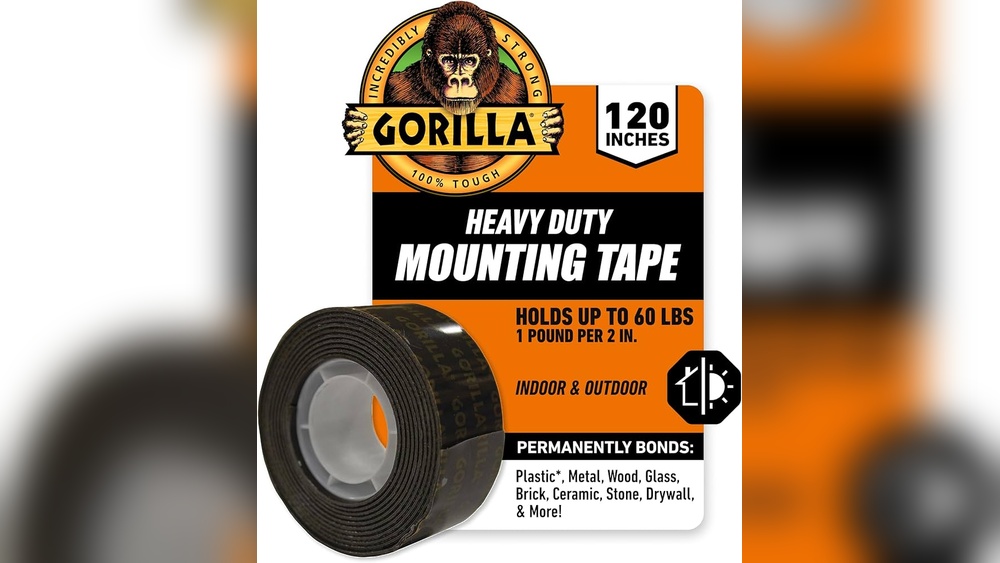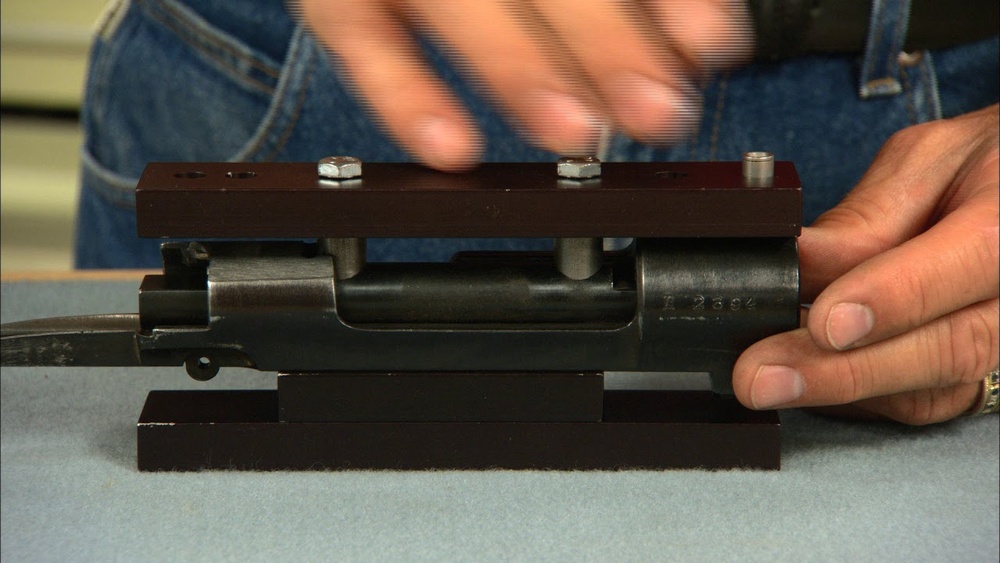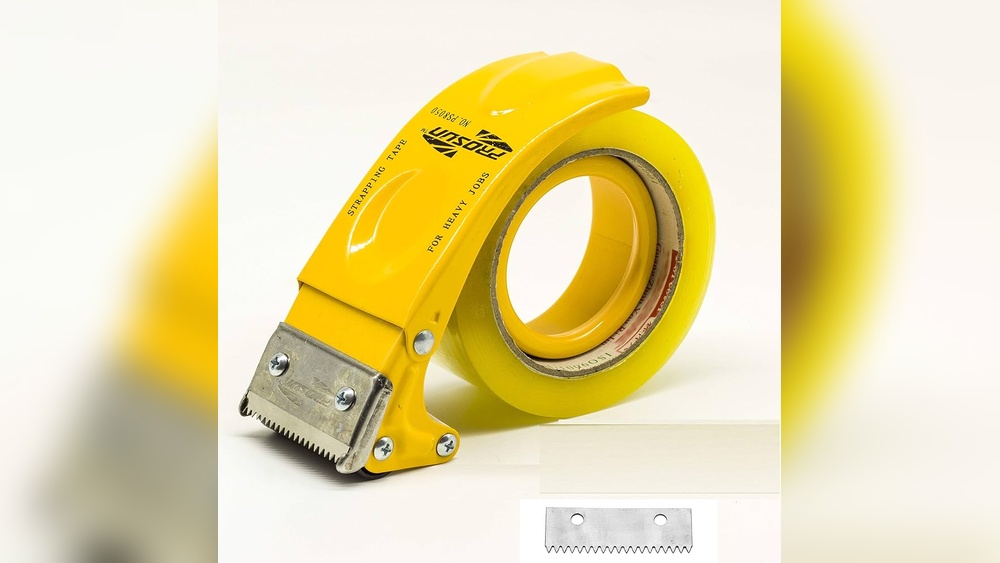
If you want to improve your grip and control, learning how to mount pistol grip tape is a smart move. This simple upgrade can make a big difference in how your pistol feels in your hand, giving you more confidence and accuracy.
In this guide, you’ll discover easy steps to apply the tape like a pro, avoid common mistakes, and get the best results every time. Ready to take your shooting experience to the next level? Keep reading and master the skill that can change everything.
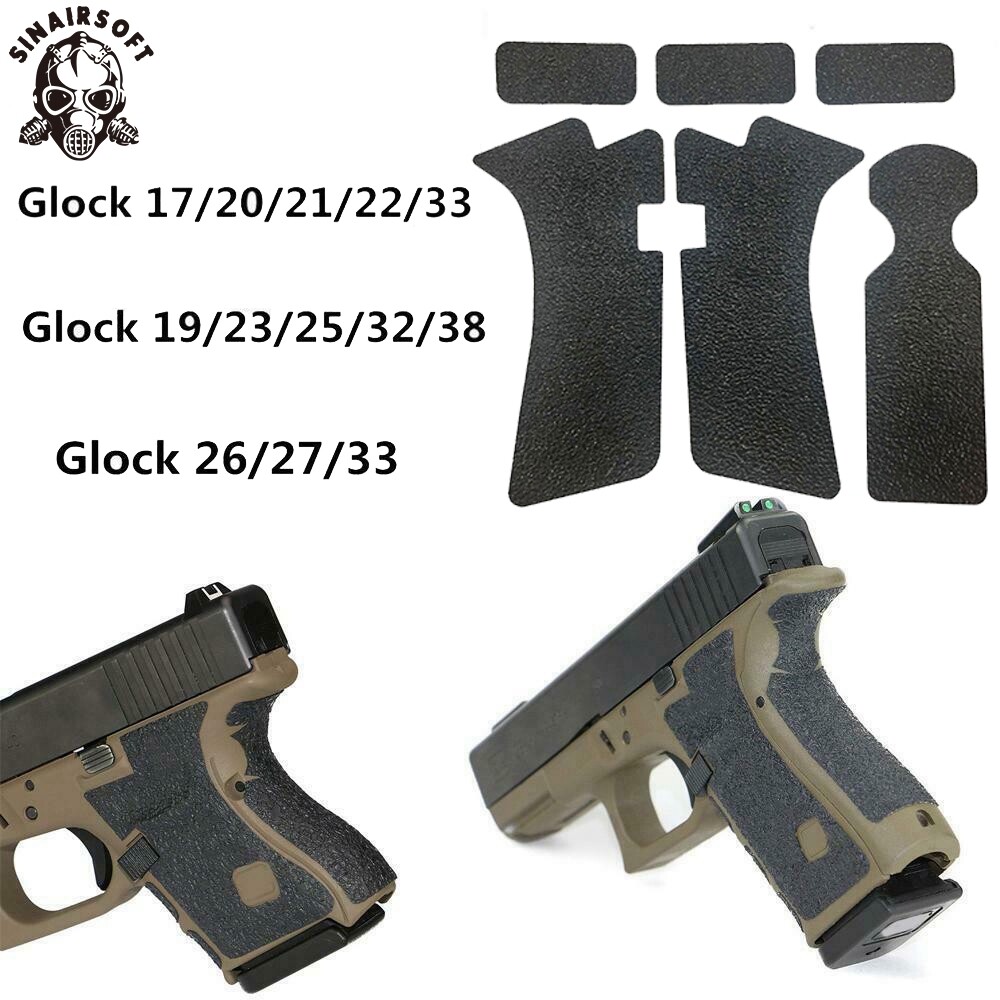
Credit: www.ebay.com
Choosing The Right Tape
Choosing the right grip tape is key to securing your pistol grip properly. The tape should offer a strong hold without damaging the surface. It must feel comfortable in your hand and last through regular use. Different tapes have unique features that fit various needs and preferences. Knowing what to look for makes the process easier and safer.
Types Of Grip Tape
Grip tape comes in several types. Some have a rough, sandpaper-like surface for maximum hold. Others are softer and provide a cushioned feel. Clear tapes protect the grip without changing its look. Some tapes have adhesive backing for easy application. Choose a type that matches your grip style and comfort needs.
Tape Thickness And Texture
Thickness affects how the grip feels in your hand. Thin tape offers less padding but keeps the original shape. Thicker tape adds comfort and absorbs shock. Texture matters for control. Rough textures prevent slipping in wet conditions. Smooth textures feel softer but may reduce grip strength. Find the right balance for your use.
Durability Factors
Durability depends on the tape material and adhesive quality. Look for tapes that resist wear and tear. Waterproof tapes last longer in wet environments. Some tapes handle heat and sweat better than others. Check user reviews to see how tapes perform over time. Durable tape saves money and keeps your grip safe.
Preparing The Pistol Grip
Preparing the pistol grip is the first step before mounting grip tape. This step ensures the tape sticks well and lasts longer. Taking time to prepare the surface avoids problems later. Follow the simple steps below to get the grip ready.
Cleaning The Surface
Start by cleaning the pistol grip surface. Use a cloth with warm water and mild soap. Wipe the grip to remove dirt, oils, and dust. Clean surfaces help tape stick better. Avoid using harsh chemicals that can damage the grip.
Removing Old Tape
Take off any old grip tape carefully. Peel it slowly to avoid leaving residue. If residue stays, use rubbing alcohol on a cloth to clean it. Removing old tape ensures a smooth surface for new tape. This step helps the new tape stay in place.
Drying And Inspecting
Dry the grip completely with a clean towel. Moisture can prevent tape from sticking. After drying, check the grip for cracks or rough spots. Smooth out any uneven areas with fine sandpaper if needed. A smooth, dry surface is ready for new tape.
Cutting And Measuring Tape
Cutting and measuring tape correctly is a key step for mounting pistol grip tape. Precise cuts and accurate measurements help the tape fit perfectly. This avoids waste and ensures a strong grip. Taking time here makes the whole process smoother and the final result better.
Measuring Grip Length
Start by measuring the length of the pistol grip carefully. Use a ruler or measuring tape for accuracy. Measure from the top to the bottom of the grip. Write down the exact number. This helps you cut the tape to the right size.
Check the measurement twice to avoid mistakes. Different grips may need different tape lengths. Make sure your tape piece covers the whole grip surface.
Cutting Strips Accurately
Cut the tape strips with sharp scissors or a utility knife. Use a straight edge to guide your cut. Keep the lines clean and even for a neat look. Avoid jagged or uneven edges.
Cut slowly and carefully to match your measurements. Accurate cuts prevent the tape from peeling off later. Cut a little extra if you want to trim later.
Pre-shaping The Tape
Bend and shape the tape before applying it to the grip. Match the tape’s shape to the grip’s curves and angles. This helps the tape stick better and stay in place.
Hold the tape against the grip and adjust the shape. Make small folds or cuts if needed to fit tight spots. Pre-shaping saves time during final mounting.

Credit: www.amazon.com
Applying The Tape
Applying pistol grip tape needs care and focus. The process affects your grip and comfort. Proper application makes the tape last longer and feel better. Follow the steps closely for a smooth and secure fit.
Starting From The Base
Begin by cleaning the pistol grip thoroughly. Dirt and oil reduce tape adhesion. Peel a small section of the tape backing. Place the tape at the base of the grip. Press firmly to secure the starting point.
Wrapping Techniques
Wrap the tape around the grip tightly. Overlap the edges slightly to avoid gaps. Keep the tape flat and smooth during wrapping. Move slowly to control the tension. Stop wrapping at the top of the grip.
Smoothing Out Bubbles
Check for air bubbles under the tape. Use your fingers to press them out gently. Work from the center towards the edges. Small bubbles can cause discomfort and reduce grip. Remove all bubbles for a clean finish.
Securing The Ends
Securing the ends of pistol grip tape is important for a clean look and strong hold. Properly finished edges prevent the tape from peeling off. It also stops dirt and moisture from getting under the tape. Taking time to secure the ends makes your grip last longer and feel better.
Tucking And Folding Tips
Tuck the tape edges tightly against the grip. Fold the tape neatly without creating bumps. Use your fingers to press the tape down firmly. Make small folds around curves for a smooth finish. This keeps the tape in place and looks tidy.
Using Adhesive Or Sealant
Apply a small amount of adhesive on the taped ends. Use glue made for grip tape or contact cement. This helps the tape stick better and stop lifting. Sealants also protect the tape from water and wear. Let the adhesive dry fully before use.
Trimming Excess Tape
Cut off extra tape with sharp scissors or a knife. Trim close to the edge of the grip for a clean fit. Avoid cutting too much to prevent tape from loosening. Smooth the cut edges with your fingers to blend the tape. This step gives a neat and professional look.
Testing The Grip
Testing the grip after mounting pistol grip tape is crucial. It ensures safety and comfort during use. Poor grip can cause slipping, affecting control and accuracy. Regular testing keeps the grip reliable and secure.
Checking For Slippage
Hold the pistol firmly and try to twist the grip tape. Feel if it moves or slides under pressure. Slippage means the tape is not mounted tight enough. Reapply or adjust the tape to stop any movement.
Adjusting Tape Tension
Tape tension affects how well the grip holds. Too tight can cause discomfort, too loose leads to slipping. Peel back the tape slightly and rewrap it with even pressure. Test the grip again to find the right tension.
Wear And Tear Inspection
Check the tape surface for cracks, peeling, or worn spots. Worn tape reduces grip quality and can be unsafe. Replace or repair damaged tape to maintain a firm hold. Regular inspection extends the tape’s life.
Maintenance Tips
Maintaining your pistol grip tape is important for safety and comfort. Clean, replace, and store your pistol properly to keep the grip tape in good condition. These simple steps help the tape last longer and work better.
Cleaning The Grip Tape
Use a soft brush or cloth to remove dirt and dust. Avoid harsh chemicals that can damage the tape. Light soap and water work well for cleaning. Dry the tape completely before using the pistol again. Clean grip tape improves grip and prevents slipping.
Replacing Worn Tape
Check the tape for signs of wear or peeling. Replace the tape if it feels smooth or loses stickiness. Remove old tape carefully to avoid residue. Apply new tape evenly for the best grip. Fresh tape keeps your hold firm and secure.
Storing Your Pistol Properly
Store your pistol in a cool, dry place to protect the grip tape. Avoid direct sunlight and moisture, which can weaken the tape. Use a case or safe to keep dust away. Proper storage helps maintain the tape’s texture and strength.

Credit: www.anrkydexholsters.com
Frequently Asked Questions
How Do You Prepare A Pistol Grip For Tape?
Clean the grip surface thoroughly with rubbing alcohol. Remove any dirt, oils, or debris. This ensures strong tape adhesion and prevents peeling.
What Type Of Tape Is Best For Pistol Grips?
Choose high-quality, non-slip grip tape designed for firearms. It should be durable, weather-resistant, and provide excellent traction without damaging the grip.
How To Apply Pistol Grip Tape Smoothly?
Start at one edge and press the tape down evenly. Avoid bubbles by smoothing out as you go using a flat tool or fingers.
Can Pistol Grip Tape Improve Shooting Accuracy?
Yes, better grip control reduces hand slip and recoil impact. This stability can enhance shooting precision and overall firearm handling.
Conclusion
Mounting pistol grip tape is simple with clear steps. Clean the grip well before starting. Apply the tape carefully to avoid bubbles or wrinkles. Press firmly for a good hold. Take your time to align the tape properly. A steady hand helps for a neat finish.
This small task can improve your grip and control. Practice makes the process easier each time. Enjoy a safer, more comfortable hold on your pistol.