Are you wondering how much it will cost to replace a light switch in your home? Whether your switch is old, faulty, or you just want a fresh look, knowing the price beforehand can save you time and stress.
You might think it’s a simple job, but the cost can vary depending on a few important factors. You’ll discover exactly what affects the price and how to make the best choice for your budget. Keep reading to find out what you need to know before replacing your light switch.
Factors Affecting Replacement Cost
Replacing a light switch cost varies widely. Several factors influence the final price. Understanding these helps you plan your budget better.
Type Of Light Switch
Basic switches cost less than smart or dimmer switches. More complex switches need special wiring. This increases both parts and labor costs.
Labor Charges
Electricians charge by the hour or per job. Rates differ by location and experience. Simple replacements take less time, lowering costs.
Additional Materials
Sometimes extra parts are needed. Wall plates, wiring, or mounting boxes add to the price. Old switches may require updating safety components.
Location And Accessibility
Switches in hard-to-reach places take more work. Tight spaces or high walls increase labor time. Easy access means quicker, cheaper installation.

Credit: www.homeadvisor.com
Typical Cost Ranges
Replacing a light switch costs vary depending on the type and complexity. Understanding typical price ranges helps plan your budget. Simple switches cost less, while advanced ones may be pricier. Labor fees also affect the total expense. Below are common cost ranges for different switches.
Basic Toggle Switch
Basic toggle switches are the most common and affordable type. The switch itself usually costs between $2 and $10. Installation by a professional electrician ranges from $40 to $80 per switch. DIY installation can save money if you have basic skills and tools. Overall, expect to pay around $50 to $90 for a professional replacement.
Dimmer And Smart Switches
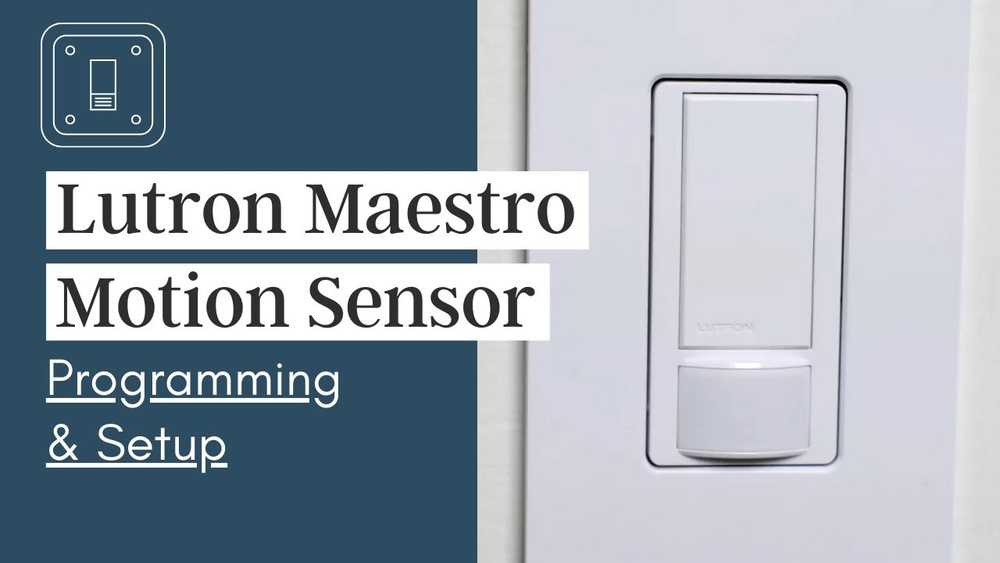
Dimmer switches allow you to adjust light brightness. They cost between $15 and $50 depending on brand and features. Smart switches, which connect to Wi-Fi, cost more—often $40 to $100. Professional installation can increase the total cost to $100 or more. These switches need careful wiring and setup, so professional help is recommended.
Multi-gang Switches
Multi-gang switches control multiple lights from one location. The price depends on the number of switches in the gang. A two-gang switch can cost $10 to $30, while three-gang or more can reach $50 or more. Installation takes longer, so labor costs rise accordingly. Expect to pay $100 to $200 for professional installation of multi-gang switches.
Professional Vs Diy Costs
Hiring a professional ensures safety and proper installation. Professionals charge $40 to $100 per switch for labor. DIY installation saves money but requires knowledge and tools. Mistakes can cause electrical hazards or damage. For simple switches, DIY may be fine. Complex or smart switches often need a professional’s expertise.
Diy Replacement Tips
Replacing a light switch by yourself saves money and feels rewarding. Simple steps make this task easy. Follow clear tips to avoid mistakes and stay safe.
Safety Precautions
Turn off power at the circuit breaker before starting. Use a voltage tester to confirm no electricity flows. Wear insulated gloves for extra protection. Avoid working with wet hands or in damp areas. Keep children and pets away during the work.
Tools Needed
Gather a flathead screwdriver and a Phillips screwdriver. Have a voltage tester ready for safety checks. Use needle-nose pliers to handle wires. A wire stripper helps remove insulation cleanly. Keep a flashlight nearby for better visibility.
Step-by-step Guide
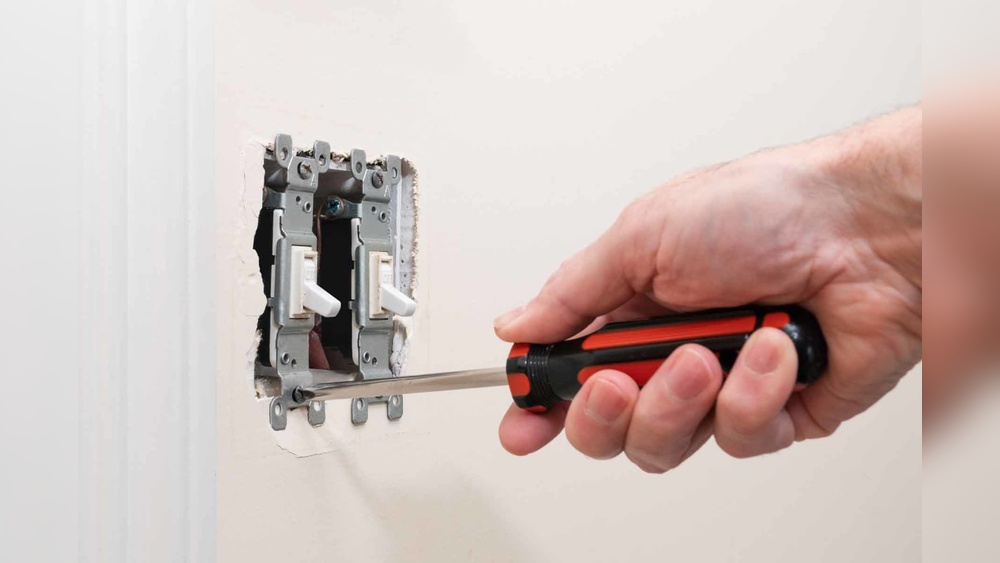
Switch off power and test with a voltage tester. Remove the switch plate cover using a screwdriver. Unscrew the old switch from the wall box. Carefully pull the switch out to expose wires. Note wire positions or take a photo. Disconnect wires from the old switch. Connect wires to the new switch in the same order. Tighten screws firmly to hold wires. Push the switch back into the wall box. Screw the switch securely in place. Attach the switch plate cover. Turn power back on and test the switch function.

Credit: www.angi.com
When To Hire An Electrician
Replacing a light switch may seem simple, but some situations need a professional. Hiring an electrician ensures safety and correct installation. It prevents electrical hazards and future problems. Knowing when to call an expert saves time and money.
Complex Wiring Situations
Old homes often have complicated wiring. Multiple wires in one box or unusual connections can confuse. Mistakes cause shorts or shocks. Electricians understand wiring systems and handle them safely. Complex jobs require their skills to avoid damage.
Code Compliance
Electric codes protect your home and family. Electricians know the latest rules and standards. Proper installation meets these codes and passes inspections. DIY work may miss key requirements. Hiring a pro ensures your switch is legal and safe.
Troubleshooting Issues
A faulty switch may hide bigger problems. Electricians find hidden faults like faulty wiring or breakers. They use tools to test and fix issues quickly. Troubleshooting saves you from repeated repairs and hazards. Professionals fix problems right the first time.
Ways To Save On Replacement
Replacing a light switch can be simple and affordable. Saving money on this task is possible with a few smart choices. These ways help lower the cost without losing quality or safety. Learn how to save on your next light switch replacement.
Buying Switches In Bulk
Purchasing multiple switches at once cuts the price per unit. Hardware stores offer discounts for larger orders. This option works well for big projects or future repairs. Keep extra switches handy to avoid buying later at higher prices.
Off-season Discounts
Prices drop during slow seasons for home improvement. Planning replacement during these times saves money. Check sales after holidays or in colder months. Off-season buying often means better deals and lower labor costs.
Using Energy-efficient Switches
Energy-efficient switches cost more upfront but reduce electricity bills. They last longer, saving money on replacements. Some models have smart features to control energy use. Choosing these switches lowers long-term expenses.
/how-to-replace-a-light-switch-1824670_hero_40432-43add2624f6c4522a4ee50bb24ece2be.jpg)
Credit: www.thespruce.com
Frequently Asked Questions
How Much Does It Cost To Replace A Light Switch?
Replacing a light switch typically costs between $50 and $150. The price depends on the switch type and labor fees. Simple switches are cheaper, while smart switches cost more. DIY replacement can reduce expenses but hiring an electrician ensures safety and code compliance.
Can I Replace A Light Switch Myself Safely?
Yes, you can replace a light switch yourself if you follow safety precautions. Always turn off the power at the circuit breaker before starting. Use proper tools and follow instructions carefully. If unsure, consult a professional to avoid electrical hazards and ensure proper installation.
What Factors Affect Light Switch Replacement Cost?
Several factors impact the cost, including switch type, brand, and installation complexity. Smart switches or dimmers cost more than basic switches. Labor rates vary by location and electrician experience. Additional wiring or repairs increase the price. Getting multiple quotes helps find the best deal.
How Long Does It Take To Replace A Light Switch?
Replacing a light switch usually takes 15 to 30 minutes for a professional. Complex installations or multiple switches may require more time. DIY projects might take longer depending on your experience. Quick replacement minimizes inconvenience and restores functionality promptly.
Conclusion
Replacing a light switch usually costs between $20 and $100. The price depends on the switch type and labor. Simple switches are cheaper; smart switches cost more. Hiring a professional ensures safety and proper installation. Doing it yourself can save money but requires care.
Knowing the costs helps you plan your budget well. Choose the option that fits your needs and skills. Stay safe and keep your home lighting working smoothly.