Have you ever wondered what happens when you press your car’s brake pedal and those bright red lights behind you instantly turn on? Understanding how your brake light switch works can give you peace of mind about your vehicle’s safety.
This small but crucial part plays a big role in alerting other drivers when you’re slowing down or stopping. You’ll discover exactly how this simple switch keeps you and everyone on the road safer. Keep reading, and you’ll never look at your brake lights the same way again.
Brake Light Switch Basics
The brake light switch is a small but vital part of your vehicle. It controls the brake lights that warn drivers behind you. Understanding the basics helps you see why it matters for safety and car function.
Purpose And Function
The brake light switch turns on the brake lights when you press the brake pedal. This alerts other drivers that you are slowing down or stopping. It also helps the car’s computer system know when the brakes are active. Some cars use this switch for cruise control and other safety features. Without a working brake light switch, brake lights may not light up, causing danger on the road.
Common Types
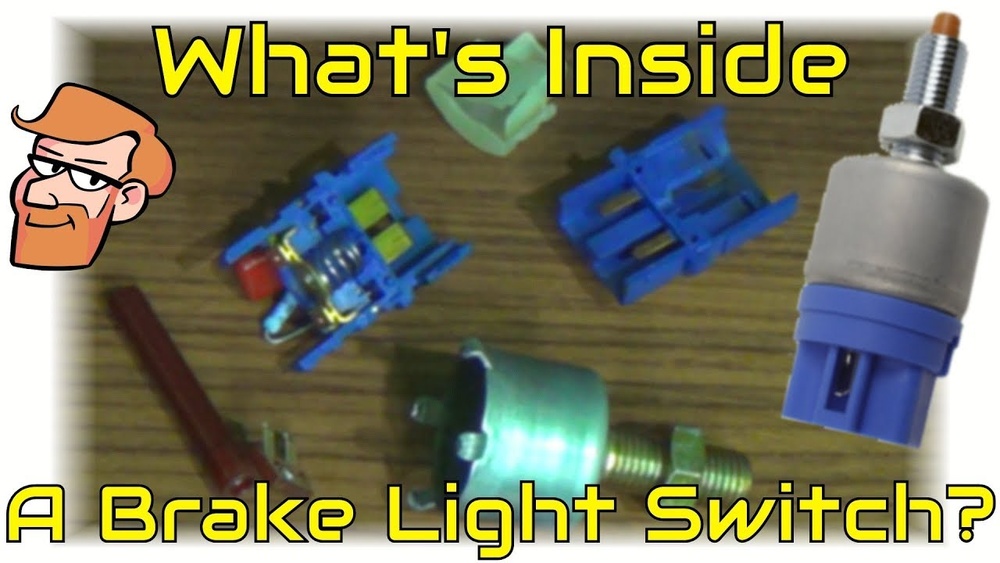
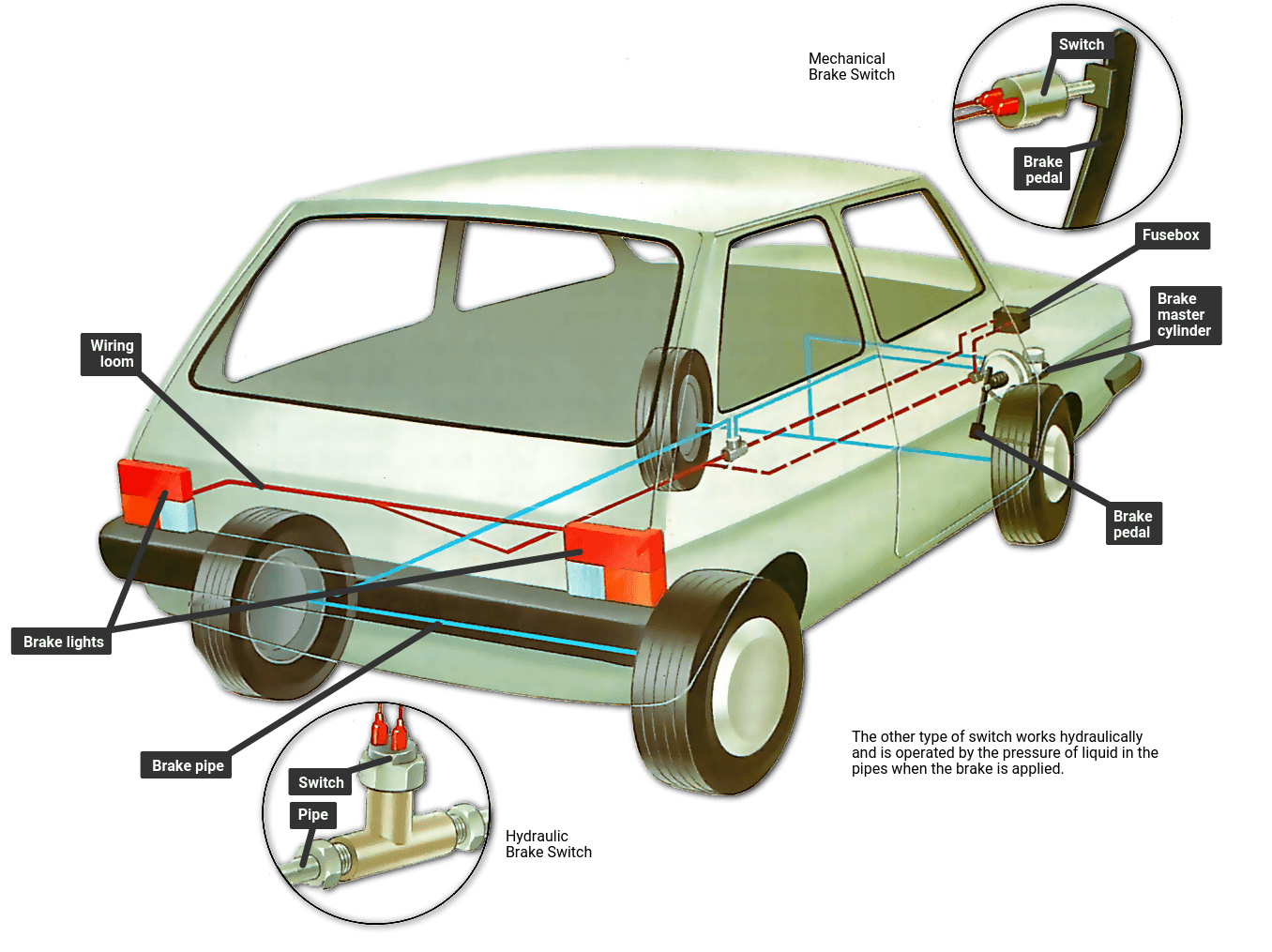
There are mainly two types of brake light switches: mechanical and electronic. Mechanical switches work by physical contact when the pedal moves. Electronic switches use sensors to detect pedal movement. Both types perform the same job but differ in design and technology. Mechanical switches are common in older cars. Electronic switches appear in newer models for better accuracy and reliability.

Credit: www.sw-em.com
Location And Installation
The brake light switch is a small but important part of your vehicle. It signals the brake lights to turn on when you press the brake pedal. Knowing where it is and how it is installed helps you understand its role better.
This section explains the common location of the brake light switch and the basic installation steps. The goal is to give clear and simple information about this key component.
Typical Placement In Vehicles
The brake light switch is usually near the brake pedal. It sits on the brake pedal arm or just above it. This position helps the switch detect pedal movement easily.
In most cars, the switch mounts on the brake booster or pedal bracket. This spot allows it to activate as soon as you press the pedal. The switch connects to the brake light circuit inside the vehicle.
Installation Process
Start by locating the old brake light switch near the pedal. Disconnect the electrical connector from the switch carefully. Unscrew or unclip the switch from its mounting point.
Fit the new switch in the same place. Make sure it aligns with the brake pedal arm. Secure it using screws or clips as before. Reconnect the electrical plug to the new switch.
Test the installation by pressing the brake pedal. Check that the brake lights turn on immediately. Adjust the switch if the lights do not respond properly.
How It Activates Brake Lights
The brake light switch plays a crucial role in vehicle safety. It signals other drivers when you slow down or stop. This switch works by detecting pressure on the brake pedal. Once pressed, it triggers the brake lights to illuminate. Understanding this process helps you grasp how your car communicates on the road.
The activation involves two main parts: mechanical movement and an electrical circuit. Both parts must work perfectly for the brake lights to turn on promptly.
Mechanical Activation
The brake light switch is usually mounted near the brake pedal. When you press the pedal, it moves a small plunger or lever inside the switch. This mechanical movement closes an internal contact. The contact sends a signal to the electrical system. Without this movement, the switch cannot send any signal.
Electrical Circuit Role
Once the mechanical part closes the contact, electricity flows through the circuit. The current reaches the brake lights at the rear of the car. This flow of electricity powers the bulbs or LEDs. As a result, the brake lights turn on immediately. The circuit ensures the lights stay on as long as the pedal is pressed.
Signs Of A Faulty Switch
The brake light switch plays a key role in your vehicle’s safety. It sends a signal to turn on the brake lights when you press the brake pedal. A faulty brake light switch can cause problems that affect driving safety. Knowing the signs helps you spot issues early.
Watch for these signs to keep your car safe and avoid costly repairs. Early detection of switch problems can save time and money.
Common Symptoms
Brake lights that do not turn on or stay on all the time show a common issue. Sometimes, brake lights flicker or work only sometimes. The brake pedal may feel strange or harder to press. Your car’s cruise control might stop working. These symptoms often point to a faulty brake light switch.
Impact On Vehicle Safety
Brake lights warn drivers behind you when you slow down. Faulty switch means no brake lights or wrong signals. This can cause accidents or rear-end collisions. It also affects electronic systems like anti-lock brakes. A bad switch puts you and others at risk on the road.
Testing The Brake Light Switch
Testing the brake light switch helps find problems with your car’s brake lights. A faulty switch can cause brake lights to stay off or stay on. This creates safety risks while driving. Testing the switch is simple and takes little time.
Knowing how to test the brake light switch saves money and avoids unnecessary repairs. It also keeps you safe on the road. Follow the steps carefully for accurate results.
Tools Needed
- Multimeter or test light
- Screwdriver set
- Wrench set
- Flashlight
- Safety gloves
Step-by-step Testing Guide
- Turn off the car and remove the key from the ignition.
- Locate the brake light switch near the brake pedal.
- Disconnect the switch’s electrical connector carefully.
- Set the multimeter to the continuity or resistance mode.
- Connect the multimeter probes to the switch terminals.
- Press the brake pedal slowly and watch the multimeter reading.
- The meter should show continuity when the pedal is pressed.
- No continuity means the switch is faulty and needs replacement.
- Reconnect the switch and test the brake lights by pressing the pedal.
- Check if the brake lights turn on and off properly.
Credit: www.howacarworks.com
Replacing The Brake Light Switch
Replacing the brake light switch is important for your car’s safety. This small part signals the brake lights to turn on when you press the pedal. A faulty switch can cause brake lights to stop working. This can be dangerous and may lead to accidents. Changing the switch is often simple and affordable.
Choosing The Right Replacement
Choose a brake light switch that fits your car model. Check the owner’s manual or ask at an auto parts store. Use the exact part number for best results. Avoid cheap, low-quality switches to ensure reliability. Quality parts last longer and work better.
Diy Replacement Tips
Start by disconnecting the car battery for safety. Locate the brake light switch near the brake pedal. Remove the old switch by unplugging the connector and unscrewing it. Install the new switch in the same position. Reconnect the wiring and battery. Test the brake lights before driving. Take your time and follow instructions carefully.
Maintenance Tips
Maintaining your brake light switch is important for safety and car function. Small checks can stop big problems. Proper care keeps your brake lights working well. This helps avoid accidents and costly repairs. Follow these simple tips to keep the switch in good shape.
Regular Checks
Check the brake light switch every few months. Look for signs of wear or damage. Press the brake pedal and watch the brake lights. They should turn on quickly and stay on. If the lights flicker or don’t work, the switch may need attention. Clean the switch area to remove dirt and dust. Dirt can block the switch from working properly. Use a soft cloth and mild cleaner only. Avoid harsh chemicals that may damage the switch.
Preventive Measures
Keep the brake pedal and switch area free from moisture. Water can cause rust and electrical problems. Avoid spilling liquids near the brake light switch. Replace worn brake pedals or pads to prevent extra pressure on the switch. Use parts that fit your car model exactly. Loose or wrong parts can harm the switch. Test the brake lights after any repair or maintenance. Quick action can save you from bigger troubles later.

Credit: www.youtube.com
Frequently Asked Questions
What Is The Main Function Of A Brake Light Switch?
The brake light switch activates brake lights when the brake pedal is pressed. It signals drivers behind to stop, enhancing road safety.
Where Is The Brake Light Switch Located?
It is typically located near the brake pedal arm under the dashboard. This position allows it to detect pedal movement accurately.
How Does A Brake Light Switch Work?
The switch closes the circuit when the brake pedal is pressed. This sends power to the brake lights, illuminating them instantly.
What Are Common Signs Of A Faulty Brake Light Switch?
Brake lights not turning on or staying on constantly. It can cause brake lights to malfunction and may affect cruise control.
Conclusion
A brake light switch helps keep driving safe. It turns on the brake lights when you press the pedal. This alerts other drivers to slow down or stop. The switch is small but important for road safety. Understanding how it works can help you spot problems early.
Check it regularly to avoid accidents and fines. Simple parts like this make a big difference on the road. Keep your vehicle’s brake light switch in good shape. Drive safely and stay aware of your car’s signals.