Have you ever stuck something with permanent mounting tape and then wondered, “Will this ever come off?” You’re not alone. Whether you’re hanging pictures, securing decorations, or fixing things around your home, knowing if permanent mounting tape can be removed without damage is crucial.
You’ll discover how permanent mounting tape works, what to expect when you try to take it off, and smart tips to make removal easier. Keep reading—you’ll find answers that save you time, frustration, and maybe even your walls.
Credit: www.scotchbrand.com
What Is Permanent Mounting Tape
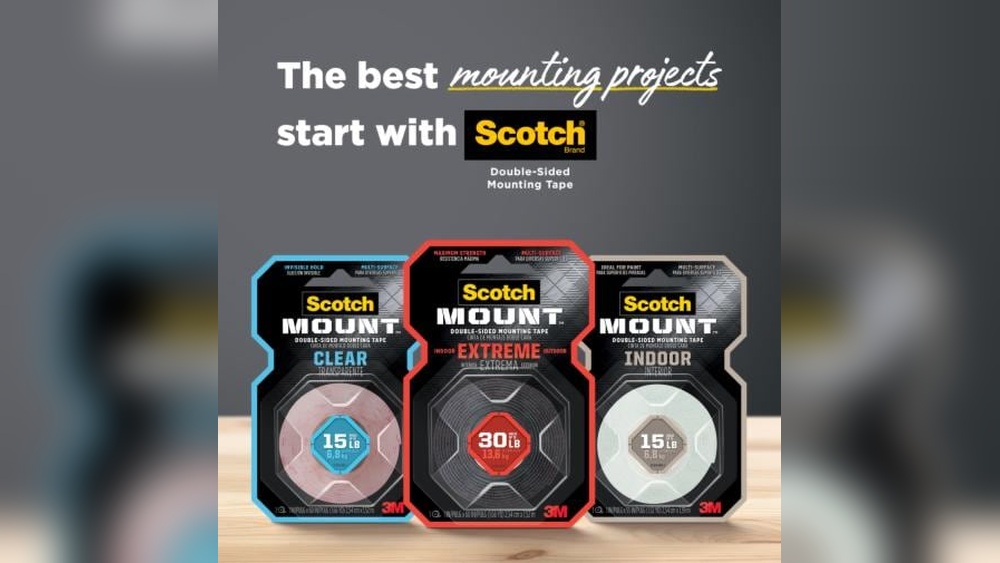
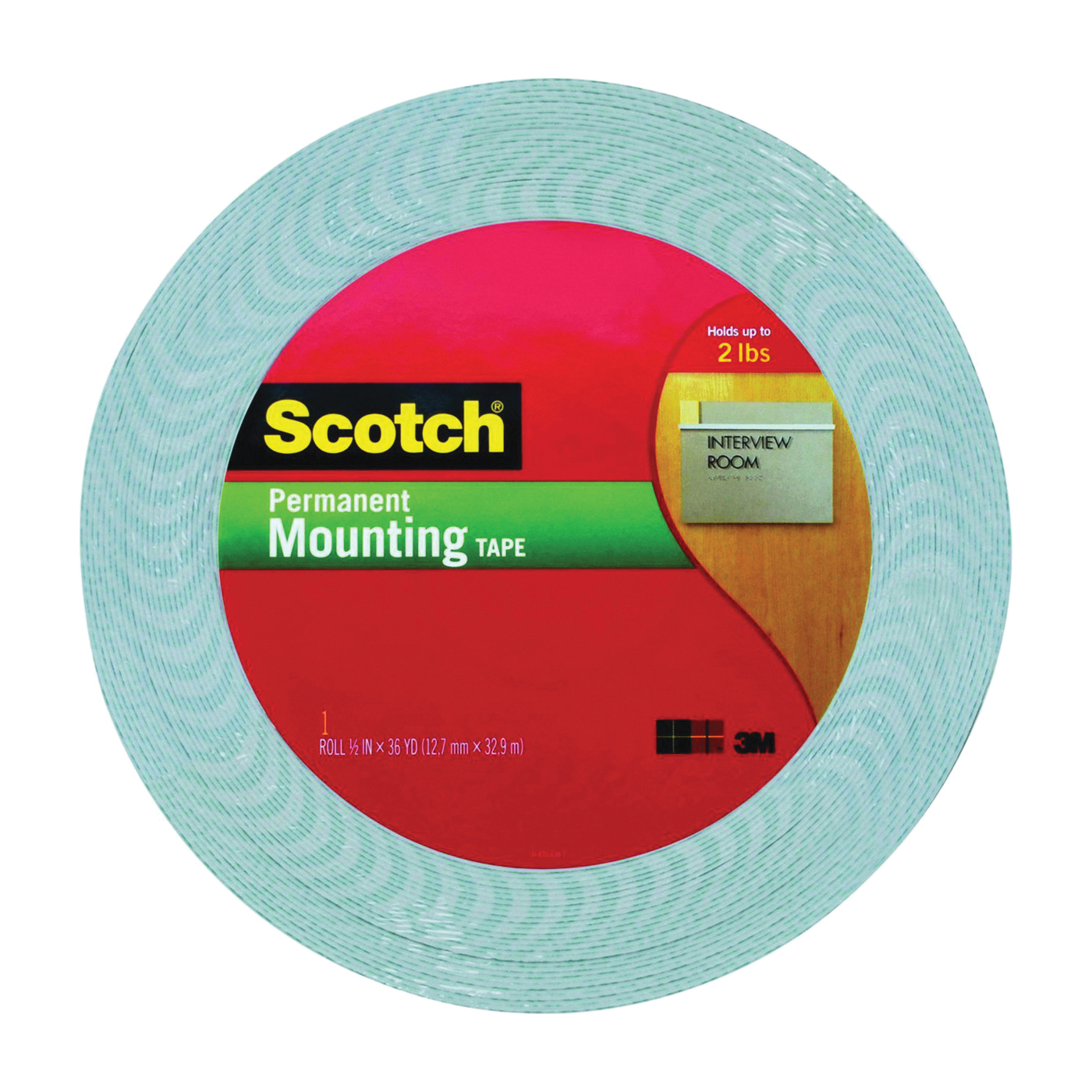
Permanent mounting tape is a type of strong adhesive tape. It is made to hold items firmly in place. This tape sticks well to many surfaces. People use it to mount pictures, signs, and decorations. The bond it creates lasts a long time. It is not easy to remove without damage.
This tape is different from regular tape. Regular tape can peel off easily. Permanent mounting tape has a thicker adhesive layer. It is designed for long-term use. It works well on walls, wood, glass, and metal. The tape offers a clean and neat look.
Types Of Permanent Mounting Tapes
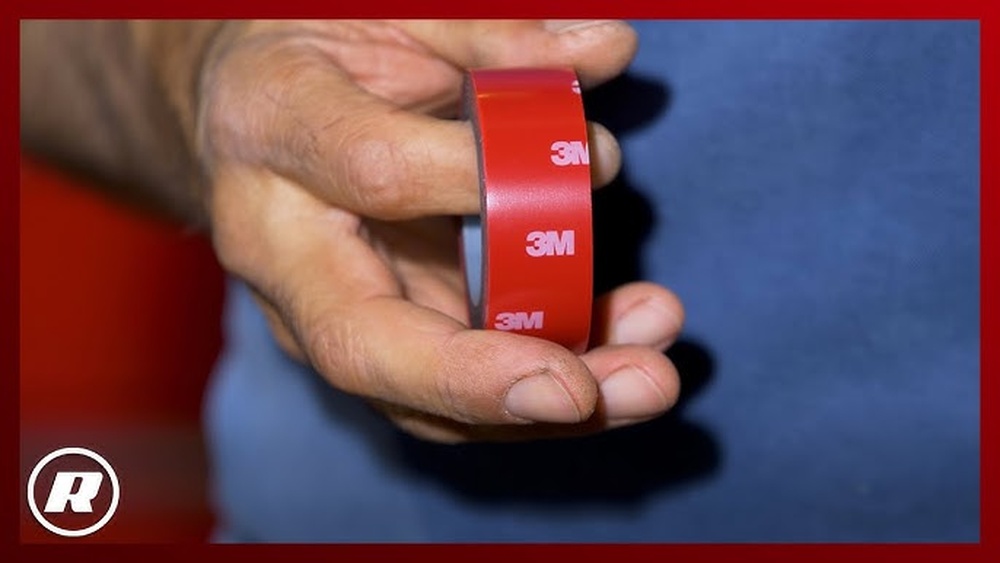
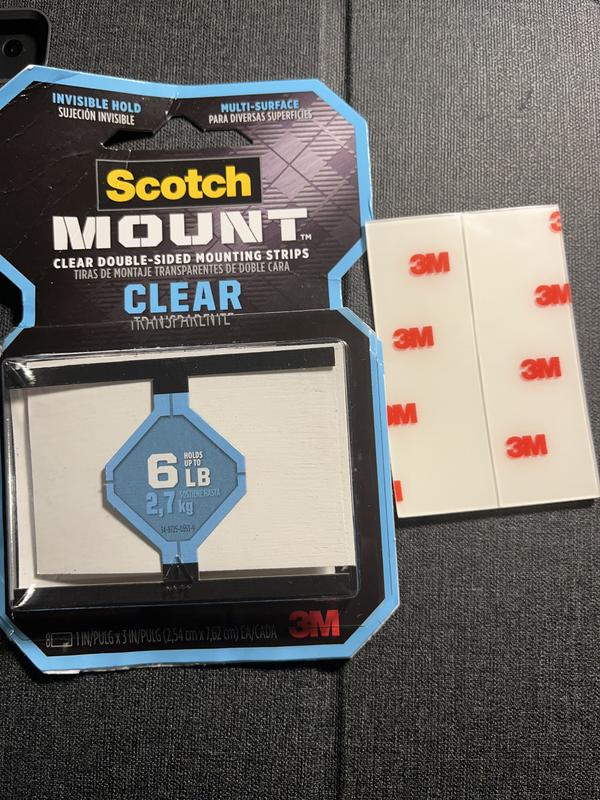
There are several types of permanent mounting tapes. Double-sided tapes are very common. They stick on both sides to hold objects tightly. Foam mounting tape is thicker and soft. It helps fill gaps between surfaces. Clear mounting tape is invisible and good for glass. Each type fits different needs and surfaces.
Materials Used In Mounting Tapes
Mounting tapes use various materials for strength and stickiness. Acrylic is popular for its durability and weather resistance. Rubber adhesives offer strong initial stick but less weather resistance. Foam backing adds cushioning and helps with uneven surfaces. The tape’s backing can be paper, plastic, or foam. These materials work together to create a firm hold.
How Permanent Mounting Tape Works
Permanent mounting tape is a popular choice for sticking objects securely. It creates a strong bond that lasts a long time. The tape uses special materials that help it stick tightly. Understanding how it works helps you use it better and avoid damage.
Adhesion Mechanism
Permanent mounting tape uses a strong adhesive layer. This layer sticks firmly to surfaces. The adhesive is pressure-sensitive, which means it bonds better with pressure. Once pressed down, the tape forms a tight grip. This grip holds objects in place without slipping.
The adhesive also fills tiny gaps on surfaces. This increases the contact area and strength. Over time, the bond gets stronger as the adhesive cures. This curing process makes the tape harder to remove.
Surface Compatibility
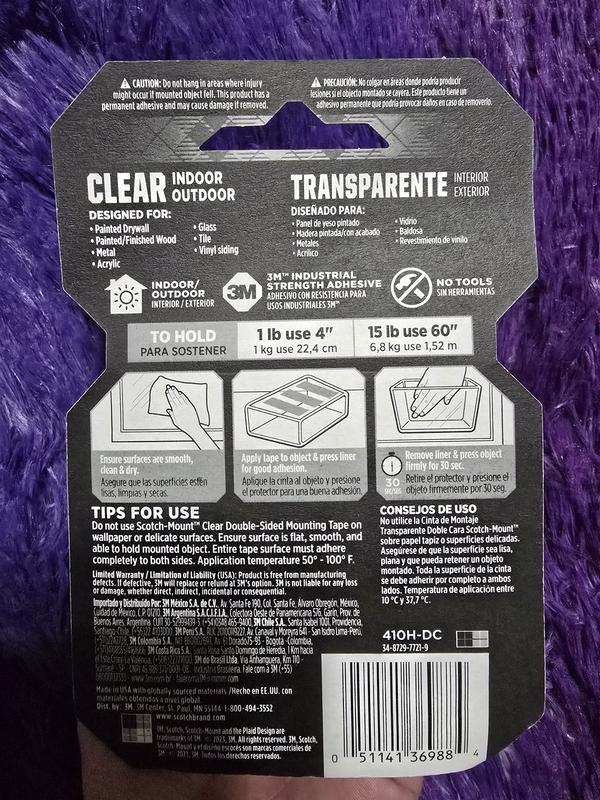
Permanent mounting tape works best on clean, smooth surfaces. Surfaces like glass, metal, and plastic hold the tape well. Rough or dusty surfaces reduce adhesion. Dirt and oil prevent the tape from sticking properly.
Some surfaces may cause the tape to peel off. Porous materials like wood or fabric absorb adhesive, weakening the bond. Testing the tape on a small area helps check compatibility. Proper surface preparation improves the tape’s performance.
Factors Affecting Tape Removal
Removing permanent mounting tape can be tricky. Several factors decide how easily the tape comes off. Knowing these can save time and avoid damage to surfaces. These main factors include the type of surface, the environment, and how long the tape has been applied.
Surface Type And Texture
Smooth surfaces like glass or metal often allow easier tape removal. The tape sticks firmly but peels off cleanly. Rough or porous surfaces, such as wood or textured walls, hold the tape stronger. The adhesive seeps into the tiny holes, making removal harder. The tape may leave residue or damage the surface.
Environmental Conditions
Heat and humidity affect the tape’s stickiness. Warm temperatures soften the adhesive, making tape easier to remove. Cold weather can harden the glue, causing it to peel unevenly. High humidity can weaken the tape’s grip or cause it to leave sticky residue. Dry, stable conditions usually help in clean removal.
Duration Of Application
Short-term tape sticks but comes off easily. The longer the tape stays, the stronger the bond grows. After weeks or months, the adhesive becomes tough to remove. Old tape may break apart or leave stains. Removing tape soon after application helps keep surfaces safe.
Credit: www.scotchbrand.com
Methods To Remove Permanent Mounting Tape
Permanent mounting tape is strong and sticks very well. Removing it can be tough. Several methods help take it off without damage. These methods focus on softening the glue or lifting the tape carefully. Choose the right method based on the surface and tape type.
Heat Application
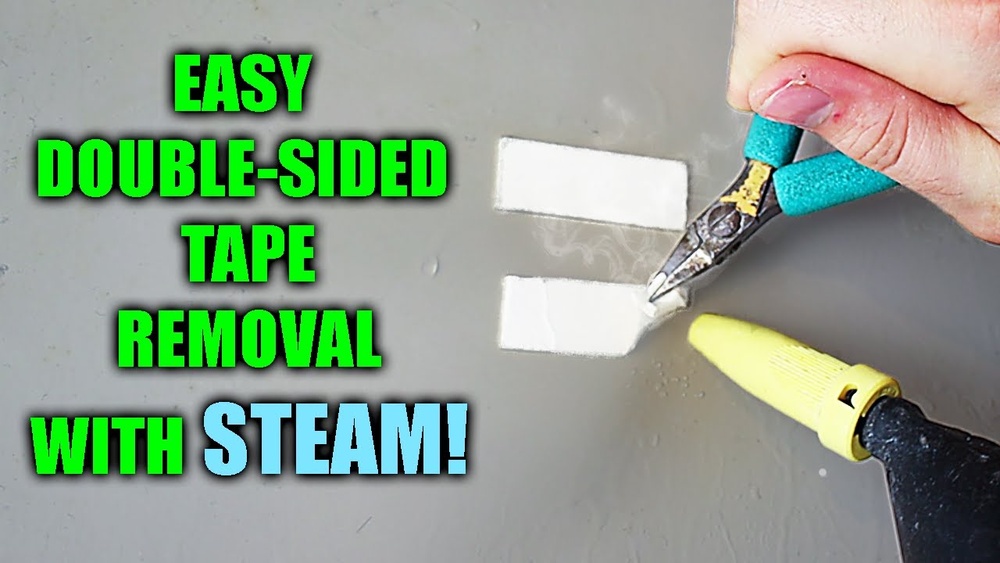
Heat softens the adhesive, making removal easier. Use a hairdryer or heat gun on low settings. Warm the tape evenly for a few minutes. Test the tape’s edge by lifting it gently. Avoid overheating to protect the surface underneath.
Solvents And Cleaners
Some liquids break down the tape’s glue quickly. Rubbing alcohol, vinegar, or commercial adhesive removers work well. Apply a small amount with a cloth or cotton ball. Let it sit for a few minutes. Wipe the tape and residue away gently. Always test solvents on a hidden spot first.
Mechanical Removal Techniques
Use tools like plastic scrapers or credit cards to lift tape edges. Avoid metal tools to prevent scratches. Work slowly and carefully to peel the tape off. For stubborn pieces, repeat heating or solvent steps. Clean the area after removing all residue.
Common Challenges In Tape Removal
Removing permanent mounting tape can be tricky. It sticks very well to surfaces. This strong grip can cause problems during removal. People often face challenges like leftover residue and surface damage. Different surfaces react differently to tape removal. These factors make taking off permanent tape a careful task.
Residue And Damage Risks
Permanent tape often leaves sticky residue behind. This residue attracts dust and dirt. Cleaning it can be hard and time-consuming. Strong adhesives may pull paint or finish off surfaces. Soft materials like wallpaper or wood are more vulnerable. Ripping the tape too fast increases damage risk. Using the right tools and techniques reduces harm.
Effectiveness On Different Surfaces
Some surfaces hold tape better than others. Smooth surfaces like glass and metal allow easier tape removal. Rough or porous surfaces like brick or fabric hold tape tight. Tape removal on plastic may cause scratches. Each surface needs a different approach for safe removal. Testing tape on a small area helps avoid surprises.
Tips For Using Permanent Mounting Tape
Using permanent mounting tape correctly ensures strong holds and easy removal. These tips help you get the best results. Follow them to avoid common problems.
Choosing The Right Tape
Select tape based on the surface type and weight of the object. Different tapes work better on smooth or rough surfaces. Check the tape’s weight limit. Use high-quality brands for better adhesion. Avoid cheap tapes that peel off quickly.
Preparing Surfaces
Clean surfaces before applying tape. Dirt, dust, and oil reduce stickiness. Use rubbing alcohol or soap and water. Let the surface dry completely. Avoid touching the tape’s sticky side. This keeps the bond strong.
Safe Removal Practices
Pull the tape slowly at a low angle. Quick yanks can damage surfaces or leave residue. Use heat from a hairdryer to soften the adhesive. Peel gently to avoid paint or wallpaper damage. Clean any leftover sticky spots with rubbing alcohol.
Alternatives To Permanent Mounting Tape
Permanent mounting tape is strong but not always the best choice. Sometimes you need options that come off easily or can be used again. These alternatives offer flexibility and convenience for different projects. They protect surfaces and reduce damage while holding items securely.
Removable Mounting Options
Removable mounting tapes hold items firmly but peel off cleanly. They leave no sticky residue or damage on walls or surfaces. Ideal for renters or temporary displays. You can move or replace decorations without stress. These tapes work well for posters, photos, and lightweight objects. They keep surfaces safe and look neat.
Reusable Adhesive Solutions
Reusable adhesives stick and unstick multiple times. They save money and reduce waste by lasting longer. These adhesives are perfect for small tools, cables, and crafts. You can wash them to restore stickiness. They adapt to different surfaces like glass, wood, and metal. Reusable options offer great value and ease of use.
Credit: www.mclendons.com
Frequently Asked Questions
Does Permanent Mounting Tape Leave Residue When Removed?
Permanent mounting tape can leave some adhesive residue on surfaces after removal. The amount varies by tape type and surface material. Using rubbing alcohol or adhesive remover helps clean leftover residue effectively without damaging the surface.
How Long Does Permanent Mounting Tape Stay Stuck?
Permanent mounting tape is designed for long-term adhesion and can stay stuck for years. Environmental factors like heat and humidity may affect its durability. It provides a strong, lasting bond on clean, smooth surfaces.
Can Permanent Mounting Tape Damage Walls When Removed?
Yes, permanent mounting tape can damage walls when removed, especially on delicate surfaces. Peeling it off too quickly or forcefully may strip paint or wallpaper. Use gentle heat or adhesive remover to minimize damage during removal.
Is Permanent Mounting Tape Waterproof And Weather-resistant?
Most permanent mounting tapes are water-resistant and can handle moderate moisture. However, extreme weather conditions may weaken the adhesive over time. For outdoor use, choose tapes labeled specifically for weather resistance to ensure durability.
Conclusion
Permanent mounting tape sticks very well but can come off with effort. Heat or oil can help loosen the adhesive. Sometimes, removing tape leaves residue on surfaces. Gently rubbing with a cloth and cleaner usually removes leftover glue. Choose tape based on your needs and surface type.
Knowing how to remove it saves time and prevents damage. Always test a small area first to be safe. Permanent mounting tape works best for long-lasting holds but can be removed carefully. Keep these tips in mind for easy removal.