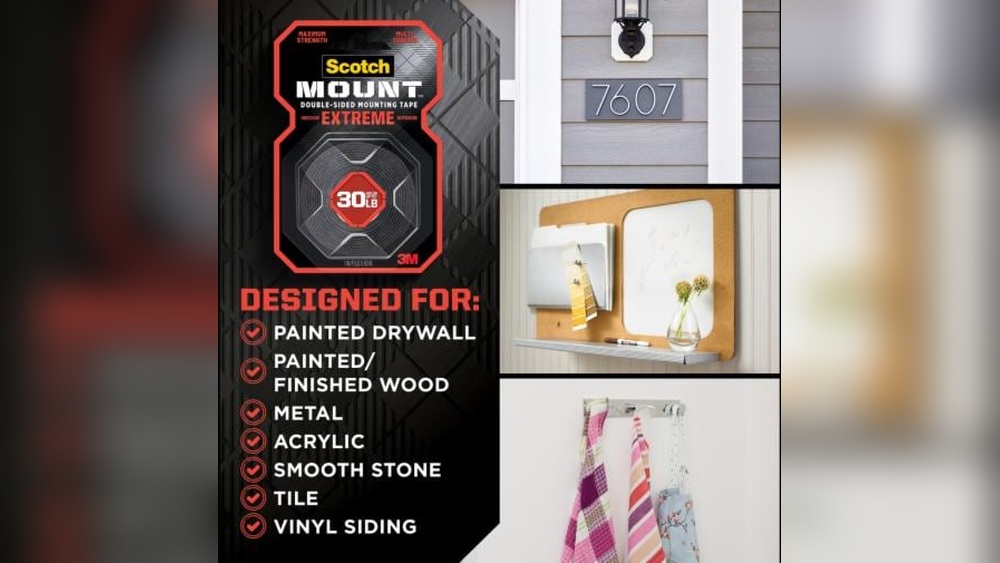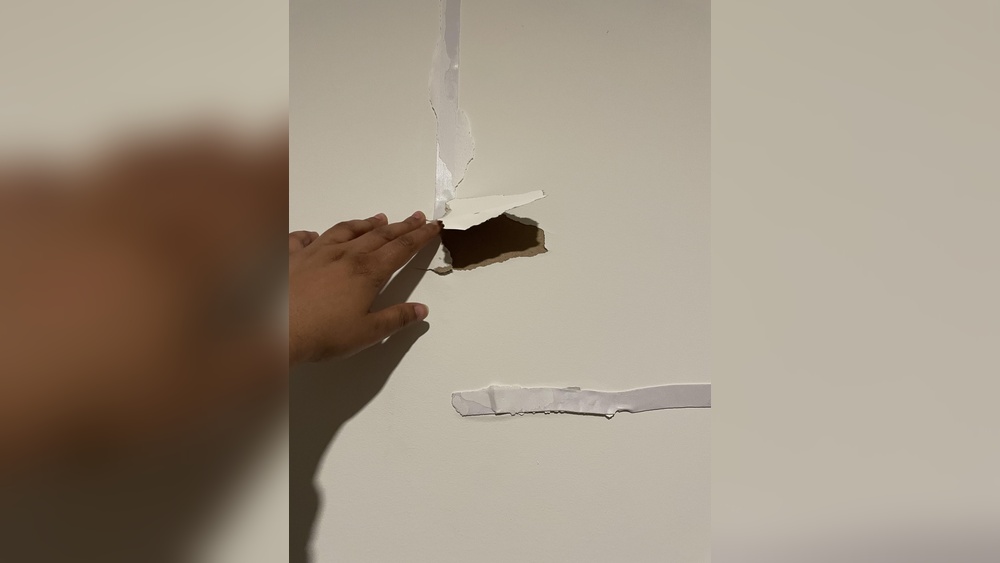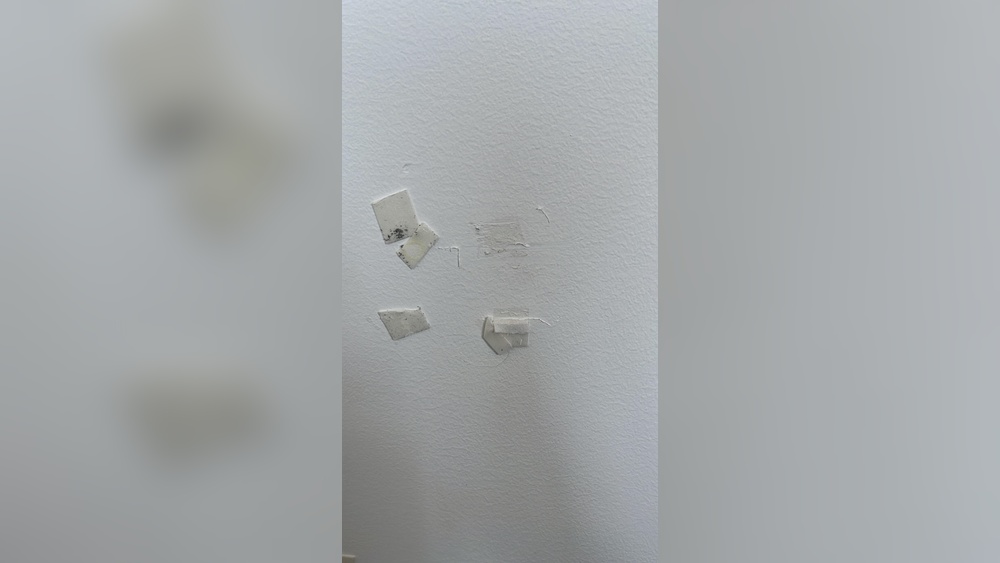
Are you struggling to remove Command mounting tape without damaging your walls or leaving sticky residue behind? You’re not alone.
Many people find it tricky to get rid of this tape cleanly and safely. But don’t worry—removing Command mounting tape can be simple when you know the right steps. You’ll discover easy and effective techniques to remove the tape quickly, protect your surfaces, and keep your space looking perfect.
Ready to learn how? Let’s dive in!
What Is Command Mounting Tape
Command mounting tape is a popular adhesive product used to hang items without nails or screws. It sticks firmly to walls and other surfaces. People use it to mount pictures, hooks, and decorations. The tape is designed to hold weight but also remove cleanly without damage.
This tape works with special adhesives that create a strong bond. It is double-sided, sticky on both sides. One side sticks to the wall, the other to the item. The tape comes in strips or small squares.
Command mounting tape is ideal for renters or those who want to avoid holes. It holds objects securely yet peels away easily. The tape leaves no sticky residue behind. It is a simple and clean solution for hanging needs.
What Materials Does Command Mounting Tape Work On?
The tape works well on smooth surfaces like painted walls, glass, metal, and wood. It does not stick well on rough or porous surfaces. Textured walls, brick, and wallpaper can reduce adhesion. Clean, dry surfaces give the best results.
How Strong Is Command Mounting Tape?
Each tape strip holds a few pounds. The strength depends on the tape size and surface type. It supports small frames, hooks, and lightweight decorations. Heavy objects or valuable items need stronger mounting options.
Why Choose Command Mounting Tape?
The tape is easy to use and leaves no damage. It saves time and avoids tools like drills or hammers. Removal is simple by pulling the tape strip slowly. It is a practical choice for temporary or permanent mounting.
Credit: thehomesihavemade.com
Tools Needed For Removal
Removing Command mounting tape is easier with the right tools. These tools help you pull off the tape without damage. They keep surfaces safe and clean during removal. Preparing these tools before you start saves time and effort.
Plastic Putty Knife
A plastic putty knife helps to lift the tape gently. It slides under the tape without scratching surfaces. Use it to loosen the tape edges carefully.
Hair Dryer
A hair dryer softens the tape’s adhesive with warm air. This makes the tape easier to peel off. Heat the tape evenly for a few seconds before pulling.
Microfiber Cloth
A microfiber cloth cleans leftover sticky residue after tape removal. It absorbs cleaning solutions without scratching surfaces. Use it with gentle cleaning agents for best results.
Adhesive Remover
An adhesive remover dissolves sticky glue left on surfaces. Choose a remover safe for your surface type. Apply a small amount and wipe gently with a cloth.
Gloves
Gloves protect your hands from sticky glue and cleaning chemicals. They keep your skin clean and safe during removal. Use disposable or reusable gloves for comfort.
Preparing The Surface
Preparing the surface is the first step to remove Command mounting tape safely. A clean and dry surface helps the tape come off without damage. Take your time to get the area ready before you start pulling the tape.
Clean The Area Around The Tape
Use a soft cloth to wipe away dust and dirt. Dirt can make the tape stick tighter. Avoid wetting the tape itself. Clean only the space around it. This prevents debris from causing scratches or damage.
Dry The Surface Thoroughly
Make sure the surface is completely dry. Water can weaken the tape’s grip but also make removal messy. Use a dry towel or let it air dry. A dry surface allows better control when pulling the tape off.
Check For Delicate Materials
Look at the surface type. Some materials like wallpaper or painted walls are fragile. Handle these areas carefully. Preparing the surface with gentle cleaning helps avoid peeling or damage.
Step-by-step Removal Process
Removing Command mounting tape is simple with the right steps. Follow this clear process to avoid damage and clean the surface easily. Take your time and be gentle to get the best results.
Loosening The Tape
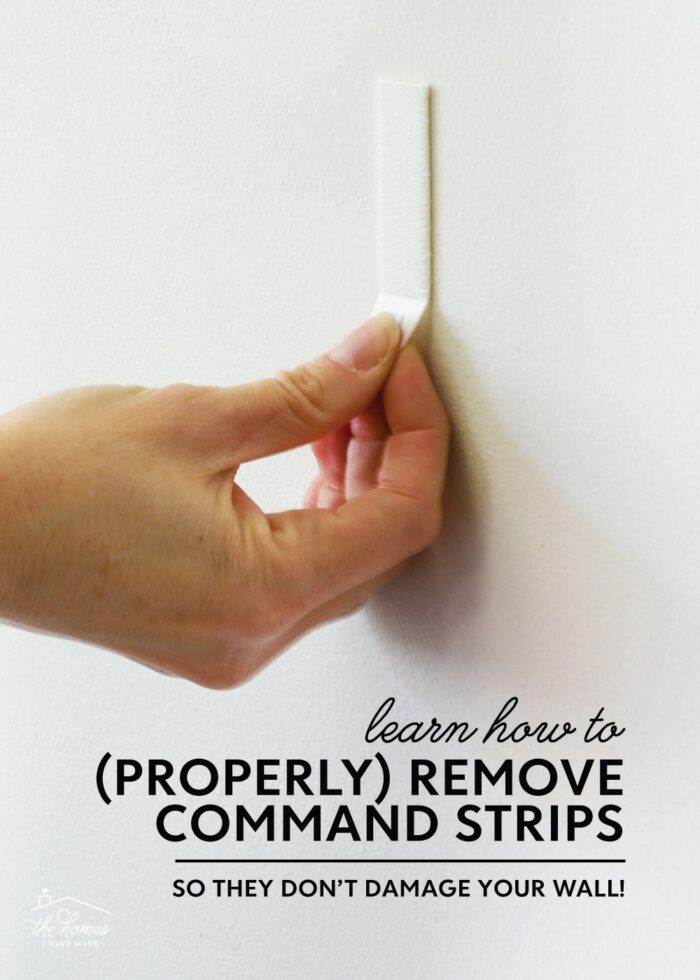
Start by holding the edge of the tape firmly. Pull it slowly sideways, not upwards. This helps loosen the tape without harming the wall or surface. Keep a steady pull to avoid tearing the tape. If it feels stuck, warm the tape slightly with a hair dryer. Warmth softens the adhesive for easier removal.
Peeling Off Slowly
Peel the tape back slowly and carefully. Do not rush or pull too hard. A slow peel reduces the chance of damage. Keep the tape close to the surface while pulling. This method helps the adhesive stretch and come off cleanly. Stop if you feel strong resistance. Move back to loosening before trying again.
Handling Stubborn Residue
Some residue might stay on the surface. Use a soft cloth with warm soapy water to wipe it gently. Avoid harsh scrubbing that can harm paint or wallpaper. If residue remains, try rubbing a little rubbing alcohol on a cloth. Test a small area first to be safe. Finish by wiping the surface dry to remove any leftover cleaner.
Using Heat For Easier Removal
Using heat makes removing Command mounting tape much easier. Heat softens the adhesive, so the tape peels off without damage. This method saves time and keeps surfaces safe.
How To Apply Heat Safely
Use a hairdryer on a low or medium setting. Hold it a few inches from the tape. Move the heat back and forth for about 30 seconds. Avoid staying in one spot too long.
Peeling The Tape After Heating
Once warm, gently pull the tape from one edge. Pull slowly and steadily at a low angle. The softened adhesive should release smoothly. Stop if you feel too much resistance.
Tools To Help Remove Sticky Residue
Use a plastic scraper or credit card to lift stubborn spots. Dab a little rubbing alcohol on a cloth for leftover sticky bits. Wipe gently to clean without scratching the surface.
Credit: gorillatough.com
Cleaning After Removal
Cleaning after removing Command mounting tape is important. The tape leaves behind sticky residue. This residue can attract dust and dirt. It may also damage the surface if not cleaned properly. Taking a few steps can keep your walls or furniture looking fresh and clean. Here is how to clean effectively after tape removal.
Removing Adhesive Residue
Start by gently scraping off any large glue pieces. Use a plastic card or your fingernail. Avoid metal tools to prevent scratches. Next, apply a small amount of rubbing alcohol or vinegar to a cloth. Rub the sticky spots softly in a circular motion. This helps dissolve the glue without harming the surface. For sensitive areas, test the cleaner on a hidden spot first. Wipe the area with a damp cloth to remove leftover cleaner. Let the surface dry completely before moving on.
Protecting The Surface
After cleaning, protect the surface from future damage. Avoid harsh chemicals or abrasive scrubbing. These can wear down paint or finishes. Use a mild soap and water mix for regular cleaning. Dry the surface thoroughly to prevent moisture damage. Consider applying a gentle polish or wax for wood surfaces. This adds a protective layer and keeps surfaces shiny. Taking care after removal keeps your space looking neat and new.
Tips To Avoid Damage
Removing Command mounting tape can be tricky. It can damage walls or surfaces if done carelessly. Following some simple tips helps keep surfaces safe. These tips make removal easier and prevent marks or paint peeling.
Use Heat To Soften The Adhesive
Warm the tape with a hairdryer on low heat. Heat makes the adhesive soft and less sticky. This helps the tape peel off gently without pulling paint or wallpaper.
Peel Slowly At An Angle
Start peeling the tape slowly from one corner. Pull the tape back at a 45-degree angle. Slow movement reduces the risk of tearing or damaging the surface.
Use Dental Floss For Stubborn Tape
For tough spots, slide dental floss behind the tape. Move the floss in a gentle sawing motion. This cuts through the adhesive without harming the wall.
Clean Residue With Warm Soapy Water
After removing the tape, some sticky residue may remain. Use a cloth with warm soapy water to wipe it off. Avoid strong chemicals that can damage paint or finishes.
Credit: www.scotchbrand.com
When To Seek Professional Help
Removing Command mounting tape might seem easy at first. But some situations need expert help. Knowing when to call a professional saves time and prevents damage.
Some tapes stick very tightly to surfaces. Pulling them off can harm walls or furniture. Professionals have the right tools and skills. They remove tape safely without leaving marks or tearing paint.
Signs Of Surface Damage
If the tape peels paint or leaves deep marks, stop removing it yourself. Surface damage may worsen without proper care. A professional can repair or protect the area while removing the tape.
Stubborn Or Old Tape
Older tape or very strong adhesive can be tough to remove. It might break into pieces or leave sticky residue. Experts use special solutions to dissolve adhesive safely.
Delicate Or Valuable Items
Remove tape from fragile or valuable items with care. Glass, antiques, or electronics need gentle handling. A professional knows how to avoid damage during tape removal.
Time Constraints And Convenience
Busy schedules leave little time for tricky tape removal. Professionals finish the job quickly and cleanly. Hiring help ensures the task is done right the first time.
Frequently Asked Questions
How Do I Safely Remove Command Mounting Tape?
To safely remove Command mounting tape, slowly pull the tape strip straight down, stretching it parallel to the surface. Avoid pulling it outward. This method releases the adhesive without damaging walls or surfaces.
Can Heat Help Remove Command Mounting Tape?
Yes, applying heat with a hairdryer softens the adhesive, making removal easier. Heat the tape gently before peeling to reduce surface damage and residue.
What Should I Avoid When Removing Command Tape?
Avoid pulling the tape away from the wall or surface, which can cause paint or damage. Also, do not use sharp tools that may scratch or ruin the surface.
How Do I Clean Residue After Removing Command Tape?
Use a mild adhesive remover or rubbing alcohol on a soft cloth to wipe away residue. Test on a small area first to prevent surface damage.
Conclusion
Removing Command mounting tape is simple with the right steps. Start slowly to avoid damage. Use heat to loosen the adhesive gently. Pull the tape down, not away, for best results. Clean any leftover residue with soap or rubbing alcohol.
Patience helps prevent marks on your walls. Now, you can remove tape without stress or mess. Easy and effective. Keep these tips handy for future use.