Struggling to remove that stubborn extreme mounting tape without damaging your walls or surfaces? You’re not alone.
Extreme mounting tape sticks like glue, making it tough to take off without leaving a mess. But don’t worry—there are simple, effective ways you can try right now to get rid of it cleanly and quickly. Keep reading, and you’ll discover easy steps that save your time, protect your space, and bring back the smooth finish you want.
Tools Needed
Removing extreme mounting tape requires specific tools. These tools make the process easier and safer. Having the right supplies helps avoid damage to surfaces. Some tools are essential, while others just help speed up the task.
Essential Supplies
A plastic scraper or putty knife is crucial. It helps lift the tape without scratching the surface. Rubbing alcohol or adhesive remover breaks down the sticky residue. Soft cloths or paper towels clean the area after removal. Gloves protect your hands from chemicals and sharp edges.
Optional Aids
A hairdryer or heat gun softens the tape adhesive. Warmth makes it easier to peel off the tape. Tweezers assist in pulling small tape pieces. A sponge or soft brush helps scrub off leftover glue. These tools are not required but improve efficiency.

Credit: www.amazon.com
Preparing The Surface
Preparing the surface is the first step in removing extreme mounting tape safely. A clean and protected area helps remove the tape without causing damage. It also makes the process smoother and faster.
Cleaning Around The Tape
Remove dust, dirt, and grease near the tape edges. Use a soft cloth and mild soap with water. Avoid harsh chemicals that may damage the surface. Dry the area completely before starting the tape removal.
Protecting Nearby Areas
Cover surfaces close to the tape with painter’s tape or plastic sheets. This prevents scratches or stains during removal. Protect walls, furniture, and floors around the workspace. Take time to secure the area well for better results.
Step-by-step Removal Process
Removing extreme mounting tape can seem tough. The strong adhesive sticks well to surfaces. Follow this simple step-by-step process. It helps remove the tape safely without damage.
Softening The Adhesive
Start by softening the tape’s glue. Use a hairdryer or heat gun on low heat. Warm air loosens the adhesive bond. Hold the heat source a few inches away. Move it slowly over the tape for about one minute. Be careful not to overheat the surface.
Peeling Off The Tape
After heating, try peeling the tape gently. Lift one edge with your fingernail or a plastic scraper. Pull the tape back slowly at a low angle. Avoid quick or sharp pulls. If the tape resists, apply more heat and try again. Patience helps prevent damage.
Handling Stubborn Residue
Some sticky residue may stay on the surface. Use rubbing alcohol or adhesive remover on a cloth. Rub the residue gently until it softens and lifts. Wipe the area clean with a damp cloth. Repeat if needed, but do not scrub hard.
Using Heat For Easier Removal
Using heat makes removing extreme mounting tape much easier. The heat softens the adhesive, reducing its grip. This helps peel off the tape without damaging the surface underneath. Heat also cuts down the time and effort needed for removal.
Applying Heat Safely
Keep the heat source moving to avoid damage. Hold it a few inches away from the tape. Heat the tape for about 30 seconds or until it feels warm. Avoid using too much heat to protect paint or plastic. Test a small area first to check the surface’s reaction.
Tools For Heat Application
A hairdryer works well for most mounting tape. Use the highest heat setting for best results. A heat gun can be used but with extra caution. Keep the heat gun on a low setting and move it constantly. Avoid open flames like lighters or candles. They can burn the surface or cause accidents.
Chemical Solutions
Chemical solutions can help remove extreme mounting tape safely and effectively. These solutions work by softening the adhesive. This makes it easier to peel or wipe away the tape residue. Choosing the right chemical is important to protect the surface underneath. Using the wrong solvent can cause damage or discoloration. Below are tips on selecting and applying chemical solutions.
Choosing The Right Solvent
Pick a solvent that matches the tape type and surface material. Common options include rubbing alcohol, acetone, or commercial adhesive removers. Test the solvent on a small hidden spot first. This check helps avoid damage or stains. Avoid harsh chemicals on delicate surfaces like painted walls or plastic. Always use the mildest solvent that works well.
Safe Application Tips
Apply the solvent in a well-ventilated area. Use a soft cloth or cotton ball to dab the solution on the tape. Let it sit for a few minutes to soften the adhesive. Gently rub or peel the tape off without forcing it. Clean the surface with warm soapy water after removal. Wear gloves to protect your skin from chemicals. Keep solvents away from children and pets.
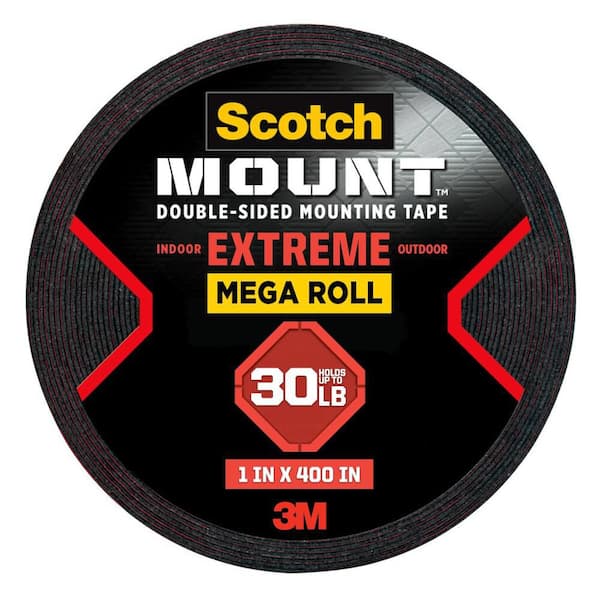
Credit: www.homedepot.com
Preventing Surface Damage
Removing extreme mounting tape can be tricky. The tape sticks very well, which can harm surfaces. Preventing surface damage is important to keep walls, wood, or glass safe. Use careful steps to avoid scratches and reduce leftover sticky marks.
Avoiding Scratches
Start by peeling the tape slowly. Pull it back at a low angle. Use your fingers or a plastic card to lift the tape gently. Avoid using sharp tools like knives. Scratches happen when you force or scrape too hard. Work patiently to protect the surface finish.
Minimizing Residue
Sticky residue can be hard to clean. Use warm soapy water and a soft cloth to wipe the area. For tougher glue, try rubbing alcohol or a small amount of oil. Test these on a hidden spot first. Clean the surface gently to avoid damage. This keeps the area smooth and ready for new decorations.
Cleaning Up After Removal
Removing extreme mounting tape can leave sticky residue behind. Cleaning up after removal is important to restore the surface. Proper cleaning prevents damage and keeps the area neat. Follow easy steps to remove leftover adhesive and care for the surface.
Removing Leftover Adhesive
Start by gently scraping off large glue pieces with a plastic scraper. Avoid metal tools to prevent surface scratches. Apply a small amount of rubbing alcohol or adhesive remover on a cloth. Dab the sticky spots carefully until the residue softens. Wipe away softened adhesive with a clean cloth. Repeat the process if needed. Test any chemical on a hidden area first to avoid damage.
Final Surface Care
After removing all adhesive, clean the surface with warm soapy water. Use a soft cloth to avoid scratches. Dry the area completely with a clean towel. For wooden surfaces, apply a light polish to restore shine. On painted walls, check for any peeling paint and touch up if necessary. Proper care helps the surface look fresh and ready for new use.
When To Seek Professional Help
Removing extreme mounting tape can be tricky and risky. Sometimes, the tape sticks too hard or damages the surface. Knowing when to get help saves time and prevents harm. Experts have tools and skills for safe removal. Recognizing signs for professional help is important.
Signs Of Surface Damage
Peeling paint or cracked walls need expert care. Strong tape can pull off layers or leave marks. Professionals know how to fix and clean without harm. Avoid trying to fix deep damage alone.
Persistent Residue Issues
Some tapes leave sticky, hard residue behind. Home methods might not remove it fully. Experts use special solvents and tools. They clear residue safely and fast.
Risk Of Injury
Using sharp tools can cause cuts or scrapes. If tape is in a hard-to-reach spot, help is wise. Professionals have safety gear and experience. Protect your hands and fingers by asking for help.
Complex Surfaces
Delicate or textured surfaces need careful handling. Tape on glass, wood, or fabric can be tricky. Experts know the best methods for each type. They prevent damage and keep surfaces clean.

Credit: www.scotchbrand.com
Frequently Asked Questions
How Do I Safely Remove Extreme Mounting Tape?
To remove extreme mounting tape safely, heat it with a hairdryer to soften the adhesive. Then, gently peel it off using a plastic scraper. Avoid sharp tools to prevent surface damage.
What Household Items Help Remove Mounting Tape Residue?
Rubbing alcohol, vinegar, or adhesive remover works well to clean tape residue. Apply with a cloth, let it sit for a few minutes, then wipe gently to remove leftover adhesive.
Can Extreme Mounting Tape Damage Surfaces?
Yes, extreme mounting tape can damage delicate surfaces if removed improperly. Always test a small hidden area first and use heat or adhesive removers to minimize damage.
How Long Does It Take To Remove Extreme Mounting Tape?
Removal time varies but typically takes 5 to 15 minutes. Heating the tape and using adhesive remover speeds up the process.
Conclusion
Removing extreme mounting tape takes patience and the right tools. Start slowly to avoid damaging surfaces. Use gentle heat or oil to soften the adhesive. Scrape carefully with a plastic tool, not metal. Clean leftover residue with rubbing alcohol or soap.
Taking your time helps keep things safe and clean. Follow these steps to remove tape without stress or mess. You can handle this task with simple methods and care.