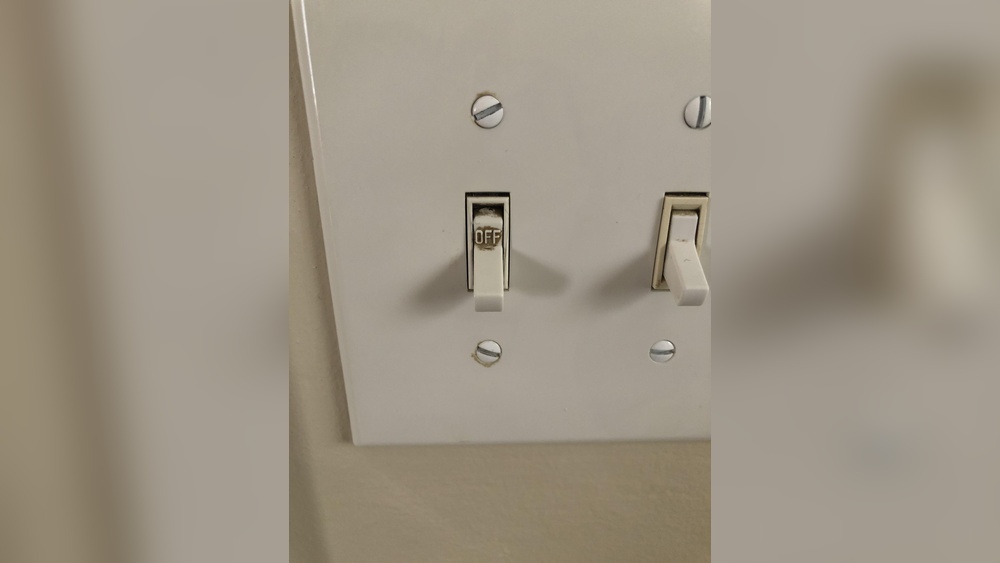
Have you ever flipped a light switch, only to find nothing happens? It’s frustrating and can leave you wondering if the switch itself is to blame.
Knowing how to tell if your light switch is bad can save you time, money, and hassle. You’ll learn simple signs to watch for and easy steps to check your switch’s health. By the end, you’ll feel confident in spotting the problem before it becomes a bigger issue.
Keep reading—you might just fix your lighting trouble faster than you think.
Credit: www.reddit.com
Common Light Switch Problems
Light switches control the flow of electricity to your lights. Problems with switches can cause frustration and safety issues. Knowing the common signs of a bad switch helps you decide if repair or replacement is needed.
Many light switch problems are easy to spot. These signs often show early issues before a total failure or hazard occurs.
Switch Feels Loose Or Wobbly
A loose or wobbly switch can mean worn or damaged parts inside. This may cause poor contact with the electrical wires. Loose switches can be unsafe and might cause flickering or no light at all.
Switch Does Not Click
Most switches make a soft click sound when toggled. No click could mean the internal mechanism is broken. A switch that doesn’t click might not connect the circuit properly. This often leads to lights not turning on or off.
Lights Flicker Or Dim
Flickering or dim lights often point to a bad switch. Poor connections inside the switch can cause inconsistent power flow. This can make lights blink or glow weakly. It may also indicate loose wiring or other electrical issues.
Switch Gets Warm Or Hot
A warm or hot switch is a warning sign. It shows excessive electrical resistance or a loose connection. Heat can damage the switch and increase fire risk. Switches should always feel cool to the touch.
Visual Signs Of A Faulty Switch
Visual signs help identify a bad light switch quickly. Check the switch closely for any damage. These signs often mean the switch needs repair or replacement. Spotting problems early avoids electrical hazards and keeps your home safe.
Burn Marks Or Discoloration
Burn marks near the switch or on the plate show overheating. Dark spots or melted plastic mean the switch may be faulty. Discoloration often comes from electrical shorts or high resistance. Avoid touching the switch if you see burns. Call an electrician for a safe inspection.
Cracked Or Broken Switch Plate
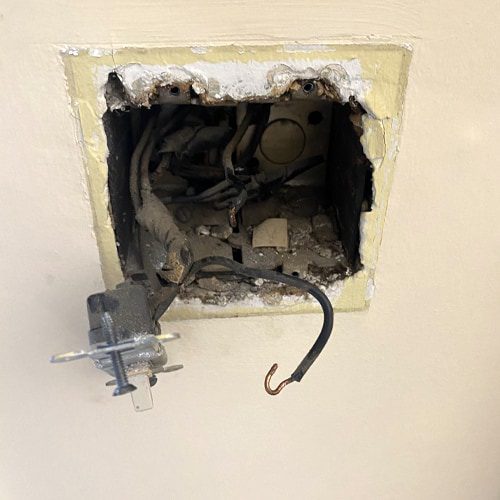
A cracked or broken switch plate can expose wiring inside. This damage is dangerous and makes the switch unsafe to use. Loose or missing screws can also cause the plate to move. Replace damaged plates immediately to prevent shocks or fires. A secure switch plate protects your home and family.
Corroded Or Rusty Components
Corrosion or rust on the switch parts shows moisture damage. Moisture can cause the switch to fail or short circuit. Rusty screws and contacts reduce electrical flow and may cause flickering lights. Clean or replace corroded switches to restore safe function. Keep switches dry to avoid corrosion problems.
Testing The Switch Functionality
Testing the switch functionality helps find out if the light switch works well. It shows if the switch sends power properly or has a fault inside. This step is key before replacing the switch or calling an electrician. Simple tools like a multimeter or voltage tester make the check easy. Also, listening closely can reveal hidden problems.
Using A Multimeter To Check Continuity
A multimeter measures if the switch allows electric current to pass. Turn off the power to the switch first. Remove the switch cover and set the multimeter to continuity mode. Touch the meter probes to the switch terminals. If the meter beeps or shows zero resistance, the switch is good. No beep or infinite resistance means the switch is bad.
Testing With A Voltage Tester
A voltage tester detects if electricity flows through the switch. Turn the switch on and place the tester near the switch terminals. If the tester lights up or beeps, electricity is present. Switch off and test again; no power should be detected now. If the tester shows power all the time, the switch may be faulty.
Listening For Unusual Sounds
Sounds can tell a lot about switch health. Clicks should be clear and firm when you flip the switch. Buzzing or crackling noises suggest loose parts or electrical issues. These sounds mean the switch might fail soon. Replace the switch to avoid safety risks.
Credit: rytecelectric.com
Safety Precautions Before Inspection
Checking a light switch can be risky without proper safety steps. Electricity can cause shocks or fires. Taking safety precautions protects you from harm. Always prepare well before starting your inspection.
Turn Off Power At Circuit Breaker
Find the right breaker for the room or area. Switch it off to cut power to the light switch. Use a tester to confirm no electricity flows. Never rely on the wall switch alone to stop power.
Use Insulated Tools
Pick tools with insulated handles. These protect against electric shocks. Avoid metal tools without insulation. Insulated tools keep you safer during the check.
Wear Protective Gear
Wear rubber gloves to stop electric shocks. Use safety glasses to protect your eyes. Avoid loose clothes that can catch on wires. Protective gear keeps you safe and confident.
When To Replace The Switch
Knowing when to replace a light switch helps keep your home safe and working well. A bad switch can cause problems like flickering lights or no power at all. Pay attention to signs that show the switch is worn out or broken. Replacing a switch on time avoids bigger electrical issues later.
Persistent Flickering Or Failure
Lights that flicker often or do not turn on show a switch problem. Flickering means the switch does not make a steady connection. A switch that fails to work at all needs replacement. Do not ignore these signs. They can lead to electrical hazards.
Visible Damage Or Wear
Look for cracks, discoloration, or burn marks on the switch. These are clear signs of damage. Loose or broken parts also mean the switch is bad. Damaged switches can cause sparks or shocks. Replace the switch to prevent accidents.
Failed Electrical Tests
Electricians use tests to check if a switch works properly. A switch that fails these tests is unsafe. It may cause short circuits or power loss. Replace switches that do not pass electrical checks. This keeps your home’s wiring secure and reliable.
Diy Vs Professional Help
Deciding between fixing a light switch yourself or calling a professional can be tricky. Small problems might be easy to solve at home. Other issues need expert help to keep you safe. Knowing when to DIY and when to get a pro is important. It saves time, money, and prevents accidents.
Simple Fixes You Can Do
Start by turning off the power at the breaker. Check if the switch feels loose or sticks. Tighten any loose screws with a screwdriver. Clean the switch cover to remove dust and dirt. Replace a worn-out switch plate if needed. Use a voltage tester to check if power reaches the switch. If the switch still does not work, try swapping it with a new one.
These tasks require basic tools and safety steps. No special skills needed for simple fixes. Always make sure power is off before touching wires.
When To Call An Electrician
Call an electrician if the switch sparks or smells burnt. Frequent flickering or complete power loss also needs professional help. Complex wiring problems require special knowledge. If you see damaged wires or burned parts, avoid DIY. Electricians have tools and training to fix safely. They prevent fire hazards and electric shocks. Hiring a pro saves you from costly mistakes.
Credit: www.lexairconditioning.com
Frequently Asked Questions
How Can I Tell If My Light Switch Is Faulty?
A faulty light switch may cause flickering or no light at all. Test by toggling the switch and checking for inconsistent power or unusual sounds.
What Are Signs Of A Bad Light Switch?
Signs include buzzing sounds, a warm switch plate, flickering lights, or a switch that feels loose or sticks when toggled.
Can A Light Switch Cause Electrical Hazards?
Yes, a bad light switch can spark or overheat, posing fire risks. Replace it immediately if you notice any damage or unusual behavior.
How Do I Test A Light Switch Safely?
Turn off the power at the circuit breaker. Use a voltage tester to check for current flow before inspecting or replacing the switch.
Conclusion
A bad light switch can cause many problems at home. Check for signs like flickering lights or switches that feel warm. Listen for unusual sounds or notice if the switch does not work smoothly. Safety is important, so turn off power before inspecting or replacing a switch.
Small problems can become big if ignored. Knowing how to tell if a light switch is bad helps keep your home safe and bright. Simple steps save time and money in the long run. Stay alert and fix issues early.