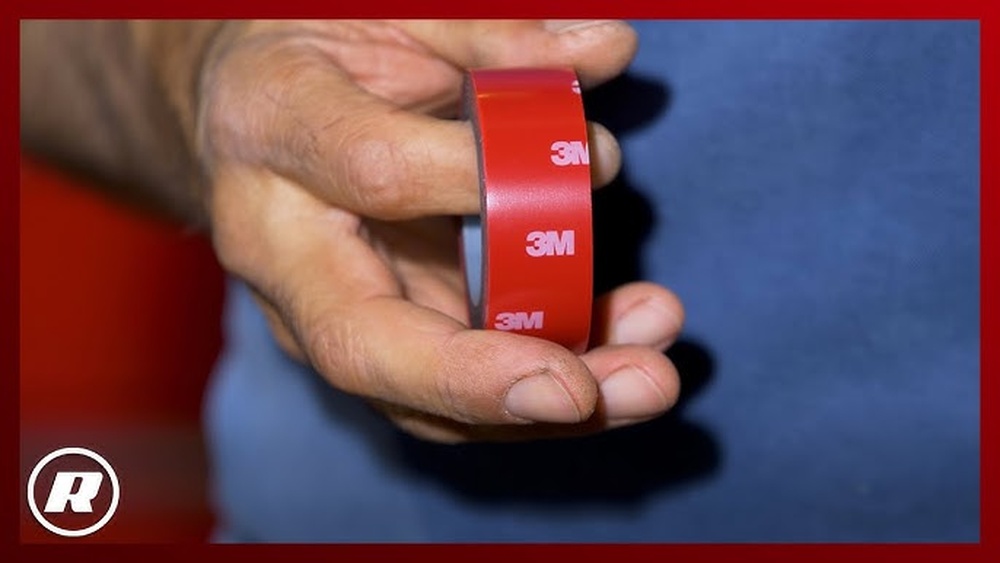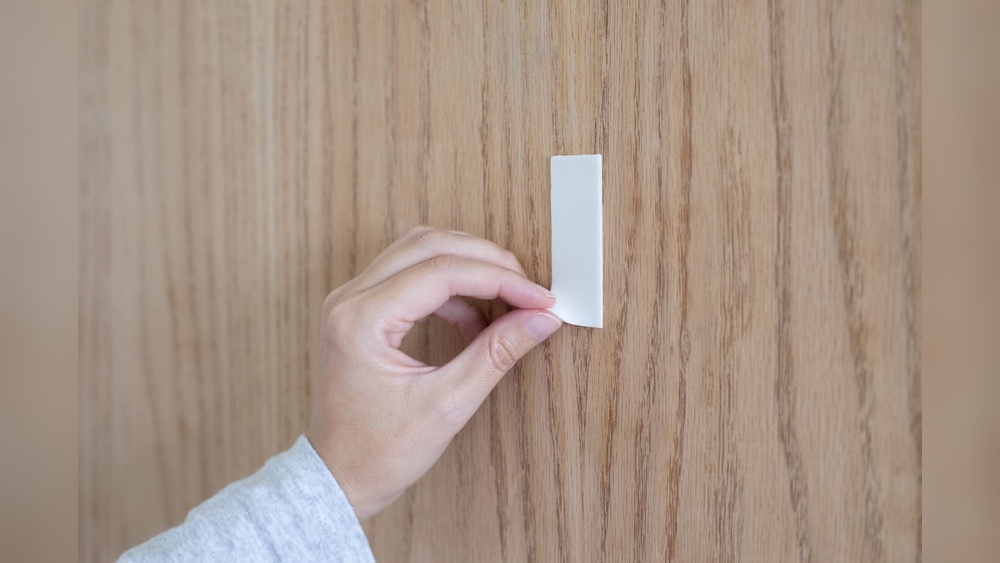
You’ve just finished a project, and now there’s stubborn mounting tape stuck to your wood surface. It’s frustrating, isn’t it?
You want to remove it without damaging your wood or leaving sticky residue behind. The good news is, you don’t need to stress or call a professional. You’ll discover simple, effective ways to get mounting tape off wood quickly and safely.
Keep reading, and you’ll learn easy tricks that save your wood and your time.
Types Of Mounting Tape
Mounting tape comes in different types, each made for specific uses. Knowing the type helps remove it safely from wood surfaces. Some tapes are thin, while others are thick and strong. The kind of tape affects how sticky it is and how it reacts with wood.
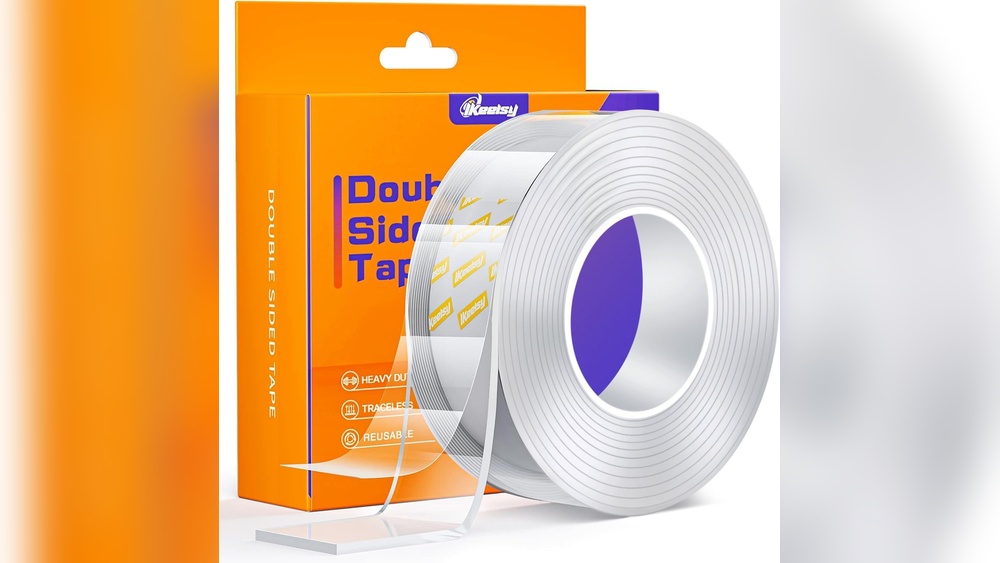
Double-sided Tape
Double-sided tape has adhesive on both sides. It sticks two surfaces together. This tape is usually thin and clear. It holds light to medium items. It can leave sticky residue on wood. Removing it needs care to avoid damage.
Foam Tape
Foam tape is soft and thick. It has a foam layer between adhesive sides. This tape cushions and seals gaps. It is often used outdoors or on uneven surfaces. Foam tape can be harder to peel off. It may leave bits of foam stuck on wood.
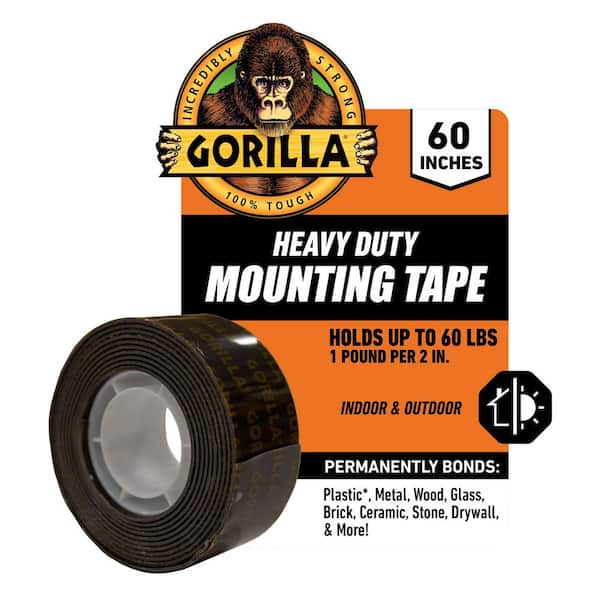
Heavy-duty Tape
Heavy-duty tape is very strong and thick. It holds heavy objects in place. This tape can be made of rubber or acrylic. It sticks firmly and lasts long. Removing heavy-duty tape from wood can be tough. It often leaves behind sticky glue or tears the surface.
Credit: www.homedepot.com
Preparing The Wood Surface
Preparing the wood surface is an important step before removing mounting tape. It helps protect the wood and makes the removal process easier. A clean and ready surface means less damage and better results.
Start by clearing the area around the tape. Remove dust and dirt that could interfere with the removal. A clean surface allows you to see the tape clearly and work safely.
Clean The Area
Use a soft cloth or brush to remove loose dirt and dust from the wood. Avoid using water, as it can damage the wood. If needed, use a gentle cleaner made for wood surfaces. Let the wood dry completely before proceeding. Clean surroundings help prevent scratches during tape removal.
Gather Necessary Tools
Collect all tools needed for removing the tape. Common items include a plastic scraper, soft cloths, and a mild adhesive remover safe for wood. Avoid sharp metal tools that can scratch the surface. Having everything ready saves time and avoids interruptions. Prepare a small bowl of warm water to soften the tape if needed.
Gentle Removal Techniques
Removing mounting tape from wood requires care. Harsh methods can damage the wood surface. Gentle removal techniques protect the wood and keep it smooth. Patience and the right approach make the process easier. Try these simple ways to remove tape without harm.
Peeling Slowly By Hand
Start by lifting a corner of the tape gently. Use your fingers to pull the tape back slowly. Pull at a low angle close to the wood surface. Avoid pulling too fast to stop the tape from tearing. If the tape resists, pause and try warming it a bit. Slow peeling reduces sticky residue and protects the wood finish.
Using Warm Soapy Water
Mix warm water with a small amount of mild soap. Dampen a soft cloth in the soapy water. Press the cloth gently on the tape to soften the adhesive. Let it sit for a few minutes to loosen the tape. Slowly peel the tape off while applying more warm water if needed. This method helps remove tape without scraping or damage.
:max_bytes(150000):strip_icc()/how-to-remove-double-sided-foam-tape-5195063-hero-2b356fcf1ca64e3e9d03d637d65c0012.jpg)
Credit: www.thespruce.com
Heat-based Methods
Heat-based methods work well for removing mounting tape from wood. Warmth softens the adhesive, making it easier to peel off. These methods reduce damage to the wood surface.
Use caution with heat to avoid burns or warping the wood. Two common tools are a hair dryer and a heat gun. Each tool has its own way of applying heat safely and effectively.
Using A Hair Dryer
Plug in the hair dryer and set it to a medium heat setting. Hold it a few inches away from the tape. Move the dryer slowly over the tape for about 30 seconds. The heat will soften the glue underneath.
Try peeling the tape gently with your fingers or a plastic scraper. If it resists, apply heat again. Repeat until the tape lifts off easily. Avoid staying too long in one spot to protect the wood.
Applying A Heat Gun Safely
Heat guns produce stronger heat than hair dryers. Use low heat and keep the gun moving. Hold it about 6 inches from the wood surface. Heat the tape evenly for 20 to 30 seconds.
Wear heat-resistant gloves to protect your hands. Use a plastic scraper to lift the softened tape. Avoid overheating, which can burn the wood or damage the finish. Take breaks to check the surface and prevent warping.
Solvent Options For Residue
Mounting tape often leaves sticky residue on wood surfaces. Removing this residue without damaging the wood can be tricky. Solvents help break down the adhesive, making cleanup easier. Choose the right solvent based on your wood type and finish. Test a small area first to avoid damage.
Rubbing Alcohol
Rubbing alcohol is a common household solvent. It dissolves adhesive residue effectively. Apply a small amount on a soft cloth. Gently rub the sticky area until residue lifts. Avoid soaking the wood to prevent damage. Wipe the area with a clean, dry cloth afterward.
Vinegar
Vinegar is a natural and safe option. Its mild acidity breaks down the tape glue. Soak a cloth in white vinegar and press it on the residue. Let it sit for a few minutes. Rub the area gently to remove leftover adhesive. Clean with water and dry the wood well.
Commercial Adhesive Removers
Specialty adhesive removers target sticky residues effectively. Choose one designed for use on wood. Follow the product instructions carefully. Apply a small amount and wait a few minutes. Use a soft cloth or plastic scraper to remove residue. Always test in an unseen spot before full use.
Tools To Avoid Scratching
Removing mounting tape from wood requires care. Using the wrong tools can damage the wood surface. Choosing tools that do not scratch helps keep wood smooth and intact. This section covers tools safe for wood.
Plastic Scrapers
Plastic scrapers work well to lift tape gently. They do not dig into the wood like metal tools. Use a flat, wide plastic scraper to avoid pressure points. Move the scraper slowly under the tape edge. This method reduces the risk of scratches or gouges.
Soft Cloths
Soft cloths help remove sticky residue after scraping. Use microfiber or cotton cloths to avoid roughness. Dampen the cloth slightly with warm water or mild cleaner. Rub gently in a circular motion to clean the surface. Soft cloths protect the wood finish while removing tape remains.
Post-removal Wood Care
After removing mounting tape from wood, the surface often needs some care. Tape residue and slight marks can remain. Proper care helps keep wood looking clean and fresh. It also protects the wood from damage and wear. Follow these steps to restore your wood’s beauty.
Cleaning Residual Sticky Spots
Sticky spots left by tape need gentle cleaning. Use a soft cloth dampened with warm water. Rub the spots slowly to lift residue without scratching. For tougher spots, try a small amount of mild soap. Avoid harsh chemicals that can damage wood. Always test cleaning solutions on a hidden area first. Wipe the surface dry with a clean cloth after cleaning.
Polishing And Restoring Finish
Polishing helps restore wood’s shine and smoothness. Use a wood polish or a mix of olive oil and vinegar. Apply a small amount with a soft cloth. Rub gently in the wood grain direction. Let the polish sit for a few minutes. Buff the surface with a dry cloth until it shines. This step protects wood and enhances its natural color.
Preventing Damage In Future
Preventing damage to wood from mounting tape saves time and effort later. Wood surfaces are delicate and can get scratched or stained by strong adhesives. Taking simple steps helps keep wood safe. Careful choices reduce the chance of peeling paint or leaving sticky residue behind.
Choosing The Right Tape
Select tape designed for delicate surfaces or wood. These tapes have gentle adhesives that hold well without harming the finish. Avoid heavy-duty tapes meant for rough materials. Clear tapes with low tack work best for painted or varnished wood. Always check the product label for wood-safe use.
Testing On Small Areas
Test tape on a hidden wood spot before full use. Press a small piece on the surface and wait 24 hours. Remove it gently to see if any paint or finish peels off. Testing prevents surprises and protects your wood’s appearance. This simple step helps confirm the tape’s safety for your project.

Credit: www.wikihow.com
Frequently Asked Questions
How Can I Safely Remove Mounting Tape From Wood?
To safely remove mounting tape from wood, gently heat the tape with a hairdryer. This softens the adhesive. Then, carefully peel it off without scraping hard to avoid damaging the wood surface.
What Household Items Remove Sticky Tape Residue On Wood?
You can use rubbing alcohol, vinegar, or cooking oil to remove tape residue. Apply a small amount on a cloth, rub gently, and wipe clean. Always test on a hidden spot first to ensure no damage.
Is It Safe To Use Adhesive Removers On Wooden Surfaces?
Some adhesive removers are safe for wood, but always check the label. Use sparingly and test on an inconspicuous area. Avoid harsh chemicals that can discolor or damage the wood finish.
Can Warm Soapy Water Help Remove Mounting Tape From Wood?
Yes, warm soapy water can help loosen tape adhesive. Apply with a soft cloth, let it sit briefly, then gently rub to remove residue. Dry the area thoroughly to prevent water damage.
Conclusion
Removing mounting tape from wood can be simple with the right steps. Use gentle heat or oil to soften the tape. Peel it off slowly to avoid damage. Clean any sticky residue with soap and water. Patience helps protect your wood’s finish.
These easy tips save time and keep wood looking good. Try them next time you need to remove tape. Your wood will thank you.