Are you thinking about using mounting tape but worried it might ruin your paint? You’re not alone.
Many people hesitate because they don’t want to damage their walls or surfaces. What if you could stick things up easily without the fear of peeling or marks? You’ll discover the truth about mounting tape and paint damage. By the end, you’ll know exactly how to use it safely and keep your walls looking perfect.
Keep reading to protect your space and make smart choices!
How Mounting Tape Works
Mounting tape is a popular tool to stick objects on walls without nails or screws. It holds items firmly using sticky sides. This tape works by creating a strong bond between surfaces, allowing items to stay put. Understanding how mounting tape works can help you decide if it might damage paint.
Types Of Mounting Tape
There are several types of mounting tape. Double-sided tape is common and sticks on both sides. Foam tape adds cushioning and can fill small gaps. Clear mounting tape is thin and less visible. Each type serves different needs, from light decorations to heavier objects.
Adhesive Strength Factors
The strength of mounting tape depends on several factors. The adhesive formula affects how sticky the tape is. Surface texture matters; smooth surfaces hold better than rough ones. Temperature and humidity can change the tape’s grip. Proper application also improves its hold and reduces damage risk.

Credit: www.reddit.com
Common Paint Types And Their Vulnerability
Different paints react differently to mounting tape. Knowing the type of paint helps prevent damage. Paints vary in hardness, finish, and adhesion. These factors affect how tape sticks and peels off. Some paints handle tape well, others not so much. Understanding common paint types guides safer use of mounting tape.
Latex Paint
Latex paint is water-based and popular for walls. It dries quickly and feels slightly flexible. This flexibility can cause the paint to peel if tape is too sticky. Fresh latex paint is very delicate. Wait at least two weeks before applying tape. Older, fully cured latex paint usually holds up better.
Oil-based Paint
Oil-based paint is harder and more durable than latex. It creates a strong, glossy surface. This toughness helps resist damage from mounting tape. The tape may still pull off some finish if removed too quickly. Slow and gentle tape removal reduces paint lifting. Oil-based paint generally handles tape better than latex.
Powder-coated Surfaces
Powder coating is a tough, baked finish on metal. It is very resistant to scratches and peeling. Mounting tape rarely damages powder-coated surfaces. The strong bond between powder coating and metal protects the paint. Tape removal usually leaves no marks. Still, test a small area before full application.
Scenarios That Cause Paint Damage
Mounting tape can damage paint under certain conditions. Knowing these situations helps protect your walls and surfaces. Some factors increase the risk of paint peeling or staining.
Duration Of Tape Application
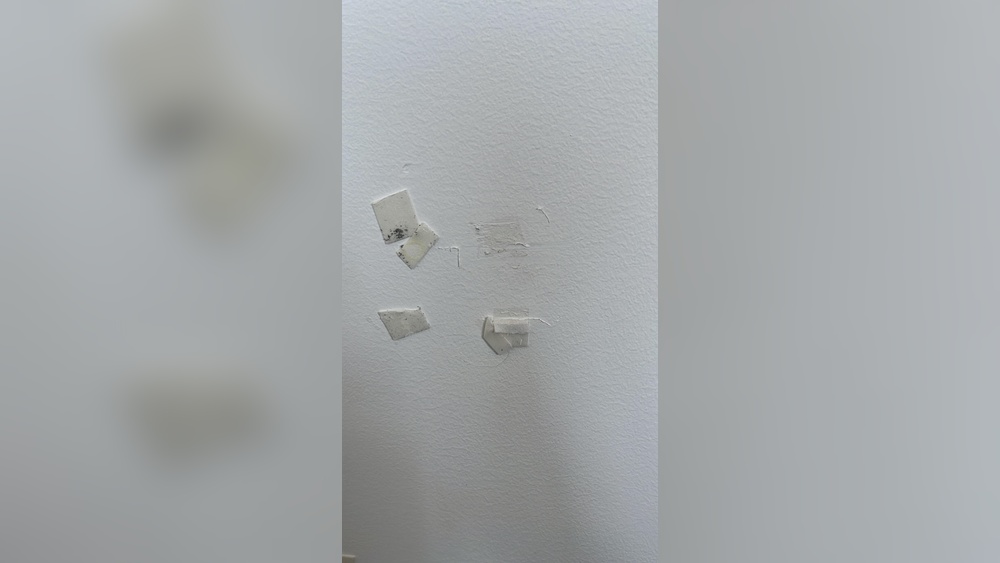
Leaving tape on paint for a long time raises damage risk. The adhesive hardens and sticks more strongly. Removing tape after days or weeks can pull paint off. Shorter application times reduce this problem. Always check tape regularly and remove it soon.
Surface Preparation
Poor surface preparation makes paint vulnerable. Dirt, dust, or grease weakens paint’s grip on walls. Tape sticks to these particles and may pull paint when removed. Clean and dry surfaces before applying tape. This helps the tape stick well and peel off safely.
Environmental Conditions
Heat and sunlight affect tape and paint. High temperatures soften tape adhesive, making it stick deeper. Direct sunlight can dry paint too much, causing cracks. Humid or wet areas weaken paint too. Avoid placing tape on walls exposed to extreme weather.
Safe Removal Techniques
Removing mounting tape without harming paint requires care. Safe removal techniques help keep your walls or surfaces intact. Using gentle methods reduces the risk of peeling or damage. The goal is to loosen the tape slowly and cleanly.
Slow Peeling Methods
Peel the tape slowly and at a sharp angle. Pulling too fast can lift the paint. Start at one corner and pull gently. Keep the tape close to the surface. This reduces stress on the paint. Take breaks if the tape resists. Slow peeling gives the adhesive time to release.
Heat Application
Warm the tape with a hairdryer or heat gun. Heat softens the glue, making removal easier. Hold the heat source a few inches away. Move it back and forth for even warming. Avoid overheating to protect the paint. After heating, peel the tape slowly. Heat helps prevent paint from lifting.
Using Solvents
Apply mild solvents like rubbing alcohol or adhesive remover. Use a soft cloth or cotton ball. Dab the solvent along the tape edges. Let it sit for a few minutes. The solvent breaks down the glue gently. Wipe away residue carefully. Test solvents on a small area first. Solvents can loosen adhesive without harming paint.
Alternatives To Mounting Tape
Mounting tape can sometimes damage paint when removed. It can peel off paint or leave sticky marks. Finding safer options helps protect your walls and keeps things neat. Here are some easy alternatives to mounting tape that work well and are gentle on surfaces.
Command Strips
Command strips hold items firmly on walls. They come with adhesive that sticks well but removes cleanly. You can hang pictures, hooks, or decorations without holes or damage. These strips come in different sizes and strengths. They are perfect for renters or anyone who changes wall decor often.
Hooks And Clips
Hooks and clips attach without sticky tape. Some use small nails, others use suction or magnets. They are easy to install and remove. Hooks work great for hanging lightweight items like keys or hats. Clips can hold papers, photos, or small decorations. Both options avoid damage to paint and walls.
Reusable Adhesive Putty
Reusable adhesive putty is soft and easy to shape. It sticks to walls and holds light objects like posters or notes. It removes without leaving marks or peeling paint. You can reuse it many times by kneading it back to shape. This putty is a good choice for temporary displays and crafts.

Credit: mytapestore.com.au
Tips To Protect Paint When Using Mounting Tape
Mounting tape can hold items firmly but may harm paint if used carelessly. Protecting your painted surfaces ensures they stay fresh and clean. Follow simple tips to keep paint safe while using mounting tape.
Testing On Small Areas
Try the tape on a hidden spot first. Wait a few hours. Check if paint peels or changes color. This test helps avoid big damage later.
Choosing The Right Tape
Select tapes made for delicate surfaces. Look for labels like “safe for paint” or “removable.” These tapes stick well but peel off cleanly.
Proper Surface Cleaning
Clean the wall before applying tape. Use a soft cloth and mild soap. Dirt or dust reduces tape grip and may cause peeling.

Credit: diy.stackexchange.com
Frequently Asked Questions
Does Mounting Tape Peel Off Paint Easily?
Mounting tape can peel paint if left too long or removed improperly. Always test a small area first. Use gentle removal techniques to minimize damage.
How To Prevent Paint Damage From Mounting Tape?
To prevent damage, choose low-adhesive or painter’s tape versions. Avoid applying tape on fragile or freshly painted surfaces. Remove tape slowly and at an angle.
Can Mounting Tape Ruin Walls Or Surfaces?
Yes, strong mounting tapes may damage delicate walls or surfaces. Surfaces like wallpaper or old paint are most at risk. Use suitable tapes designed for sensitive surfaces.
Is There A Safe Tape For Painted Walls?
Yes, painter’s tape and removable mounting tapes are safe choices. They are designed to stick well without harming paint. Always follow manufacturer instructions for best results.
Conclusion
Mounting tape can sometimes harm paint if removed carelessly. Choosing the right tape helps protect your walls. Gently pulling the tape off reduces the risk of damage. Always test a small spot before applying tape widely. Knowing these tips saves time and keeps surfaces clean.
Use mounting tape wisely for safe and easy decorating.