Are you confused about whether to choose surface-mounted or deck-mounted taps for your bathroom or kitchen? You’re not alone.
Picking the right type of tap can affect not just how your space looks, but also how easy it is to use and maintain. You’ll discover the key differences between surface and deck-mounted taps, helping you make a choice that fits your style and needs perfectly.
Keep reading to find out which option suits your home best and why it matters more than you might think.
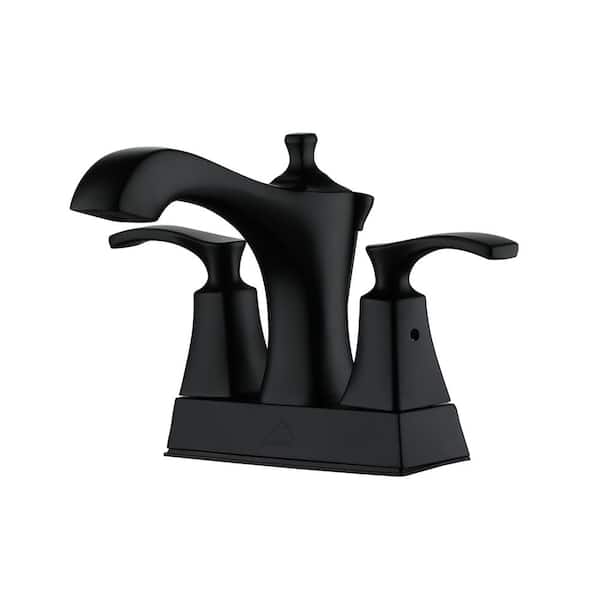
Credit: www.homedepot.com
Surface Mounted Taps
Surface mounted taps sit on the surface of a wall or a fixture. They are easy to spot because they do not sink into the wall. These taps connect directly to the water pipes that run behind the surface.
This type of tap is common in many homes and commercial spaces. They offer a simple and functional solution for water access. Their design and installation process make them a popular choice in various settings.
Design And Installation
Surface mounted taps have a visible body attached to the wall or fixture. Pipes are usually hidden behind a cover or casing. Installation is straightforward and does not require wall cutting.
This design allows for quick repairs and maintenance. It is suitable for places where pipes cannot be embedded inside walls. The taps come in various styles and finishes to match different decors.
Advantages And Disadvantages
Surface mounted taps are easy to install and fix. They save time and cost during setup. Their visible design makes leaks easier to spot and repair.
On the downside, they may not look as sleek as deck mounted taps. The exposed pipes can collect dust and dirt. Surface mounted taps also take up more wall space.
Common Applications
These taps are popular in kitchens, bathrooms, and laundry rooms. They suit older buildings where wall modification is difficult. Surface mounted taps work well in commercial kitchens and utility areas.
They are often chosen for outdoor settings like gardens and patios. Their simple design fits well in industrial and workshop environments. This versatility makes them a practical choice for many uses.
Deck Mounted Taps
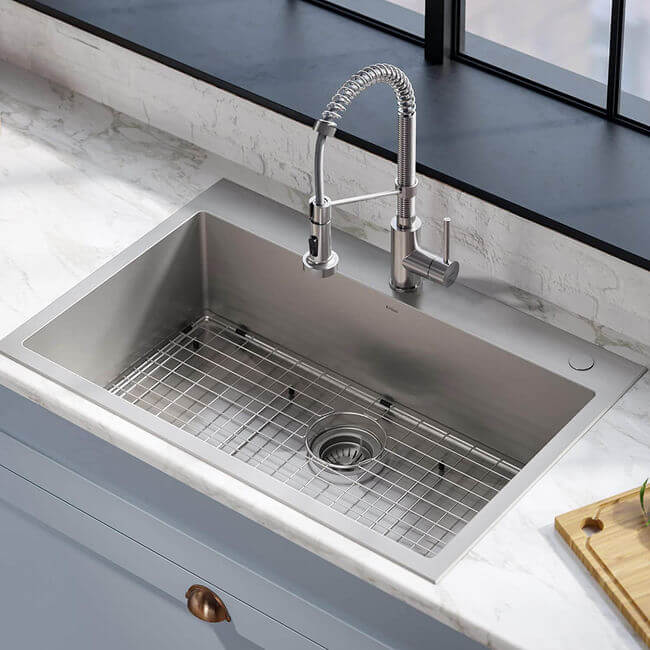
Deck mounted taps are a popular choice in kitchens and bathrooms. They attach directly to the sink or countertop surface. This type of tap offers a neat, clean look and is easy to access. They come in many styles and finishes to match various decors.
Design And Installation
Deck mounted taps are designed to fit through holes in the sink or countertop. Installation requires drilling precise holes for the tap and handles. The taps sit firmly on the surface and connect to water supply pipes below. This setup keeps plumbing hidden and organized.
Advantages And Disadvantages
Deck mounted taps provide easy access and simple cleaning around the base. They offer flexibility in placement and style. Installation is straightforward for standard sinks. The downside is limited use on sinks with no flat surface. They may also collect water and dirt around the base over time.
Common Applications
These taps are common in kitchen sinks and bathroom basins. They suit single or double bowl sinks well. Deck mounted taps work best on flat, sturdy surfaces. They are ideal for most residential and commercial sinks.
Material And Build Quality
The material and build quality of taps play a big role in their performance. These factors affect durability, maintenance, and appearance. Choosing the right tap means understanding what materials are used and how well they are made.
Surface mounted and deck mounted taps differ in these aspects. Each type uses materials suited for its installation style. The build quality also matches the demands of the fitting process.
Materials Used In Surface Mounted Taps
Surface mounted taps often use brass, stainless steel, or chrome. Brass is common for its resistance to corrosion. Stainless steel offers strength and a modern look. Chrome plating adds shine and protects the tap from rust.
These taps also have plastic parts inside. This keeps costs low without losing quality. The materials must resist water and heat well.
Materials Used In Deck Mounted Taps
Deck mounted taps usually have solid brass or stainless steel bodies. They need strong materials to support weight and pressure. Chrome and nickel finishes are common for a polished look. These materials resist wear over time.
Rubber and silicone seals inside prevent leaks. The build focuses on durability and tight fitting.
Build Quality Differences
Surface mounted taps are easier to install on walls or surfaces. Their build is lighter but still sturdy. Components fit together for quick setup and easy repairs.
Deck mounted taps require precise drilling into surfaces. Their build is heavier and more compact. This ensures stability and long life under constant use.
Both types undergo quality checks to meet industry standards. Good build quality means fewer leaks and longer usage.

Credit: www.aquacubic.com
Space And Aesthetic Considerations
Space and aesthetics play a big role in choosing between surface and deck mounted taps. These taps affect how your sink area looks and how much room you have. Knowing their differences helps in picking the right style for your bathroom or kitchen.
Surface Mounted Taps Save Space
Surface mounted taps attach directly to the wall or a vertical surface. This setup frees up counter space around the sink. A clean and open countertop makes small areas feel larger. It also gives more room for washing and placing items near the sink.
Deck Mounted Taps Offer Classic Style
Deck mounted taps are fixed onto the sink or countertop. They create a neat and traditional look. These taps blend well with many sink designs. The visible base adds detail and structure to the sink area.
Visual Impact Of Surface Mounted Taps
Surface mounted taps give a modern and minimal look. Their placement draws the eye upward, highlighting wall tiles or backsplashes. This style can make the whole room look taller and brighter.
Design Flexibility Of Deck Mounted Taps
Deck mounted taps come in many shapes and finishes. They allow for creative sink layouts with multiple taps or accessories. This flexibility suits various decor styles and personal tastes.
Maintenance And Durability
Maintenance and durability are key factors in choosing between surface and deck mounted taps. Both types have unique features that affect how long they last and how easy they are to care for. Understanding these differences helps you pick the best option for your needs.
Surface Mounted Taps: Maintenance
Surface mounted taps are installed on the wall or surface near the sink. This setup makes cleaning the tap easier. Dirt and water stains do not build up as much around the base. You can quickly wipe the area without removing parts. Regular checks for leaks are simple because pipes are visible and accessible.
Deck Mounted Taps: Maintenance
Deck mounted taps are fixed directly on the sink or countertop. Cleaning can be harder because water and grime collect around the base. You must clean more often to prevent buildup. Fixing leaks may require removing the tap, which takes more effort. Regular inspection helps keep them in good shape.
Surface Mounted Taps: Durability
Surface mounted taps tend to be very durable. Their installation keeps pipes protected from damage. The sturdy wall mounting reduces stress on the tap fittings. This lowers chances of wear and tear. High-quality materials can make surface taps last many years without problems.
Deck Mounted Taps: Durability
Deck mounted taps can also be durable but depend on sink quality. The constant contact with water can wear down seals faster. The mounting area may weaken over time due to moisture. Choosing taps made of rust-resistant materials helps. Proper installation is key to prevent early damage.
Credit: www.diffen.com
Cost And Budget Factors
Cost and budget play a big role in choosing between surface and deck mounted taps. These taps vary in price due to their design, installation, and material needs. Understanding these factors helps plan the right purchase without overspending.
Surface Mounted Tap Costs
Surface mounted taps usually cost less than deck mounted taps. Their installation is simpler and needs fewer parts. This reduces labor time and overall expenses. They fit well in basic setups and small budgets.
Deck Mounted Tap Expenses
Deck mounted taps tend to be pricier because of complex installation. They require drilling and precise fitting on the sink or counter. Extra hardware and seals add to the cost. These taps suit modern kitchens and bathrooms with higher budgets.
Installation And Maintenance Budget
Installation costs differ. Surface taps install faster with less skill needed. Deck taps need a professional for neat fitting. Maintenance may be easier for surface taps as parts are more accessible. Deck taps might need more care to avoid leaks.
Choosing The Right Tap For Your Needs
Choosing the right tap for your space is important. It affects how you use water every day. Surface and deck mounted taps serve different needs. Picking the correct one helps save time and avoid repairs. Consider your daily habits and preferences. This guide helps find the best fit for you.
Assessing Usage Requirements
Think about how often you use the tap. Surface mounted taps suit high-traffic areas well. They are easy to install on walls. Deck mounted taps fit sinks or countertops. Check water pressure and pipe layout too. Some taps need more space or special fittings. Match the tap to your plumbing setup. This avoids future problems and leaks.
Matching Style And Functionality
Choose a tap that matches your room’s style. Surface mounted taps offer a modern, clean look. Deck mounted taps come in many classic designs. Consider how the tap handles water flow. Some have single handles; others have two. Think about ease of use for all family members. The right style and function improve your daily routine.
Frequently Asked Questions
What Defines A Surface-mounted Tap?
A surface-mounted tap is installed on the wall or countertop surface. It does not require holes in the basin. It’s ideal for modern bathrooms with minimalist designs.
How Is A Deck-mounted Tap Installed?
A deck-mounted tap is fixed directly onto the sink or countertop. It requires holes in the surface for installation. This type is common in traditional bathroom and kitchen setups.
What Are The Main Benefits Of Surface-mounted Taps?
Surface-mounted taps save space and are easy to clean. They offer a sleek look and simple installation. They suit bathrooms with limited countertop space.
Are Deck-mounted Taps More Durable Than Surface-mounted Taps?
Durability depends on material and build quality, not just mounting style. Both types can be equally durable if made from quality materials. Proper installation also affects longevity.
Conclusion
Surface and deck mounted taps serve different purposes in homes. Surface taps attach directly to walls, saving counter space. Deck mounted taps fix on sinks or countertops, offering easy access. Choosing depends on your space and style needs. Both types provide reliable water flow and durability.
Understanding these differences helps you pick the right tap. Simple choices lead to better use and comfort. Now, you can decide which tap fits your home best.