Have you ever struggled to hang a picture or fix something without nails or screws? Mounting tape might be the simple solution you need.
But what exactly is mounting tape, and how can it make your projects easier? Understanding its meaning and uses can save you time, effort, and frustration. Keep reading to discover how this little strip can become your best tool for sticking things securely and neatly.
Mounting Tape Basics
Mounting tape is a useful tool for sticking objects to surfaces without nails or screws. It offers a clean and simple way to mount items on walls, glass, metal, and more. Understanding the basics of mounting tape helps you choose the right type for your project.
This section explains what mounting tape is, the types available, and the materials used to make it.
What Is Mounting Tape
Mounting tape is a double-sided adhesive tape. It sticks objects firmly to surfaces. It is thicker and stronger than regular tape. People use it for hanging pictures, signs, and decorations. It works well on smooth and rough surfaces. It leaves little or no residue when removed.
Types Of Mounting Tape
There are different types of mounting tape. Foam mounting tape is soft and flexible. It fills gaps between uneven surfaces. Thin mounting tape is clear and less visible. It suits lightweight objects. Heavy-duty mounting tape holds heavy items securely. Some tapes are weather-resistant for outdoor use. Choose the type based on your needs.
Materials Used
Mounting tape is made from various materials. The base is often foam, plastic, or cloth. The adhesive is usually acrylic or rubber-based. Acrylic adhesive lasts longer and resists heat. Rubber adhesive is sticky and works fast. The backing material affects flexibility and strength. Good materials ensure strong and lasting bonds.
Common Uses
Mounting tape is a versatile adhesive tool. It sticks objects firmly without nails or screws. People use it in many places. It works well on different surfaces. The tape is thin but very strong. Below are some common ways people use mounting tape.
Home And Office Applications
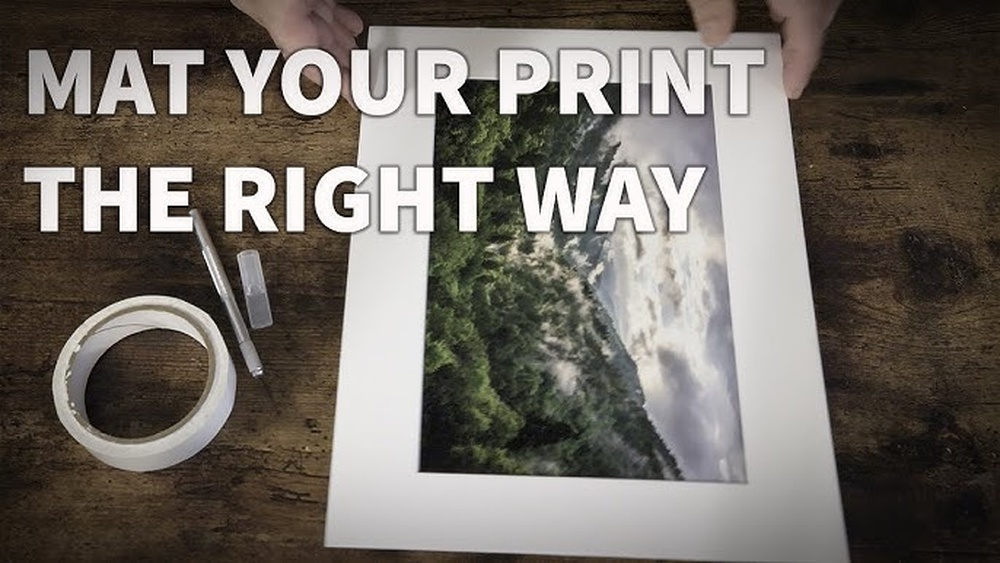
Mounting tape holds pictures and posters on walls. It fixes hooks without making holes. It secures cables and small gadgets neatly. It helps organize spaces quickly and cleanly. The tape is easy to remove without damage.
Craft And Diy Projects
People use mounting tape in crafting to join materials. It sticks paper, fabric, and light wood. It helps make cards, decorations, and models. The tape keeps parts tight and stable. It saves time and avoids mess from glue.
Industrial And Commercial Uses
Mounting tape supports signs and displays in stores. It holds nameplates and panels on machines. It bonds metal, plastic, and glass parts firmly. The tape resists heat and moisture in factories. It provides strong, lasting adhesion for many tasks.
Advantages Of Mounting Tape
Mounting tape offers many benefits for both home and office use. It makes attaching objects simple and quick. This tape holds items firmly without needing nails or screws.
Its design suits many surfaces and materials. This makes it a handy tool for various tasks. Below are some key advantages of using mounting tape.
Strong Adhesion
Mounting tape sticks tightly to most surfaces. It supports a good amount of weight. This strength keeps items secure over time. It works well on walls, glass, metal, and wood. No slipping or falling off easily.
Clean And Easy Application
Applying mounting tape is fast and neat. No mess like glue or liquid adhesives. Just peel and stick. No tools needed for installation. It saves time and effort. Perfect for quick fixes or decorations.
Damage-free Removal
Removing mounting tape does not harm surfaces. It peels off cleanly without leaving marks. No holes, stains, or residue remain. This protects walls and furniture. Great for renters or temporary setups.
Credit: www.homedepot.com
Choosing The Right Tape
Choosing the right mounting tape is key for a strong hold. Different tapes work better on certain materials and weights. Picking the right tape ensures your items stay safe and secure. Consider the surface, weight, and environment to make the best choice.
Surface Compatibility
Mounting tape must match the surface type. Smooth surfaces like glass or metal need tapes with strong adhesion. Rough or porous surfaces like brick or wood require tapes with flexible backing. Clean the surface before applying tape to improve stickiness. Test a small area first to check if the tape holds well.
Weight And Load Considerations
Check the weight of the item you want to mount. Use heavy-duty tape for heavier objects. Light tapes are good for small frames or decorations. Always choose tape that supports more weight than your item. This prevents the item from falling off and causing damage.
Environmental Factors
Think about where the tape will be used. Some tapes resist moisture and heat, perfect for kitchens or outdoors. Indoor tapes may lose grip in humid or hot places. Avoid tapes that peel off easily in sunlight or cold. Choose tapes designed for your environment to keep items secure longer.
Tips For Best Results
Using mounting tape correctly makes a big difference in its hold and durability. Small steps before and during application help the tape stick better and last longer. Follow these simple tips for the best results.
Surface Preparation
Clean the surface well. Dirt and dust weaken the tape’s grip. Use rubbing alcohol or mild soap to wipe the area. Let it dry completely before applying tape. Smooth surfaces work best. Rough or uneven surfaces can cause the tape to peel off.
Proper Application Techniques
Cut the tape to the needed size. Press it firmly onto the surface. Apply steady pressure for about 30 seconds. Avoid stretching the tape during application. Place the item carefully and press again to secure. Do not move the tape once stuck, as it may lose strength.
Maintenance And Longevity
Keep the taped area dry and clean. Avoid exposing the tape to water or heat for long times. Check the tape regularly for signs of peeling. Replace the tape if it loses stickiness. Proper care helps the tape hold items longer and keeps surfaces safe.
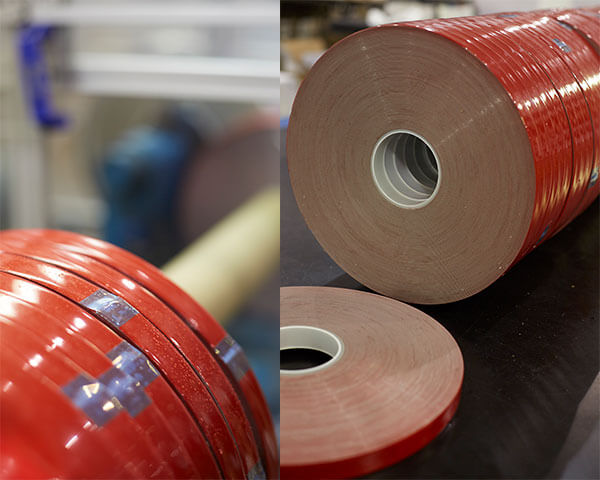
Credit: echotape.com
Common Mistakes To Avoid
Mounting tape is a useful tool for sticking objects without nails or screws. Many people make simple mistakes that cause the tape to fail. Knowing these common errors helps you use mounting tape correctly. Avoiding these mistakes saves time and money.
Using On Unsuitable Surfaces
Mounting tape works best on smooth, clean surfaces. Rough or porous surfaces reduce its stickiness. Dirt, dust, or oil also stop the tape from holding well. Always clean the surface before applying the tape. Avoid using it on wallpaper or textured walls.
Overloading The Tape
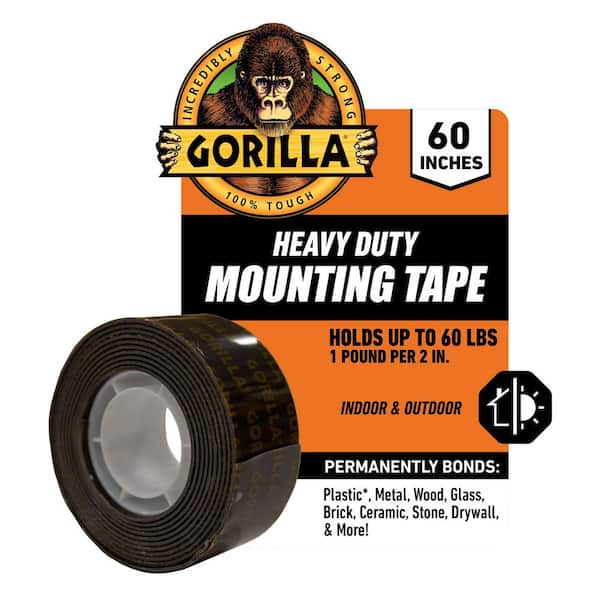
Each tape has a weight limit. Putting heavy objects can break the bond. Check the tape’s weight capacity before use. Spread the load by using more tape pieces. Do not rely on one strip for heavy items.
Ignoring Temperature Limits
Mounting tape loses strength in extreme heat or cold. Hot weather can make the adhesive soft and weak. Cold weather can make it hard and brittle. Use tape designed for the temperature of your space. Store tape in a cool, dry place before use.

Credit: en.wikipedia.org
Frequently Asked Questions
What Is Mounting Tape Used For?
Mounting tape is used to securely attach objects to surfaces without nails or screws. It works well on walls, glass, and wood, offering a clean, damage-free solution for hanging photos, posters, and lightweight decorations.
How Does Mounting Tape Differ From Regular Tape?
Mounting tape is double-sided and thicker than regular tape. It provides strong adhesion and cushioning, designed to hold heavier items without slipping. Regular tape is usually single-sided and meant for light tasks like wrapping or sealing.
Can Mounting Tape Hold Heavy Objects?
Yes, mounting tape can hold moderately heavy objects. However, weight capacity varies by brand and surface type. Always check product specifications to ensure it supports your item’s weight safely before use.
Is Mounting Tape Removable Without Damage?
Many mounting tapes are designed to be removable without damaging surfaces. They use special adhesives that peel off cleanly. However, removal ease depends on the tape quality and surface type, so test a small area first.
Conclusion
Mounting tape sticks objects firmly without nails or screws. It works well on many surfaces like walls and glass. The tape saves time and keeps things neat. It is easy to use and remove when needed. Choosing the right mounting tape depends on your project.
Now, you understand what mounting tape means and how it helps. Try it for small fixes or decorations around your home. Simple, strong, and useful—mounting tape is a handy tool.