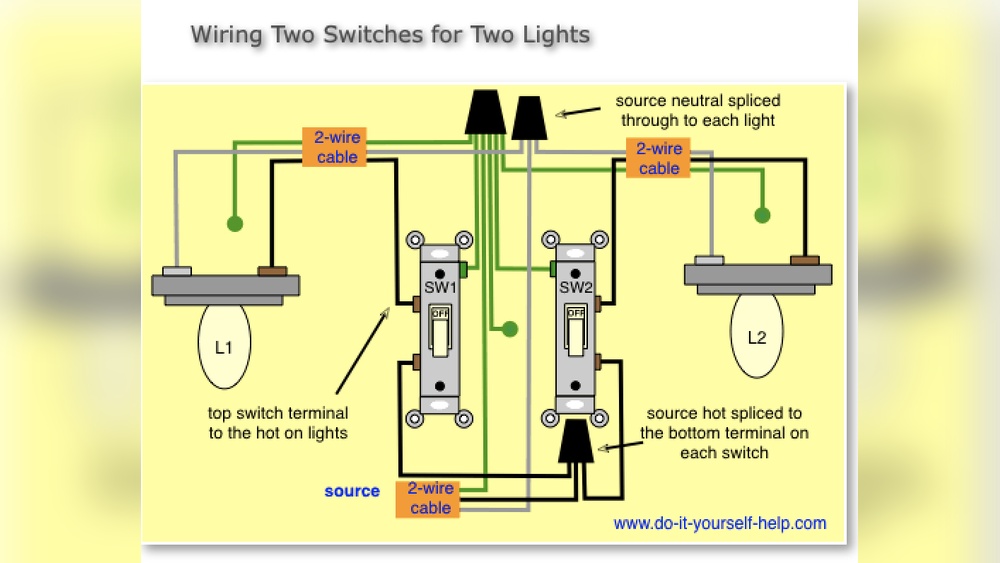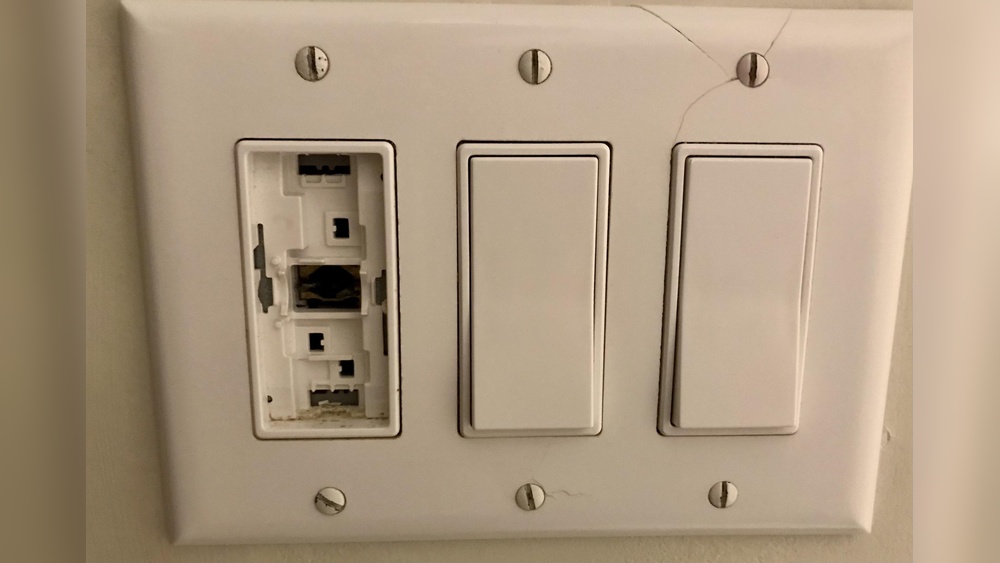
Is your light switch refusing to turn on? It’s frustrating when you flip the switch, and nothing happens.
Before you call an electrician or live in the dark, there are simple steps you can take to fix the problem yourself. You’ll learn easy and safe ways to get your light switch working again. Keep reading—you’re just moments away from bringing the light back into your room.
Common Causes Of A Faulty Light Switch
Light switches stop working for simple reasons. Knowing these common causes helps fix the problem fast. Many times, the issue lies in parts you can check yourself. Understanding what can go wrong makes repairs easier and safer.
Loose Wiring Connections
Wires inside the switch can become loose over time. This stops electricity from flowing properly. Loose wires cause flickering or no light at all. Checking the wires and tightening them often restores power.
Worn Out Switch Components
Switches have small parts that wear out with use. The internal contacts can break or get dirty. A worn-out switch may feel loose or not click right. Replacing the switch usually fixes this issue quickly.
Tripped Circuit Breaker
Circuit breakers protect your home from electrical problems. A breaker may trip and cut power to the switch. Check the breaker box and reset any tripped switches. This often restores light without needing more work.
Burnt Out Bulbs Or Fixtures
The problem is not always the switch itself. A burnt out bulb or broken fixture stops light from turning on. Try a new bulb before checking the switch. Fixing or replacing the fixture might be needed too.

Credit: diy.stackexchange.com
Tools And Materials Needed
Fixing a light switch that won’t turn on requires the right tools and materials. Having everything ready makes the job easier and safer. This section lists what you need to get started.
Basic Electrical Tools
Start with a screwdriver set. Both flathead and Phillips screwdrivers are important. Use a voltage tester to check if power is off. Wire strippers help remove insulation from wires. Needle-nose pliers help hold and bend wires carefully. A flashlight or headlamp is useful if the room is dark.
Safety Equipment
Wear insulated gloves to protect from electric shock. Safety glasses keep your eyes safe from debris. Use a sturdy ladder if the switch is high. Turn off the power at the circuit breaker before starting. Double-check with a voltage tester that the power is off.
Replacement Parts
Buy a new light switch that matches the old one. Have electrical tape ready to secure wire connections. Wire nuts are necessary to join wires safely. Keep a small container for screws and parts to avoid losing them. Keep all parts close to your workspace for easy access.
Safety Precautions Before Repair
Fixing a light switch that won’t turn on can be simple. Safety comes first. Electrical repairs can be dangerous without the right steps. Taking precautions protects you from shocks and injuries. Follow these safety tips before starting any repair work.
Turning Off Power
Always switch off the power at the circuit breaker. This stops electricity from flowing to the switch. Confirm the power is off before touching any wires. Never rely only on the switch itself to cut power.
Using A Voltage Tester
Use a voltage tester to check for live wires. This tool helps verify the power is off. Place the tester on wires or terminals. If it shows no voltage, it is safe to work. Always test twice to be sure.
Wearing Protective Gear
Wear rubber gloves to avoid electric shocks. Use safety goggles to protect your eyes from sparks. Avoid loose clothing that can catch on wires. Proper gear keeps you safe during repairs.
Credit: www.youtube.com
Step-by-step Repair Guide
Fixing a light switch that won’t turn on can be simple. Follow this step-by-step guide to repair it safely. Each step helps you check or replace parts to restore power. Take your time and work carefully for best results.
Removing The Switch Cover
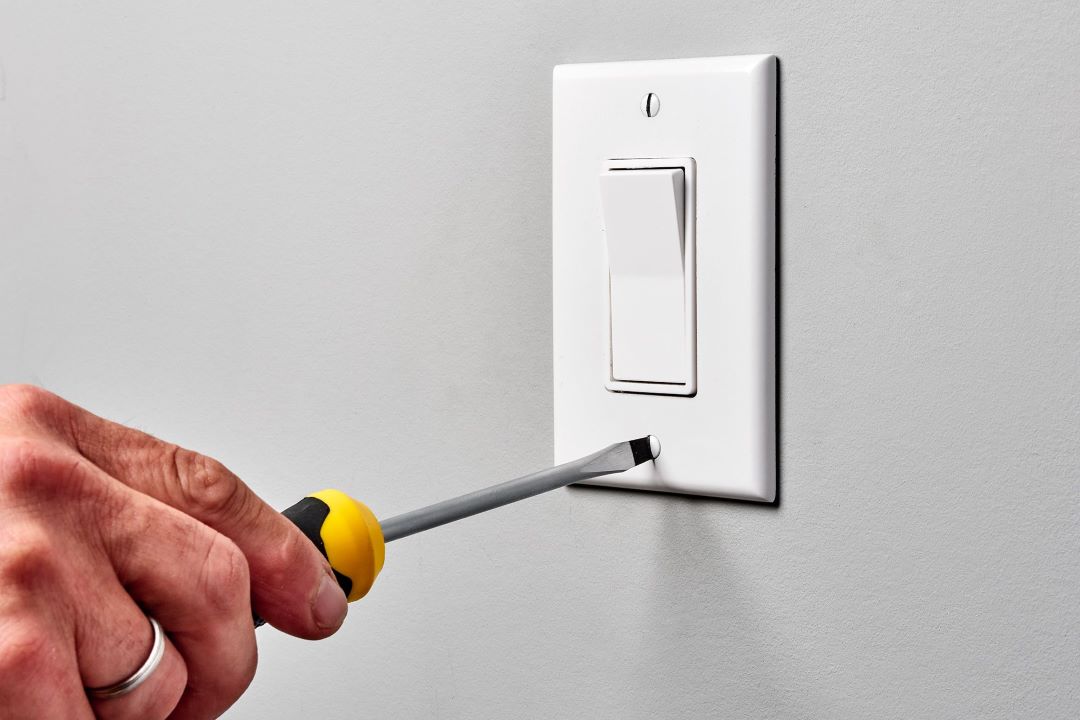
Start by turning off the power at the circuit breaker. Use a screwdriver to remove the screws holding the switch cover. Gently pull the cover off to expose the switch and wiring. Keep the screws safe for reassembly.
Checking And Tightening Wiring
Look closely at the wires connected to the switch. See if any wires are loose or disconnected. Use a screwdriver to tighten all wire screws firmly. Loose wiring often causes switch failure. Make sure wires are not damaged or frayed.
Replacing The Switch
If wiring looks fine, the switch may be faulty. Unscrew the switch from the electrical box. Carefully disconnect the wires from the old switch. Connect the wires to the new switch in the same order. Secure the switch back into the box with screws.
Testing The Repair
Turn the power back on at the circuit breaker. Flip the switch to see if the light turns on. Test the switch a few times for proper function. If the light still does not work, check your steps again or call an electrician.
When To Call A Professional
Knowing when to call a professional is key to fixing a light switch safely. Some problems need expert tools and knowledge. Trying to fix complex issues alone can cause damage or injury. A professional electrician can find hidden problems quickly and fix them right.
Complex Wiring Issues
Wiring inside walls can be tricky and dangerous. Old or faulty wiring may cause switches to fail. Professionals use special tools to check wires behind walls. They follow safety rules to avoid shocks and fires. Complex wiring problems need expert attention for safe repair.
Persistent Electrical Problems
If a switch keeps failing after attempts to fix it, call a professional. Constant flickering, buzzing sounds, or sparks are warning signs. These may mean a bigger issue in your electrical system. Experts can find the root cause and fix it properly. Don’t ignore ongoing problems to keep your home safe.
Upgrading Electrical Systems
Replacing old switches or adding new ones may need system upgrades. Older homes might not support modern electrical needs. Professionals ensure new parts fit and work well with existing wiring. They follow local codes and safety standards. Upgrading with expert help prevents future problems and keeps your home safe.
Preventive Tips For Light Switch Maintenance
Preventing problems with your light switch saves time and money. Simple care keeps switches working well. Follow these tips to avoid common issues and extend the life of your switches.
Regular Inspection
Check your light switches often for signs of wear or damage. Look for cracks, loose parts, or unusual sounds. Early detection helps avoid bigger problems. Use a flashlight to see inside the switch plate if needed. Tighten screws if they feel loose. Replace any broken parts right away.
Avoiding Overloads
Do not connect too many devices to one switch or circuit. Overloads cause switches to fail or wires to heat. Spread electrical load across different outlets. Know the power limits of your home’s wiring. Use switches designed to handle the load of your devices.
Using Quality Components
Choose switches made from good materials. Cheap switches break faster and may be unsafe. Buy switches that meet safety standards. Use proper electrical boxes and wiring for installation. Quality parts reduce the risk of faults and fires. Always replace old switches with reliable new ones.
Credit: www.litoelectrical.com
Frequently Asked Questions
Why Is My Light Switch Not Turning On?
Your light switch may not turn on due to a loose connection, faulty wiring, or a tripped circuit breaker. Check the power source and wiring before replacing the switch.
How Can I Safely Fix A Light Switch?
Turn off the power at the circuit breaker before working. Use a voltage tester to ensure no electricity flows to the switch.
What Tools Do I Need To Repair A Light Switch?
You will need a screwdriver, voltage tester, wire stripper, and replacement switch. These tools help you safely remove and replace the faulty switch.
When Should I Replace A Light Switch Instead Of Fixing?
Replace the switch if it’s cracked, feels hot, or causes flickering lights. These signs indicate the switch is damaged and unsafe to repair.
Conclusion
Fixing a light switch can be simple with the right steps. Always turn off power before starting work. Check the switch, wiring, and connections carefully. Use basic tools and follow safety rules. If problems continue, call a professional electrician. A working light switch keeps your home safe and bright.
Taking time to fix it saves money and hassle later. Small repairs make a big difference in your daily life. Keep these tips handy for future light switch issues.