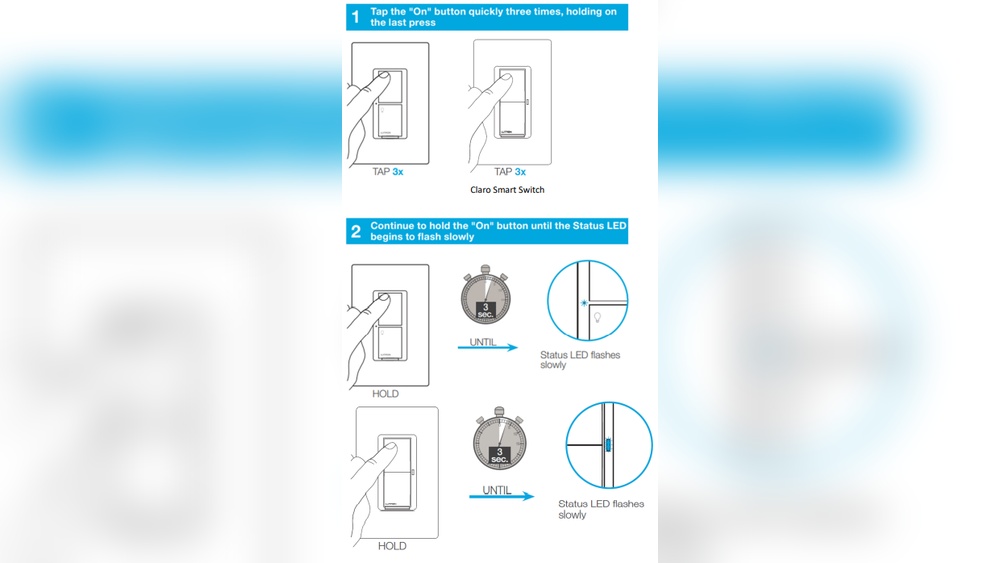
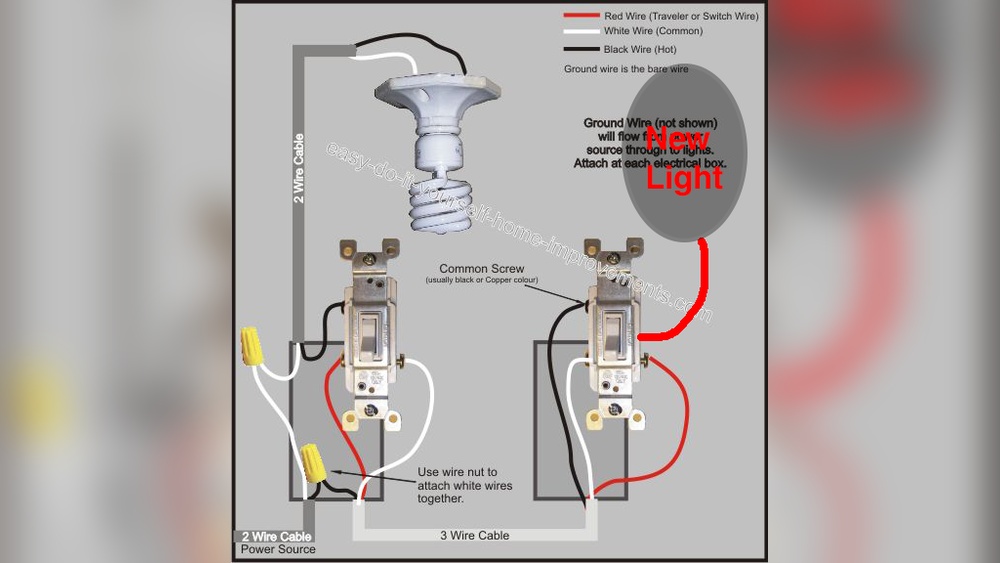
Have you ever wished you could control the brightness of your lights with just a simple twist or slide? Changing a regular light switch to a dimmer switch can instantly transform the mood of any room.
Whether you want cozy lighting for movie nights or brighter light for reading, a dimmer gives you that power. And the best part? You can do it yourself with just a few easy steps. Keep reading, and you’ll learn exactly how to make this simple upgrade that adds comfort and style to your home.
Tools And Materials Needed
Before you start changing a regular light switch to a dimmer, gather all needed tools and materials. Having everything ready saves time and avoids interruptions.
Choose the right tools to ensure a smooth and safe installation. Use materials that match your home’s electrical system.
Basic Tools
- Screwdriver (flathead and Phillips)
- Voltage tester
- Wire stripper
- Needle-nose pliers
- Flashlight or portable light
Materials Required
- Dimmer switch compatible with your light type
- Wire nuts
- Electrical tape
- Wall plate for dimmer switch
Safety Gear
- Insulated gloves
- Safety glasses
Having these tools and materials ready helps you complete the project quickly and safely.
Safety Precautions
Changing a regular light switch to a dimmer switch can improve your room’s lighting. Safety is very important during this task. It helps avoid shocks and accidents. Follow these safety steps to work safely and confidently.
Turn Off Power At The Circuit Breaker
Always turn off the power before starting. Locate the circuit breaker for the room. Switch it off to cut electricity to the light switch. Use a tester to make sure the power is off.
Use Proper Tools And Equipment
Use insulated tools made for electrical work. Avoid using damaged or worn-out tools. Wear safety gloves and glasses to protect yourself. Keep your workspace dry and clean.
Check The Wiring Type
Identify the wiring in your wall. Make sure it matches the dimmer switch type. Some dimmers work only with certain wiring. Incorrect wiring can cause short circuits or fire.
Follow Manufacturer Instructions
Read the dimmer switch manual carefully. Follow all installation steps as explained. Do not skip any instructions. Proper installation ensures safety and good performance.
Do Not Work Alone
Have someone nearby while working. They can help in case of an emergency. Avoid working in dark or unsafe conditions. A second person adds a layer of safety.
Choosing The Right Dimmer Switch
Choosing the right dimmer switch is key for a smooth and safe lighting upgrade. Not all dimmers work with every light bulb or fixture. Picking the correct type ensures better control over your room’s brightness. It also helps avoid flickering or buzzing sounds. Understanding the options and compatibility makes your project easier and more successful.
Types Of Dimmer Switches
There are several types of dimmer switches. The most common is the rotary dimmer, which you turn to adjust brightness. Slide dimmers let you move a lever up or down for light control. Touch dimmers use a tap or swipe on a panel to change settings. Some advanced dimmers offer remote control or smart home integration. Choose a style that fits your preference and room design.
Compatibility With Bulbs
Not all dimmer switches work with every bulb type. Incandescent and halogen bulbs usually work well with standard dimmers. LED and CFL bulbs need dimmers made for low voltage and electronic control. Using the wrong dimmer can cause flickering or damage the bulb. Always check the dimmer’s packaging or manual for bulb compatibility. This step saves time and prevents frustration.

Credit: www.youtube.com
Turning Off Power
Before starting any electrical work, turning off the power is very important. It keeps you safe from electric shocks. Working on a live circuit can cause serious injury or damage. Always double-check that the power is off before touching wires or switches.
Turning off the power is the first step to change a regular light switch to a dimmer. This simple action protects you and your home. It also prevents short circuits and sparks while you work.
Locate The Circuit Breaker
Go to your home’s circuit breaker panel. Find the breaker that controls the light switch. It usually has a label with the room name or number.
If the breakers are not labeled, turn each one off and on to find the right one. Use a helper to check if the light goes off.
Switch Off The Power
Flip the correct circuit breaker to the “off” position. This stops electricity from flowing to the switch. Double-check by turning the light switch on and off. The light should not turn on.
Use A Voltage Tester
Use a voltage tester to be sure the power is off. Touch the tester to the wires in the switch box. The tester should show no voltage.
Never skip this step. Sometimes power may still be present. A voltage tester keeps you safe by confirming no electricity is running through the wires.
Removing The Existing Switch
Removing the existing switch is the first step in changing a regular light switch to a dimmer. It is important to do this safely and carefully. Turn off the power at the circuit breaker before touching anything. This step prevents electric shock and keeps you safe.
After the power is off, test the switch with a voltage tester. Make sure there is no electricity running through the wires. Once you confirm safety, you can begin to remove the switch cover and the switch itself.
Turn Off The Power
Locate the circuit breaker that controls the light switch. Switch it off to cut the electricity. Use a voltage tester on the switch wires to double-check power is off. This step is crucial for safety.
Remove The Switch Cover Plate
Use a screwdriver to remove the screws holding the cover plate. Carefully pull the cover plate away from the wall. Set it aside for later use or replacement. Do not force it to avoid damage.
Unscrew The Existing Switch
Find the screws holding the switch to the electrical box. Use a screwdriver to remove these screws. Gently pull the switch out from the wall. Keep the wires attached for now.
Disconnect The Wires
Note the position of each wire on the switch. Take a photo or write notes for reference. Loosen the terminal screws to release the wires. Carefully separate the wires from the switch.
Credit: www.homedepot.com
Wiring The Dimmer Switch
Wiring the dimmer switch is a key step to change a regular light switch. It requires careful attention to avoid mistakes. The process involves identifying the wires and connecting them properly. This ensures the dimmer works safely and smoothly. Follow the steps below to handle the wiring with confidence.
Identifying Wires
First, turn off the power at the circuit breaker. Use a voltage tester to confirm no electricity flows to the switch. Remove the switch cover and pull out the old switch gently. Look for three types of wires: live (black or red), neutral (white), and ground (green or bare copper).
The live wire carries current to the switch. The neutral wire completes the circuit. The ground wire protects against electrical faults. Write down or take a picture of the wire arrangement. This will help during connection.
Connecting Wires Correctly
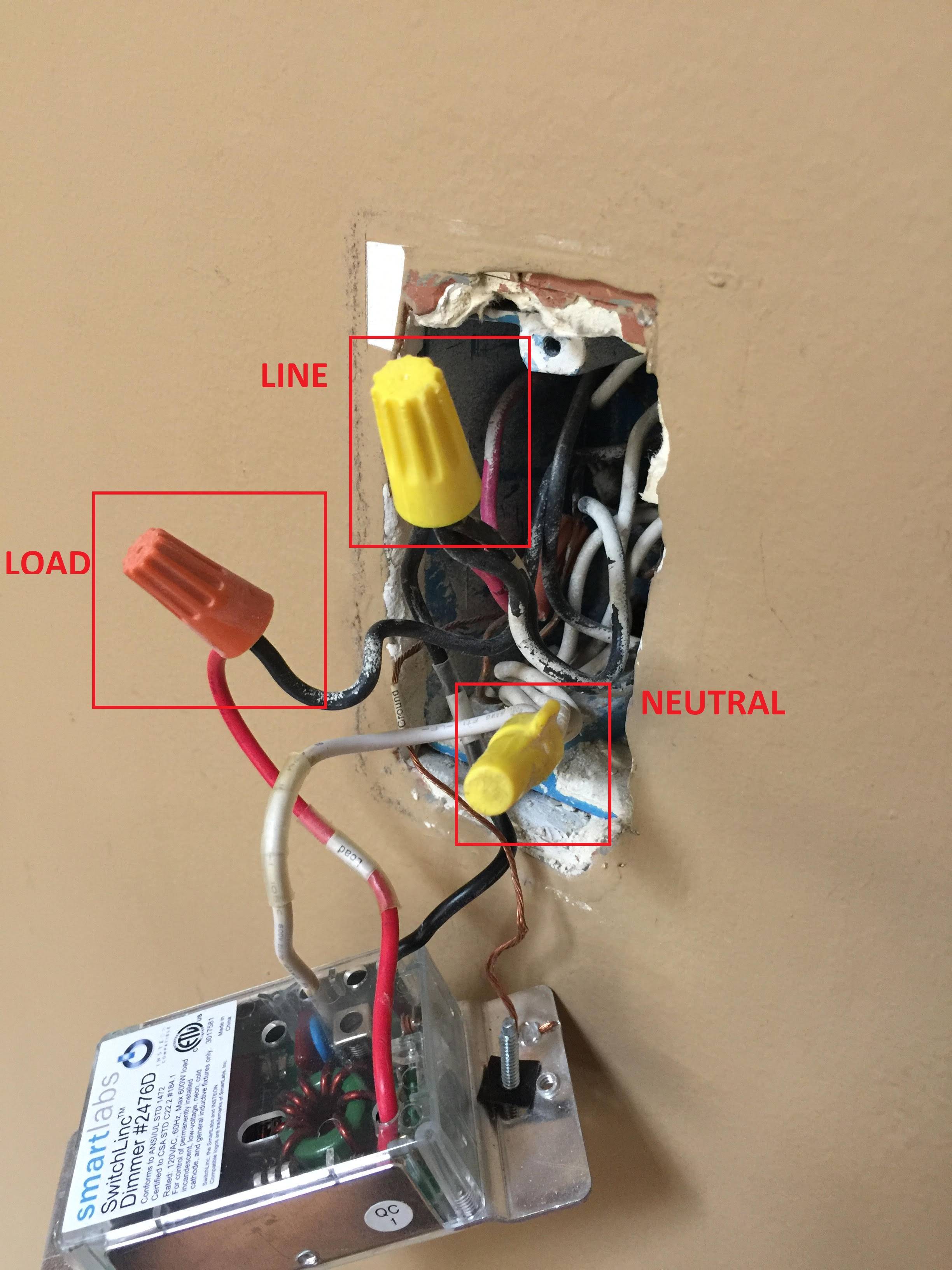
Match the dimmer switch wires to the house wires. Typically, the dimmer has two black wires and one green wire. Connect the black wires of the dimmer to the live and load wires in the wall. Use wire nuts to twist them tightly together.
Attach the dimmer’s green wire to the ground wire in the wall. Do not connect the neutral wire to the dimmer unless the instructions say so. After all wires are connected, push them back into the box carefully. Secure the dimmer switch with screws and replace the cover plate.
Mounting And Securing The Dimmer
Mounting and securing the dimmer is a key step in changing your regular light switch. This step ensures the dimmer stays in place and works properly. A loose dimmer can cause flickering or stop working. Take your time to fit it right.
Preparing The Wall Box
Check the wall box for any damage or dirt. Clean the inside to remove dust. Make sure the box is deep enough for the dimmer. If it is too shallow, the dimmer will not fit well. Use a box extender if needed.
Aligning The Dimmer Switch
Hold the dimmer switch against the wall box. Line up the screw holes with the box’s mounting holes. The dimmer should sit flat against the wall. Do not force it. Adjust the wires so they do not block the fit.
Securing The Dimmer With Screws
Use the screws that came with the dimmer. Insert them into the mounting holes. Tighten the screws carefully. They should be snug but not too tight. Over-tightening can crack the dimmer or wall plate.
Attaching The Wall Plate
Place the wall plate over the dimmer switch. Align it with the screw holes. Insert and tighten the screws for the wall plate. The plate should be flush with the wall. This protects the dimmer and gives a clean look.
Restoring Power And Testing
After installing your new dimmer switch, restoring power and testing the device is the final step. This phase confirms everything works safely and correctly. It helps avoid electrical issues and gives peace of mind.
Take your time to follow each instruction carefully. Safety remains the top priority during this process. Proper testing ensures your dimmer switch operates smoothly and controls light brightness as expected.
Restoring Power Safely
First, return to your circuit breaker panel. Flip the switch that controls the light circuit back to the ON position. This action restores power to the dimmer switch and the connected light fixture.
Stand clear of the switch and wiring. Watch for any sparks or unusual sounds. If you notice anything strange, turn off the breaker immediately and double-check your wiring connections.
Testing The Dimmer Switch
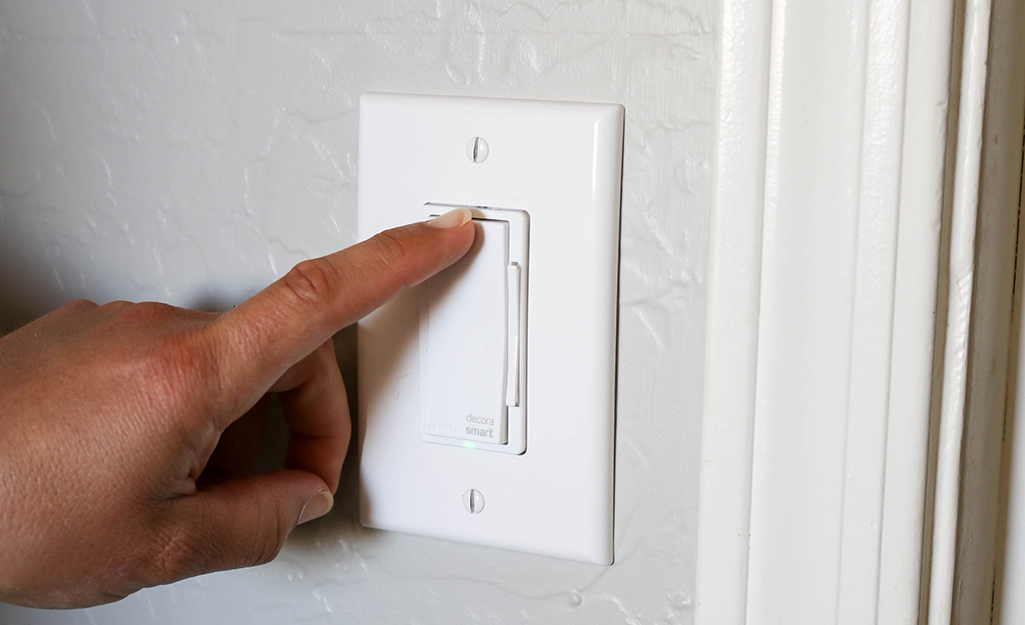
Next, test the dimmer switch by pressing its toggle or rotating its knob. The light should turn on and off smoothly. Adjust the dimmer to different levels to check brightness changes.
Ensure the dimmer does not cause flickering or buzzing sounds. These issues may indicate incorrect wiring or incompatibility with the bulbs. Use recommended bulbs for best results.
Checking For Safety And Function
Confirm the dimmer switch feels cool to the touch during use. Excess heat may signal a problem. Also, verify the switch stays firmly in place without wobbling.
Finally, inspect the surrounding wall plate for a secure fit. Loose plates can expose wiring and create hazards. Tighten screws as needed for a neat finish.
Troubleshooting Common Issues
Changing a regular light switch to a dimmer can improve your room’s lighting. Sometimes, issues happen after installation. Troubleshooting common problems helps fix these quickly. This guide covers simple solutions to typical dimmer switch issues.
Check For Loose Wiring
Loose wires cause flickering or no power. Turn off the power before checking. Remove the switch cover and gently tug each wire. Tighten any loose wire with a screwdriver. Proper contact ensures the dimmer works well.
Verify Dimmer Compatibility
Not all dimmers work with every bulb type. LED bulbs need specific dimmers. Using the wrong dimmer causes flickering or buzzing sounds. Check the dimmer packaging for bulb compatibility. Choose a dimmer made for your bulb type.
Test The Circuit Breaker
A tripped breaker stops power flow to the switch. Locate your home’s breaker box. Find the breaker for the light circuit. Reset it by switching it off and on. If it trips again, there might be a short circuit.
Replace The Dimmer Switch
Sometimes, the dimmer switch itself is faulty. A new switch solves many problems. Purchase a quality dimmer from a hardware store. Follow installation instructions carefully. If unsure, ask an electrician for help.
Credit: diy.stackexchange.com
Frequently Asked Questions
What Tools Are Needed To Change A Light Switch To A Dimmer?
You need a screwdriver, voltage tester, wire stripper, and the dimmer switch. Always turn off the power before starting.
Can Any Light Bulb Work With A Dimmer Switch?
No, you must use dimmable bulbs like LED or incandescent. Non-dimmable bulbs can flicker or get damaged.
How Do You Wire A Dimmer Switch Correctly?
Connect the dimmer wires to the existing switch wires, matching colors. Secure connections with wire nuts and follow the instructions.
Is It Safe To Install A Dimmer Switch Yourself?
Yes, if you turn off the power and follow safety steps carefully. Otherwise, consult a licensed electrician for help.
Conclusion
Changing a regular light switch to a dimmer is simple and useful. It lets you control light brightness with ease. Always turn off power before starting. Follow the steps carefully for safety. A dimmer switch adds comfort and saves energy.
Enjoy softer or brighter light anytime you want. This small change improves your room’s mood quickly. Try it yourself and see the difference.