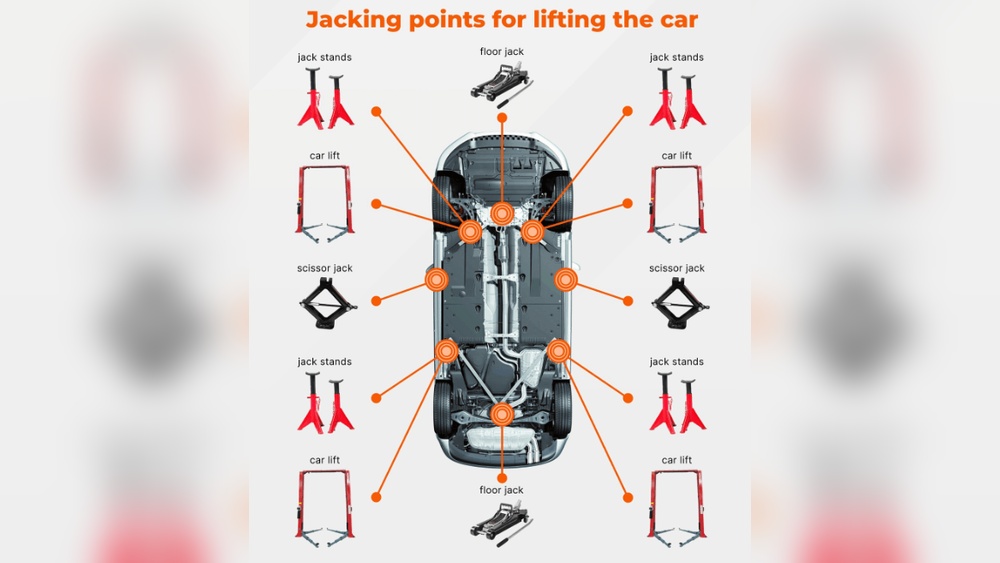
Knowing exactly where to place your floor jack can save you from costly damage and keep you safe while working on your car. If you’ve ever struggled with lifting your vehicle or worried about slipping jacks, this guide is made just for you.
By the time you finish reading, you’ll confidently find the perfect jack point every time—making your car repairs easier and safer. Ready to learn the simple steps that can protect your car and yourself? Let’s dive in.

Credit: www.raceramps.com
Locating Jack Points
Locating the correct jack points on your car is essential for safe lifting. Using the wrong spot can damage the vehicle or cause the jack to slip. Knowing where to place the jack helps keep the car stable and secure during repairs or tire changes.
Common Jack Point Areas
Most cars have jack points near the wheels. These are often on the frame or pinch welds. Front and rear jack points are usually reinforced for strength. Look close to the tire edges under the car for flat, sturdy spots. Avoid soft or rusty areas that may bend or break.
Manufacturer’s Guide
The owner’s manual shows exact jack point locations. It often includes pictures or diagrams. Follow the guide to prevent damage and ensure safety. Some manuals also explain how to use the jack properly. Keep the manual handy before lifting your car.
Visual Indicators On Frame
Car frames often have small marks at jack points. Look for notches, grooves, or raised metal patches. These signs show where the jack fits best. Clean the area to see these marks clearly. Using these indicators reduces the risk of slipping or damage.
Tools Needed
Knowing the right tools helps find the floor jack point safely. Using proper tools protects your car and yourself. It makes the job easier and faster. Below are the essential tools needed.
Types Of Floor Jacks
Hydraulic floor jacks are common. They lift cars smoothly and with little effort. Scissor jacks are smaller and manual. They are useful for light cars or emergencies. Bottle jacks use hydraulic pressure too. They are compact but can lift heavy loads.
Additional Equipment
Jack stands hold the car after lifting. Never rely on the jack alone. Wheel chocks stop the car from moving. They are placed behind wheels. A flashlight helps find the jack point in dark areas. A flat, solid surface keeps the jack steady.
Safety Gear
Wear gloves to protect your hands. Safety glasses shield your eyes from debris. Closed-toe shoes protect your feet. Avoid loose clothing that can catch on parts. Use a sturdy work mat to kneel on.
Step-by-step Jack Point Identification
Finding the right jack point on your car is important for safety and ease. This step-by-step guide helps you identify the correct spot. Follow these simple steps to lift your vehicle without damage.
Preparing The Vehicle
Park your car on a flat, solid surface. Engage the parking brake. Turn off the engine and remove the keys. Place wheel chocks behind the wheels for extra safety. Gather your jack and tools nearby for easy access.
Inspecting The Undercarriage
Look under the car’s side near the wheels. Search for a small notch or thick metal area. This is usually the jack point. Check your owner’s manual for exact locations. Avoid soft or rusty parts that can bend or break.
Confirming Stability
Position the jack under the identified point. Slowly lift the jack until it touches the car. Make sure the jack fits snugly and does not slip. Lift the car slightly and check for movement. If stable, continue to raise the vehicle safely.

Credit: www.reddit.com
Safety Precautions
Safety is the top priority when lifting a car with a floor jack. Proper precautions protect you and your vehicle from harm. Knowing the right steps helps prevent accidents and damage. Follow these safety tips to keep your work safe and smooth.
Avoiding Damage
Place the jack only on the car’s designated jack points. Check your owner’s manual for these spots. Avoid lifting on parts like the frame or exhaust. This prevents bending or breaking important parts. Use a piece of wood between the jack and car for extra protection. Never rush; steady lifting reduces the risk of damage.
Using Jack Stands
Always use jack stands after lifting the car. The floor jack alone cannot safely hold the car for long. Place the stands under strong parts of the frame. Lower the car slowly onto the stands. Make sure the car is stable before working underneath. This simple step saves lives.
Working On Different Surfaces
Flat, hard surfaces are best for jacking up a car. Avoid soft ground, gravel, or slopes. These surfaces can cause the jack to slip or sink. Use a sturdy board under the jack on softer surfaces. This spreads the weight and keeps the jack steady. Double-check the surface before lifting the car.
Troubleshooting Common Issues
Finding the right floor jack point on a car can be tricky. Some common issues may slow you down or cause confusion. Understanding these problems helps you work safely and faster. This section covers common troubles and ways to fix them.
Unclear Jack Points
Sometimes, jack points are hard to see. Dirt, paint, or damage can hide them. Use a flashlight to check under the car. Look for small metal tabs or marks near the frame. The owner’s manual often shows exact locations. If still unsure, ask a mechanic or check videos for your car model.
Uneven Ground Challenges
Jack safety depends on flat, solid ground. Uneven surfaces make the car unstable. Use wooden blocks to level the jack base. Avoid soft soil or gravel, which can cause slipping. If no level spot is nearby, move the car to a better area. Safety matters most when lifting a vehicle.
Dealing With Rust Or Damage
Rust can weaken jack points and cause danger. Inspect the area carefully before jacking. Avoid lifting at rusted or bent spots. If the frame looks damaged, choose a different point or get help. Regular cleaning and rust treatment can keep jack points strong. Safety comes first to prevent accidents.

Credit: www.reddit.com
Frequently Asked Questions
Where Is The Floor Jack Point On Most Cars?
The floor jack point is usually located near the car’s frame or designated lift pads. Check the owner’s manual for exact spots. These points are reinforced to support the car’s weight safely during lifting.
How To Identify The Floor Jack Point On A Car?
Look for small notches, grooves, or flat metal areas along the car’s frame. These indicate safe jack points. Avoid placing the jack under plastic or fragile parts to prevent damage.
Can Using The Wrong Jack Point Damage The Car?
Yes, using incorrect jack points can harm the car’s underbody or suspension. It may cause dents, cracks, or instability while lifting. Always use manufacturer-recommended jack points for safety.
Why Is Locating The Correct Jack Point Important?
Using the correct jack point ensures vehicle stability and prevents accidents. It protects the car’s structure and enables safe tire changes or repairs. Always double-check before lifting your car.
Conclusion
Finding the floor jack point on your car keeps you safe and avoids damage. Always check your car’s manual for the exact spot. Use a flat, stable surface to place the jack. Lift the car slowly and watch for any movement.
Knowing the right place helps with quick tire changes or repairs. Practice this skill to feel more confident. Safety matters most when working under your vehicle. Keep these tips in mind for every lift. Simple steps make car maintenance easier and safer.


