If you own a 2-ton Craftsman floor jack, you know how important it is to keep it in top shape. But what happens when the jack runs low on hydraulic fluid?
Knowing how to refill your floor jack correctly can save you time, money, and frustration. In this guide, you’ll discover simple steps to refill your jack safely and effectively. By the end, you’ll feel confident maintaining your tool and ready to tackle any lifting job with ease.
Keep reading to learn exactly what you need to do!
Credit: www.lowes.com
Safety Preparations
Before refilling your 2 Ton Craftsman floor jack, safety must come first. Taking the right steps helps prevent injuries and damage. Follow these simple safety preparations to ensure a smooth and safe process.
Wear Protective Gear
Always wear gloves to protect your hands from oil and dirt. Safety glasses keep your eyes safe from splashes. Wear old clothes to avoid stains. These small steps protect your skin and eyes during refilling.
Secure The Jack
Place the jack on a flat, stable surface. Make sure it cannot move or tip over. Use wheel chocks or blocks if needed. This keeps the jack steady and prevents accidents while working.
Work In A Well-ventilated Area
Open windows or doors to allow fresh air. Hydraulic fluid has fumes that can cause dizziness. A well-ventilated space keeps air fresh and safe. Avoid working in closed or cramped rooms.
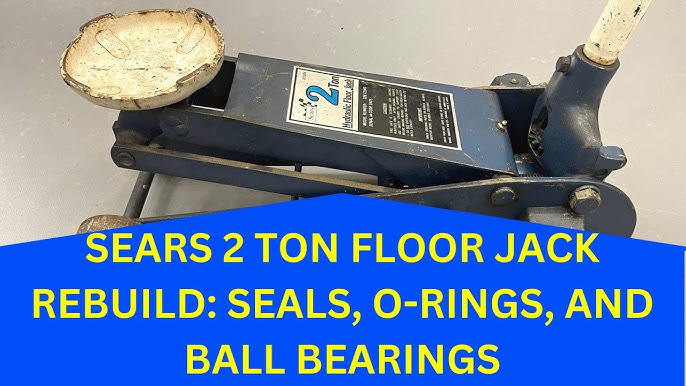
Credit: www.youtube.com
Gathering Tools And Materials
Before refilling a 2-ton Craftsman floor jack, gather all necessary tools and materials. Having everything ready saves time and avoids frustration. Being organized ensures a smooth refill process and helps maintain the jack’s performance. Follow these simple steps to prepare well.
Select The Right Hydraulic Fluid
Choose the correct hydraulic fluid for your floor jack. Most Craftsman jacks use standard jack oil or hydraulic oil. Check the owner’s manual to confirm the fluid type. Using the wrong fluid can damage the jack and reduce its lifespan. Buy fresh, clean fluid to ensure proper function.
Prepare Cleaning Supplies
Cleanliness is key to a successful refill. Gather rags, paper towels, and a small brush. Use these to wipe dirt and grease from the jack’s surface. Remove dust around the fill plug before opening it. Clean tools and parts prevent contamination in the hydraulic system.
Have Basic Tools Ready
Collect simple tools like a wrench or socket set to open the fill plug. A funnel helps pour fluid without spills. Keep gloves nearby to protect your hands from oil. Having these tools ready speeds up the refill and keeps your workspace tidy.
Locating The Fluid Reservoir
Locating the fluid reservoir is the first step in refilling your 2Ton Craftsman floor jack. The reservoir holds the hydraulic fluid that powers the jack. Knowing exactly where it is helps you refill the fluid correctly and avoid damage. This step is simple but important for proper jack maintenance.
Identify The Fill Plug
Look on the jack’s main body near the lifting arm. The fill plug is usually a small, round cap. It may have a slot for a flathead screwdriver or a hex shape for a wrench. This plug seals the fluid reservoir. Removing it lets you add hydraulic fluid.
Clean The Area Around The Plug
Before opening the fill plug, wipe the area clean. Dirt or debris can fall inside and damage the jack. Use a clean cloth to remove dust and grease. Keeping the area clean ensures the fluid stays pure and the jack works smoothly.
Draining Old Fluid
Draining old fluid from your 2-ton Craftsman floor jack is essential. It keeps the jack working smoothly and extends its life. Removing old fluid prevents dirt and debris buildup inside the jack. This step prepares the jack for fresh hydraulic fluid. Follow these simple steps carefully to do it safely and cleanly.
Place A Drain Pan
Start by placing a drain pan under the jack’s drain plug. Use a pan big enough to hold all the old fluid. This prevents spills and keeps your workspace clean. Position the pan so it catches every drop of fluid.
Open The Drain Plug
Locate the drain plug on the jack’s base. Use the correct tool to loosen it slowly. Let the old fluid flow out completely. Avoid forcing the plug to prevent damage. Wait until no more fluid drips from the opening.
Dispose Of Used Fluid Properly
Used hydraulic fluid is harmful to the environment. Pour it into a sealed container for safe transport. Take it to a recycling center or hazardous waste facility. Never pour fluid down drains or on the ground. Proper disposal protects nature and follows local laws.
Refilling The Jack
Refilling the hydraulic fluid in your 2-ton Craftsman floor jack is a simple task. It helps keep the jack working smoothly and safely. Regular checks and refills prevent damage and extend the tool’s life. Follow these clear steps to refill the jack correctly.
Add New Hydraulic Fluid
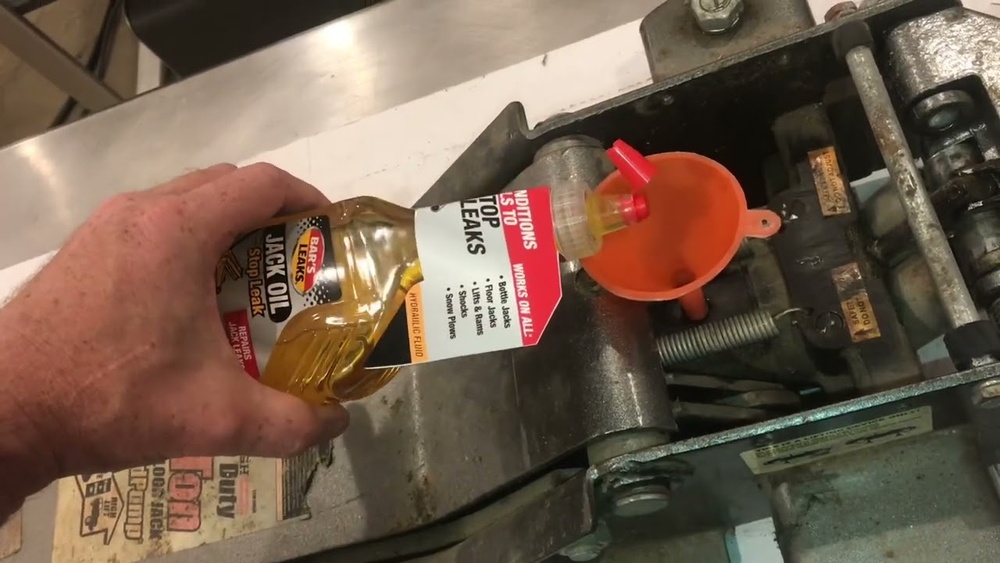
First, find the fill plug on the jack. Remove it carefully. Use the right hydraulic fluid for Craftsman jacks. Slowly pour the fluid into the fill hole. Fill it until the fluid reaches the recommended level. Avoid overfilling, which can cause leaks or damage.
Check Fluid Level
After adding fluid, check the level with a clean tool or gauge. The fluid should sit just below the fill hole edge. If it’s too low, add more fluid in small amounts. Keep the jack on a flat surface to get an accurate reading.
Replace The Fill Plug Securely
Once the fluid level is correct, put the fill plug back in place. Tighten the plug firmly to stop leaks. Do not overtighten, as this can damage the plug or jack. Wipe off any spilled fluid before using the jack again.
Bleeding Air From The System
Bleeding air from the system is important for your 2Ton Craftsman floor jack. Air trapped inside can cause the jack to work poorly. It may feel spongy or not lift as it should. Removing this air helps the jack pump smoothly and lift properly.
Follow these simple steps to clear air out. This will improve the jack’s performance and make it safer to use. Patience is key during this process.
Pump The Jack Slowly
Start by pumping the jack handle slowly. This helps move the hydraulic fluid and air through the system. Pumping too fast can trap more air inside. Aim for smooth, steady movements.
Open And Close The Release Valve
Next, slightly open the release valve to let air escape. You will hear a hissing sound as the air leaves. Close the valve tightly after a few seconds. This stops fluid from leaking out.
Repeat Until Smooth Operation
Repeat pumping and releasing air several times. Each cycle pushes more air out. Stop once the jack feels firm and lifts without hesitation. This means the air is fully removed.
Testing The Floor Jack
Testing the floor jack after refilling is important. It helps confirm the jack works safely and correctly. Perform a few simple checks before regular use. This ensures the jack lifts smoothly and holds weight without issues.
Lift A Test Load
Start by placing a small, safe load on the jack. Use a sturdy object that matches the jack’s capacity. Pump the handle slowly to lift the load. Watch for smooth movement and steady lifting without jerks or noises.
Check For Leaks
Look closely around the jack for any fluid leaks. Leaks can reduce pressure and cause failure. Inspect seals, valves, and connections carefully. If you see any fluid drops or wet spots, fix the leaks before use.
Ensure Proper Function
Lower the load slowly and watch the jack’s release valve. It should lower the load smoothly without sudden drops. Test the handle and release for easy operation. Confirm the jack holds the load steady when lifted.
Maintenance Tips
Keeping your 2Ton Craftsman floor jack in good shape extends its life and performance. Regular maintenance helps avoid costly repairs and keeps it safe to use. Follow simple steps to maintain your floor jack properly.
Regular Fluid Checks
Check the hydraulic fluid level often. Low fluid can cause the jack to work poorly or fail. Use the recommended hydraulic oil for your Craftsman floor jack. Clean the area around the fill plug before opening it. Add fluid slowly to avoid overfilling. Wipe away any spilled oil to keep parts clean.
Store Properly
Store the floor jack in a dry, clean place. Avoid damp areas to prevent rust and damage. Keep it lowered when not in use to reduce pressure on seals. Cover the jack with a cloth or tarp to protect it from dust. Proper storage helps keep the jack ready for use anytime.
Schedule Periodic Inspections
Inspect your floor jack regularly for leaks or worn parts. Check the wheels, handle, and lifting arm for damage. Tighten loose bolts and replace damaged parts quickly. Testing the jack under load helps spot issues early. Regular inspections keep your floor jack safe and reliable.
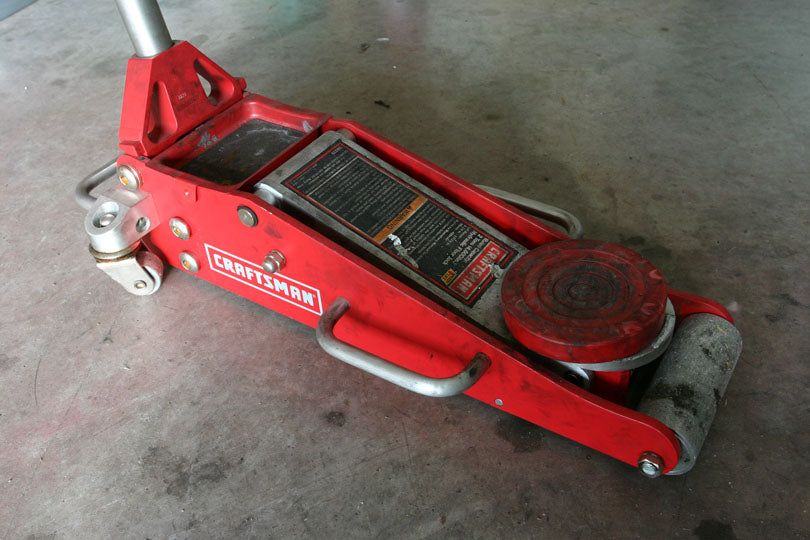
Credit: redeyegarage.com
Frequently Asked Questions
How Often Should I Refill A 2ton Craftsman Floor Jack?
Refill your 2Ton Craftsman floor jack when hydraulic fluid looks low or jack performance drops. Regular checks every six months help maintain smooth operation and prevent damage. Use the recommended hydraulic oil for best results.
What Type Of Hydraulic Fluid Is Needed For Refilling?
Use high-quality hydraulic jack oil specified in your Craftsman floor jack manual. Avoid using brake fluid or motor oil as they can damage seals. Proper fluid ensures optimal lifting performance and prevents leaks.
How Do I Safely Refill The Hydraulic Fluid In The Jack?
First, place the jack on a level surface and release pressure. Remove the filler plug carefully, then slowly add hydraulic oil until it reaches the fill line. Replace the plug tightly and test the jack for smooth lifting.
Can I Use Other Oils Instead Of Hydraulic Fluid?
No, only use the recommended hydraulic jack oil. Other oils like motor or brake fluid can cause seal damage and reduce jack efficiency. Always follow manufacturer guidelines to ensure safety and longevity.
Conclusion
Refilling your 2 Ton Craftsman floor jack keeps it working well. Check the oil level often to avoid damage. Use the correct hydraulic oil for best results. Always clean around the fill plug before opening it. Tighten the plug securely after refilling.
Test the jack carefully to ensure smooth lifting. Regular maintenance helps your jack last longer. Simple steps save time and money. Keep your tools ready for any job. Easy to follow, right?