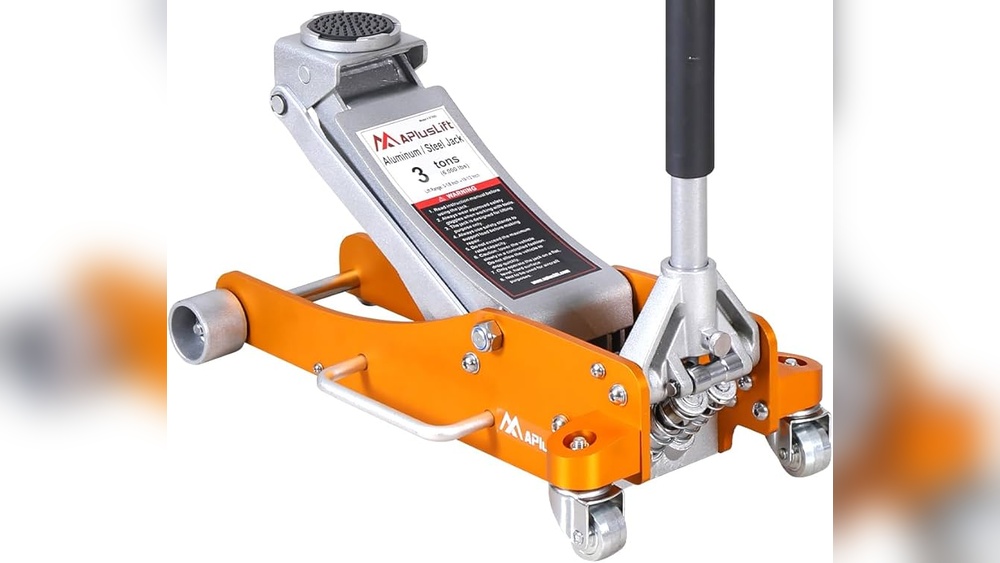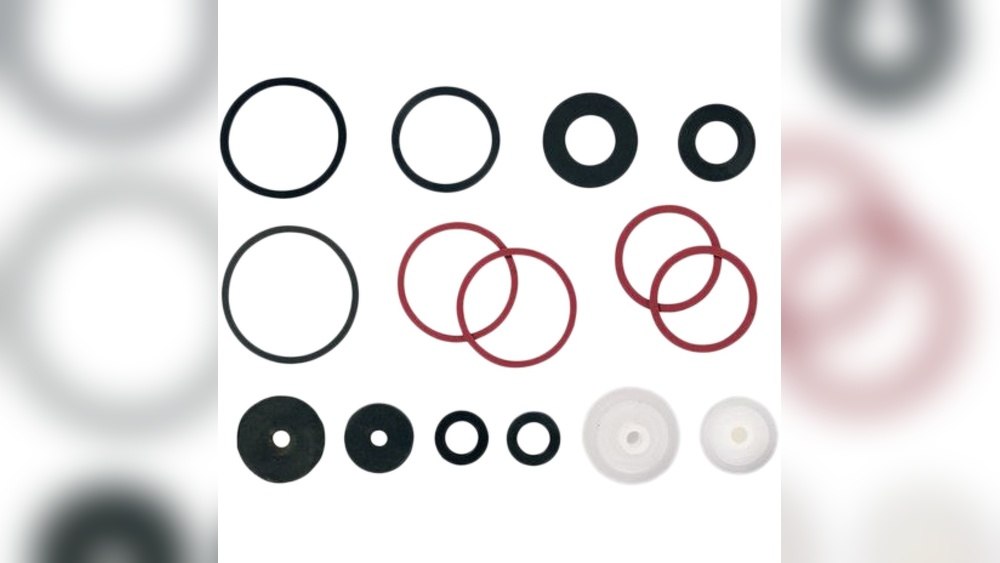
If you use a floor jack regularly, you know how important it is to keep it working smoothly. But what happens when your jack starts to lose power or won’t lift properly?
The secret often lies in the fluid inside. Knowing how to fill fluid in your floor jack can save you time, money, and frustration. In this guide, you’ll learn the simple steps to refill your jack’s fluid correctly, so it performs like new again.
Keep reading, and you’ll never have to worry about a weak lift again.

Credit: www.wikihow.com
Types Of Floor Jack Fluids
Choosing the right fluid for a floor jack is important for its performance and safety. Floor jack fluids help the jack lift heavy loads smoothly. Not all fluids work well with every floor jack. Knowing the types of fluids can save you time and money.
Hydraulic Oil Variants
Hydraulic oil is the most common fluid used in floor jacks. It comes in different grades and viscosities. Low-viscosity oil flows easily and works well in cold conditions. High-viscosity oil is thicker and better for heavy-duty jacks. Some hydraulic oils have additives to prevent rust and wear. Always check your jack’s manual to match the right oil type.
Recommended Fluids
Most floor jacks need specific hydraulic oils or jack oils. These oils are designed to handle high pressure and prevent leaks. Some brands offer fluids made for both hydraulic systems and floor jacks. Using these recommended fluids improves the jack’s life and performance. Avoid mixing different types of oils to keep the system clean.
Fluids To Avoid
Water or brake fluid must never be used in a floor jack. These fluids can damage seals and cause leaks. Motor oil and vegetable oil also harm the hydraulic system. They do not handle pressure well and may cause jack failure. Stick to the fluids suggested by the jack’s manufacturer for safety and durability.
Tools And Materials Needed
Filling fluid in a floor jack requires specific tools and materials. Having the right items makes the task easier and safer. Prepare everything before you start to avoid interruptions.
Essential Tools
- Floor jack oil or hydraulic fluid
- Clean funnel for pouring fluid
- Rags or paper towels for spills
- Socket wrench or screwdriver to open the fill plug
- Container to catch old fluid (if draining)
- Flashlight to see inside the jack
Safety Gear
- Protective gloves to keep hands clean
- Safety goggles to protect eyes from splashes
- Work apron or old clothes to avoid stains
- Well-ventilated area to prevent inhaling fumes
Preparing The Floor Jack
Preparing the floor jack is the first step to fill its fluid safely and correctly. This step ensures the jack works properly and lasts longer. Proper preparation avoids spills and damage during the filling process. Take your time to prepare well before adding fluid.
Positioning The Jack
Place the floor jack on a flat, stable surface. This prevents it from tipping over while filling. Ensure the jack is fully lowered to reduce pressure in the reservoir. Keep the jack away from dirt and dust to avoid contamination. Position it so you can easily access the fluid reservoir cap.
Cleaning The Reservoir Area
Wipe the area around the fluid reservoir cap with a clean cloth. Removing dirt stops debris from entering the jack. Use a damp cloth if needed, but avoid getting water inside. Cleanliness protects the internal parts of the jack. Check the cap for any damage before opening it.
Steps To Drain Old Fluid
Draining the old fluid from your floor jack is essential for its proper function. Old fluid can cause damage and reduce lifting power. Follow these steps carefully to ensure a smooth draining process.
Locating The Drain Plug
First, find the drain plug on your floor jack. It is usually at the bottom or side of the jack. Use a flashlight if needed to see clearly. The plug looks like a small bolt or screw. Keep a container ready to catch the old fluid once you remove the plug.
Proper Disposal Methods
Collect the drained fluid in a sealed container. Do not pour it down drains or on the ground. Take the old fluid to a recycling center or hazardous waste facility. Proper disposal protects the environment and follows local laws. Always wear gloves to avoid skin contact with the fluid.
Filling New Fluid
Filling new fluid in a floor jack is important for smooth and safe operation. The fluid helps lift heavy loads by creating pressure inside the jack. Without the right fluid level, the jack might not work well or could get damaged. Follow these simple steps to fill new fluid properly.
Opening The Reservoir
First, find the reservoir cap on the floor jack. It is usually a small plug or screw on the body of the jack. Use a wrench or your hand to open it carefully. Make sure the jack is on a flat surface and not under pressure. Opening the reservoir allows access to the fluid tank inside.
Pouring Fluid Safely
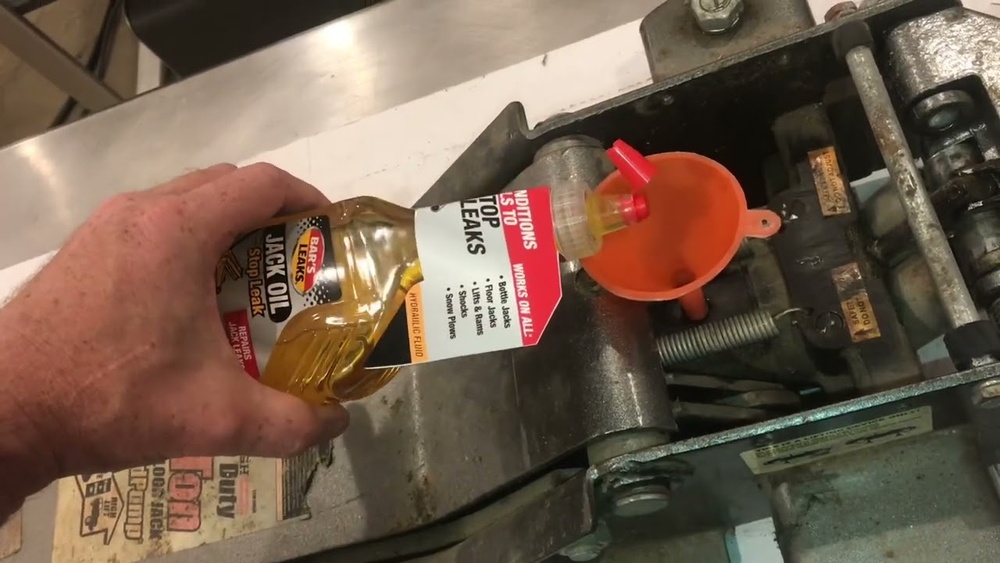
Use the correct hydraulic fluid recommended for your jack. Pour slowly to avoid spills and overfilling. Keep the fluid container steady and pour directly into the reservoir. Stop pouring once the fluid reaches near the top but does not overflow. Clean any spills immediately to prevent slipping or damage.
Checking Fluid Level
After pouring, check the fluid level inside the reservoir. Some jacks have a dipstick or a clear window to see the fluid. The fluid should be just below the reservoir opening. If it is too low, add a little more fluid. Replace the reservoir cap tightly to prevent leaks.
Bleeding Air From The System
Bleeding air from a floor jack system is a key step after filling its fluid. Air trapped inside reduces the jack’s lifting power. This makes the jack less efficient and can cause it to fail under pressure. Removing air ensures smooth operation and reliable performance.
Air bubbles inside the hydraulic system block fluid flow. This prevents the jack from lifting heavy loads properly. Bleeding the air restores the hydraulic pressure and helps the jack work like new. It is a simple process but very important for safety and function.
Why Bleeding Is Important
Air in the hydraulic system lowers pressure and power. It makes the jack feel spongy or soft when lifting. This can be dangerous during use. Air also causes uneven lifting and slow response times.
Bleeding removes trapped air and restores strength. It protects the jack from damage and wear. Regular bleeding keeps the jack working longer and safer.
Simple Bleeding Techniques
Start by opening the release valve to lower the jack fully. Next, pump the handle several times to push air out. Keep the release valve open during this step.
Close the release valve and test the jack. Repeat the bleeding steps if the jack still feels soft. Use a clean cloth to wipe any fluid spills. Proper bleeding takes only a few minutes but improves jack performance greatly.
Testing The Floor Jack
Testing the floor jack after filling it with fluid is important. This step ensures the jack works safely and efficiently. You can check if the fluid level is correct and if the jack lifts smoothly. Testing also helps spot any leaks or issues before real use.
Lifting A Test Load
Choose a small, stable object to lift. Place the floor jack under the object’s lifting point. Pump the handle slowly to raise the load. Watch how the jack responds to the weight. It should lift steadily without slipping or jerking.
Observing Performance
Check for smooth movement in the jack’s parts. Listen for unusual noises like hissing or grinding. Look for fluid leaks around seals and valves. The jack should hold the load without lowering on its own. Any drop in height means more fluid or repair is needed.

Credit: www.youtube.com
Maintenance Tips For Longevity
Maintaining your floor jack properly extends its life and improves safety. Regular care keeps the jack working smoothly. It also prevents costly repairs and accidents. Simple steps help protect your investment and ensure reliable performance every time.
Regular Fluid Checks
Check the hydraulic fluid level often. Low fluid can cause poor lifting power. Use the recommended type of hydraulic fluid. Avoid mixing different fluids to prevent damage. Look for leaks or dirty fluid and replace it if needed. Clean fluid helps the jack work better and last longer.
Storage Recommendations
Store the floor jack in a dry place. Avoid damp or dusty areas that cause rust. Keep the jack lowered when not in use. This reduces pressure on seals and fluid. Cover the jack to protect it from dirt. Proper storage stops damage and keeps it ready for use.

Credit: www.wikihow.com
Frequently Asked Questions
How Do I Know When To Fill Fluid In My Floor Jack?
Check the jack’s fluid level regularly, especially before use. Low fluid causes poor lifting performance and possible damage. Most jacks have a fill port or sight glass to monitor fluid levels.
What Type Of Fluid Is Needed For Floor Jacks?
Use high-quality hydraulic jack oil, not brake or motor oil. The manufacturer’s manual specifies the correct fluid type for optimal jack function and longevity.
How Do I Safely Fill Fluid In A Floor Jack?
Place the jack on a level surface and remove the fill plug. Slowly pour hydraulic oil until the fluid reaches the recommended level. Replace the plug securely before operating.
Can I Use Other Oils Instead Of Hydraulic Jack Fluid?
No, using incorrect oils can damage seals and reduce performance. Always use the specified hydraulic jack oil to maintain safety and efficiency.
Conclusion
Filling fluid in a floor jack keeps it working well. Always use the right type of fluid. Clean the jack before adding new fluid. Check for leaks and fix them early. Regular care extends your jack’s life. A well-maintained jack lifts safely every time.
Follow these simple steps to avoid problems. Keep your tools ready for any job. Safety and proper use go hand in hand. Stay safe and work smarter with a good floor jack.