If your dual floor jack isn’t working right, it can slow you down and cause frustration. You rely on it to lift heavy loads safely, so when it sticks, leaks, or won’t hold pressure, you need a quick fix.
You might think repairing it is complicated or expensive, but that’s not always true. In this guide, you’ll learn simple, step-by-step solutions to get your dual floor jack back in action. Keep reading, and you’ll save time, avoid costly repairs, and feel confident handling the problem yourself.
Common Dual Floor Jack Issues
Dual floor jacks are useful tools for lifting heavy objects. Over time, some common issues can stop them from working well. Knowing these problems helps you fix the jack quickly and safely.
Below are the most frequent problems with dual floor jacks. Each issue affects the jack’s performance and safety.
Leaks And Hydraulic Problems
Hydraulic fluid leaks cause the jack to lose pressure. Without pressure, the jack cannot lift properly. Check for wet spots or fluid under the jack. Worn seals or damaged hoses often cause leaks. Replacing these parts usually fixes the problem. Air in the hydraulic system can also reduce power. Bleeding the system removes trapped air and restores function.
Handle And Pump Malfunctions
The handle moves the pump to raise the jack. A broken or loose handle stops the pump from working. Sometimes, the pump piston or valve wears out. This causes the pump to fail or feel stiff. Tightening loose parts or replacing damaged components restores smooth pumping. Regular lubrication helps keep the handle and pump working well.
Saddle And Lifting Arm Wear
The saddle supports the load on the jack. The lifting arm moves the saddle up and down. Both parts wear out over time. Cracks or bends in the lifting arm reduce lifting strength. A worn or damaged saddle may slip off the load. Inspect these parts carefully. Replace worn or damaged components to ensure safe lifting.
Tools And Materials Needed
Fixing a dual floor jack needs specific tools and parts. Having everything ready saves time. It also helps avoid mistakes during repair. Safety is important too. Proper gear protects you while working.
Essential Repair Tools
- Socket wrench set for bolts and nuts
- Screwdrivers, both flathead and Phillips
- Adjustable wrench for tight spaces
- Pliers for gripping and bending
- Rubber mallet to tap parts gently
- Lubricant spray to loosen stuck parts
- Clean cloths for wiping dirt and grease
Replacement Parts
- Hydraulic fluid for smooth lifting
- Seals and O-rings to stop leaks
- New wheels if old ones are worn out
- Springs to restore tension
- Release valve to control pressure
- Pump piston if damaged or stuck
Safety Equipment
- Protective gloves to avoid cuts
- Safety goggles to guard your eyes
- Work boots with good grip
- Long sleeves to protect your arms
- Clean, dry workspace to prevent slips
Diagnosing The Problem
Diagnosing the problem is the first step to fix a dual floor jack. Understanding what is wrong helps you avoid wasting time and money. You can find the issue by checking a few key parts of the jack. This guide will help you spot common problems quickly.
Checking Hydraulic Fluid Levels
Hydraulic fluid powers the jack’s lifting ability. Low fluid can cause the jack to fail or lift slowly. Remove the fill plug and look inside. The fluid should be near the top of the reservoir. If it is low, add the correct hydraulic fluid. Avoid mixing different fluids. Always clean the area before opening the reservoir to prevent dirt entry.
Inspecting For Visible Damage
Look over the jack for cracks, leaks, or bent parts. Check the lifting arm and the base for any signs of damage. Leaks usually mean worn seals or broken hoses. Bent parts may stop the jack from moving smoothly. Use a flashlight to see hard-to-reach areas. Catching damage early can save costly repairs later.
Testing Pump And Release Valve
The pump raises the jack by moving fluid inside. The release valve lets the fluid return when lowering the jack. Pump the handle a few times and see if the jack lifts. If it does not lift or feels weak, the pump may be faulty. Turn the release valve slowly to check if the jack lowers smoothly. Stuck valves cause the jack to hold pressure or drop suddenly.
Fixing Hydraulic Leaks
Fixing hydraulic leaks in a dual floor jack is essential to keep it working safely and smoothly. Leaks cause loss of pressure and fluid, reducing the jack’s lifting power. Small leaks can lead to bigger problems if not fixed quickly.
This section explains how to find leaks, replace worn parts, and restore hydraulic fluid. Follow these steps to bring your floor jack back to full strength.
Locating Leak Sources
Start by cleaning the jack with a rag to remove dirt and oil. Look closely at all joints, seals, and hoses. Check under the jack for drips or wet spots. Use a flashlight to see hard-to-reach places. Mark any areas that show signs of oil leaks.
Replacing Seals And O-rings
Worn seals and O-rings often cause hydraulic leaks. Remove the parts carefully using basic tools. Take the old seals to a hardware store for exact replacements. Fit new seals and O-rings snugly in their places. Make sure they sit correctly to avoid future leaks.
Refilling And Bleeding Hydraulic Fluid
After replacing seals, refill the jack with the correct hydraulic fluid. Use a clean funnel to avoid contamination. Then, bleed the system to remove trapped air. Pump the jack slowly and check for smooth movement. Repeat until no air bubbles appear in the fluid.
Repairing Handle And Pump Issues
Repairing handle and pump issues is key to keeping your dual floor jack working well. These parts often face wear and tear. Fixing them can extend the jack’s life and improve safety.
Simple fixes often solve common problems. This includes tightening loose parts, replacing worn pump pieces, and lubricating moving parts. Each step helps the jack work smoothly and safely.
Tightening Loose Components
Loose handles or bolts can cause poor pump action. Use a wrench to check all nuts and bolts. Tighten any that feel loose. This keeps the handle secure and improves pump efficiency.
Check the handle connection to the pump unit. Make sure it fits tightly without wobbling. Tight parts help the jack lift smoothly.
Replacing Worn Pump Parts
Over time, pump seals or valves may wear out. This causes leaks and loss of pressure. Inspect the pump for cracks or damaged seals. Replace any worn parts with new ones from the manufacturer.
Use basic tools to remove old parts carefully. Install new seals and valves to restore full pump pressure. This step boosts lifting power and safety.
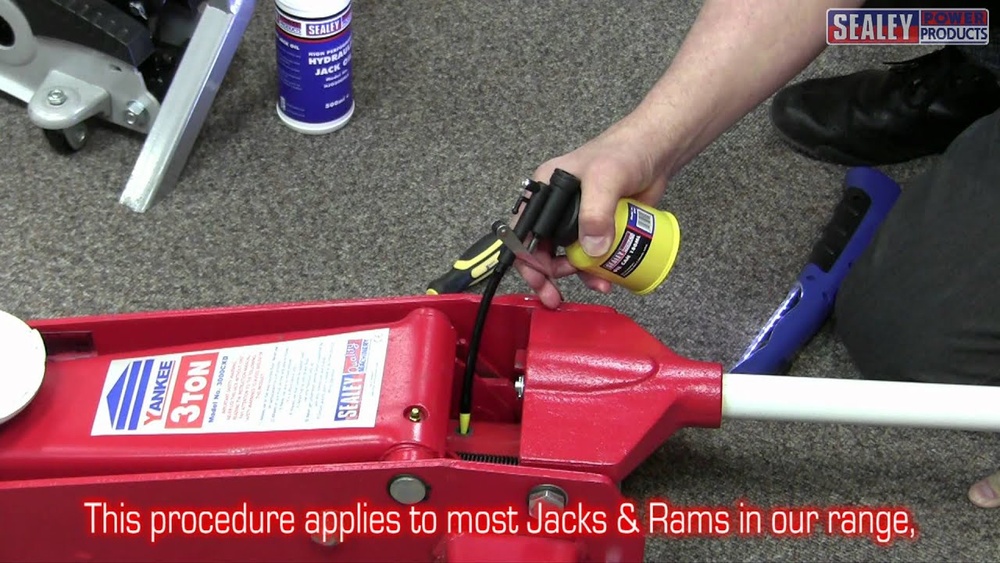
Lubricating Moving Parts
Lubrication reduces friction and wear. Apply a light machine oil to the handle pivot and pump mechanism. Move the handle up and down to spread the oil evenly.
Regular lubrication keeps the jack operating smoothly. It prevents rust and extends the life of moving parts.
Credit: www.walmart.com
Restoring Saddle And Lifting Arm
The saddle and lifting arm are key parts of a dual floor jack. They hold and lift heavy loads safely. Over time, these parts can wear out or misalign. Fixing them helps the jack work smoothly and safely again. Follow simple steps to restore these parts correctly.
Replacing Worn Pads
Worn pads reduce grip and can damage the load. Remove the old pads from the saddle. Clean the surface before placing new pads. Use pads made for your jack model. Secure them tightly to avoid slipping during use.
Aligning And Securing The Arm
The lifting arm must be straight and tight. Check for any bends or cracks. Adjust the arm to fit the jack frame correctly. Tighten all bolts and pins firmly. This keeps the arm stable and safe when lifting.
Checking Load Capacity
Each jack has a maximum load limit. Check the label or manual for this number. Never exceed this limit to avoid damage or accidents. Test the jack with light loads first. Confirm it lifts smoothly and holds steady before heavy use.
Testing And Maintenance Tips
Testing and maintaining your dual floor jack is important for safety and performance. Regular checks help find problems early. Proper care extends the jack’s life. Follow simple steps to keep it working well.
Performing Load Tests Safely
Always test the jack on a flat, solid surface. Use a weight close to the jack’s capacity. Lift the load slowly and watch for any unusual movements. Never exceed the maximum weight limit. If the jack does not hold the load, stop and inspect it.
Routine Inspection Schedule
Check the jack before and after each use. Look for leaks in the hydraulic system. Inspect the wheels and handle for damage. Tighten any loose bolts or screws. Clean the jack to remove dirt and debris. Keep a log of inspection dates and findings.
Proper Storage Practices
Store the jack in a dry place to prevent rust. Keep it away from direct sunlight and moisture. Lower the jack to its lowest position before storing. Cover it with a cloth or plastic cover. Avoid placing heavy objects on top of the jack.
Credit: www.wideworldofindoorsports.com

Credit: www.amazon.com
Frequently Asked Questions
How Do I Troubleshoot A Dual Floor Jack?
Check for hydraulic fluid leaks and inspect the release valve. Tighten loose parts and replace worn seals to restore function.
What Causes A Dual Floor Jack To Lose Pressure?
Pressure loss is often due to air in the system or fluid leaks. Bleed the jack and refill hydraulic oil as needed.
Can I Repair A Dual Floor Jack Myself?
Yes, with basic tools and safety precautions, you can fix common issues like leaks and faulty valves at home.
How Often Should I Maintain My Dual Floor Jack?
Perform maintenance every 6 months or after heavy use to ensure safety and optimal performance.
Conclusion
Fixing a dual floor jack can save time and money. Follow each step carefully to avoid mistakes. Check parts often to keep the jack working well. Clean and lubricate moving parts for smooth use. Test the jack after repairs to ensure safety.
Regular care helps the jack last longer. Simple fixes often solve common problems quickly. Stay patient and work slowly for the best results. This guide helps you maintain your jack with ease. Keep your tools ready for any future repairs.