Want to hang something on your wall but don’t have a drill? You’re not alone.
Drills can be noisy, messy, or simply not available when you need them most. The good news is, you can still install wall anchors without one. Imagine getting a strong, secure hold for your shelves, pictures, or hooks—without the hassle or noise of drilling.
In this guide, you’ll discover simple, effective ways to install wall anchors quickly and easily. Keep reading, and you’ll learn how to get the job done right, even if you’re a complete beginner.
Types Of Wall Anchors
Wall anchors help secure objects to walls without strong support. Different types fit different wall materials and weights. Choosing the right anchor makes installation easier and safer. Here are common types of wall anchors you can use without a drill.
Plastic Expansion Anchors
Plastic expansion anchors work well in drywall and plaster. Push them into a small hole in the wall. When you insert a screw, the anchor expands. This expansion grips the wall tightly. They hold light to medium-weight objects securely.
Self-drilling Anchors
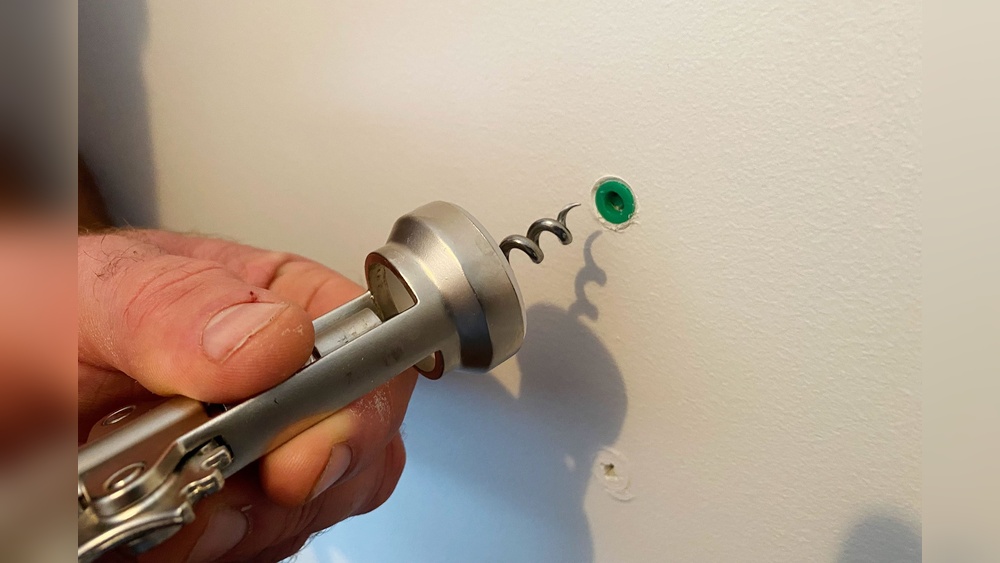
Self-drilling anchors do not need pre-drilled holes. They have sharp tips that cut into drywall or plaster. Twist them in by hand using a screwdriver. These anchors provide strong support for medium-weight items. They save time and effort during installation.
Toggle Bolts
Toggle bolts are ideal for heavy objects on hollow walls. They have spring-loaded wings that open inside the wall. Insert the bolt through the object and push the wings into the wall. The wings spread wide, holding firmly from behind. Toggle bolts offer strong, reliable support for heavier loads.

Credit: www.youtube.com
Tools Needed Without A Drill
Installing a wall anchor without a drill requires some basic tools. These tools help you secure the anchor safely and accurately. You do not need complex equipment to get the job done. A few simple items work well for most wall anchor tasks.
Gathering the right tools saves time and effort. It also reduces the chance of mistakes. Below are the essential tools you will need without using a drill.
Screwdriver Options
A screwdriver is key for inserting screws into wall anchors. A manual screwdriver works well and gives you control. Choose one with a comfortable handle to avoid hand strain. Flathead and Phillips screwdrivers are common types. Select the one that fits your screw head. A screwdriver allows you to tighten screws steadily and precisely.
Hammer And Nail
A hammer and nail help create a small starter hole. This makes it easier to push the wall anchor into the wall. Tap gently to avoid damaging the wall. The nail should be thin enough to leave a small mark. This mark guides where to place the anchor. Using a hammer and nail speeds up the anchor insertion without a drill.
Measuring Tools
Measuring tools ensure the anchor goes in the right spot. A tape measure or ruler helps you find the exact location. Mark the spot lightly with a pencil. Use a level to keep the anchor straight. Proper measuring prevents uneven or crooked mounting. These tools improve accuracy and make your work look professional.
Preparing The Wall Surface
Preparing the wall surface is the first step to install a wall anchor without a drill. A clean, marked, and smooth wall helps the anchor hold firmly. Taking time to prepare prevents damage and ensures the anchor works well.
Focus on finding the right spot and making the area ready. This preparation makes the installation easier and more secure.
Locating Studs And Marking Spots
Start by finding the studs behind the wall. Studs give strong support for anchors. Use a stud finder or tap the wall and listen for a solid sound.
Mark the spot lightly with a pencil. These marks guide where to place the anchor. Avoid areas without studs for heavier items.
Cleaning The Area
Clean the wall surface before installing the anchor. Use a cloth to remove dust and dirt. A clean surface helps the anchor stick better.
Make sure the area is dry. Moisture can weaken the hold of the anchor. Take a few minutes to prepare this part carefully.

Credit: www.youtube.com
Step-by-step Installation
Installing a wall anchor without a drill is simple. Follow these clear steps for strong support. This guide will help you do it safely and correctly.
Creating A Pilot Hole Manually
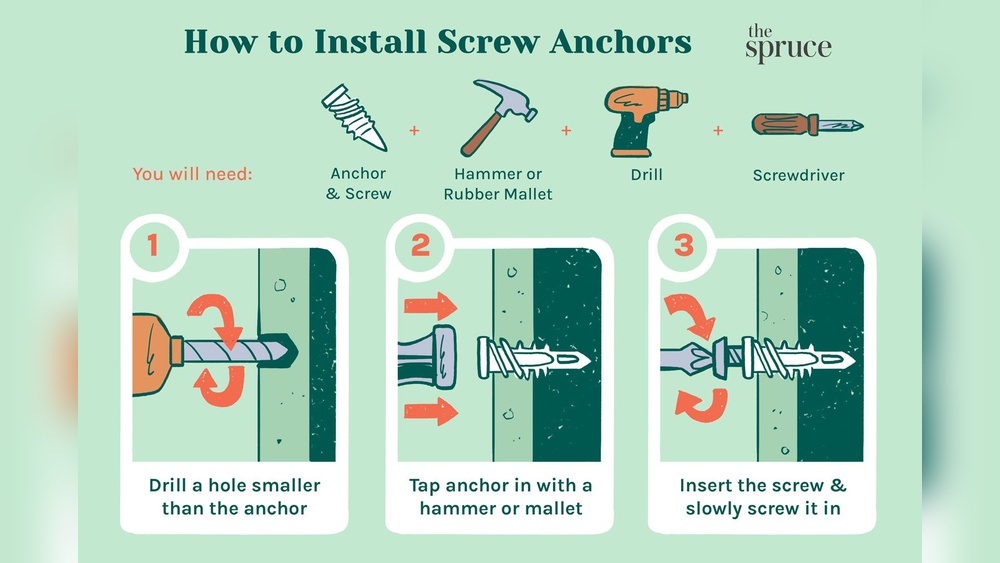
First, mark the spot for the anchor. Use a nail or a sharp object. Push it gently into the wall. Twist it slowly to make a small hole. This hole guides the anchor and prevents cracks.
Inserting The Anchor
Next, take the wall anchor. Push it into the pilot hole carefully. Use your fingers or a small hammer. Tap lightly until the anchor sits flush with the wall. It should fit tight but not damage the wall.
Securing The Screw
Finally, place the screw into the anchor. Turn the screw by hand or with a screwdriver. Tighten it slowly until it feels secure. Do not overtighten to avoid breaking the anchor or wall.
Tips For Maximum Hold
Getting the best hold from your wall anchor is key to keeping items secure. Simple steps help improve the grip without using a drill. Follow these tips for a strong, lasting hold that protects your walls.
Choosing The Right Anchor Size
Pick an anchor that fits the weight of your item. A small anchor won’t hold heavy objects well. Use thicker anchors for heavier items to spread the load. Match the anchor size to the wall type. This choice makes a big difference in strength.
Avoiding Wall Damage
Press anchors gently into the wall surface. Avoid forcing or twisting hard. Use a hammer softly if needed. Push anchors straight, not at an angle. This reduces the risk of cracks or holes. Protect your wall by handling anchors with care.
Testing The Anchor Strength
After inserting the anchor, test its hold carefully. Pull lightly on the item to check stability. Add weight gradually to avoid sudden damage. If the anchor moves, remove and try a larger size. Testing ensures your anchor stays firm and safe.
Common Mistakes To Avoid
Installing wall anchors without a drill can be simple. But many make mistakes that cause problems later. Avoiding these errors helps your anchors hold strong and last long.
Learn the common mistakes to avoid for a secure and safe installation.
Forcing Anchors Without Pilot Holes
Trying to push anchors directly into the wall can cause damage. Walls may crack or anchors may not fit properly. Always create a small pilot hole or use a sharp tool to make space. This step makes the anchor slide in easily and hold better.
Using Wrong Anchor Types
Not all anchors work for every wall type or weight. Plastic anchors suit drywall but fail on brick or concrete. Metal anchors hold more weight and fit harder surfaces. Choose anchors based on your wall material and the item’s weight. Wrong anchors mean weak support and possible wall damage.
Ignoring Weight Limits
Every anchor has a weight limit. Exceeding this limit causes anchors to pull out or walls to crack. Check the package for weight ratings. Use multiple anchors for heavy items. Following weight limits keeps your items safe and walls intact.

Credit: www.reddit.com
Frequently Asked Questions
How Can I Install A Wall Anchor Without A Drill?
You can use a hammer or screwdriver to insert self-drilling anchors. These anchors have sharp tips that pierce drywall easily. Simply push and tap gently until secure. This method avoids the need for a drill and works well for lightweight fixtures.
What Tools Do I Need To Install Wall Anchors Without Drilling?
You need self-drilling wall anchors, a hammer, or a screwdriver. No electric tools are required. These anchors are designed to cut into drywall or plaster with minimal effort. Using proper anchors ensures a strong hold without damaging the wall.
Are Wall Anchors Without Drilling Strong And Reliable?
Yes, self-drilling anchors provide good strength for light to medium loads. They are best for pictures, shelves, or small fixtures. For heavier items, traditional drilled anchors are recommended. Always check the anchor’s weight rating before installation.
Can I Install Wall Anchors On Plaster Without A Drill?
Yes, self-drilling anchors work well on plaster walls. Tap the anchor gently with a hammer to avoid cracking the plaster. If the wall is very hard, pre-scoring the surface with a nail helps. This method prevents damage and ensures a secure fit.
Conclusion
Installing a wall anchor without a drill is simple and quick. Use the right tools and follow the steps carefully. This method saves time and avoids noise. You can hang items securely on walls without extra holes. Practice on scrap material to gain confidence first.
With patience, your walls stay safe and strong. Try this easy way to fix anchors today.