Is your floor sinking or uneven, making your home feel unstable and unsafe? You’re not alone, and the good news is that you can fix it.
Knowing how to jack up a sunken floor can save you money and prevent further damage. Imagine stepping into a room where the floor feels solid and level again—no more worries about tripping or cracked walls. You’ll discover simple, effective steps to lift and stabilize your floor.
Keep reading, and take the first step toward a safer, more comfortable home.
Signs Of A Sunken Floor
A sunken floor can cause many problems in a home. It may lead to uneven surfaces and even damage to furniture. Noticing the signs early helps prevent bigger issues. This section explains how to spot a sunken floor and understand its causes.
Common Causes
Sunken floors often happen due to foundation problems. Soil beneath the house can shift or settle over time. Water damage from leaks or poor drainage weakens the ground. Termites and pests can also damage wooden structures. These factors cause the floor to sink or sag.
Identifying Floor Damage
Look for visible dips or slants in the floor surface. Doors and windows may not close properly. Cracks in walls or floors often appear near the sunken area. You might feel a soft or spongy spot underfoot. These signs show the floor is losing support.
Credit: www.youtube.com
Essential Tools And Materials
Jacking up a sunken floor requires specific tools and materials. Using the right items makes the job safer and easier. Knowing what to prepare helps you work with confidence. Below are the essential tools you need to gather before starting.
Safety Gear
Protect yourself first. Use sturdy gloves to avoid cuts and splinters. Wear safety glasses to shield your eyes from dust and debris. A dust mask keeps harmful particles out of your lungs. Wear steel-toed boots to protect your feet from heavy objects. Safety gear reduces injury risks during the lifting process.
Lifting Equipment
A hydraulic jack is the best tool for lifting floors evenly. Bottle jacks work well for small lifts. Make sure the jack can support the weight of your floor. Use a sturdy lever or pry bar to help raise the floor slowly. Avoid using weak or damaged jacks as they may fail. Proper lifting equipment ensures smooth and controlled lifting.
Support Materials
Strong wooden blocks or cribbing support the floor after lifting. Use solid beams to hold the floor at the raised height. Place shims or wedges to secure small gaps and keep the floor stable. Avoid soft or rotten wood that can break under pressure. Good support materials prevent the floor from sinking again.
Preparing The Area
Preparing the area is the first step to fix a sunken floor. Proper preparation makes the job safer and easier. It helps you see the problem clearly and plan the repair well.
Clearing The Space
Remove all furniture and items from the room. Clear the floor completely to have full access. This prevents damage to your belongings. It also gives you enough room to work freely. Clean the floor to avoid slipping or tripping.
Inspecting The Subfloor
Look closely at the floorboards and subfloor. Check for cracks, rot, or water damage. Notice any soft or weak spots by stepping carefully. Identify the cause of the sinking if possible. This helps in choosing the right repair method. Mark the damaged areas to focus your work.

Credit: oldhousecrazy.com
Steps To Jack Up The Floor
Jacking up a sunken floor is a careful process that requires patience and the right tools. Follow clear steps to lift the floor safely and correctly. Take your time and focus on each step to avoid damage.
Positioning The Jack
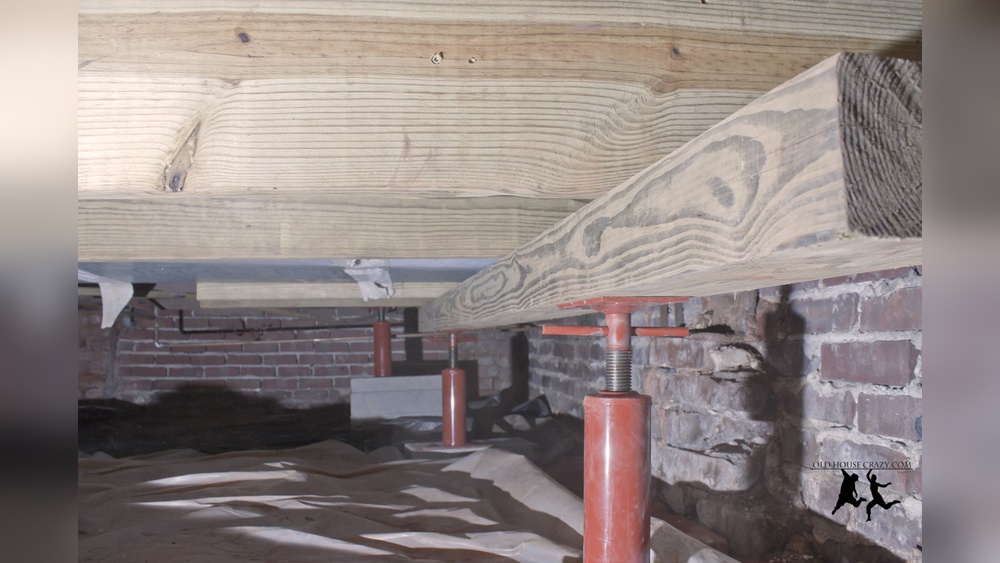
Place the jack under the lowest part of the sunken floor. Use a sturdy support, like a wooden beam, to hold the jack steady. Make sure the jack is centered and stable. This setup helps lift the floor evenly and prevents slipping.
Lifting Slowly
Turn the jack handle very slowly to raise the floor. Lift just a small amount at a time. Stop often to check the floor’s level and condition. Slow lifting reduces the risk of cracks or breaks in the floor and walls.
Securing The Raised Floor
Once the floor reaches the desired height, place strong supports underneath. Use wooden blocks or steel posts to hold the floor in place. Remove the jack carefully after securing the supports. This step keeps the floor stable and safe for use.
Repairing The Foundation
Repairing the foundation is a key step in fixing a sunken floor. The foundation supports the entire structure. Weak or damaged parts must be strengthened. This prevents future sinking and keeps your home safe. Start by checking the wooden joists and the spaces underneath. Fixing these will make the floor solid again.
Reinforcing Joists
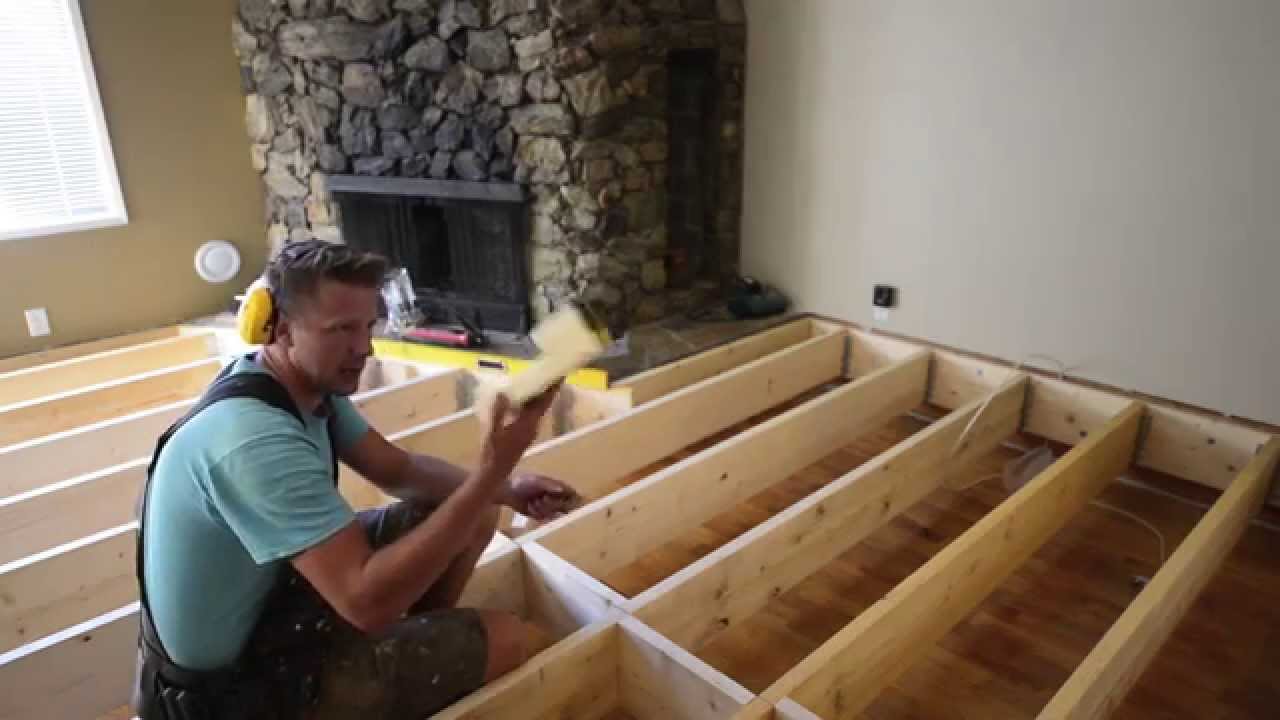
Joists are the wooden beams that hold up the floor. Over time, they can crack or bend. Reinforce them by adding extra wooden beams alongside. Use strong bolts or screws to attach new beams securely. This spreads the weight evenly. It stops the floor from sagging more.
Filling Gaps And Voids
Gaps and voids under the floor cause uneven sinking. Fill these empty spaces with sturdy materials like concrete or expanding foam. This lifts the floor back to its original level. It also stops moisture from collecting under the floor. Filling voids protects the foundation and keeps the floor firm.

Credit: www.youtube.com
Finishing Touches
After jacking up a sunken floor, the final steps ensure a stable and smooth surface. These finishing touches improve safety and make the floor ready for use. Take time to check every detail for the best outcome.
Checking For Levelness
Use a level tool to check the floor’s surface. Move it around the lifted area to find any dips or high spots. Small adjustments with shims or additional lifting may be needed. A perfectly level floor prevents future problems and increases comfort.
Restoring Flooring Surface
Fix any cracks or gaps caused by the sinking. Fill holes with wood filler or patching compound. Sand the area smooth for a clean finish. Replace or repair damaged boards if needed. Finish with paint, stain, or sealant to match the rest of the floor. A smooth surface looks better and lasts longer.
Preventing Future Sunken Floors
Preventing future sunken floors is crucial after fixing a sunken area. Taking simple steps helps keep your floor strong and safe. Regular checks and care stop problems before they start. Moisture control is very important to protect your floor’s foundation. Follow these tips to avoid sinking issues later.
Regular Maintenance
Inspect your floor often for cracks or soft spots. Look under carpets and near walls for signs of damage. Tighten loose floorboards or nails to keep the floor steady. Clean floors regularly to prevent dirt buildup that harms materials. Keep gutters and downspouts clear to avoid water damage near your home’s base.
Addressing Moisture Issues
Moisture causes most sunken floor problems. Check for leaks under sinks and around pipes. Fix plumbing issues quickly to stop water from spreading. Use a dehumidifier in damp areas like basements. Proper ventilation helps air flow and dries out moisture. Seal cracks in the foundation to block water entry.
Frequently Asked Questions
How Do I Know If My Floor Is Sunken?
Check for uneven surfaces, gaps, or cracks in your floor. Use a level tool to measure dips. Sunken floors often cause doors or windows to stick or misalign.
What Tools Are Needed To Jack Up A Sunken Floor?
You’ll need floor jacks, shims, a level, and a pry bar. Safety gear like gloves and goggles are essential. These tools help lift and stabilize the floor effectively.
Can I Jack Up A Sunken Floor Myself?
Yes, with the right tools and safety precautions, you can. However, assess the damage first. Complex cases may require professional help to avoid further damage.
How Long Does It Take To Jack Up A Sunken Floor?
Time varies by damage extent and floor size. Small areas may take a few hours. Larger or severely damaged floors can take a full day or more.
Conclusion
Fixing a sunken floor takes patience and the right tools. Start by checking the cause carefully. Use jacks and supports to lift the floor slowly. Keep safety in mind throughout the process. Small steps lead to a strong, even floor.
This work helps keep your home safe and comfortable. Regular checks can prevent future sinking issues. Now, you have a clear path to fix your floor. Give it time, and your floor will stand firm again.