Are you ready to hang two hooks perfectly on your wall without the usual guesswork? Getting the placement just right can make all the difference between a neat, balanced look and a crooked mess.
In this guide, you’ll discover simple, step-by-step tips to mark your wall accurately—so your hooks stay straight and secure every time. Keep reading to learn how a few easy tricks can save you time, frustration, and even damage to your walls.
Your perfect setup is closer than you think!
Tools You Need
Marking a wall for two hooks requires some basic tools. These tools help you place the hooks evenly and safely. Using the right tools makes the task easier and more accurate.
Measuring Tape
A measuring tape helps find the distance between hooks. Measure twice to avoid mistakes. It ensures hooks are spaced evenly on the wall.
Level
A level keeps your hooks straight and balanced. It prevents hooks from being crooked. A quick check with a level gives a professional look.
Pencil
Use a pencil to mark spots on the wall. Pencil marks are easy to erase if needed. Marking helps guide where to drill or nail.
Stud Finder
A stud finder locates wall studs behind drywall. Hooks anchored in studs hold more weight. It helps avoid holes in weak spots.

Credit: www.martinispa.com
Choose Hook Locations
Choosing the right spots for your hooks is important. It affects how well they hold your items and how good they look on the wall. Take time to pick locations that fit your needs and space.
Think about where you want the hooks to be. This helps you avoid mistakes and makes hanging things easier later.
Determine Hook Height
Pick a height that is easy to reach for most people. For coats, 60 to 66 inches from the floor works well. For smaller items, like keys, 48 inches is better. Match the height to what you plan to hang.
Consider Weight And Purpose
Heavy items need strong hooks in solid spots. Light items can go on smaller hooks or drywall. Know what you will hang to choose the best place. Avoid weak spots like thin drywall without anchors.
Spacing Between Hooks
Leave enough space so items do not overlap. For coats, 6 to 12 inches apart is good. For smaller things, 3 to 6 inches works. Proper spacing keeps the wall neat and items easy to grab.
Measure And Mark
Measuring and marking the wall is the first step to hang two hooks correctly. This step ensures hooks are level and spaced well. Careful measurement prevents holes in wrong spots. Use a tape measure and pencil for best results.
Find Center Point
Start by finding the center point of the wall or area. Measure the total width of the space. Divide this number by two to get the middle. Mark this spot lightly with a pencil. This mark guides where the hooks will be placed.
Mark First Hook Spot
Decide how far apart the hooks should be. Measure half the distance from the center point to one side. Mark this spot for the first hook. Double-check the measurement for accuracy. This mark will be the first hook’s position.
Mark Second Hook Spot
Measure the same distance from the center to the opposite side. Mark this spot for the second hook. Both marks should be level and equal distance from center. Use a level to ensure hooks will hang straight. These marks are where you will install the hooks.

Credit: www.ebay.com
Check Alignment
Checking the alignment of your marks is a key step in hanging two hooks on a wall. Proper alignment ensures the hooks sit level and hold items evenly. This step avoids crooked hooks that can cause items to slip or look unbalanced.
Take your time to verify the marks before drilling. Small adjustments here save effort later. A straight line between the two marks is crucial for a neat finish.
Use Level For Straight Line
Place a level tool between the two marks. The bubble should sit centered to confirm the line is straight. A level helps you avoid uneven hooks that spoil the look.
If the bubble moves away from center, the marks need shifting. The level gives a clear, simple guide for accuracy.
Adjust Marks If Needed
Move one or both marks slightly until the level shows a perfect line. Use a pencil to make new marks. Erase old marks to keep the wall clean.
Check the line again after adjusting. Repeat until the level confirms straightness. Correct marks lead to balanced, professional-looking hooks.
Prepare For Installation
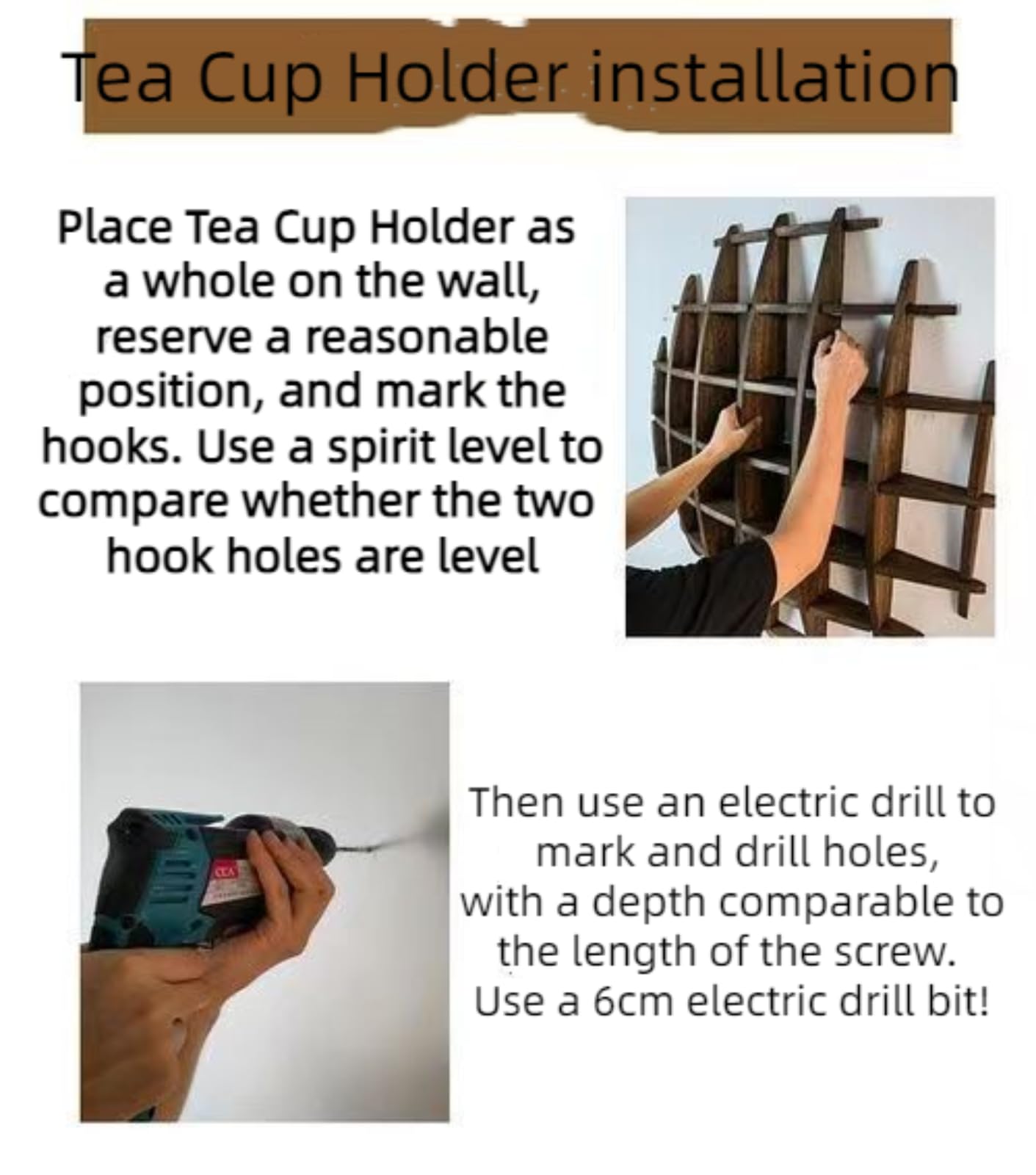
Start by measuring the distance between the two hooks carefully. Mark the spots on the wall using a pencil for accuracy. Double-check measurements to ensure hooks will be level and secure.
Marking a wall for two hooks starts with good preparation. It ensures the hooks hold firmly and safely. Proper prep saves time and avoids damage to your wall.
Gather all tools and materials before you begin. This step helps you work smoothly and quickly.
Locate Wall Studs
Wall studs provide the strongest support for hooks. Use a stud finder to locate them behind the wall surface. Move the finder slowly to get accurate results.
Mark the edges of each stud lightly with a pencil. The space between edges is where screws will hold best. If no stud is in the right spot, use special anchors instead.
Select Appropriate Anchors
Anchors keep hooks secure in drywall without studs. Choose anchors based on hook weight and wall type. Plastic anchors suit light loads. Metal or toggle anchors handle heavier items.
Check the package for weight limits. Avoid using anchors that are too weak or too big. Correct anchors prevent wall damage and keep hooks stable.
Credit: maiamidwifery.com
Frequently Asked Questions
How Do I Measure The Distance Between Two Hooks On A Wall?
Use a tape measure to mark the desired distance between hooks. Ensure the measurement fits the item you plan to hang. Double-check measurements for accuracy before marking.
What Tools Are Needed To Mark A Wall For Two Hooks?
You need a tape measure, pencil, level, and a stud finder. These tools help mark precise and secure hook placements on the wall.
How Do I Ensure Hooks Are Level On The Wall?
Use a spirit level or laser level to align hook marks horizontally. This ensures your hooks hang evenly and look professional.
Can I Mark A Wall For Hooks Without Studs?
Yes, use wall anchors if no studs are available. Anchors provide stability for hooks on drywall or plaster surfaces.
Conclusion
Marking a wall for two hooks is simple with the right steps. Measure carefully and use a level for even spacing. Mark the spots clearly before drilling. Taking your time helps avoid mistakes and keeps your wall safe. This way, your hooks will hold items securely and look neat.
Small effort leads to strong and balanced hanging points. Now, you are ready to hang pictures, shelves, or decorations with ease. Enjoy your well-marked wall!