Have you ever been frustrated by a motion sensor light that won’t turn off because there’s no switch nearby? You’re not alone.
These lights are great for security and convenience, but when you want to control them manually, it can feel impossible. What if you need to keep the light off for a while without cutting the power completely? You’ll discover simple and effective ways to turn off a motion sensor light without using a switch.
By the end, you’ll have easy tricks that save you time, hassle, and energy—so keep reading to take full control of your lighting.

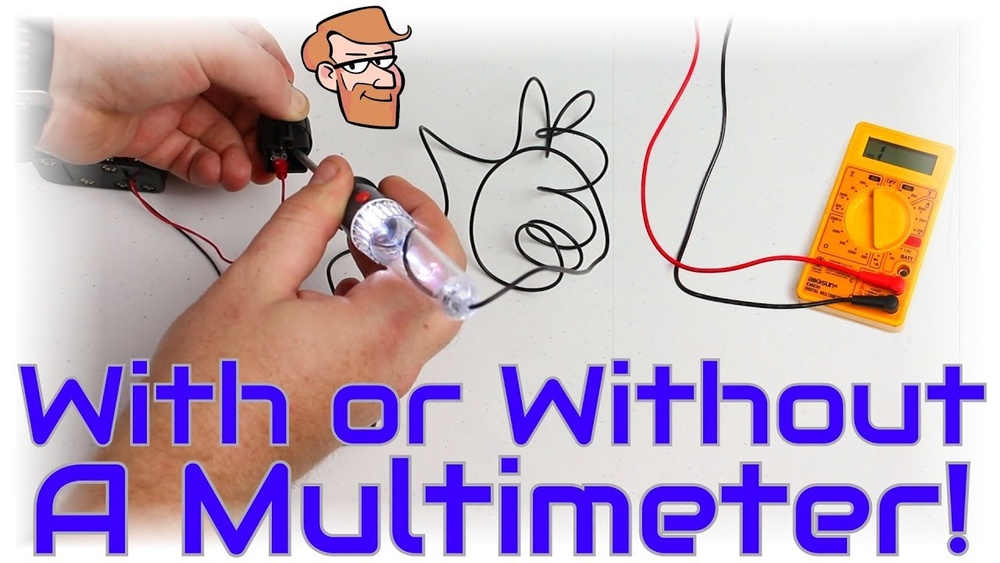
Credit: www.youtube.com
Common Reasons To Turn Off Motion Sensor Lights
Motion sensor lights are useful for security and convenience. Sometimes, you might want to turn them off. Understanding common reasons helps you decide when to disable these lights. This section explains why turning off motion sensor lights can be necessary.
Avoiding False Triggers
Motion sensor lights can turn on by mistake. Small animals or moving branches often trigger them. This causes the light to flash repeatedly. False triggers can annoy you and your neighbors. Turning off the sensor stops unwanted light activations.
Reducing Energy Consumption
Lights that turn on too often waste electricity. Constant activation increases your power bill. Turning off motion sensor lights saves energy. It also helps the environment by reducing electricity use. Use this option when the sensor is not needed.
Preventing Light Pollution
Bright lights can disturb your sleep and wildlife. Motion sensors may shine too much light at night. This creates light pollution in your area. Turning off the sensor reduces excess light. It helps keep your surroundings darker and quieter.

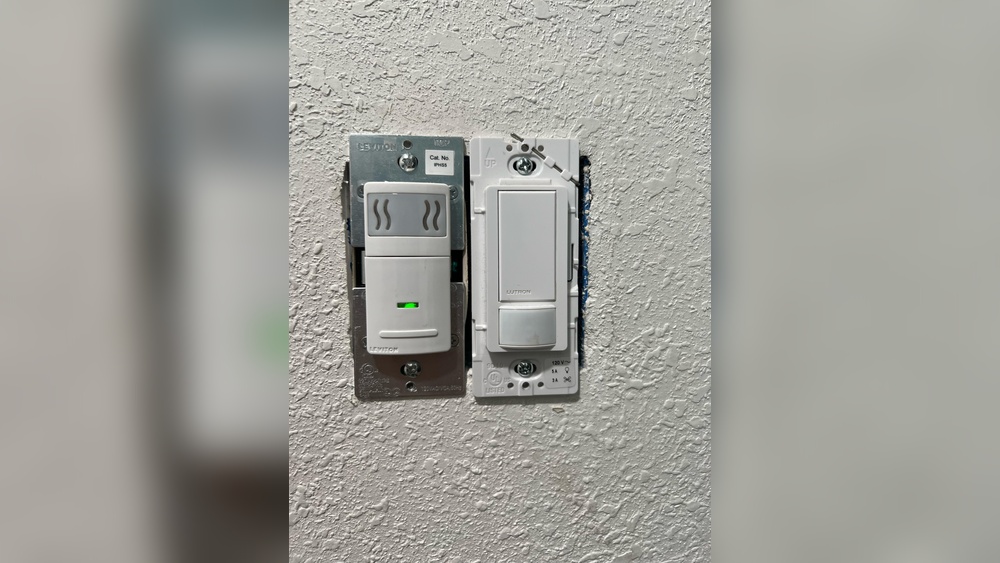
Credit: diy.stackexchange.com
Locating The Motion Sensor Controls
Locating the motion sensor controls is the first step to turn off a motion sensor light without a switch. These controls are often hidden or built into the sensor itself. Knowing where to find them helps you manage the light quickly and easily.
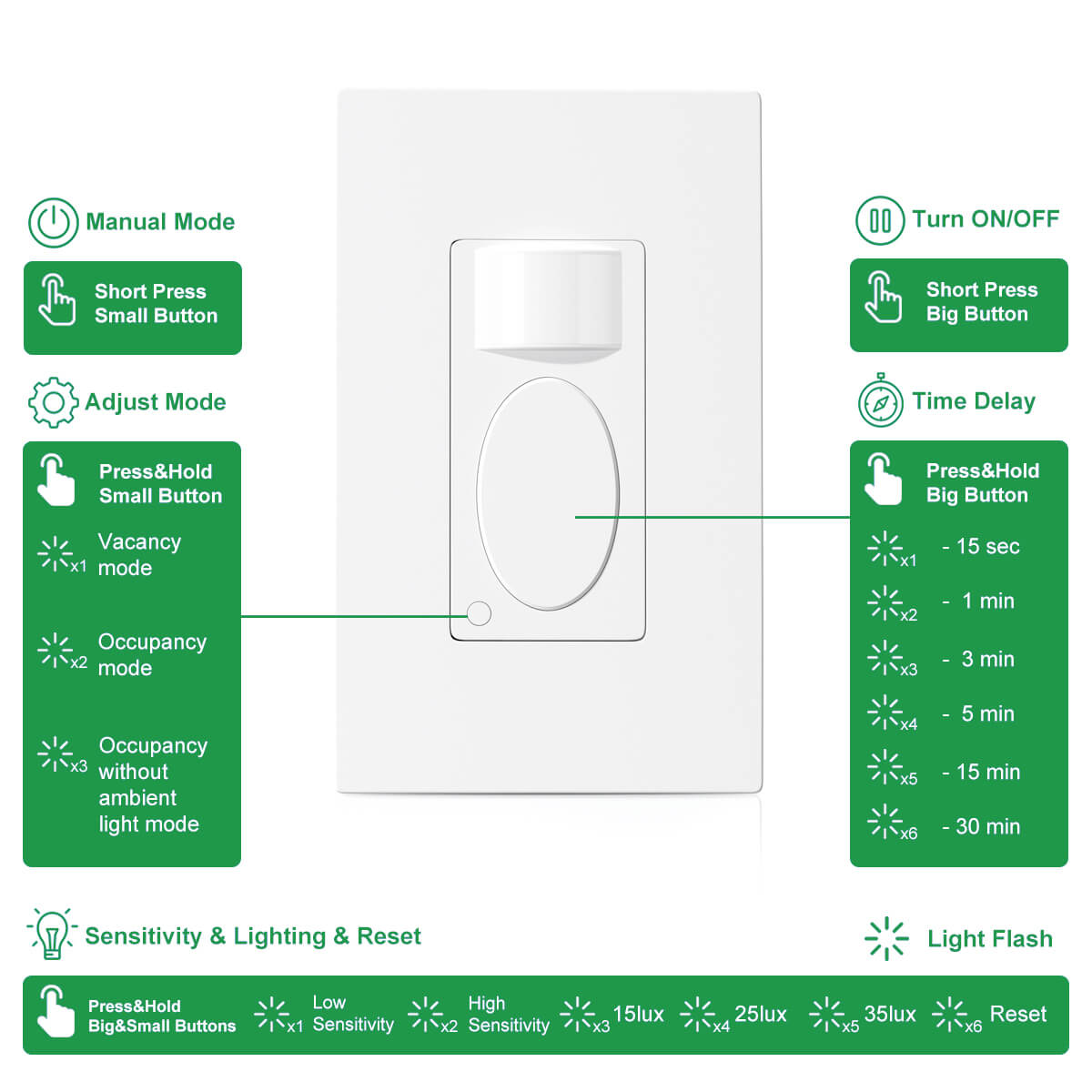
Motion sensor lights usually have small buttons or knobs. These adjust the sensor’s sensitivity, timing, or power. Sometimes, the control parts are hard to see at first glance. Careful inspection will reveal them.
Checking For Hidden Switches
Some motion sensor lights have hidden switches. These switches may be on the side or back of the sensor unit. They can be very small and blend with the light’s body.
Look closely around the sensor area. Use a flashlight if needed. Press or slide any small buttons gently. A hidden switch might turn the sensor off or change its mode.
Using The Sensor’s Adjustment Knobs
Many sensors include adjustment knobs for control. These knobs can change how the sensor reacts to movement.
One knob may adjust the time the light stays on. Another knob might control the detection range. Turning these knobs to the lowest setting can effectively turn off the sensor function.
Turn knobs slowly and observe how the light behaves. This method helps you manage the sensor without needing a power switch.
Temporary Hacks To Disable Motion Lights
Motion sensor lights can be tricky to turn off without a switch. Sometimes, you need a quick way to stop them from turning on. Temporary hacks help you disable these lights without tools or rewiring. These simple tricks work well for short periods. They keep the light off until you want it back on.
Covering The Sensor Lens
The easiest way is to cover the sensor lens. The sensor detects movement by sensing heat or motion. Blocking it stops the light from reacting. Use a small cloth, plastic, or a piece of cardboard. Make sure the cover fully blocks the lens. This method works well for a short time. Just remember to remove the cover later.
Using Tape Or Paper
Tape or paper also block the sensor effectively. Stick a piece of opaque tape or thick paper over the sensor lens. Avoid clear tape because it may not block the sensor fully. Masking tape or duct tape works best. This method is quick and easy. It does not damage the sensor or light fixture.
Adjusting The Sensor Angle
Changing the sensor’s angle can stop it from detecting motion. Gently tilt or rotate the sensor away from moving objects. Point it towards an empty wall or the ground. This reduces false triggers and keeps the light off. Be careful not to force the sensor. Adjust it slowly until it stops turning on.
Using Power Source Methods
Using power source methods is a direct way to turn off a motion sensor light without a switch. This method cuts the electricity supply to the light. It stops the light from working completely. It is useful when the light has no visible switch or when the sensor is hard to reach.
These methods are simple but require care. Always ensure safety when dealing with electrical parts. Power source methods give you full control over the light’s power.
Unplugging The Light
Unplugging the motion sensor light is the easiest way to stop it. Find the plug connected to the power outlet. Pull it out gently. This disconnects the light from power immediately.
This method works best for lights with cords and plugs. It does not need any tools or special skills. Make sure the plug is easy to reach. Unplugging is safe and quick.
Turning Off Circuit Breakers
Turning off the circuit breaker cuts power to the entire light circuit. Go to your home’s electrical panel. Find the breaker switch that controls the light’s circuit. Flip it to the off position.
This method is useful for hardwired lights without plugs. It stops all electrical flow to the light. Use this method if unplugging is not an option. Always be cautious when handling circuit breakers.
Advanced Solutions For Permanent Control
Some motion sensor lights do not have a physical switch. This can make turning them off tricky. For those who want full control, advanced solutions exist. These methods let you manage the light easily and permanently. They work well for those who need to override the sensor.
Installing A Remote Control Switch
A remote control switch lets you turn off the light from anywhere in the room. It replaces or works alongside the sensor switch. Installation is simple and does not need major changes. You get the freedom to switch the light off without walking to it.
Remote switches use radio signals to communicate with the light. They are battery-powered and small. You only need to pair the remote with the light’s receiver. This solution suits people who want convenience and quick control.
Adding A Smart Plug
A smart plug connects your light to your Wi-Fi network. It allows control through a smartphone app or voice commands. You can turn the light off anytime, even when not at home. Setup requires plugging the sensor light into the smart plug.
Smart plugs often work with assistants like Alexa or Google Assistant. They offer scheduling and automation features. This method adds permanent off control without rewiring or replacing the sensor.
Rewiring For Manual Switch
Rewiring the sensor light to add a manual switch gives full control over the light. This involves connecting a switch in line with the sensor unit. It allows you to cut power completely when needed. A licensed electrician is recommended for this task.
This solution is best for those who prefer traditional switch control. It removes the sensor’s automatic function at your choice. Rewiring ensures the light stays off until you turn it back on manually.
Credit: www.rayzeek.com
Safety Tips When Handling Motion Sensor Lights
Handling motion sensor lights requires care and attention. Safety is important to avoid accidents and damage. Follow simple rules to protect yourself and your home. These tips help you work with motion sensor lights safely and confidently.
Avoiding Electrical Hazards
Always turn off the power before touching the light fixture. Use the main circuit breaker to cut electricity. Never work on wet or damp surfaces. Wear rubber-soled shoes to reduce the risk of shock. Check wires for damage before handling. Do not touch exposed wires with bare hands.
Using Proper Tools
Use insulated tools designed for electrical work. Avoid using metal tools without insulation. Keep tools dry and clean for better grip. Use a voltage tester to check if wires are live. Use a ladder that is stable and in good condition. Proper tools make the job safer and easier.
Frequently Asked Questions
How Can I Disable A Motion Sensor Light Without A Switch?
You can disable the light by adjusting the sensor’s sensitivity or covering the sensor lens. Another way is to disconnect its power source temporarily for maintenance or replacement.
Why Won’t My Motion Sensor Light Turn Off Without A Switch?
Motion sensor lights rely on detecting movement. If it stays on, the sensor might be obstructed or set with a long timer. Check sensor settings and clear any obstructions near the sensor.
Can I Use A Remote Control To Turn Off Motion Sensor Lights?
Yes, some motion sensor lights come with remote controls for easy on/off operation. If your model supports it, use the remote to disable the light without accessing the switch.
Is It Safe To Disconnect A Motion Sensor Light Manually?
It is safe if you turn off the circuit breaker before disconnecting. Always follow safety guidelines to avoid electrical shocks or damage to the fixture.
Conclusion
Turning off a motion sensor light without a switch is simple. You can adjust the sensor settings or cover the sensor. Disconnecting the power source also works but use caution. These methods help control your light easily. Try each step to find what suits you best.
Save energy and reduce unwanted light with these tips. Keep your space comfortable and safe without a switch. Small changes make a big difference in your lighting setup.