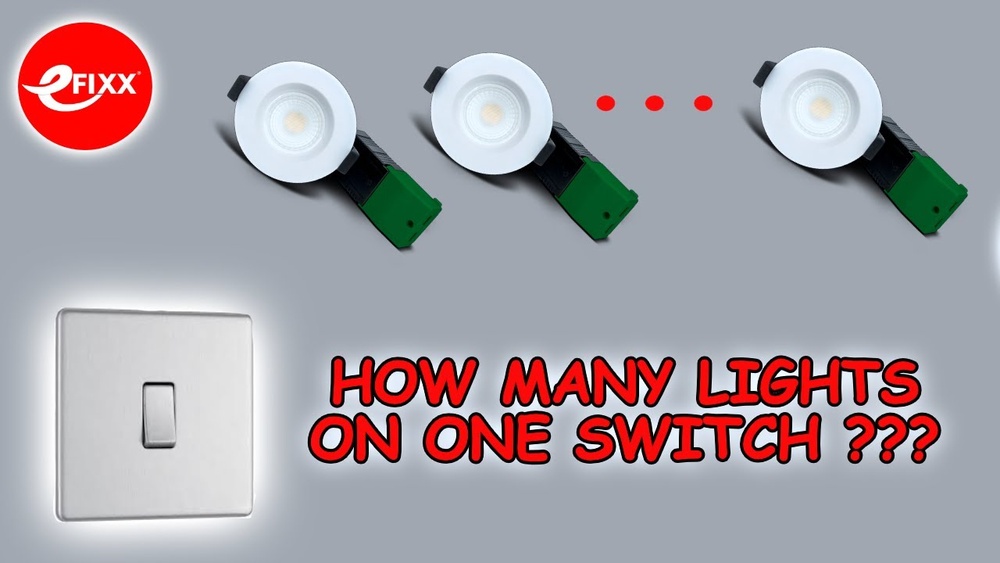
Have you ever wondered how many lights you can safely control with just one switch? Whether you’re planning a new lighting setup or trying to fix an existing one, this question matters more than you might think.
Getting it wrong can lead to flickering lights, blown fuses, or even safety hazards. But don’t worry—understanding the right number of lights for a single switch is simpler than it sounds. Keep reading, and you’ll discover practical tips that will help you create the perfect lighting balance for your space, saving you time, money, and frustration.
Basics Of Light Switch Capacity
Understanding the basics of light switch capacity is essential for safe and efficient lighting. Each switch has a limit on how many lights it can control. This limit depends on the electrical rating and type of the switch. Knowing these details helps avoid overloading the switch and prevents electrical issues.
Choosing the right switch ensures your lights work properly and safely. It also helps keep your home’s electrical system reliable.
Standard Switch Ratings
Most household light switches have standard ratings. They are usually rated for 15 or 20 amps. This rating shows the maximum current the switch can handle safely. The wattage rating depends on the voltage of your home. For example, a 15-amp switch at 120 volts can control up to 1800 watts.
It is important to check the switch’s label for its exact rating. Using a switch beyond its capacity can cause overheating and damage. Always match the switch rating with the total wattage of the connected lights.
Types Of Light Switches
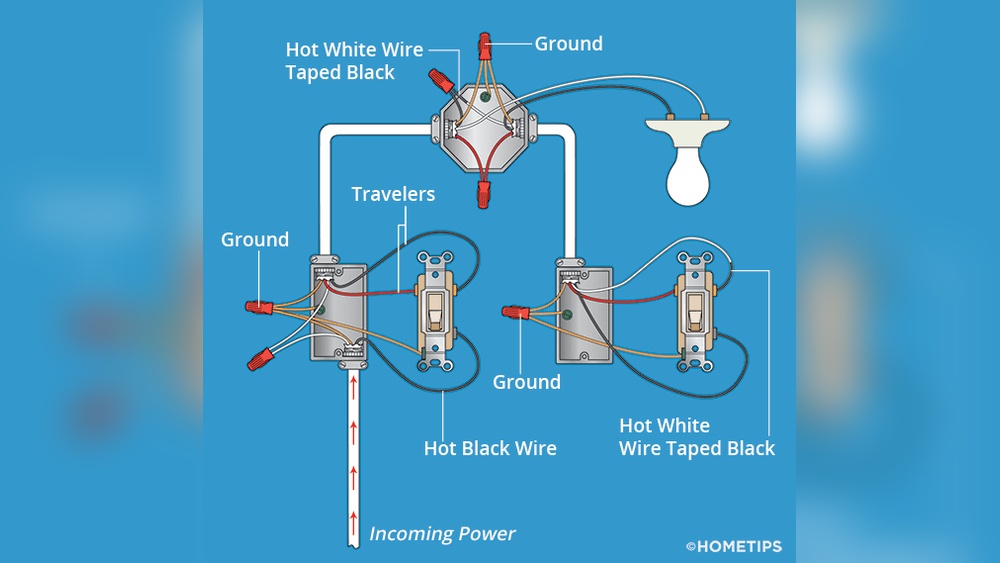
There are various types of light switches. The most common are single-pole, three-way, and dimmer switches. Single-pole switches control one light or a group of lights from one location. Three-way switches allow control of lights from two places.
Dimmer switches adjust the light brightness. They have different ratings than regular switches. Some switches are designed for LED or low-voltage lights. Choosing the right type helps manage the load and improves light control.
Calculating Load For Multiple Lights
Calculating the load for multiple lights on one switch is important for safety and performance. Each light adds to the total electrical load. Knowing the correct load prevents overloading the switch or wiring. This section explains how to calculate the load step-by-step. It covers wattage, current, and total load limits.
Wattage And Current Considerations
Every light bulb has a wattage rating. This number shows how much power the light uses. Add up the wattage of all bulbs on the switch. This total is the combined power draw.
Electric current is measured in amperes (amps). You can find the current by dividing wattage by voltage. Most homes use 120 volts. For example, a 60-watt bulb uses 0.5 amps (60 ÷ 120 = 0.5).
Calculate current for each bulb, then add them. The sum is the total current the switch carries.
Total Load Limits
Switches have a maximum current rating, often 15 or 20 amps. The total current of all lights must be below this limit. Staying under the limit prevents overheating and damage.
Also, check the wiring capacity. Wires must handle the total current safely. Exceeding limits risks fire and electrical failures.
Always allow a margin under the maximum rating. This practice ensures safe and long-lasting operation.
Wiring Multiple Lights To One Switch
Wiring multiple lights to one switch allows you to control several lights with a single flick. This setup is common in hallways, kitchens, and large rooms. It saves space on the wall and makes lighting simpler. Understanding how to wire lights correctly is important for safety and function.
Different wiring methods affect how the lights work and how much power they use. Choosing the right method helps avoid flickering lights or overloaded circuits. Let’s explore the basic ways to connect multiple lights to one switch.
Series Vs Parallel Wiring
Series wiring connects lights one after another. The current passes through each light in order. If one light breaks, the whole line turns off. This setup is rare for home lighting.
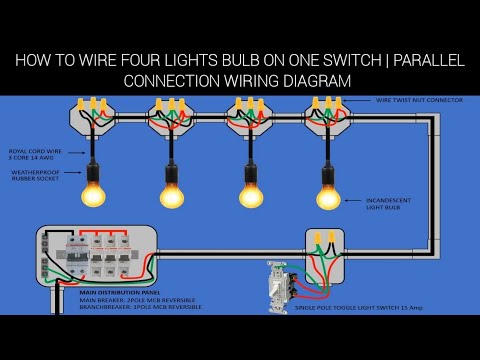
Parallel wiring connects each light to the power source separately. All lights get the same voltage. If one light fails, others stay on. This is the most common method for home lighting.
Common Wiring Methods
Most homes use parallel wiring for multiple lights on one switch. The switch controls the power to all lights at once. Wires run from the switch to each light fixture.
Another method is a loop-in system. It simplifies wiring by sending power through the light fittings. This reduces cable use and saves money.
Choosing the right method depends on your home’s wiring and how many lights you want to control. Always follow local electrical codes and consider hiring a professional electrician.

Credit: www.reddit.com
Safety Precautions In Wiring
Wiring lights to a single switch needs careful attention. Safety is the top priority to prevent electrical hazards. Proper wiring keeps your home safe and your lights working well.
Avoiding Overloads
Do not connect too many lights to one switch. Overloads cause switches to heat up and may start fires. Check the switch’s maximum load rating before wiring. Spread lights across multiple switches if needed.
Proper Grounding Techniques
Grounding prevents electric shocks. Always connect the ground wire to the switch and light fixtures. Use a grounding screw or clip for a secure connection. Make sure the grounding path is continuous and intact.
Using Correct Wire Gauge
Use wires that match the electrical load. Thin wires can overheat and cause fires. Check the wire gauge recommended for your circuit’s amperage. Use thicker wires for higher loads to ensure safety.
Troubleshooting Common Issues
Troubleshooting common problems with lights on one switch helps keep your home safe and bright. Many issues can occur if too many lights connect to a single switch. Simple checks can solve most problems fast.
Understanding these issues saves time and prevents damage to your electrical system. Here are some frequent problems and how to spot them early.
Flickering Lights
Flickering lights often signal loose wiring or a bad connection. Check the light bulbs first. Replace any old or damaged bulbs. If flickering continues, inspect the switch and wiring. Loose wires can cause sparks and damage. Tighten connections or call an electrician if unsure.
Switch Overheating
A switch that feels hot to touch may carry too much load. Many lights on one switch increase heat. Overheating can damage the switch or cause fire risks. Turn off the switch and reduce the number of lights connected. Use a switch rated for higher loads if needed. Consult an expert for proper installation.
Circuit Breaker Trips
Frequent breaker trips indicate overload or short circuits. Too many lights on one switch can overload the circuit. Breaker trips protect your home from electrical hazards. Reduce the number of lights or spread them across circuits. Check wiring for damage or faults. Contact a professional for safe repairs.
Credit: www.youtube.com
Upgrading Switches And Circuits
Upgrading switches and circuits is important for safety and performance. Old switches might not handle many lights well. This can cause flickering or even electrical hazards. Upgrades can improve the flow of electricity and protect your home.
Knowing the right switch and circuit capacity helps prevent overloads. It also makes your lighting system more efficient. This section covers key points about upgrading switches and circuits.
Choosing Higher Capacity Switches
Higher capacity switches can control more lights safely. These switches are rated by amperage, showing how much current they can handle. Standard switches often support 15 to 20 amps.
Pick switches with higher amps for many lights or heavy bulbs. This prevents overheating and switch failure. Check the switch label or product details for capacity information. Use switches designed for your room’s lighting needs.
When To Consult An Electrician
Consult an electrician if you feel unsure about upgrades. Electrical work can be risky without proper knowledge. An expert ensures the wiring and switches are safe and meet codes.
Electricians can assess your current system’s capacity. They recommend the right switches and circuits for your needs. They also install upgrades correctly to avoid hazards. Always call a professional for major electrical changes.
Energy Efficiency Tips
Saving energy is important when you control many lights with one switch. Small changes help reduce electricity use. This makes your home greener and lowers bills.
Use energy-efficient products and smart tools to get the most from your lighting setup. These tips keep your space bright without wasting power.
Using Led Bulbs
LED bulbs use less energy than old-style bulbs. They last longer and give bright light. Switching to LEDs cuts your electricity use. This helps save money and the environment.
LEDs also stay cool, which is safer. They come in many styles and colors for any room. Replace all bulbs on one switch with LEDs for best results.
Smart Switch Options
Smart switches control lights with a phone or voice. They let you turn lights off automatically. This stops lights from staying on by mistake.
Some smart switches dim lights to save even more power. You can set schedules to match your daily routine. Using smart switches means using only the light you need.

Credit: www.wikihow.com
Frequently Asked Questions
How Many Lights Can One Switch Control Safely?
A single switch can safely control up to 10 to 12 standard lights. The exact number depends on the total wattage and circuit capacity. Exceeding this can cause overheating or tripping the circuit breaker. Always check the switch rating and electrical codes before installation.
What Limits The Number Of Lights On One Switch?
The main limits are the switch’s amperage rating and the total wattage of connected lights. Wiring capacity and circuit breaker size also affect this. Exceeding these limits risks electrical hazards like overheating and short circuits.
Can Led Lights Increase The Number On One Switch?
Yes, LED lights consume less power, allowing more lights on one switch. Their lower wattage reduces total load, improving safety and efficiency. Always verify the switch rating and wiring to avoid overload.
Does Wiring Type Affect How Many Lights One Switch Controls?
Yes, wiring gauge and type impact the maximum number of lights a switch can handle. Thicker wires support higher current loads safely. Using inadequate wiring can cause overheating and electrical failures.
Conclusion
Choosing how many lights to connect to one switch depends on several factors. Consider the switch’s capacity and the total power of the lights. Too many lights on one switch can cause problems like flickering or overheating. It is best to balance convenience with safety.
Planning ahead makes your lighting setup work well and last longer. Simple steps keep your home bright and safe. Think about your needs and the electrical limits before installing. This way, you get the right light for every room.