Have you ever wished you could brighten up a room without rewiring your whole house? Adding a light fixture to an existing switch is easier than you might think.
With just a few simple steps, you can bring more light into your space and create the perfect ambiance. Imagine flipping a switch and instantly transforming your room’s atmosphere—no electrician needed. In this guide, you’ll learn exactly how to do it safely and efficiently, saving time and money.
Ready to light up your home? Let’s get started!
Tools And Materials Needed
Adding a light fixture to an existing switch needs the right tools and materials. This step ensures the job is safe and works well. Prepare everything before starting to avoid delays or mistakes. Below are the key tools and items you will need for this task.
Essential Tools
You need a few basic tools to install a light fixture correctly. A screwdriver set helps remove and attach screws. Wire strippers cut and strip the wire ends safely. A voltage tester checks if wires have electricity. Pliers help twist wires together. A drill may be needed to make holes for mounting the fixture. Keep these tools handy for smooth work.
Choosing The Right Fixture
Select a fixture that matches your room’s style and size. Check the fixture’s voltage and wattage limits. It must fit the existing wiring and switch. Choose fixtures with clear installation instructions. Pick a light that provides enough brightness. A good choice makes the room look better and stays safe.
Safety Gear
Safety comes first when working with electricity. Wear insulated gloves to protect your hands. Use safety glasses to shield your eyes from dust or sparks. Turn off the power at the breaker box before starting. Use a sturdy ladder to reach high places. These safety steps help prevent accidents and injuries.

Credit: diy.stackexchange.com
Preparing The Work Area
Preparing the work area is an important step before adding a light fixture to an existing switch. It helps keep you safe and makes the job easier. Taking time to prepare reduces mistakes and speeds up the process. This section covers key steps to get your space ready.
Turn Off Power
First, turn off the power at the circuit breaker. This stops electricity from flowing to the switch. Use a voltage tester to check the wires. Confirm there is no electricity before you start working. This step protects you from electric shocks.
Clear The Space
Remove furniture and objects near the switch and ceiling. Clear the floor under the work area. This gives you enough room to move and place tools. A clean space helps prevent accidents and damage. Keep your workspace organized for easy access to tools.
Locating The Existing Switch
Locating the existing switch is the first step in adding a light fixture. You must find the right switch to connect your new light. This helps ensure the new fixture works properly. Knowing where the switch box is will make the installation easier and safer.
Take your time to identify the switch box carefully. This part holds the wires and switch that control the lights in your room. Finding it helps you understand how the current wiring works. This knowledge is important to connect the new fixture correctly.
Identify The Switch Box
Look for the switch that controls the light you want to add a fixture to. The switch box is usually behind this switch. Remove the switch cover plate carefully using a screwdriver. The box is a small metal or plastic container inside the wall.
Check the size and shape of the box. It should hold the wires and the switch safely. Make sure you see the wires connected to the switch. This confirms you have found the right box to work with.
Test For Power
Before touching any wires, test if the switch has power. Use a voltage tester or a non-contact voltage detector. Place the tester near the wires or terminals of the switch. If the tester lights up or beeps, the power is on.
Turn off the power at the circuit breaker to avoid electric shock. Test again to make sure the power is off. Safety first. Never work on live wires. This step protects you during installation.
Running The Electrical Wire
Running the electrical wire is a key step in adding a new light fixture. It connects the switch to the light, allowing control of the fixture. Careful planning and precise work ensure safety and functionality. Follow clear steps to make the wiring process smooth and effective.
Plan The Wire Route
Start by deciding the best path for the wire. Choose the shortest and safest route between the switch and the light fixture. Avoid sharp bends or areas with high heat. Check for obstacles like pipes or ducts inside walls. Mark the route on the wall or ceiling for easy reference.
Use a stud finder to locate wall studs. Plan to run the wire alongside studs or through holes drilled in them. Keep the wire away from metal objects to prevent damage. This careful planning keeps the wiring safe and neat.
Drilling And Fishing Wire
Drill holes along the planned route to pass the wire through walls or ceilings. Use a drill bit that fits the wire comfortably. Drill carefully to avoid hitting pipes or cables.
Next, fish the wire through the holes. Use a wire fish tape or a coat hanger straightened out. Push the tape through the holes, attach the wire, and pull it back gently. Work slowly to prevent the wire from snagging or tearing drywall.
Leave enough wire length at both ends for connections. Tuck the wire neatly inside the switch box and light fixture box. Proper drilling and fishing make the wiring job safe and professional-looking.
Wiring The Light Fixture
Wiring the light fixture is a key step in adding a light to an existing switch. This part needs careful attention to safety and detail. Correct wiring ensures the light works well and keeps your home safe.
Connecting Wires Safely
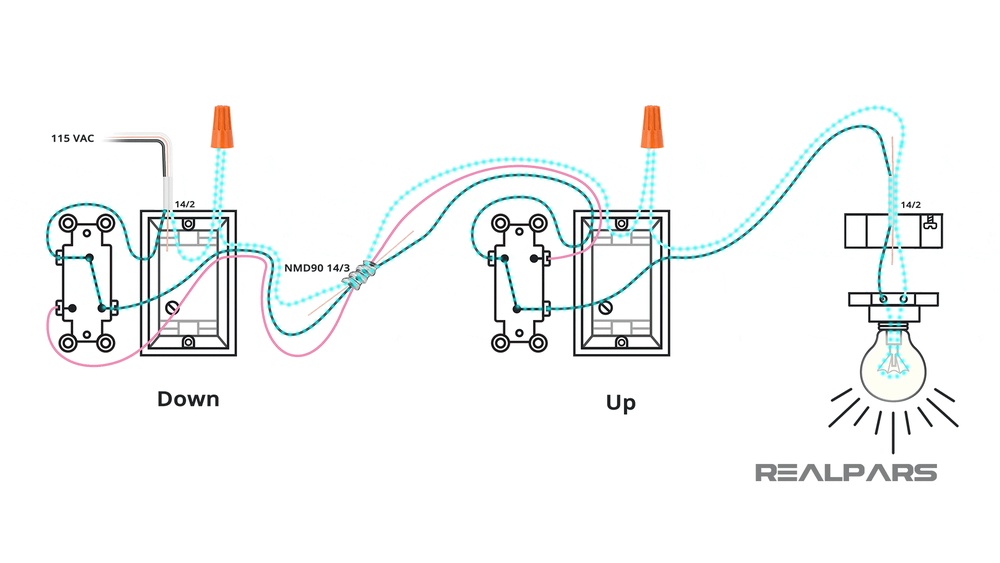
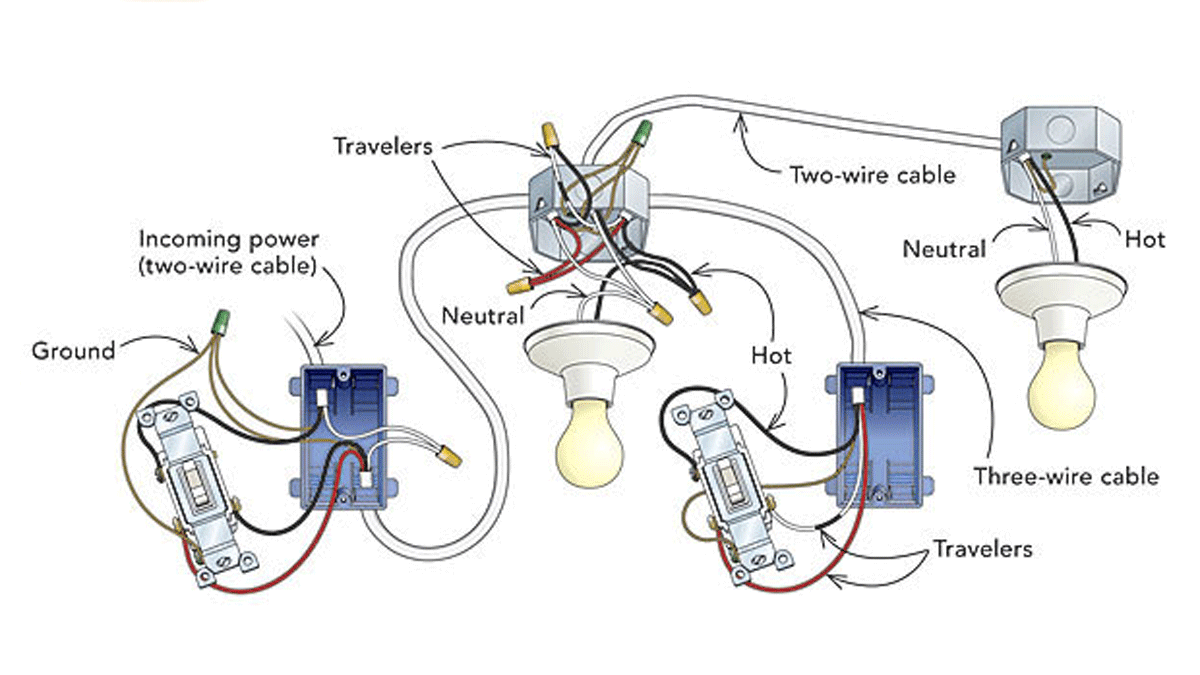
Turn off the power at the breaker before touching any wires. Use a voltage tester to check no electricity flows. Match the wires by color: black to black, white to white, and green or bare copper to ground. Twist the wires together tightly and cover them with wire nuts. Secure the connections so they do not come loose over time.
Securing The Fixture
Attach the fixture’s mounting bracket to the electrical box first. Align the fixture with the bracket and secure it with screws. Make sure the fixture is tight and does not wobble. Check that no wires are pinched or exposed. A firm fixture looks better and lasts longer.
Credit: www.finehomebuilding.com
Final Checks And Testing
After installing a light fixture, final checks and testing are essential. These steps ensure your fixture works safely and correctly. Follow each step carefully to avoid any issues.
Restore Power
Turn the circuit breaker back on. Make sure power reaches the switch and fixture. Check the switch position is off before restoring power. This prevents sparks or shocks during testing.
Test The Light
Flip the switch on. Watch the light carefully. It should turn on immediately. If the light does not come on, turn the switch off. Double-check your wiring connections and bulb placement. Try a different bulb if needed.
Troubleshooting Tips
If the light flickers or does not work, inspect your work. Look for loose wires or poor connections. Tighten any loose screws on the fixture and switch. Confirm the bulb is not burnt out. Use a voltage tester to check power at the fixture. Replace any damaged parts as necessary.
Safety Tips And Best Practices
Adding a light fixture to an existing switch can improve your home’s lighting and style. Safety is the top priority. Follow tips and best practices to avoid accidents and electrical problems.
Avoiding Common Mistakes
Turn off power at the circuit breaker before starting work. Use a voltage tester to confirm no electricity flows. Connect wires with matching colors only. Secure wire connections with wire nuts. Do not overload the switch or circuit. Use the right tools and light fixture for your space. Double-check all connections before restoring power. Avoid working in wet or damp places.
When To Call A Professional
Call an electrician if wiring is old or damaged. Hire help if you find no neutral wire at the switch. Seek professional help for complex wiring or multiple switches. Contact a pro if unsure about local electrical codes. Get an expert if the project requires new circuits. Safety risks increase without proper knowledge and tools.

Credit: diy.stackexchange.com
Frequently Asked Questions
How Do I Safely Add A Light Fixture To An Existing Switch?
Turn off the power at the circuit breaker first. Use a voltage tester to confirm no power. Follow wiring instructions carefully. Connect the new fixture wires to the switch wires using wire nuts. Secure everything and restore power to test the fixture.
What Tools Are Needed To Add A Light Fixture?
You need a voltage tester, wire strippers, screwdrivers, wire nuts, and electrical tape. A drill may help for mounting. Proper tools ensure a safe and efficient installation.
Can I Add A Light Fixture Without An Electrician?
Yes, if you have basic electrical knowledge and follow safety steps. Always turn off power before working. If unsure, consult a professional to avoid hazards.
How Do I Know If My Switch Supports A New Light Fixture?
Check the switch’s voltage and amperage ratings. Ensure it matches the new fixture’s requirements. Most standard switches support typical residential light fixtures.
Conclusion
Adding a light fixture to an existing switch is easier than it seems. Follow safety steps and use the right tools. Turn off the power before starting any work. Connect wires carefully and check connections twice. Test the switch and light before finishing.
This simple upgrade can brighten your room quickly. Take your time and work with care. Small changes can make a big difference in your home’s lighting.