Have you ever wondered how a single light can be controlled from two different switches? If you’ve ever walked into a room and flipped a switch by the door, then turned off the light from the other side, you’ve experienced this clever setup.
Understanding how lights with two switches work can save you time and frustration when fixing or installing them. You’ll discover exactly how these switches connect and operate, making your home lighting smarter and more convenient. Keep reading—you’ll be surprised at how simple it really is!
Basic Concept Of Two-switch Lighting
Lights controlled by two switches offer convenience and flexibility in lighting control. This setup allows you to turn a light on or off from two different places. It works by connecting two switches to a single light fixture. The wiring inside makes sure the light responds to either switch.
This basic idea helps in many areas of the home. It saves you from walking back to a single switch to turn off the light. Understanding this system makes home lighting easier to use and maintain.
What Is A Two-switch Setup
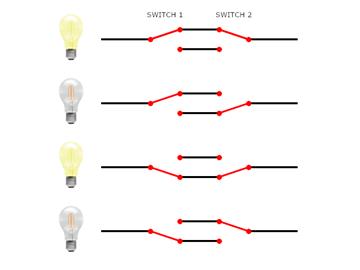
A two-switch setup uses special switches called “three-way switches.” These switches have three terminals instead of two. Wires run between the switches and to the light fixture. This wiring allows the switches to work together.
When you flip either switch, it changes the flow of electricity. This action turns the light on or off. The switches control the light from two different locations. The system is simple but very useful.
Common Uses In Homes
Two-switch lighting is common in hallways and staircases. You can turn on the light at one end and off at the other. It is also used in large rooms with two entrances. This way, both doors have easy access to the light switch.
Many homes use this setup for convenience and safety. It helps avoid walking in the dark to find a switch. The system is practical and easy to install in many places.

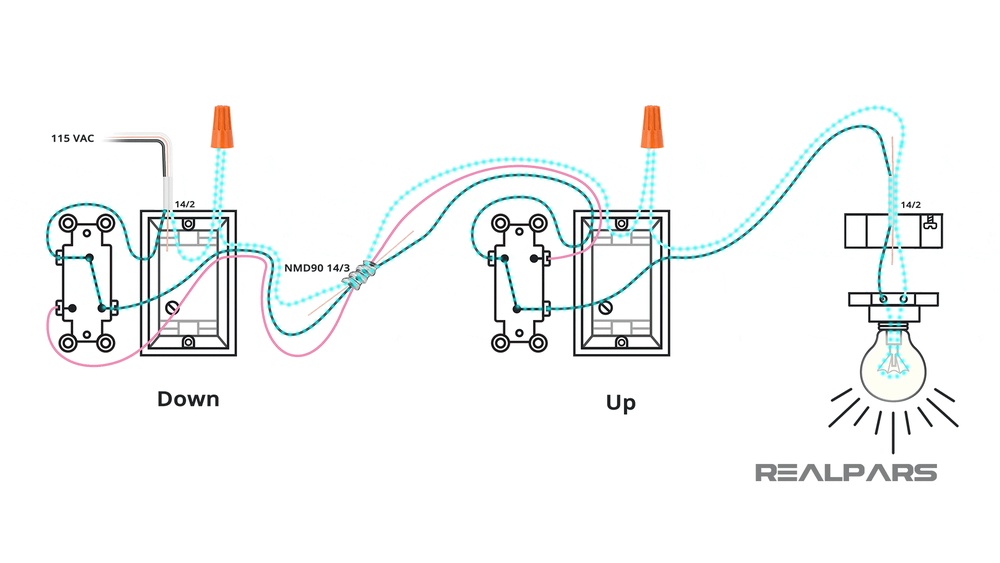
Credit: www.realpars.com
Key Components Involved
Lights controlled by two switches need specific parts to work properly. These parts make it easy to turn lights on or off from two places. Understanding these components helps in fixing or installing such lights safely and correctly.
Types Of Switches Used
The main switches in a two-switch setup are called “two-way switches.” They allow controlling one light from two spots. Each switch can change the path of electricity to turn the light on or off.
Two-way switches have three terminals: one common and two travelers. The common terminal connects to the power or the light. The traveler terminals connect the two switches together.
This design lets the current flow through different paths. Changing switch positions changes the current path. This controls the light from either switch.
Wiring Essentials
Wiring between two switches and the light bulb is key. Typically, three wires connect the two switches: one common wire and two traveler wires. The common wire carries current either to or from the light.
Traveler wires carry electricity back and forth between switches. The light connects to the common terminal on one switch and the power source on the other. Proper wiring ensures the switches work together.
Using correct wire types and secure connections is important. Loose or wrong wiring can cause the light to flicker or fail. Following wiring standards keeps the system safe and reliable.
How The Circuit Operates
Understanding how the circuit operates in lights with two switches helps you see their simple design. These lights allow control from two different places. This setup makes it easy to turn the light on or off from either switch. Let’s explore how the electricity flows and what each switch does.
Flow Of Electricity
Electricity starts from the power source and moves through wires. It travels to the first switch, where it can change path. The current then passes to the second switch. Both switches control the path the electricity takes. When the path is complete, electricity reaches the light bulb. The bulb lights up only when the circuit is closed. If the circuit breaks, the light turns off.
Role Of Each Switch
Each switch acts as a gate for electricity. They open or close the path for the current. The switches work together but do not depend on each other. Changing the position of one switch can turn the light on or off. This is possible because the switches connect in a special way. This setup is called a “three-way” switch system. It gives you control from two different spots easily.
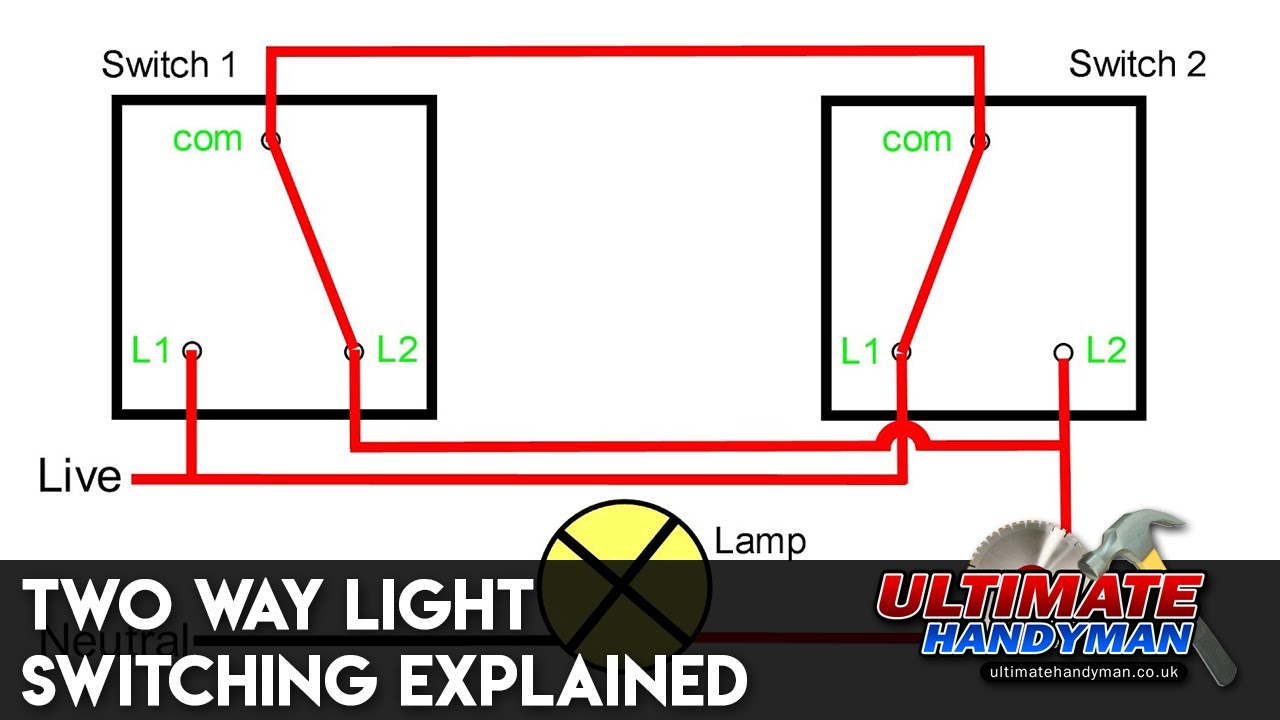
Credit: www.youtube.com
Step-by-step Wiring Process
Wiring lights with two switches allows you to control one light from two different places. This setup is common in hallways or large rooms. The wiring process can seem tricky but following simple steps makes it easier. Understanding each step helps you avoid mistakes and ensures safety.
Tools Required
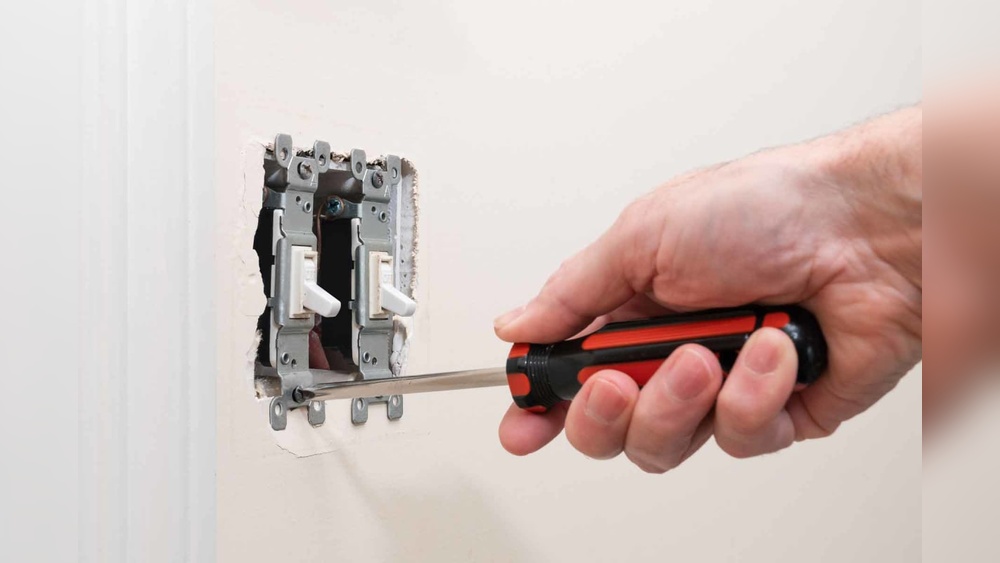
Gather these tools before starting the wiring process. A screwdriver is essential for removing and attaching switch covers. Wire strippers help remove insulation from electrical wires. A voltage tester checks if wires carry electricity. Electrical tape secures wire connections. Finally, a pair of pliers aids in bending and twisting wires.
Safety Precautions
Turn off the power at the circuit breaker before working on the switches. Use a voltage tester to confirm no current flows in wires. Wear insulated gloves for extra protection. Avoid working in wet areas or with wet hands. Double-check all connections before restoring power. Safety is crucial to prevent shocks or injuries.
Connecting The Switches
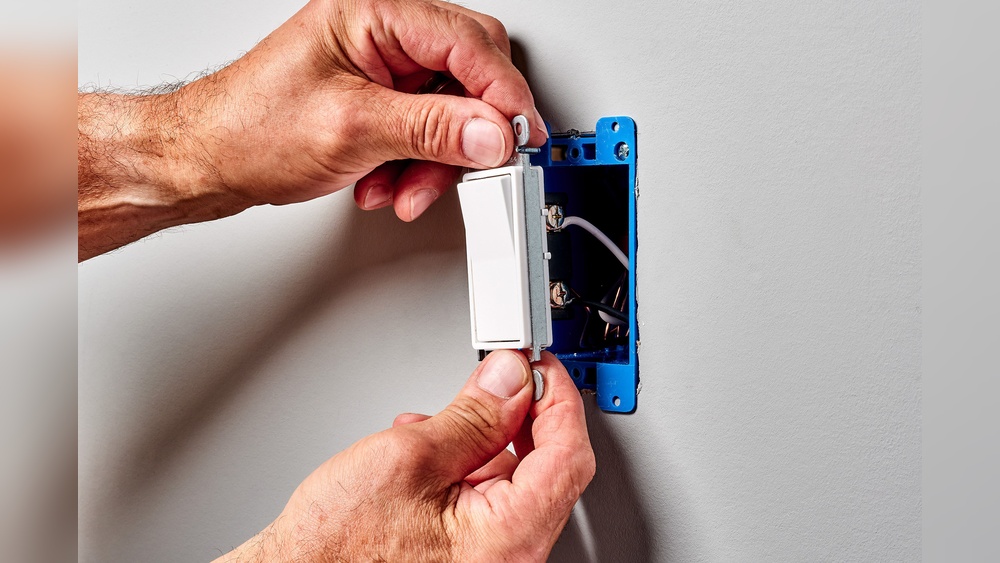
Start by identifying the common terminal on both switches. Connect the power source wire to the common terminal of the first switch. Use traveler wires to connect the two switches’ traveler terminals. Attach the light fixture wire to the common terminal of the second switch. Secure all connections with wire nuts and wrap with electrical tape. Finally, mount the switches back into the wall and restore power to test.
Troubleshooting Common Issues
Troubleshooting common issues with lights controlled by two switches can save time and effort. These systems, called three-way switches, sometimes face simple problems. Identifying the problem quickly helps restore proper lighting without calling an electrician. Below are frequent issues and ways to address them safely.
Switch Not Working Properly
A switch that does not work might be faulty or installed incorrectly. Test each switch separately by toggling it on and off. If one switch feels loose or does not click, it may need replacement. Turn off power before inspecting or replacing any switch to avoid electric shock.
Flickering Lights
Flickering lights usually indicate a loose wire or a bad bulb. Check if the bulb is screwed in tightly. Replace the bulb with a new one to see if flickering stops. If flickering continues, the wiring might be loose or damaged, requiring further inspection.
Loose Connections
Loose connections cause intermittent light problems and can be dangerous. Turn off the power before checking connections inside the switches or light fixture. Tighten any loose screws or wires carefully. If unsure, ask a professional to avoid risks.
Credit: socketstore.co.uk
Benefits Of Two-switch Lighting
Two-switch lighting systems offer several useful benefits for homes and offices. They make controlling lights easier and add practical value to everyday life. Understanding these benefits helps in deciding why such setups are popular.
Convenience And Flexibility
Two switches allow control of one light from two different places. This is handy in hallways, stairs, or large rooms. You can turn lights on or off without walking across the room. It adds comfort, especially at night or when carrying items. You get more control over lighting with less effort.
Energy Efficiency
Using two switches helps save electricity. You can turn off lights from either switch, avoiding wasted energy. It encourages turning off lights when not needed. This simple control reduces your power bill over time. Less energy use means a smaller carbon footprint too.
Frequently Asked Questions
What Is A Two-switch Light Circuit?
A two-switch light circuit allows control of one light from two locations. It uses two three-way switches connected by traveler wires. This setup is common in hallways and staircases for convenience and safety.
How Do Two Switches Control One Light?
Each switch toggles the connection between traveler wires. Changing either switch’s position turns the light on or off. The electrical current flows through the traveler wires based on the switch positions.
Why Use Two Switches For One Light?
Two switches provide control of a light from multiple locations. This improves convenience, especially in long hallways or large rooms. It also enhances safety by allowing easy access to lighting.
Can Two-switch Lights Save Energy?
Yes, two-switch lights can save energy by allowing lights to be turned off easily from either end. This reduces unnecessary lighting and lowers electricity consumption.
Conclusion
Lights with two switches let you control one light from two places. This setup is handy in long hallways or big rooms. Each switch can turn the light on or off independently. Understanding how the wiring works helps you fix or install these switches.
It saves time and avoids confusion. Now, you can feel more confident about using or installing two-switch lights in your home. Simple and useful for everyday life.