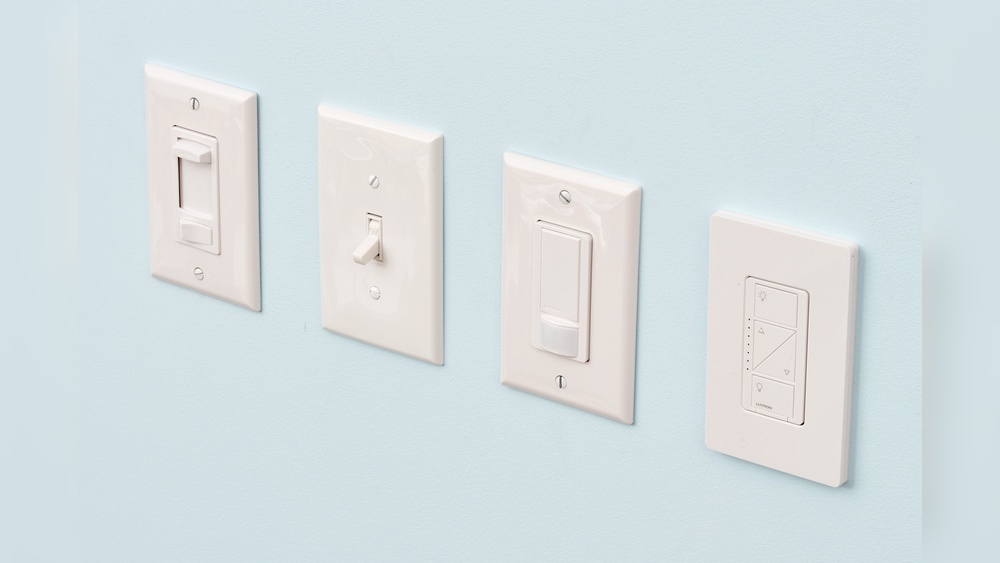
Have you ever stopped to count how many light switches are in your house? It might seem like a simple question, but the answer can reveal a lot about your home’s design and functionality.
Knowing the number of light switches can help you plan better lighting, save energy, and even improve your daily comfort. You’ll discover the typical number of switches in different rooms and why some areas need more than others. Keep reading—you might be surprised by what you learn about your own home’s lighting setup.

Credit: info.classicelectricnw.com
Factors Influencing Light Switch Count
The number of light switches in a house depends on several important factors. Each home is different, so the switch count can vary a lot. Understanding these factors helps plan the right lighting setup. It also improves comfort and energy use.
House Size And Layout
Bigger houses need more light switches. More rooms mean more lights to control. Open layouts may need fewer switches because one switch can control larger areas. Small homes usually have fewer switches. The layout decides how many switches you need in each space.
Room Functions
Different rooms need different lighting. Kitchens and workspaces often have more switches for bright lights. Living rooms and bedrooms may have fewer switches with softer lighting. Bathrooms need switches for main and vanity lights. Each room’s use changes how many switches are needed.
Lighting Zones
Lighting zones let you control parts of a room separately. Zones make it easy to change light levels. A big room with zones will have more switches. Zones improve comfort and save energy by lighting only needed areas. Zones affect the total switch count strongly.
Smart Home Integration
Smart homes use fewer physical switches. Smart controls can manage many lights from one place. Voice commands and apps reduce switch numbers. But some homes keep switches as backups. Smart systems change how many switches you install.
Common Switch Types And Uses
Light switches control the flow of electricity to lights in a house. Different types of switches serve different purposes. Each type suits a specific need or location in a home. Understanding common switch types helps you know how many switches your house needs.
Single-pole Switches
Single-pole switches are the most common type. They control one light or a group of lights from one location. They have two terminals and a simple on/off function. Most rooms use single-pole switches for basic lighting control.
Three-way And Four-way Switches
Three-way switches control lights from two different locations. You often find these in hallways or large rooms. Four-way switches add control from three or more locations. They work between two three-way switches to extend control points.
Dimmer Switches
Dimmer switches adjust the brightness of a light. They help create mood and save energy. You can find dimmers in living rooms, dining rooms, and bedrooms. They allow smooth changes from bright to soft lighting.
Smart Switches
Smart switches connect to Wi-Fi for remote control. You can use a phone or voice assistant to operate them. They offer features like scheduling and automation. Smart switches bring convenience and energy savings to modern homes.
Typical Switch Counts By Room
Every room in a house needs light switches. The number of switches depends on the room size and purpose. This section covers typical switch counts for common rooms. Knowing these counts helps in planning your home lighting better.
Living Room
Living rooms usually have two to four light switches. One switch controls the main ceiling light. Another switch may control lamps or wall lights. Sometimes, dimmer switches replace regular ones for mood lighting.
Kitchen
Kitchens often have three to five switches. One for the main light, others for under-cabinet lights. Some kitchens have switches for exhaust fans. Bright and focused lighting is important here.
Bedrooms
Bedrooms typically have one or two switches. One for the main light and one for bedside lamps. Sometimes, a fan control switch is added. Simplicity and convenience matter most.
Bathrooms
Bathrooms usually have two switches. One for the main light and one for the fan. Some bathrooms add a separate light for the mirror. Safety is a key factor in switch placement.
Hallways And Stairs
Hallways and stairs need one or two switches. One switch at each end helps control the lights easily. Motion sensor switches are common here for convenience. Good lighting prevents accidents.
Outdoor Areas
Outdoor areas often have one or two switches. One for porch lights and one for garden or pathway lights. Some switches control security lights with sensors. Outdoor lighting adds safety and charm.
Credit: aldenmillerinteriors.com
Planning Your Light Switch Layout
Designing the light switch layout is an important step in home planning. It shapes how you use each room daily. A good layout makes your home safer and more comfortable. It also saves energy and helps avoid costly changes later. Thoughtful placement of switches improves convenience and lighting control. This section guides you through key points for planning your layout effectively.
Assessing Lighting Needs
Start by checking each room’s purpose and size. Larger rooms may need multiple switches to control different light groups. Consider areas like kitchens and living rooms carefully. They often require more lighting options. Bedrooms and bathrooms usually need simpler setups. Think about natural light sources and how they affect lighting needs. This helps decide switch numbers and positions.
Considering User Convenience
Switches must be easy to find and reach. Place them near room entrances and exits. Think about people of all ages using the home. Switches should be at a comfortable height for everyone. Avoid placing switches behind doors or furniture. Group switches logically for rooms with multiple lights. This reduces confusion and improves daily use.
Future-proofing Your Setup
Plan for changes in lifestyle and technology. Add extra switches for new lighting or smart home devices. Think about dimmer switches or motion sensors. These add comfort and save energy. Leave space in switch boxes for upgrades. Planning ahead avoids costly rewiring in the future.
Consulting Electrical Codes
Follow local electrical codes to ensure safety and compliance. Codes specify switch placement, height, and wiring standards. They also cover switch types and circuit limits. Hiring a licensed electrician helps meet these rules. Proper installation reduces risks and meets legal requirements.
Tips For Efficient Switch Installation
Installing light switches efficiently makes daily use easier and safer. Proper planning helps avoid confusion and saves time. Consider these simple tips to get the best setup for your home.
Grouping Controls
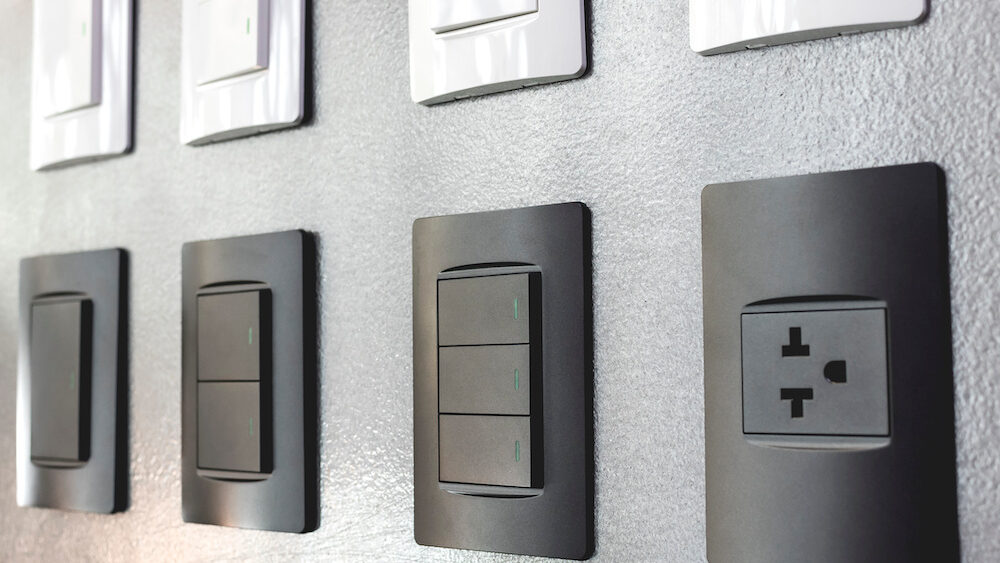
Group switches by room or function. Keep all kitchen lights controlled together. This reduces the number of switches on one wall. It makes turning lights on and off faster. Grouping stops accidental switching of wrong lights. It also creates a clean, organized look.
Labeling Switches
Label each switch clearly. Use simple words or symbols. This helps guests and family know which light they control. Labels prevent guessing and mistakes in dark rooms. Use stickers or small tags near the switch. Change labels easily if you rearrange switches later.
Using Multi-location Switching
Install switches that control the same light from different places. Great for long hallways or large rooms. You can turn lights on or off from multiple spots. It adds convenience and saves walking in the dark. Use three-way or four-way switches for this setup.
Hiring Professionals
Hire an electrician for safe, proper installation. Professionals ensure wiring meets safety codes. They help avoid future electrical problems. Electricians can suggest the best switch types for your needs. They save you time and reduce risks.
Credit: www.houseopedia.com
Frequently Asked Questions
How Many Light Switches Are Typically In A House?
A typical house has between 20 and 40 light switches. The exact number depends on the home’s size and layout. Larger homes or those with more rooms usually have more switches. Switches control lighting in living rooms, bedrooms, kitchens, and outdoor areas.
What Factors Affect The Number Of Light Switches?
The number of switches depends on home size, room count, and lighting design. Multi-way switches for hallways or staircases add to the total. Outdoor lighting and specialized fixtures also increase switch numbers. Home automation systems may reduce physical switch needs.
Are There Standard Light Switch Counts Per Room?
Generally, bedrooms have one or two switches, while kitchens have more. Living rooms and dining areas often have multiple switches for different lighting zones. Bathrooms typically have one or two switches. Hallways and staircases use multi-way switches for convenience.
Can Modern Homes Have Fewer Physical Light Switches?
Yes, smart homes often use centralized controls or apps. Voice commands and automated lighting reduce the need for multiple switches. However, traditional switches are still common for manual control and backup. This technology offers flexibility and energy efficiency.
Conclusion
The number of light switches depends on house size and rooms. Bigger homes often need more switches for convenience and safety. Each room usually has at least one switch near the entrance. Kitchens and living rooms might have multiple switches for different lights.
Planning switch placement saves time and energy later. Think about how you use each space daily. This helps decide the best number and location of switches. A well-planned setup makes your home comfortable and easy to use. Simple choices now prevent problems in the future.

