Have you ever wished you could turn your lights on or off without getting up? Remote control light switches make this simple and convenient.
But how exactly do they work? Understanding the technology behind these switches can help you decide if they’re right for your home or office. You’ll discover the secrets of remote control light switches and how they bring ease and comfort to your daily life.
Keep reading to unlock the smart way to control your lighting.
Basics Of Remote Control Switches
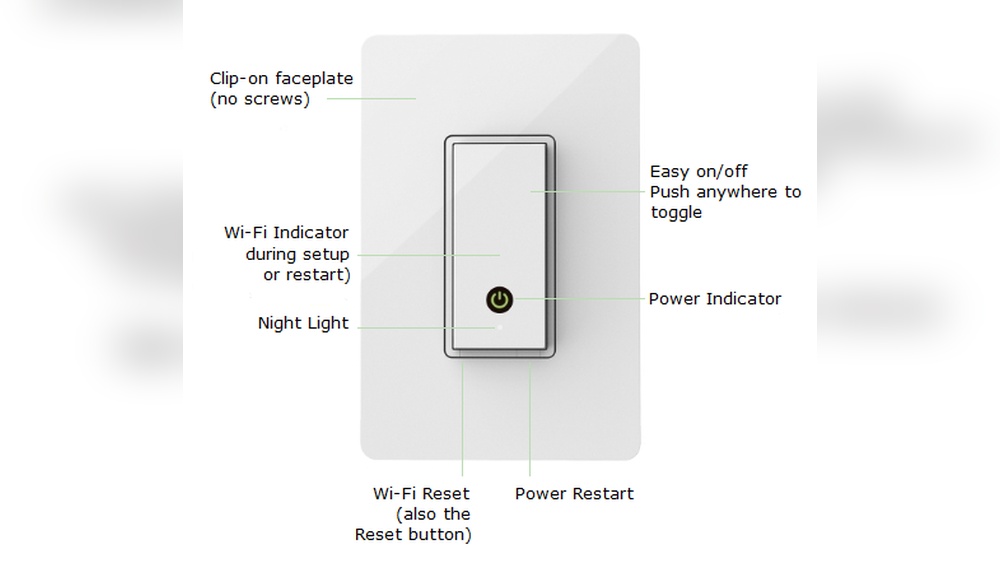
Remote control light switches offer a simple way to control lighting without moving from your spot. These switches use wireless signals to turn lights on or off. Understanding how they work helps you choose the right one for your home or office.
They come in different types and use some basic parts to function properly. Let’s explore the main types and key parts of remote control switches.
Types Of Remote Switches
There are mainly two types of remote control switches: radio frequency (RF) and infrared (IR). RF switches send signals through radio waves. These waves can pass through walls and furniture. IR switches use light signals. They need a clear line of sight to work well.
Some switches are simple, with one button. Others allow control of multiple lights or dimming. Wireless switches also vary by power source, using batteries or direct electrical connection.
Key Components
Remote control switches have three main parts: the transmitter, receiver, and switch mechanism. The transmitter is the remote control you hold. It sends signals to the receiver. The receiver is connected to the light fixture or electrical circuit.
Inside the receiver is a small circuit that understands the remote’s signals. It activates the switch mechanism to turn the light on or off. Some receivers can also dim the light or adjust colors. These parts work together to make remote control easy and reliable.

Credit: www.ebay.com
Wireless Communication Methods
Remote control light switches use different wireless methods to send signals. These methods allow the switch to communicate with the light without wires. Each method has its own way of working and benefits. Understanding these helps you choose the best switch for your home or office.
Radio Frequency (rf)
Radio Frequency uses radio waves to send signals. The remote sends a signal on a specific frequency. The switch’s receiver picks up this signal and turns the light on or off. RF works through walls and furniture. This means you do not need to point the remote directly at the switch. It works at longer distances, making it very convenient.
Infrared (ir)
Infrared uses light waves to send signals. The remote sends a beam of infrared light to the switch. The switch’s sensor detects this light and acts on the command. IR needs a clear line of sight. Obstacles like walls or furniture block the signal. It works only in the same room or close range. This method is simple and common in many devices.
Wi-fi And Bluetooth
Wi-Fi and Bluetooth use wireless internet and short-range signals. Wi-Fi allows the switch to connect to your home network. You can control lights from a phone or smart device anywhere in the house. Bluetooth works over short distances without internet. It connects directly to your phone or remote. Both methods offer smart control and can link to other home devices.
Power Supply And Installation
Remote control light switches need power to work properly. They get power in different ways depending on the model. Some switches connect to your home’s electrical system. Others use batteries. Installation depends on the power source and wiring needs. Understanding this helps you choose the right switch and install it safely.
Wiring Requirements
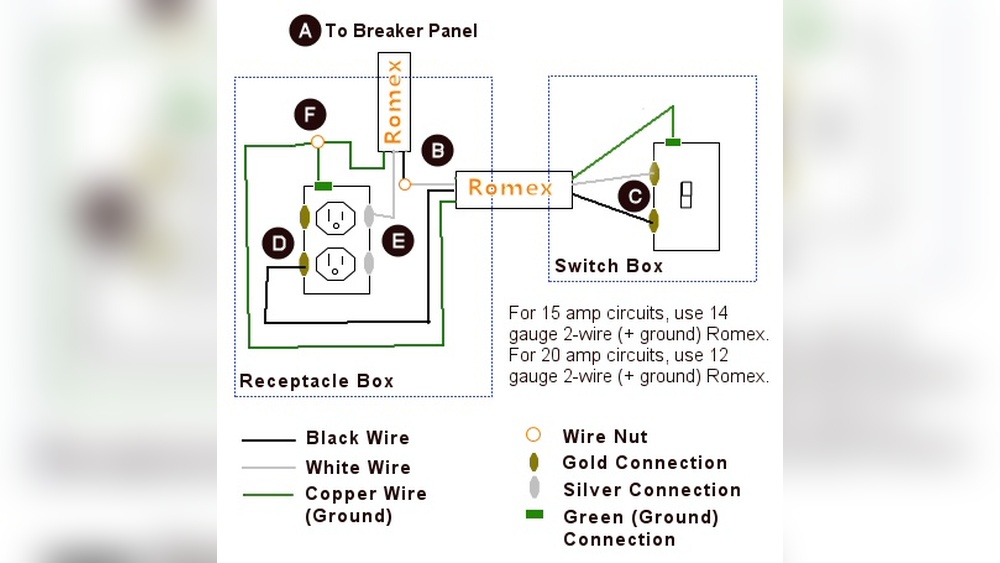
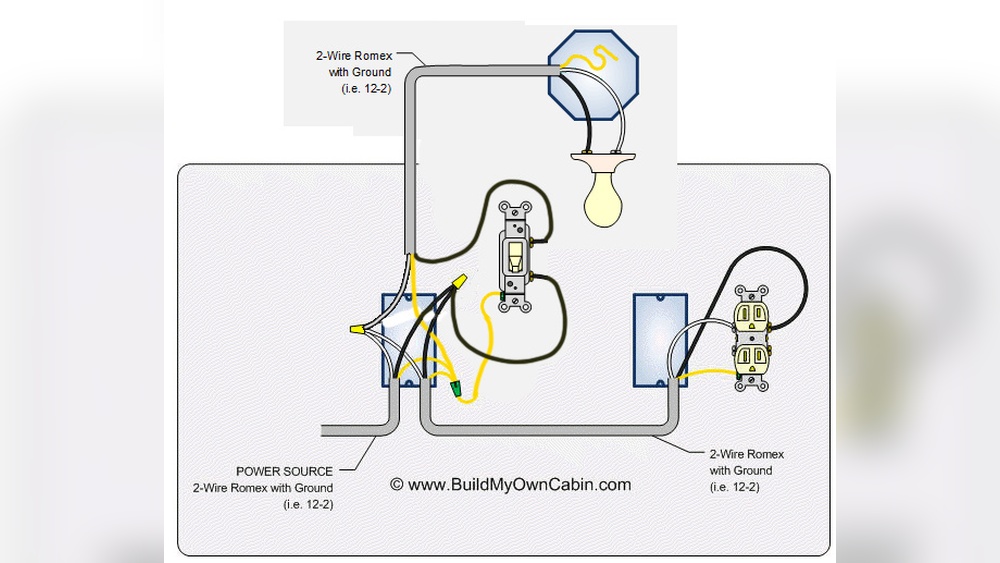
Most remote control light switches need wiring like regular switches. They connect to the live and neutral wires in your wall. Some also need a ground wire for safety. Proper wiring ensures the switch gets constant power. This helps the remote function correctly.
Turn off power before installation. Use a voltage tester to check wires. Follow the switch’s instructions carefully. If unsure, hire an electrician. Correct wiring prevents damage and keeps you safe.
Battery-powered Options
Battery-powered switches do not need wiring. They run on small batteries like AA or AAA. These switches are easy to install. Just attach them to the wall or use a magnetic mount.
Batteries must be replaced regularly. Battery power limits the switch’s range and features. These switches work well for renters or places without easy wiring access.
Signal Transmission Process
The signal transmission process is the core of how remote control light switches work. It allows you to turn lights on or off without touching the switch. This process involves sending and receiving signals between the remote and the light switch. Each step must be clear and fast to ensure the light responds immediately.
Sending Commands
The remote control sends commands using radio waves or infrared signals. Pressing a button on the remote creates a unique code. This code tells the light switch what to do, like turning on or off. The signal travels through the air to reach the receiver in the switch. The range depends on the remote and the environment around it.
Receiving And Acting On Signals
The light switch has a receiver that listens for signals from the remote. When it gets the correct code, it activates the switch inside. This action turns the light on or off. The switch ignores wrong signals to avoid accidental changes. The receiver and the remote stay paired, so only your remote controls your lights.
Integration With Smart Home Systems
Remote control light switches easily fit into smart home setups. They connect with other devices to make your home smarter. This connection brings convenience and control right to your fingertips. Control your lights without moving from your seat. Let’s explore how these switches work with smart home systems.
Voice Control Compatibility
Many remote control light switches work with voice assistants. You can use Alexa, Google Assistant, or Siri. Simply speak commands to turn lights on or off. Voice control works well for busy or hands-full moments. It makes managing your lights effortless and quick. No need to find a remote or phone.
App-based Controls
Apps give you full control over your lights from anywhere. Turn lights on before arriving home. Set schedules to match your daily routine. Adjust brightness and colors with a few taps. Apps offer detailed control beyond simple on and off. They keep your smart home connected and easy to manage.

Credit: electronics.stackexchange.com
Common Troubleshooting Tips
Remote control light switches bring ease to your daily routine. Still, they can sometimes face issues. Knowing common troubleshooting tips helps you fix problems fast. This keeps your lights working smoothly without extra help.
Signal Interference Issues
Signal interference can block your remote’s commands. Walls, metal objects, and other electronics may cause this. Try moving closer to the switch. Remove objects between the remote and switch if possible.
Check for other devices using the same frequency. Wireless routers and cordless phones may interfere. Turning off or moving these devices can improve signal strength. Resetting the remote and switch might also help.
Battery And Power Problems
Dead or weak batteries often cause remote control failures. Replace batteries regularly to avoid this issue. Always use the correct battery type for your remote.
Power supply issues in the light switch can stop it from working. Check if the switch is properly connected to power. Inspect wiring for loose or damaged parts. If unsure, seek help from a qualified electrician.
Advantages And Limitations
Remote control light switches offer a blend of benefits and some drawbacks. Understanding both helps in making smart choices for your home or office. These devices bring convenience but also have limits that matter.
Convenience And Flexibility
Remote control light switches let you turn lights on or off from a distance. No need to walk across the room or find a wall switch. This makes them handy for large spaces or busy areas.
They work well with smart home setups. You can control multiple lights with one remote or app. Scheduling lights to turn on or off at certain times is simple. This saves energy and adds comfort.
Changing light settings without leaving your seat is a big plus. It helps people with mobility issues or those who use wheelchairs. Flexibility in placement means you can control lights from any room.
Potential Drawbacks
Remote control switches rely on batteries or power sources. Batteries need regular replacement to keep the device working. If the remote is lost or broken, control becomes difficult.
Some models may have a limited range. Walls and furniture can block signals, causing delays or failures. Not all switches work with every light fixture or bulb type.
Setup can be tricky for some users. It may require reading manuals or technical support. Costs are higher than traditional switches, which might discourage some buyers.
Future Trends In Remote Light Switches
Remote control light switches are evolving fast. New features will make them smarter and easier to use. These changes focus on better connection and saving energy. The future of these switches looks bright and practical.
Advanced Connectivity
Remote switches will connect with more devices in your home. They will work with smart speakers, phones, and home systems. This allows control from anywhere, not just one spot. Faster and more reliable networks will help these switches respond quickly. Expect more options to customize and automate lighting based on your needs.
Energy Efficiency Improvements
New remote switches will use less power themselves. They will also help reduce the energy used by lights. Smart sensors will adjust brightness based on room light and presence. This means lights turn off automatically when not needed. Energy savings will be better without losing comfort or convenience.

Credit: www.amazon.com
Frequently Asked Questions
How Do Remote Control Light Switches Operate?
Remote control light switches use radio frequency or Wi-Fi signals. A remote sends a signal to the switch. The switch then turns the light on or off wirelessly. This allows control without physically touching the switch.
What Powers Remote Control Light Switches?
These switches are powered by the home’s electrical wiring. Some models have backup batteries for remote controls. The switch connects to the power source and controls electricity flow to the light fixture.
Are Remote Control Light Switches Easy To Install?
Yes, most remote control switches are designed for simple installation. They replace standard switches and require basic wiring knowledge. Always turn off power before installation and follow manufacturer instructions.
Can Remote Control Light Switches Work With Smart Home Systems?
Many remote control switches are compatible with smart home hubs. They integrate with Alexa, Google Home, or Apple HomeKit. This enables voice control and automation features for convenience.
Conclusion
Remote control light switches make controlling lights simple and quick. They use signals to turn lights on or off from a distance. This technology saves time and adds convenience to daily life. Many homes and offices now use these switches for easy lighting control.
Understanding how they work helps you make smarter choices. Try using one and see the difference yourself. Easy, fast, and helpful—remote control light switches fit modern living perfectly.