Are you wondering how many amps a light switch needs to handle? Understanding this can help you keep your home safe and your electrical system running smoothly.
If you’ve ever felt unsure about what size switch to use or worried about overloading your circuits, you’re not alone. This article will clear up the confusion and give you simple, clear answers. Keep reading to find out exactly what you need to know to protect your home and make smart electrical choices.
Credit: www.homedepot.com
Amp Ratings For Light Switches
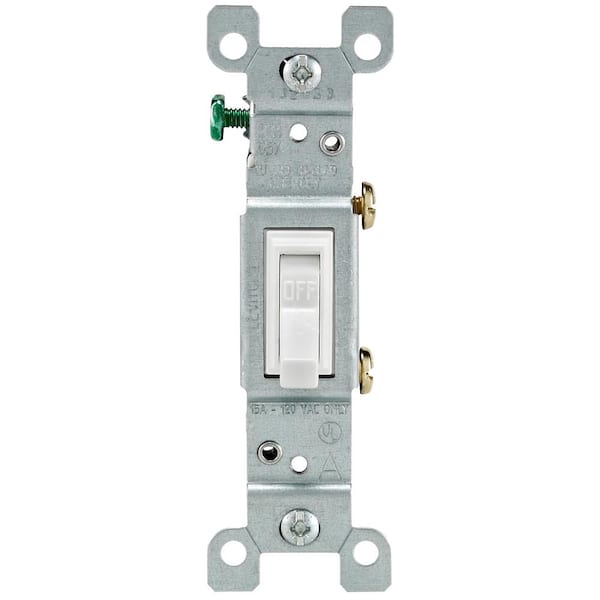
Understanding amp ratings for light switches is important for safety and performance. These ratings show the maximum current a switch can handle without damage. Using the correct amp rating helps prevent electrical problems and fires. It also ensures your switch works well with your lighting setup.
Common Amp Values
Most light switches have amp ratings of 10 or 15 amps. These values fit most home lighting needs. Some switches can handle up to 20 amps. The choice depends on the device and wiring in your home. Always check the switch label for its amp rating.
Switch Capacity And Load
A switch’s capacity must match the electrical load it controls. The load is the total current from the lights or devices connected. If the load exceeds the switch rating, it can overheat. This causes switch failure or fire risk. Choose a switch with an amp rating higher than your load.

Credit: www.youtube.com
Factors Affecting Amp Requirements
The amps required for a light switch vary based on several factors. These factors determine how much electrical current the switch must handle safely. Understanding them helps you choose the right switch and avoid electrical problems.
Type Of Lighting
The kind of lighting affects the amp needs significantly. Incandescent bulbs use more power than LED bulbs. LED lights draw less current, requiring fewer amps. Fluorescent lights fall somewhere in between. Knowing the lighting type helps estimate the current flow.
Number Of Fixtures
The total number of light fixtures on a switch changes the amp load. More fixtures mean more current is needed. A single bulb uses less power than a group of bulbs. Count all fixtures connected to the switch for accurate amp calculation.
Wiring And Circuit
The wiring type and circuit design influence amp requirements. Thicker wires carry more current safely. Older wiring may not handle high amps well. The circuit breaker size also limits how many amps flow through the switch. Proper wiring ensures safe operation.
Choosing The Right Switch Amps
Choosing the right switch amps is important for safe and efficient lighting. A switch that matches the electrical load prevents overheating and damage. It also helps the circuit run smoothly without tripping breakers.
Understanding the amps rating of your light switch ensures it can handle the current. This choice depends on the circuit’s capacity and the type of lighting used. Proper selection avoids electrical problems and improves safety.
Matching Switch To Circuit
Check the circuit breaker or fuse rating before picking a switch. The switch amps should equal or exceed the circuit amps. For example, a 15-amp circuit needs a switch rated for at least 15 amps. Using a switch with lower amps can cause failures or fire risks. Always match the switch to your circuit specifications.
Considering Future Upgrades
Think about adding more lights or devices later on. Choose a switch with a higher amps rating to handle future loads. This saves time and money by avoiding switch replacements. Planning ahead keeps your electrical system flexible and safe for new upgrades.

Credit: www.agrisales-inc.com
Safety Tips For Light Switch Installation
Installing a light switch safely is very important. Wrong installation can cause electrical shocks or fires. Follow key safety tips to protect yourself and your home. These tips help ensure your light switch works well and lasts long.
Proper Wiring Techniques
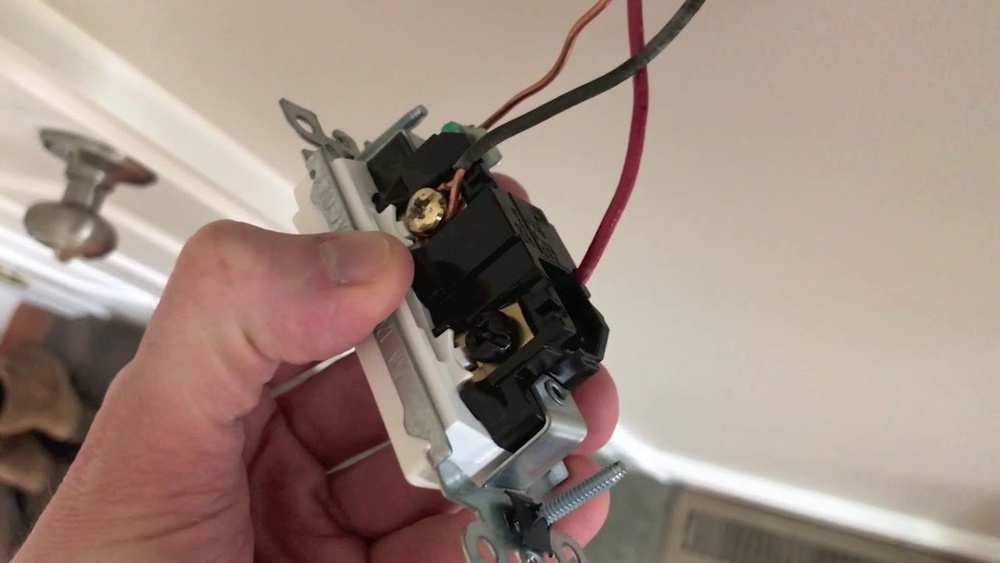
Use the correct wires for the switch. Connect wires tightly to avoid loose ends. Always turn off power before starting any wiring work. Check wiring colors and match them properly. Use wire nuts or connectors to secure joins. Poor wiring can cause short circuits or shocks.
Avoiding Overloading
Do not connect too many devices to one switch. Know the switch’s amp rating and stay below it. Overloading causes overheating and can start fires. Spread electrical loads across different circuits. Use switches designed for the load size you need. This keeps your electrical system safe.
Using Certified Components
Choose switches and parts with safety certifications. Certified components meet safety and quality standards. Avoid cheap, uncertified switches that may fail. Buy from trusted brands or stores. Certified parts reduce risks of electrical faults. They ensure reliable and safe operation of your switch.
Troubleshooting Amp-related Issues
Troubleshooting amp-related issues in light switches helps keep electrical systems safe. Knowing how to spot problems early can prevent damage and hazards. This section guides on signs of overload and ways to avoid switch failure.
Signs Of Overload
Overload happens when too much current flows through the switch. The switch may feel warm or hot to touch. Flickering or dim lights can indicate an overload issue. Burning smells or scorch marks near the switch are serious warning signs. Frequent tripping of circuit breakers also signals overload problems.
Preventing Switch Failure
Use switches rated for the correct amperage of your circuit. Avoid connecting too many devices to one switch. Replace old or damaged switches promptly. Keep the switch area clean and dry to avoid shorts. Hire a professional electrician for proper installation and repairs.
Common Myths About Light Switch Amps
Many people have wrong ideas about the amps used in light switches. These myths cause confusion when choosing or installing switches. Knowing the truth helps you pick the right switch for your home. This section clears up common myths about light switch amps.
Amp Ratings And Switch Size
Some think bigger switches mean higher amps. Switch size does not always match amp rating. The amp rating depends on the switch’s internal parts. Small switches can handle high amps if built for it. Always check the amp rating label, not just the size.
Switch Durability Misconceptions
Many believe higher amps mean longer switch life. Amp rating shows maximum current, not durability. A switch with the right amp rating lasts longer. Using a switch with too low amps causes damage. Proper use and quality matter more than amp size.
Frequently Asked Questions
How Many Amps Does A Standard Light Switch Handle?
A standard light switch typically handles 15 to 20 amps. This rating suits most household lighting circuits safely. Always check the switch label for exact amp capacity before installation.
Can A Light Switch Control High-amp Appliances?
No, standard light switches are not designed for high-amp appliances. High-amp devices need specialized switches or circuit breakers to prevent overload and hazards.
What Amp Rating Is Best For Led Light Switches?
For LED lighting, a 15-amp switch is usually sufficient. LED lights consume less power, so a lower amp rating switch ensures safety and efficiency.
Why Is Amp Rating Important For Light Switches?
Amp rating ensures a switch can safely handle the electrical load. Using the wrong amp rating risks overheating, damage, or fire hazards in your home.
Conclusion
Choosing the right amps for a light switch keeps your home safe. Most switches handle 15 to 20 amps easily. Using the correct size prevents electrical problems. Always check the switch rating before installing. Simple steps protect your wiring and devices.
Remember, safety comes first with any electrical work. Trust clear info and avoid guesswork. Light switches work best when matched to their load. Easy to follow, right? Stay safe and enjoy well-lit rooms.