Are you looking to brighten up your room by adding a ceiling light but don’t know where to start? Adding a ceiling light to an existing switch might sound tricky, but it’s easier than you think.
Imagine controlling a brand-new light fixture right from your wall switch—no extra switches, no complicated rewiring. In this guide, you’ll discover simple steps to make this upgrade yourself, saving time and money. Keep reading, and by the end, you’ll have the confidence to light up your space exactly how you want.
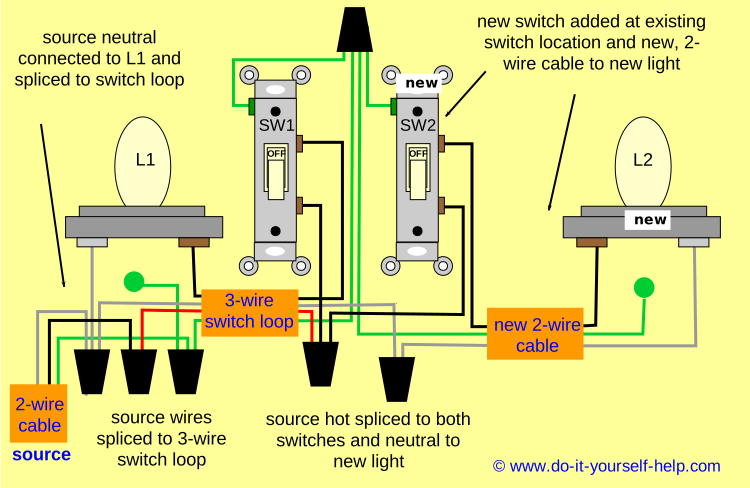
Credit: www.do-it-yourself-help.com
Tools And Materials Needed
Adding a ceiling light to an existing switch requires specific tools and materials. Having everything ready makes the job easier and safer. This section covers the essential tools, materials, and safety gear needed for the task.
Essential Tools
- Screwdriver set (flathead and Phillips)
- Wire stripper
- Voltage tester
- Drill with bits
- Measuring tape
- Electrical tape
- Wire nuts
- Step ladder
Required Materials
- Ceiling light fixture
- Electrical cable (usually 14/2 or 12/2 wire)
- Electrical box for ceiling
- Light bulbs compatible with the fixture
- Mounting bracket or plate
Safety Gear
- Insulated gloves
- Safety goggles
- Dust mask
- Non-slip shoes
Preparing The Work Area
Preparing the work area is the first step to add a ceiling light safely. It helps prevent accidents and makes the task easier. You need to focus on safety and organization before starting.
Clear space and check power to avoid any hazards. Knowing the wiring layout saves time and effort later.
Turn Off Power
Locate the circuit breaker that controls the switch. Switch it off to cut power completely. Use a voltage tester on the switch to confirm the power is off. This step is very important for your safety.
Clear The Space
Remove furniture and items near the work area. Keep the floor free from clutter to move around easily. Cover the floor with a drop cloth to catch dust and debris. Clear space helps you focus and avoids damage to your belongings.
Check Existing Wiring
Open the switch plate carefully with a screwdriver. Look at the wires connected to the switch. Identify the live, neutral, and ground wires. Take note of wire colors and positions for reference. Knowing the wiring layout is crucial for a smooth installation.
Locating The Switch And Ceiling Box
Adding a ceiling light to an existing switch starts with finding the right locations. Knowing where the switch wiring and ceiling box are makes the job easier. This step ensures safe and correct installation.
Careful planning helps avoid mistakes and saves time. First, you need to understand the wiring behind the switch. Then, find a good spot on the ceiling for the light. Finally, mark these points clearly for the installation.
Identify The Switch Wiring
Turn off power before touching any wires. Remove the switch cover to see the wiring inside. Look for the live wire, neutral wire, and ground wire. Use a voltage tester to check if wires have power. Label the wires to avoid confusion later. Knowing the wiring type helps connect the ceiling light properly.
Find Suitable Ceiling Spot
Choose a ceiling spot near the switch wiring. Check for ceiling joists and avoid them. The spot must support the light fixture’s weight. Look for existing electrical boxes or space for a new one. Pick a location that spreads light evenly in the room.
Mark Installation Points
Use a pencil to mark the switch and ceiling light spots. Measure carefully to align the light with the switch. Mark the points for drilling holes and fixing the box. Clear marks make the installation faster and more precise. Double-check marks before starting the work.

Credit: diy.stackexchange.com
Running Electrical Cables
Running electrical cables is a key step in adding a ceiling light to an existing switch. It involves careful planning and safe handling of wires. Proper cable installation ensures the light works well and stays safe over time.
Choosing The Cable Route
Pick a clear path from the switch box to the ceiling light location. Avoid obstacles like pipes or ductwork. Use spaces between joists or wall studs for easy cable access. A straight route makes installation simpler and safer.
Drilling And Fishing Wires
Drill holes in joists or studs to run the cable through walls or ceilings. Use a drill bit slightly larger than the cable. Fish the wires through the holes carefully. Use a wire puller or fish tape to guide cables through tight spaces.
Securing The Wires
Fasten cables with staples or cable clips every 12 inches. Avoid tight bends to prevent wire damage. Leave some slack near the switch and ceiling box for connections. Proper securing keeps wires safe and neat inside walls and ceilings.
Connecting The Ceiling Light
Connecting the ceiling light to an existing switch is a key step in your lighting project. This part ensures your light works safely and correctly. Proper connection also helps avoid electrical problems. Follow each step carefully for a smooth installation.
Wiring The Light Fixture
Turn off the power at the circuit breaker. Use a voltage tester to confirm no electricity flows. Connect the black wire from the ceiling to the black wire on the fixture. Join the white wires from both the fixture and ceiling. Attach the ground wire to the green or bare copper wire. Secure all wires with wire nuts. Wrap electrical tape around the wire nuts for extra safety.
Mounting The Fixture
Attach the mounting bracket to the electrical box in the ceiling. Use screws to secure it tightly. Align the fixture base with the bracket. Push the wires carefully into the electrical box. Screw the fixture base to the mounting bracket. Make sure the fixture is stable and flush against the ceiling.
Testing Connections
Restore power at the circuit breaker. Flip the light switch on and off. Check if the light turns on without flickering. If it does not work, turn off the power again. Double-check all wire connections. Tighten any loose wires and test again. Confirm the light operates smoothly before finishing.

Credit: diy.stackexchange.com
Reconnecting The Switch
Reconnecting the switch is a key step in adding a ceiling light. It ensures the switch controls the new light properly. Follow the steps carefully to avoid mistakes and keep safe.
Identify Wires On Switch
First, turn off the power at the breaker box. Remove the switch cover and pull out the switch. Look at the wires connected to the switch. Usually, you will see a black (hot) wire, a white (neutral) wire, and a green or bare copper ground wire. Note which wire connects to which terminal on the switch. This helps you connect the new cable correctly.
Connect New Cable
Take the new cable that runs to the ceiling light. Connect the black wire from the new cable to the black wire on the switch. Twist the two black wires together and secure with a wire nut. Connect the white wires from both cables together. Attach the ground wire to the green screw on the switch or the grounding wire bundle. Make sure all connections are tight and secure.
Secure And Test Switch
Push the wires back into the electrical box carefully. Screw the switch back in place. Put the switch cover plate on. Turn the power back on at the breaker. Flip the switch to test if the ceiling light turns on and off. If it works, you have successfully reconnected the switch. If not, turn off the power and check your wiring again.
Safety Tips And Troubleshooting
Adding a ceiling light to an existing switch can brighten your room and improve your space. Safety is the top priority during this process. Understanding common problems and knowing how to avoid risks makes the task easier and safer. Some issues may seem simple but can cause trouble if ignored. This section explains safety tips and troubleshooting to help you work with confidence.
Common Issues
Wiring mistakes are the most frequent problem. Wires may be loose or connected incorrectly. Sometimes, the switch does not control the light as expected. Another issue is a tripped circuit breaker or blown fuse. Flickering lights or no light at all can signal wiring or power problems. Testing the switch and connections helps find these faults early.
Avoiding Electrical Hazards
Always turn off the power at the circuit breaker before starting. Use a voltage tester to check if wires are live. Wear rubber-soled shoes and avoid wet floors. Keep metal tools away from live wires. Use insulated screwdrivers for safety. Do not overload circuits with too many lights or devices. Follow all local electrical codes and use proper materials.
When To Call A Professional
Call an electrician if you see exposed wires or damaged cables. Complex wiring layouts need expert handling. If the breaker trips repeatedly, it shows a serious issue. Unclear wiring or missing labels means a professional should assist. Do not take risks with electrical fires or shocks. Hiring a licensed electrician ensures the job is safe and correct.
Frequently Asked Questions
How Do I Add A Ceiling Light To An Existing Switch?
Turn off power at the breaker. Connect the new ceiling light wires to the existing switch wiring. Use wire nuts and secure connections. Mount the light fixture and restore power to test.
What Tools Are Needed To Install A Ceiling Light?
You need a screwdriver, wire stripper, voltage tester, wire nuts, and a drill. A ladder and electrical tape are also useful for safety and secure installation.
Can I Use The Existing Wiring For A New Ceiling Light?
Yes, if the wiring is in good condition and meets electrical codes. Confirm the wires have power and proper grounding before connecting the new light fixture.
Is It Necessary To Turn Off Power Before Installation?
Absolutely. Turning off power at the breaker prevents electrical shock and ensures safe installation of the ceiling light.
Conclusion
Adding a ceiling light to an existing switch is easier than you think. Follow each step carefully for safety and success. Always turn off power before starting any work. Use the right tools and materials for the job. A new light can brighten your room and improve its look.
Take your time and check your work as you go. Soon, you will enjoy better lighting without extra switches or wiring. Simple changes can make a big difference in your home.