Are you looking to add an outlet to a light switch but don’t know where to start? You’re not alone.
Many homeowners want the convenience of extra plugs without rewiring the entire room. Adding an outlet to a light switch can save you time, money, and hassle—if you do it right. You’ll discover simple, step-by-step tips that make this project easier than you think.
Keep reading, and by the end, you’ll feel confident tackling this upgrade yourself.

Credit: www.youtube.com
Tools And Materials Needed
Adding an outlet to a light switch is a useful home project. It needs the right tools and materials for safety and success. Preparing these before starting saves time and avoids mistakes.
Gather everything you need to work efficiently. This guide lists the essential tools and materials for the job. Follow it to ensure you have all items ready.
Essential Tools
- Voltage tester – to check power is off
- Screwdriver set – flathead and Phillips
- Wire stripper – to remove insulation
- Needle-nose pliers – for bending wires
- Drill with bits – for new holes if needed
- Measuring tape – to measure cable length
- Utility knife – to cut electrical sheathing
- Electrical tape – for safe wire wrapping
- Flashlight – to see in dark areas
Required Materials
- Electrical outlet – match your home’s voltage
- Outlet box – to hold the outlet in place
- Electrical wire – type NM-B or as local code requires
- Wire connectors – to join wires safely
- Cover plate – to finish the outlet neatly
- Wire nuts – secure wire connections
- Cable clamps – hold wires in the box
Safety Precautions
Working with electricity needs care. Safety is the top priority when adding an outlet to a light switch. Follow simple safety steps to avoid accidents and injury. Taking precautions protects you and your home.
Turning Off Power
Always switch off power at the circuit breaker before starting work. Do not rely on the light switch to cut power. Confirm the power is off for the entire circuit you will work on. This stops electric shocks and short circuits. Use a lock or tag to keep the breaker off during your work.
Using A Voltage Tester
Use a voltage tester to check wires and switches for live current. Test all wires even if the breaker is off. A tester shows if any electricity is still present. This step ensures your safety before touching wires or installing the outlet. Never assume wires are safe without testing.
Preparing The Work Area
Preparing the work area is the first step to safely add an outlet to a light switch. A clean, organized space helps avoid mistakes and accidents. It also makes the job faster and easier. Follow simple steps to get ready before you start any electrical work.
Locating The Switch Box
Find the switch box that controls the light. This box holds the wiring and switch. Use a flashlight if the area is dark. Check the wall for the box’s outline or screws. Knowing its exact position helps plan where to add the outlet.
Clearing The Space
Remove any furniture or objects near the switch box. Clear enough room to work comfortably. Keep tools and materials close but organized. A tidy workspace reduces distractions and risks. It also protects your tools and helps keep the wires safe.
Credit: www.reddit.com
Wiring Basics
Adding an outlet to a light switch requires some basic wiring knowledge. Understanding the wires and circuit types helps keep the work safe and effective. This section explains the key wiring basics clearly.
Identifying Wires
Wires come in different colors and serve unique roles. Black wires usually carry power from the source to switches or outlets. White wires act as neutral and return the current to the electrical panel. Green or bare copper wires connect to the ground for safety. Knowing these colors helps prevent mistakes and electrical hazards.
Before starting, turn off the power at the breaker. Use a voltage tester to check wires. Handle all wires with care. If wires are old or damaged, replace them for safety.
Understanding Circuit Types
Most home circuits are either single-pole or three-way. Single-pole circuits control one light or outlet from one switch. Three-way circuits control one light from two switches. Outlets often share a circuit with lights or other outlets.
Knowing the circuit type helps you connect the new outlet correctly. A simple circuit means fewer wires and easier installation. Complex circuits may need extra wiring or a professional’s help. Always follow local electrical codes and safety rules.
Installing The Outlet
Installing the outlet is a key step in adding power to your light switch setup. This process includes running the cable, connecting wires, and securing the outlet firmly. Each task needs care to ensure safety and proper function.
Running The Cable
First, run a new cable from the switch box to the outlet location. Use a cable type suitable for your home’s wiring, usually 14/2 or 12/2 wire. Measure the distance carefully and leave some extra length at both ends. Pull the cable through the wall or surface using a fish tape or wire puller. Avoid sharp bends or damage to the cable during this step.
Connecting Wires To The Outlet
Strip about half an inch of insulation from the wire ends. Connect the black (hot) wire to the brass screw on the outlet. Attach the white (neutral) wire to the silver screw. Connect the bare or green ground wire to the green grounding screw. Tighten all screws to ensure good contact. Double-check all wire connections for safety and correct placement.
Securing The Outlet
Push the wires gently into the outlet box. Fit the outlet into the box, aligning the mounting holes. Use screws to secure the outlet tightly to the box. Attach the outlet cover plate to finish the installation. Turn the power back on and test the outlet with a voltage tester to confirm it works.
Modifying The Light Switch
Modifying the light switch is a key step when adding an outlet to it. This process lets you control both the light and the new outlet from the same box. It takes careful work to ensure safety and functionality.
First, you will need to adjust the wiring inside the switch box. This change will allow power to flow to the new outlet without affecting the light switch’s main function. Attention to detail is important here to avoid mistakes.
Adjusting Switch Wiring
Begin by turning off the power at the circuit breaker. Remove the switch cover and unscrew the switch from the box. Check the existing wires and note their positions.
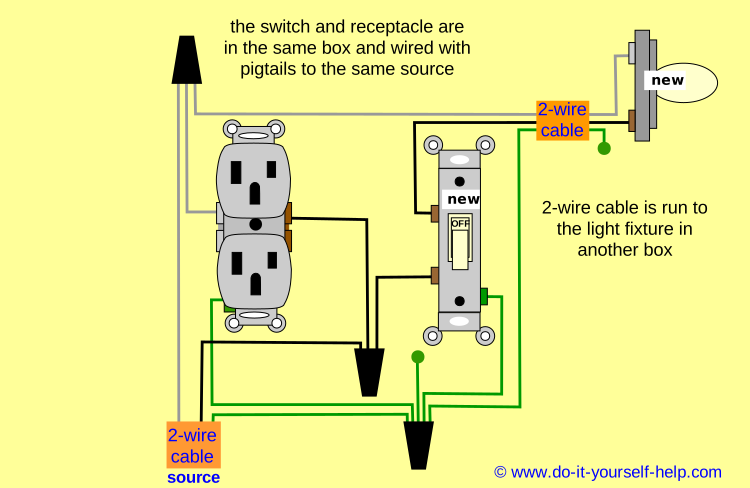
Identify the line (power) wire and the load wire going to the light. You will add a new wire called a pigtail to connect the outlet. Connect the pigtail to the line wire using a wire nut.
Attach the other end of the pigtail to the new outlet’s hot terminal. Keep the neutral wires together and connect them to the outlet’s neutral terminal. Ground wires must also be connected to the outlet.
Testing Connections
After wiring, restore power to the circuit. Use a voltage tester to check the outlet and switch. The outlet should have power even if the switch is off.
Test the light switch by turning it on and off. The light should respond without any flicker or delay. Test the outlet with a small device to confirm it works correctly.
Ensure all connections are secure and no wires are loose. Tighten any loose screws and replace the switch cover. Your new outlet is now ready to use safely.
Finishing Touches
Finishing touches make your new outlet safe and neat. This stage completes the job and ensures everything works properly. Follow these steps carefully to avoid mistakes and protect your home.
Replacing Covers
Put the outlet and switch covers back on carefully. Use a screwdriver to tighten the screws. Do not overtighten; it can crack the cover. Clean the cover to remove dust or fingerprints. A clean cover gives a fresh, finished look.
Restoring Power
Turn the power back on at the circuit breaker. Check the outlet with a tester or plug in a small device. Make sure the switch still works well. If anything feels wrong, turn off the power and check your wiring again. Safety first.
Troubleshooting Tips
Adding an outlet to a light switch can be simple but may cause some problems. Troubleshooting helps fix these problems quickly. Knowing common issues and signs to call a professional saves time and keeps you safe.
Common Issues
One common problem is the outlet not working. Check if the circuit breaker is on. Loose wires often cause this issue. Make sure all wires are tight and connected correctly.
Another issue is the outlet working only when the light switch is on. This means the wiring might be wrong. The outlet should get power directly, not through the switch.
Sometimes the outlet or switch feels warm. This can be a sign of a bad connection or too much power. Turn off the power and inspect the wiring carefully.
When To Call A Professional
Call a professional if you see sparks or smell burning. These signs show serious electrical problems. Avoid working on the outlet until a pro checks it.
If you do not know how to test wires or use tools safely, get help. Mistakes can cause shocks or fires. A licensed electrician has the right skills and tools.
Complex wiring or old electrical systems need expert attention. They can make sure everything works safely and meets local codes.
Credit: www.do-it-yourself-help.com
Frequently Asked Questions
How Do I Safely Add An Outlet To A Light Switch?
Turn off the power at the breaker first. Use a voltage tester to confirm no power. Follow electrical codes and use proper wiring techniques to ensure safety.
Can I Use The Existing Switch Box For An Outlet?
Yes, if the box is large enough to fit the outlet and wiring. Check local codes for box size requirements before proceeding.
What Tools Do I Need To Add An Outlet To A Switch?
You need a voltage tester, wire strippers, screwdriver, electrical tape, wire nuts, and a new outlet. These tools help ensure a safe and secure installation.
Is It Legal To Add An Outlet To A Light Switch?
Yes, it is legal if done according to local electrical codes. Always check with local regulations before starting any electrical work.
Conclusion
Adding an outlet to a light switch can be simple with careful steps. Always turn off power before starting work. Use the right tools and follow safety rules closely. Double-check connections to avoid problems later. Taking your time helps ensure a safe and working outlet.
This project can save space and add convenience to your room. With practice, you can handle more home electrical tasks. Safety first, then enjoy your new outlet’s usefulness.