Are you tired of juggling multiple lights with just one switch? Imagine having the convenience to control two lights separately, right from one spot.
Changing your single light switch to a double switch can make your daily routine easier and your space smarter. It might sound tricky, but with the right steps, you can do it yourself without calling a professional. Keep reading, and you’ll discover how simple it is to upgrade your switch and take control of your lighting like never before.

Credit: www.youtube.com
Tools And Materials Needed
Changing a single light switch to a double switch needs the right tools and materials. Having these ready makes the job easier and safer. This list covers what is needed for a smooth switch upgrade.
Essential Tools
A screwdriver set is a must. It helps remove and attach screws on the switch plate and wires. A voltage tester ensures the power is off before touching wires. Wire strippers make it simple to remove insulation from wires. Needle-nose pliers help bend and hold wires during installation. A utility knife may be needed to cut electrical tape or insulation.
Materials Required
Buy a double switch that fits your wall box size. Electrical wires are necessary to connect both switches. Wire nuts secure wire connections safely. Electrical tape adds extra safety by covering exposed wires. A new switch plate cover fits over the double switch and completes the look.
Safety Gear
Wear insulated gloves to protect from electric shock. Safety goggles protect eyes from dust and debris. Use a flashlight if the work area is dark. Keep a fire extinguisher nearby as a safety precaution.
Turn Off Power Safely
Before changing a single light switch to a double, turn off the power safely. This step is very important. It stops electric shocks and protects you from injury. Always treat electricity with care. Safety first.
Locate The Circuit Breaker
Find your home’s main electrical panel. It is usually in the basement, garage, or utility room. Open the panel door. Look for the switch that controls the power to the light switch.
Switch Off The Correct Breaker
Identify the breaker for the room with the light switch. Flip the breaker to the off position. This cuts power to that area. Double-check to avoid mistakes.
Test The Power Is Off
Use a voltage tester or a non-contact tester. Touch the tester to the wires in the switch box. No light or beep means no power. If unsure, test again. Never skip this step.
Use A Lockout Tag
Place a lockout tag on the breaker. This warns others not to turn it on. It keeps the work area safe. Prevent accidents by using the tag.
Remove The Existing Switch
Start by turning off the power at the breaker box. Unscrew and carefully pull out the old switch from the wall. Disconnect the wires attached to the existing switch before removing it completely.
Turn Off The Power
Safety comes first. Switch off the circuit breaker that controls the light switch. Use a voltage tester to ensure no electricity flows to the switch. This step prevents electric shock while working.
Remove The Switch Cover Plate
Unscrew the cover plate that hides the switch. Keep the screws safe for later use. Gently pull the plate away from the wall to expose the switch box.
Unscrew The Light Switch
Remove the screws holding the switch to the electrical box. Pull the switch out carefully. Avoid pulling on the wires directly to prevent damage.
Note The Wiring Setup
Look at how wires connect to the switch. Take a photo or make a note. This helps when connecting the new double switch.
Disconnect The Wires
Loosen the screws that hold the wires on the switch. Detach each wire carefully. Keep the wires from touching each other or the box.
Inspect And Prepare Wiring
Before changing a single light switch to a double, check and prepare the wiring carefully. This step is important for safety and proper function. You need to see what wires are inside the box and how they connect. Understanding the wiring helps avoid mistakes and electrical problems.
Turn off the power at the circuit breaker to keep safe. Use a voltage tester to make sure no electricity flows to the switch. Safety first.
Remove The Existing Switch Cover And Switch
Start by unscrewing the switch cover plate. Then, remove the screws holding the single switch. Gently pull the switch out to see the wires attached to it. Take a photo or note how wires connect for reference.
Identify The Wires In The Box
Look inside the electrical box to find all wires. You will usually see black (hot), white (neutral), and green or bare (ground) wires. Some boxes may have more wires if they control multiple lights or outlets.
Check For Enough Space And Wire Length
Make sure the electrical box is large enough for a double switch. Also, check if wires are long enough to connect to the new double switch. If wires are too short, you may need to extend them safely.
Prepare The Wires For The Double Switch
Strip about half an inch of insulation from wire ends. Separate wires by their function: hot, neutral, and ground. Keep wires clean and straight for easy connection to the new switch.
Choose The Right Double Switch
Choosing the right double switch is key to a smooth upgrade. Not all switches fit every wall box or wiring setup. Picking the correct one saves time and avoids safety risks.
Consider the type of switch first. Some control lights only. Others handle fans or outlets. Match your needs to the switch type.
Check the switch size and shape. It must fit your wall box and cover plate. A wrong size switch looks odd and may not fit securely.
Types Of Double Switches
Two main types exist: stacked and side-by-side. Stacked switches place one button above the other. Side-by-side switches place buttons next to each other.
Choose the style that suits your space and preference. Stacked switches save horizontal space. Side-by-side switches may be easier to use.
Compatibility With Wiring
Double switches need correct wiring connections. Some require a neutral wire. Others work without it. Check your home wiring before buying.
Look for switches that match your voltage and amperage. Using a wrong switch can cause damage or hazards.
Material And Finish Options
Switches come in plastic, metal, or other materials. Pick one that fits your room’s style. Common finishes include white, black, and stainless steel.
Choose a durable material for long-lasting use. A good finish keeps the switch looking clean and new.

Credit: www.diynot.com
Connect The New Switch Wires
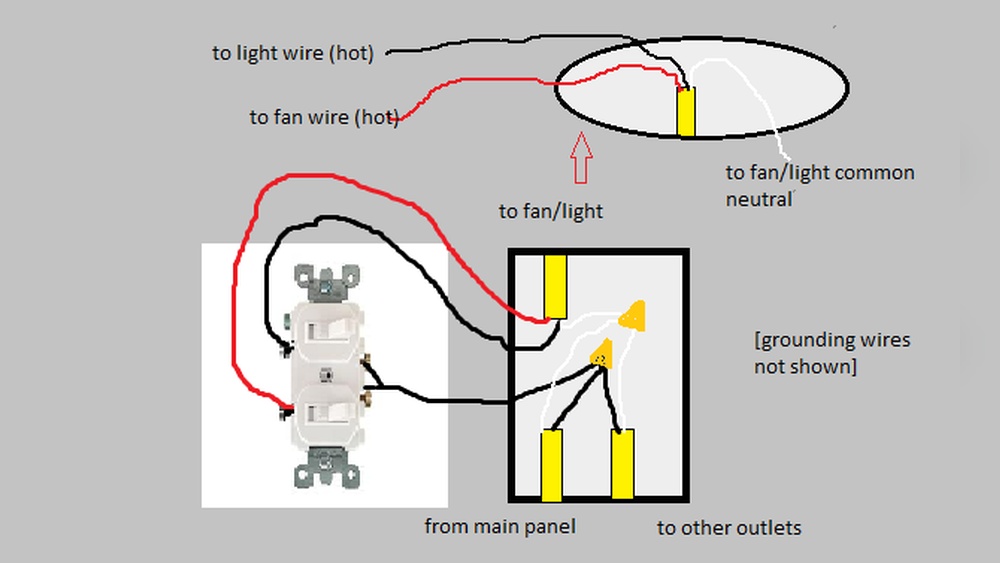
Start by identifying the wires in the wall and switch box. Attach the new wires to the double switch terminals carefully. Tighten screws to ensure a solid connection.
Identify The Wires In The Box
Start by looking inside the switch box. Find the black, white, and ground wires.
The black wires carry electricity to the switch. White wires are neutral. Ground wires are usually green or bare copper.
Use a voltage tester to make sure the power is off before touching any wires.
Connect The Ground Wire First
Attach the ground wire from the wall to the green screw on the new switch. This step keeps the switch safe.
Twist the wires together and secure them with a wire nut. The ground wire is important for safety.
Attach The Line And Load Wires
Connect the black line wire to the common terminal on the new switch. This wire brings power from the breaker.
Attach the black load wire to one of the switch terminals. This wire controls the light fixture.
Use a screwdriver to tighten the screws firmly, but do not over-tighten.
Connect The Second Switch Terminal
For a double switch, connect the second black wire from the light fixture to the other terminal.
This wire controls the second light or device on the double switch.
Make sure all connections are secure and no wires are loose inside the box.
Secure The Switch And Box
Securing the switch and box is a vital step in changing a single light switch to a double. This step makes sure the new switch stays in place and works safely over time. Properly securing the box also helps prevent any electrical hazards.
Take your time with this part. A loose switch or box can cause problems later. Follow the steps carefully to make everything tight and safe.
Check The Electrical Box Size
Start by checking the size of the electrical box. A single switch box might be too small for a double switch. Look for a larger box that fits both switches comfortably. This helps avoid crowding wires inside.
Secure The Box To The Wall Stud
Make sure the box is firmly attached to the wall stud. Use screws to hold it tight. A loose box can move and cause wiring problems. Tighten the screws so the box does not wiggle.
Attach The Double Switch To The Box
Place the new double switch into the box. Align the screw holes carefully. Insert screws and tighten them just enough to hold the switch steady. Do not over-tighten and crack the switch.
Test The Stability Before Closing
After securing the switch, gently wiggle it to test stability. It should not move or feel loose. If it moves, tighten screws again. A firm switch ensures safe and reliable use.
Restore Power And Test
After installing the new double light switch, restoring power is the next step. This step brings electricity back to the switch and allows you to check if everything works properly. Testing the switch ensures safety and confirms the installation is correct.
Turn On The Circuit Breaker
Go to your home’s electrical panel. Find the breaker you turned off before starting the work. Flip the switch back to the ON position. This action restores power to the light switch and the connected lights.
Test Each Switch
Press each toggle on the double switch. Check if the lights connected to each switch turn on and off. Both switches should work independently without any issues. If a light does not respond, double-check the wiring.
Check For Any Issues
Listen for buzzing or crackling sounds. Look for flickering or dim lights. These signs mean there might be a wiring problem. Turn the breaker off again and inspect the connections. Safety comes first in all electrical work.
Troubleshooting Common Issues
Troubleshooting is an important step when changing a single light switch to a double. Problems may happen during or after installation. Knowing how to fix common issues saves time and frustration.
Understanding the basic wiring and switch functions helps find problems faster. Check connections carefully and test the switch before closing the wall box.
Checking Loose Or Incorrect Wiring
Loose wires cause the switch to fail or flicker. Turn off power before inspecting wires. Tighten any loose connections. Make sure wires match the switch terminals. Use a voltage tester to confirm wires are not live.
Dealing With A Tripped Circuit Breaker
A double switch draws more power than a single one. The breaker may trip if wiring is wrong. Reset the breaker after fixing wiring mistakes. Ensure no wires touch each other or metal parts. Avoid overloading the circuit.
Fixing A Switch That Does Not Work
Check if the switch clicks when pressed. No click means a bad switch. Replace the switch if needed. Confirm the power source is connected. Test with a voltage meter to find where power stops.
Handling Lights That Flicker Or Dim
Flickering lights often indicate poor connections. Inspect wire nuts and terminals. Tighten or replace any loose parts. Use bulbs with the correct wattage. Avoid mixing different bulb types on the same switch.

Credit: www.youtube.com
Safety Tips For Electrical Work
Working with electricity requires care and caution. Safety is the top priority when changing a light switch. Following safety tips helps avoid accidents and injuries. It also protects your home from electrical hazards.
Turn Off The Power
Always switch off the power at the circuit breaker. Do not rely on the light switch alone. Use a voltage tester to confirm the power is off. This step prevents electric shocks during work.
Use Proper Tools
Choose tools made for electrical work. Insulated screwdrivers and pliers reduce the risk of shock. Avoid using damaged or worn-out tools. Keep tools organized to work safely and efficiently.
Wear Safety Gear
Wear rubber-soled shoes to prevent electric shock. Use safety glasses to protect your eyes. Avoid loose clothing or jewelry near wires. Keep your hands dry to maintain a good grip.
Understand The Wiring
Learn the wiring layout before starting. Identify live, neutral, and ground wires correctly. Follow the wiring diagram for the double switch. Incorrect connections cause short circuits or damage.
Work In A Dry Area
Ensure the workspace is dry and clean. Water and electricity do not mix safely. Use a flashlight if the area lacks light. Avoid working in wet or damp conditions.
Test The Switch After Installation
Turn the power back on carefully. Test both switches to confirm they work. Look for sparks, flickering, or unusual sounds. Turn off the power immediately if any issues appear.
Frequently Asked Questions
How Do I Replace A Single Switch With A Double Switch?
Turn off power at the breaker. Remove the single switch and wiring. Install a double switch box and connect wires accordingly. Secure the double switch and restore power. Test both switches to ensure proper function.
What Tools Are Needed To Change A Light Switch?
You need a screwdriver, wire stripper, voltage tester, electrical tape, and a double switch. Safety gear like gloves is recommended. These tools help safely remove the old switch and install the new double switch.
Can I Upgrade A Single Switch To Double Without Rewiring?
Sometimes, yes, if existing wiring supports both switches. Otherwise, new wiring is needed. Always check local electrical codes and consult a professional if unsure about rewiring requirements.
Is It Safe To Change A Light Switch Myself?
Yes, if you follow safety steps. Always turn off power at the breaker before starting. Use a voltage tester to confirm no electricity flows. If unsure, hire a licensed electrician for safety.
Conclusion
Changing a single light switch to a double switch is simple and useful. You can control two lights from one spot. Always turn off the power before starting work. Follow the steps carefully to stay safe. Take your time and check each connection.
A double switch adds convenience and style to any room. Try this project to improve your home lighting today.

