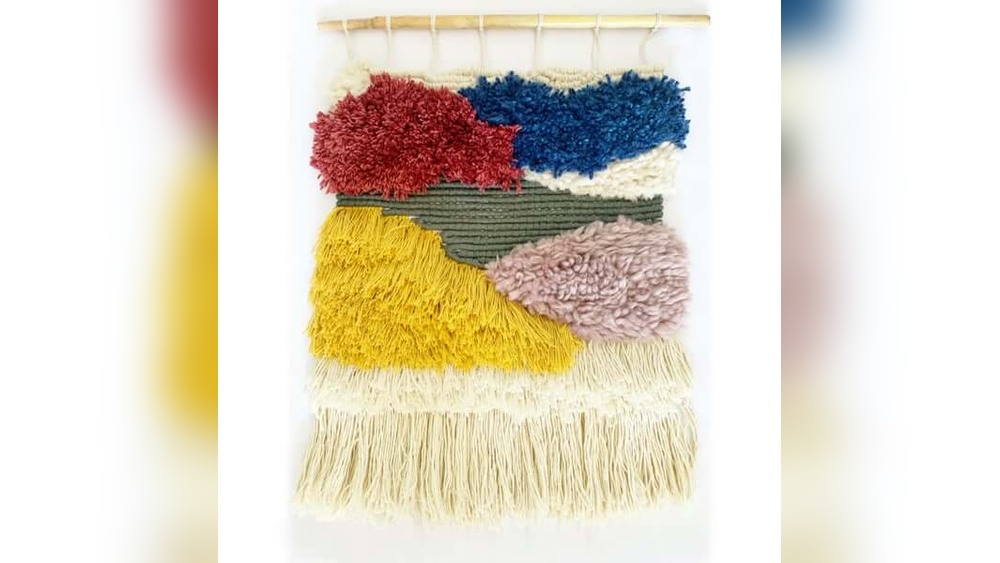
You’ve spent time creating or collecting a beautiful latch hook wall hanging, and now it’s starting to look a little dusty or worn. You want to clean it without damaging the fibers or losing its vibrant colors.
But how do you do that safely and effectively? In this guide, you’ll discover simple steps to refresh your latch hook piece and keep it looking fresh for years. By the end, you’ll feel confident about caring for your wall hanging so it stays a standout feature in your space.
Let’s dive in and make your latch hook art shine again!

Credit: www.ocupatucalle.com
Gather Cleaning Supplies
Before cleaning your latch hook wall hanging, gather all necessary supplies. Having the right tools and cleaning solutions ready makes the process easier. It helps protect the fibers and keep the colors bright. Prepare everything in one place to avoid interruptions while cleaning.
Essential Tools
Start with a soft-bristle brush to remove loose dust and dirt. A small vacuum cleaner with a brush attachment works well too. Use clean, white cloths or microfiber towels for blotting and drying. Have a basin or sink ready if you plan to hand wash parts of the hanging. Keep a pair of rubber gloves nearby to protect your hands during cleaning.
Recommended Cleaning Solutions
Use mild detergents designed for delicate fabrics. Dish soap diluted in water is a good option. Avoid harsh chemicals or bleach that can damage fibers and colors. White vinegar mixed with water helps remove odors and light stains. Test any cleaning solution on a small hidden area first to check for colorfastness.
Credit: studio-koekoek.com
Prepare The Wall Hanging
Preparing your latch hook wall hanging is the first step in cleaning it well. This step helps keep the colors bright and the fibers soft. A good preparation makes the cleaning easier and protects your artwork. Take your time to prepare it carefully.
Start by removing dust and checking for any damage. These simple tasks help keep your wall hanging looking great for years.
Remove Dust And Debris
Dust can build up on the surface and inside the fibers of the latch hook. Use a soft brush or a vacuum with a gentle brush attachment. Move the brush or vacuum lightly over the surface. This removes loose dirt without pulling or damaging the yarn.
Do this outside or over a trash bin to catch the dust. Avoid shaking the wall hanging hard. Shaking can loosen the knots and cause damage.
Check For Damage
Look closely at the edges and the yarn knots. Check for any loose or missing yarn pieces. Small tears or holes need repair before cleaning. Use a needle and matching yarn to fix loose parts.
Damaged areas can get worse if you skip this step. Fixing them now keeps the wall hanging strong. This step also helps you avoid stains caused by dirt inside damaged spots.
Spot Cleaning Techniques
Spot cleaning is a simple way to keep your latch hook wall hanging fresh. It targets small stains without soaking the entire piece. This method saves time and protects the colors and fibers. Use gentle steps to avoid damage and keep your art looking great.
Treating Stains
Start by blotting the stain with a clean, dry cloth. Avoid rubbing to prevent spreading. Mix a small amount of mild soap with water. Dip a soft cloth or cotton swab into the solution. Gently dab the stained area. Let it sit for a few minutes to loosen dirt. Blot again with a dry cloth to remove moisture. Repeat if needed, but do not over-wet the fabric.
Handling Delicate Fibers
Check the fiber type before cleaning. Use only cold water to avoid shrinkage. Avoid harsh chemicals that can harm fibers. Test the cleaning solution on a hidden spot first. Use a soft brush or cloth to clean gently. Let the area air dry completely. Do not use heat or direct sunlight to dry your wall hanging. Handle with care to keep fibers soft and vibrant.

Credit: www.ebay.com
Hand Washing The Latch Hook
Hand washing a latch hook wall hanging is a careful process. It helps keep the colors bright and the fibers soft. This method avoids damage that machines or harsh chemicals can cause. Use gentle care to maintain the beauty of your piece.
Filling The Basin
Choose a clean basin or sink. Fill it with cool or lukewarm water. Avoid hot water to prevent shrinking or color bleeding. Add a small amount of mild detergent. Mix the water gently to spread the soap.
Soaking And Gently Agitating
Place the latch hook piece in the water. Let it soak for about 10 minutes. Move it gently by hand. Do not scrub or twist the fibers. This action loosens dirt without harming the yarn. After soaking, rinse with clean water until the soap is gone.
Drying Methods
Drying a latch hook wall hanging is a key step after cleaning. Proper drying keeps the fibers neat and the colors bright. Choosing the right method prevents damage and keeps your art looking fresh. Below are some tips to dry your wall hanging safely and effectively.
Avoiding Wrinkles And Damage
Do not twist or wring the wall hanging. This can stretch or tear the yarn. Instead, gently press out extra water with a clean towel. Avoid direct sunlight, which can fade colors. Keep the piece flat or hang it to maintain its shape. Handle the fibers softly to stop fraying or pulling.
Best Practices For Air Drying
Lay the wall hanging on a flat, clean surface. Use a dry towel underneath to absorb moisture. Place it in a well-ventilated room to speed drying. Hang it by the rod or top edge using clothespins. Let it dry fully before touching or rehanging on the wall. This ensures no damp spots remain that cause mold or smells.
Maintaining Freshness Over Time
Keeping your latch hook wall hanging fresh over time helps it look beautiful longer. Dust and dirt can settle on the fibers, making the colors dull. Regular care keeps the texture soft and the design vibrant. Small steps make a big difference in maintaining your art piece.
Regular Dusting
Dust your latch hook gently using a soft brush or cloth. This removes loose dirt without damaging the fibers. Avoid using water or cleaning sprays, which can ruin the yarn. Dust at least once a week to prevent buildup. A small handheld vacuum on low suction can also work well.
Proper Storage Tips
Store your wall hanging in a cool, dry place away from sunlight. Sunlight can fade colors and weaken fibers over time. Avoid folding the piece to keep the yarn from creasing. Roll it loosely or hang it flat to preserve its shape. Use breathable fabric covers to protect from dust while allowing air flow.
Frequently Asked Questions
How Do I Safely Clean A Latch Hook Wall Hanging?
Use a gentle vacuum or shake it outdoors to remove dust. Spot clean with mild detergent and cold water. Avoid harsh chemicals and excessive moisture to protect the fibers and colors.
Can I Machine Wash A Latch Hook Wall Hanging?
Machine washing is not recommended. It can damage the fibers and distort the shape. Hand cleaning and gentle spot treatment are safer options for maintaining the quality.
What Is The Best Detergent For Latch Hook Rugs?
Use a mild, non-bleach detergent for cleaning. Harsh chemicals can fade or weaken the yarn. Always dilute detergent with water before applying to avoid damage.
How Do I Dry A Latch Hook Wall Hanging?
Air dry flat on a clean surface away from direct sunlight. Avoid wringing or twisting to prevent misshaping. Ensure it is completely dry before rehanging.
Conclusion
Cleaning your latch hook wall hanging keeps it bright and fresh. Regular care stops dirt buildup and keeps colors vivid. Use gentle cleaning steps to avoid damage. Dry it well to prevent mold or smell. Small efforts bring long-lasting beauty to your art.
Enjoy your clean, cozy wall hanging every day. Simple care makes a big difference in the look. Keep your craft looking its best with these tips.