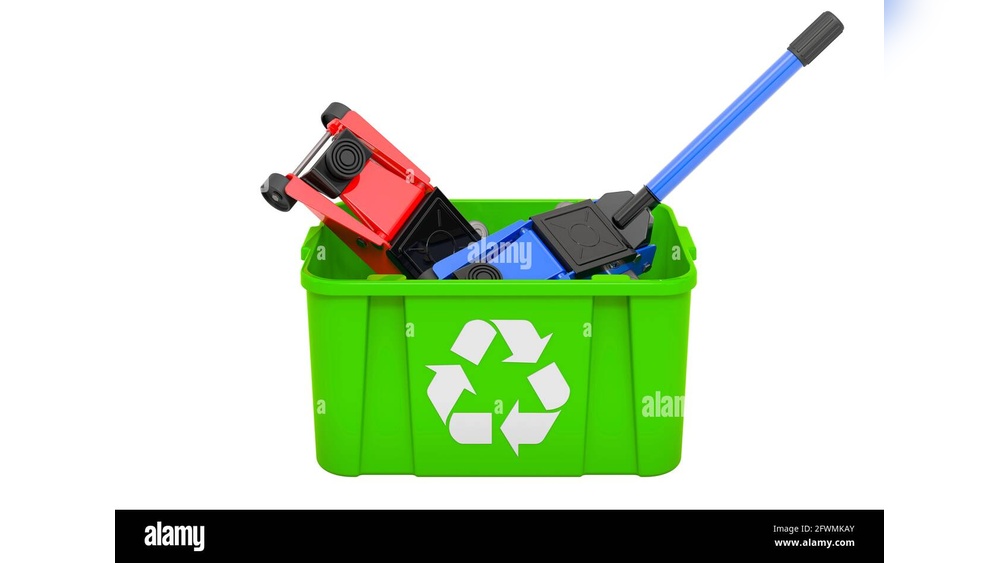
If you have an old floor jack sitting unused in your garage, you might be wondering how to get rid of it responsibly. Recycling a floor jack isn’t just good for the environment—it can also free up space and even save you money.
But where do you start? What parts can be recycled, and how do you handle the fluids inside? You’ll discover simple, step-by-step tips that make recycling your floor jack easy and safe. Keep reading to learn how you can turn this heavy tool into a positive impact for both your home and the planet.

Credit: www.shutterstock.com
Types Of Floor Jacks
Floor jacks come in different types. Each type works in its own way. Knowing the type helps in recycling the jack properly. It also tells which parts can be reused or need special care.
Hydraulic Floor Jacks
Hydraulic floor jacks use fluid pressure to lift heavy loads. They have a pump and fluid inside. The fluid pushes a piston to raise the arm. These jacks are common in car repair shops. Fluid and metal parts need careful recycling. Avoid pouring hydraulic fluid down drains.
Mechanical Floor Jacks
Mechanical jacks use gears and screws to lift. You turn a handle or crank to raise the load. These jacks have fewer parts than hydraulic ones. Mainly made of metal and some plastic. Separate metal parts for scrap recycling. Plastic parts may need special disposal.
Pneumatic Floor Jacks
Pneumatic jacks work with compressed air. Air pressure moves a piston to lift the jack. These jacks need a source of compressed air. They contain metal and some rubber parts. Air tanks and hoses should be handled carefully. Metal parts can be recycled like other jacks.

Credit: www.shutterstock.com
Materials In Floor Jacks
Floor jacks are tools used to lift heavy objects, like cars. They have different parts made from several materials. Knowing these materials helps in recycling the floor jack properly. Each part needs special handling to keep the environment safe.
Metal Components
Most parts of a floor jack are metal. Steel and iron are common metals used. These metals are strong and can hold heavy weight. Metal parts can be melted and reused easily. Recycling metal saves energy and reduces mining.
Hydraulic Fluids
Floor jacks use hydraulic fluid to lift objects. This fluid helps move parts inside the jack smoothly. Hydraulic fluids can be harmful if spilled. Proper collection and recycling prevent pollution. Some centers accept used hydraulic fluids for safe disposal.
Rubber And Plastic Parts
Rubber and plastic parts cover handles and seals. These materials protect the jack and make it easier to use. They do not break down easily in nature. Recycling centers sort these parts to recycle or dispose of them safely.
Preparing Floor Jacks For Recycling
Preparing floor jacks for recycling is an important step. It ensures the process is safe and efficient. Proper preparation helps separate materials and reduces environmental harm.
Start by handling the fluids and parts carefully. This keeps hazardous materials from leaking. Next, break down the jack into smaller pieces. Clean all components to remove dirt and grease. These steps make recycling easier and more effective.
Draining Hydraulic Fluid
Hydraulic fluid is harmful to the environment. Drain it carefully before recycling the floor jack. Use a container to catch the fluid. Dispose of the fluid at a recycling center or hazardous waste facility. Avoid pouring it down drains or on the ground.
Disassembling Parts
Remove all removable parts from the floor jack. Separate metal, plastic, and rubber pieces. Use tools like wrenches or screwdrivers to take the jack apart. Sorting parts by material helps recycling centers process them correctly.
Cleaning Components
Clean each part to remove grease, dirt, and debris. Use soap and water or a degreaser. Dry the pieces before recycling. Clean components improve recycling quality and reduce contamination risks.

Credit: www.dreamstime.com
Where To Recycle Floor Jacks
Recycling a floor jack helps protect the environment and saves resources. Knowing where to recycle it is important. Different places accept floor jacks depending on their materials and condition. Here are some common options for recycling your old or broken floor jack.
Local Scrap Yards
Local scrap yards often accept metal tools like floor jacks. They recycle the metal parts to make new products. Take your floor jack to the yard and ask if they accept hydraulic tools. Some scrap yards may pay you for the metal weight. Remove any non-metal parts before dropping it off.
Automotive Recycling Centers
Automotive recycling centers specialize in vehicle parts and tools. Floor jacks fit well here because they are used in car maintenance. These centers carefully handle hydraulic fluids and metals. They recycle parts safely and prevent pollution. Call ahead to check if they accept floor jacks and learn their drop-off process.
Hazardous Waste Facilities
Floor jacks may contain hydraulic oil, a hazardous material. Hazardous waste facilities handle items with harmful substances. They dispose of oils and chemicals safely. Check with your local hazardous waste center about accepting floor jacks. This ensures toxic materials do not harm the environment.
Safety Tips During Recycling
Recycling a floor jack involves handling materials that can be harmful. Safety is very important throughout the process. Taking proper precautions protects you and the environment. Follow these safety tips to handle the parts and fluids carefully.
Handling Hydraulic Fluids Safely
Hydraulic fluids inside a floor jack can be toxic and flammable. Avoid spilling them on your skin or clothes. Do not inhale fumes from the fluid. Use tools to drain the fluid slowly and carefully. Keep the fluid away from open flames and heat sources.
Using Protective Gear
Wear gloves to protect your hands from cuts and chemicals. Safety goggles shield your eyes from splashes. A mask helps prevent breathing in harmful fumes. Long sleeves and pants reduce skin exposure. Protective gear keeps you safe during every step.
Proper Disposal Of Fluids
Do not pour hydraulic fluid down the drain or on the ground. Collect the fluid in a sealed container. Take it to a recycling center or hazardous waste facility. Proper disposal prevents pollution and health risks. Follow local rules for hazardous waste handling.
Environmental Benefits Of Recycling
Recycling a floor jack has clear environmental benefits. It helps protect nature and saves resources. This process reduces harmful effects on the planet. Small actions like recycling tools can make a big difference.
Reducing Waste In Landfills
Floor jacks contain metal and oil that can harm the earth. Throwing them in landfills adds to waste problems. Recycling keeps these materials out of trash dumps. This lowers the amount of garbage that pollutes soil and water. Less waste means a cleaner environment for everyone.
Conserving Natural Resources
Metals used in floor jacks come from the earth. Mining these metals uses energy and damages nature. Recycling recovers metals so new mining is less needed. This saves forests, water, and energy. Using recycled metal helps preserve the planet’s natural resources.
Lowering Pollution
Making new metal parts causes pollution in air and water. Recycling floor jacks uses less energy and creates less pollution. It reduces harmful gases that cause climate change. Cleaner air and water improve health for people and animals. Recycling is a simple step to reduce pollution levels.
Frequently Asked Questions
How Do I Prepare A Floor Jack For Recycling?
First, drain all hydraulic fluid safely. Remove any batteries if electric. Clean the jack to prevent contamination. Separate metal parts from plastic components for easier recycling.
Where Can I Recycle An Old Floor Jack?
Check local scrap metal yards or recycling centers. Some automotive shops accept old equipment. Verify if your community has special hazardous material disposal events.
Can Floor Jacks Be Recycled With Regular Metal Scrap?
Yes, most floor jacks are primarily metal and can be recycled as scrap. Remove non-metal parts and fluids before recycling to meet facility requirements.
Is It Safe To Recycle Hydraulic Fluid From Floor Jacks?
No, hydraulic fluid should be handled as hazardous waste. Take it to a designated disposal site or hazardous waste collection center. Never pour it down drains or soil.
Conclusion
Recycling a floor jack helps protect the environment and saves resources. Separate metal parts and fluids carefully for safe disposal. Many recycling centers accept old tools and equipment. Taking small steps makes a big difference for our planet. Remember to follow local rules when recycling your floor jack.
It’s easy, responsible, and good for the future. Doing your part keeps landfills smaller and reduces waste. Start recycling today to help build a cleaner world. Simple actions create lasting change.