Are you unsure about how big a hole you need to drill for a wall anchor? Getting the size wrong can cause your anchor to fail, leaving your shelves or decorations unstable.
But don’t worry—this guide will clear up the confusion and help you choose the perfect hole size every time. Keep reading to learn simple tips that will make your next project stronger and safer.

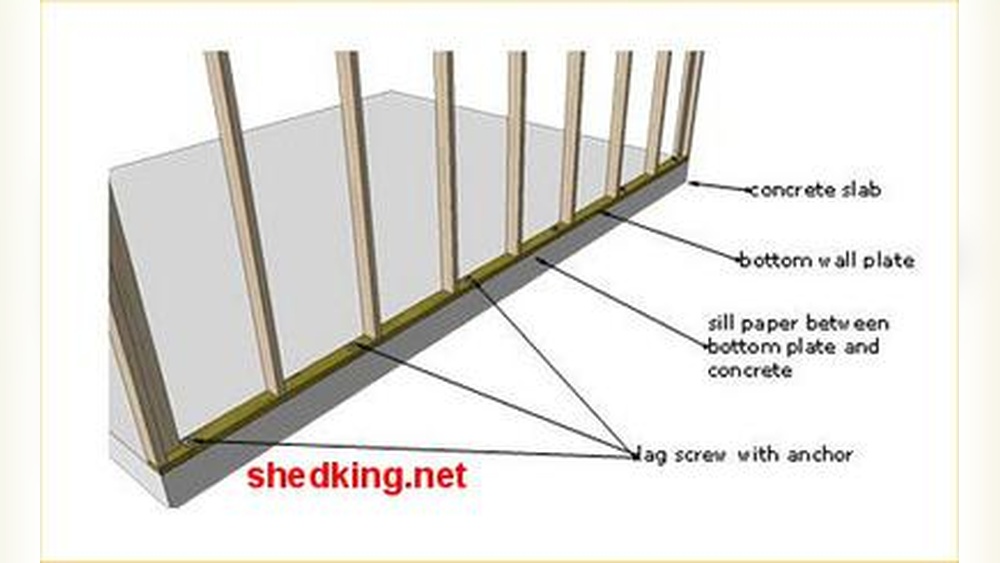
Credit: diy.stackexchange.com
Choosing Wall Anchors
Choosing the right wall anchor is key to a strong hold. The anchor must fit the hole size and the wall type. A wrong choice can cause damage or failure. Understanding the types, materials, and matching anchors to walls helps you decide well.
Types Of Wall Anchors
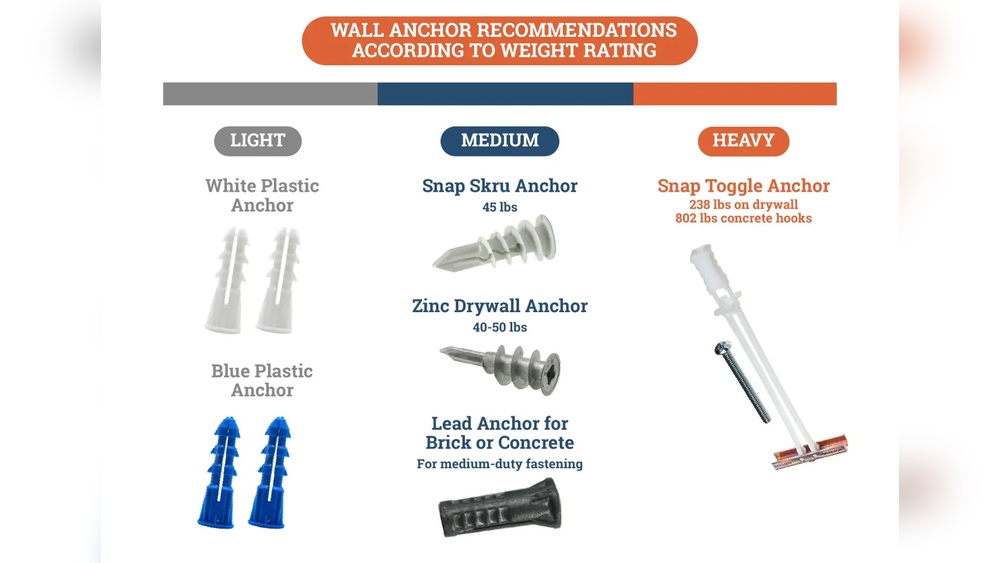
There are several wall anchor types for different needs. Plastic expansion anchors work well for light loads. Metal anchors offer more strength and durability. Toggle bolts spread the load across a larger area. Each type suits specific weight and wall conditions.
Anchor Material And Strength
Anchor materials affect their holding power. Plastic anchors are good for light tasks. Metal anchors hold heavier items securely. Some anchors have coatings to resist rust. Choose a material that matches the load and environment.
Matching Anchors To Wall Types
Walls vary from drywall, plaster, concrete to brick. Drywall needs anchors that expand behind the wall. Concrete and brick require anchors that grip solid surfaces. Using the correct anchor for the wall ensures safety and durability.

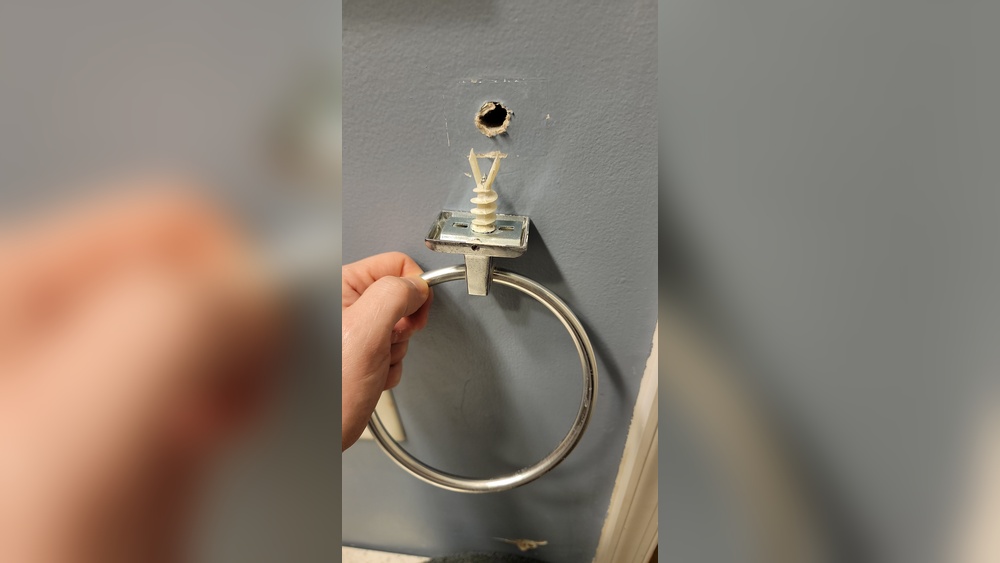
Credit: www.reddit.com
Determining Hole Size
Determining the right hole size for a wall anchor is crucial. A proper hole ensures the anchor holds firmly. Too small a hole can break the anchor during insertion. Too large, and the anchor won’t grip well. Careful measurement and adjustment make a big difference.
Anchor Diameter Guidelines
Start by checking the anchor’s diameter. The hole should match this size closely. Many anchors list the needed drill bit size on the package. Use this as your primary guide. This size allows the anchor to fit snugly and expand properly inside the wall.
Adjusting For Wall Material
Wall type affects hole size choice. Soft materials like drywall need a slightly smaller hole. This helps the anchor grip tightly. Hard materials like concrete or brick require a precise hole size. Drilling a hole that is too large weakens the anchor’s hold. Adjust drilling depth based on wall thickness too.
Considering Screw Size
The screw size matters as well. The screw diameter should be smaller than the anchor’s inner hole. This allows the screw to expand the anchor safely. If the screw is too big, it can crack the anchor. Choose screws that fit the anchor’s specifications for best results.
Drilling Techniques
Drilling the correct hole size for a wall anchor is key for a strong hold. Proper drilling techniques help avoid wall damage and ensure the anchor fits well. The right approach makes the job easier and safer.
Selecting The Right Drill Bit
Choose a drill bit that matches the wall anchor size exactly. For masonry walls, use a carbide-tipped bit. Wood walls need a standard twist bit. Metal requires a cobalt or titanium bit. The correct bit prevents wall cracks and ensures a snug fit.
Drill Speed And Pressure
Use slow to medium drill speed for most materials. High speed can cause overheating and damage the bit or wall. Apply steady pressure, not too hard or too soft. Let the drill bit do the work. Too much force can break the wall or bit.
Ensuring Straight Holes
Hold the drill perpendicular to the wall surface. A crooked hole weakens the anchor hold. Mark the spot clearly before drilling. Start with a small pilot hole for better accuracy. Check the hole angle as you drill to keep it straight.
Credit: www.youtube.com
Common Mistakes To Avoid
Choosing the right hole size for wall anchors is key for strong support. Mistakes in hole sizing can cause anchors to fail or damage walls. Avoid these common errors to ensure a secure hold and protect your walls.
Oversized Holes
Holes too big make anchors loose. Loose anchors cannot hold weight properly. The wall may crack or crumble around the hole. This reduces the anchor’s grip and strength. Always match the hole size to the anchor’s diameter.
Undersized Holes
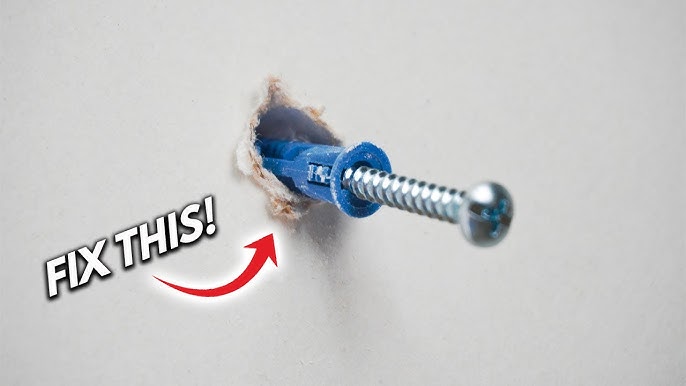
Holes too small make inserting anchors hard. Forcing anchors can break them or damage the wall. It may also prevent the anchor from expanding fully. Drill holes according to the anchor’s exact size. This helps the anchor fit snugly without damage.
Ignoring Wall Condition
Different walls need different hole sizes. Soft drywall requires different anchors than brick or concrete. Old or damaged walls may need special care. Check the wall type and condition before drilling. This ensures the anchor and hole size work well together.
Testing Anchor Strength
Testing anchor strength is important to ensure wall anchors hold securely. Proper testing avoids accidents and damage. It helps to check if the anchor will support the load safely. Different methods show how strong the fixing really is. Knowing the signs of weak fixing can save time and effort. Reinforcement may be needed to improve safety.
Pull Test Methods
Pull tests measure how much force an anchor can handle. Use a spring scale or a pull tester tool. Attach the tool to the anchor and pull slowly. Note the force at which the anchor moves or fails. Repeat the test a few times for accuracy. This method shows if the hole size and anchor type match well.
Signs Of Weak Fixing
Look for cracks around the hole or anchor shift. Loose or wobbly anchors indicate weak fixing. Walls may show small dust or debris falling near the anchor. Screws may spin without gripping tightly. Early signs warn that the anchor may fail under load. Check these signs before hanging heavy items.
When To Reinforce
Reinforce anchors if tests show low strength. Use larger anchors or fill the hole with epoxy. Switch to a different type of anchor for better hold. Reinforce if the wall material is crumbly or weak. Always reinforce if the load is heavy or critical. Safety depends on a strong and stable anchor.
Tips For Different Wall Materials
Choosing the right hole size for wall anchors depends on the wall material. Different walls require different approaches. The right fit ensures a strong hold and prevents damage.
Below are tips for common wall types. These will help you pick the correct hole size and anchor type.
Drywall Anchors
Drywall is soft and fragile. Use anchors made for drywall only. Drill a hole slightly smaller than the anchor’s body. This helps the anchor grip tightly. Avoid making the hole too big. It weakens the wall and reduces holding power.
Concrete And Masonry
Concrete walls are hard and dense. Use a hammer drill for holes. Choose a drill bit matching the anchor size exactly. A tight fit is crucial here. The anchor expands inside the hole, gripping the wall firmly. Too large a hole causes the anchor to slip.
Plaster Walls
Plaster walls are delicate and can crack easily. Drill a small pilot hole first. Use anchors designed for plaster or hollow walls. The hole should be just large enough for the anchor. This prevents damage and ensures a secure hold. Avoid forcing large anchors into plaster walls.
Frequently Asked Questions
What Size Hole For A Wall Anchor Should I Drill?
Drill a hole matching the wall anchor’s diameter exactly. This ensures a tight fit and strong hold. Check the anchor packaging for recommended drill bit size.
How Deep Should The Hole Be For A Wall Anchor?
Make the hole slightly deeper than the anchor’s length. This allows the anchor to fit fully and expand properly inside the wall.
Can A Hole Be Too Big For A Wall Anchor?
Yes, a hole too large weakens anchor grip. The anchor may slip or fail to hold the load securely.
How To Choose The Right Drill Bit For Wall Anchors?
Select a drill bit matching the anchor diameter. Use masonry bits for concrete or brick, and standard bits for drywall.
Conclusion
Choosing the right hole size for a wall anchor is very important. A hole too big or too small can cause problems. The anchor must fit snugly to hold weight safely. Always check the anchor instructions for the correct drill size.
Take your time to measure and drill carefully. This helps your anchor stay strong and your wall secure. Small effort now saves big trouble later. Keep these tips in mind for a safe, easy project.