If you’ve ever tried to hang something heavy on a brick wall, you know it’s not as simple as just drilling a hole. Without the right technique, your anchor might slip, crack the brick, or fail to hold your item securely.
But don’t worry—this guide will show you exactly how to anchor into a brick wall the right way. By following a few easy steps, you’ll ensure your fixtures stay safe and strong. Keep reading, and you’ll gain the confidence to tackle this task like a pro, saving you time, effort, and frustration.
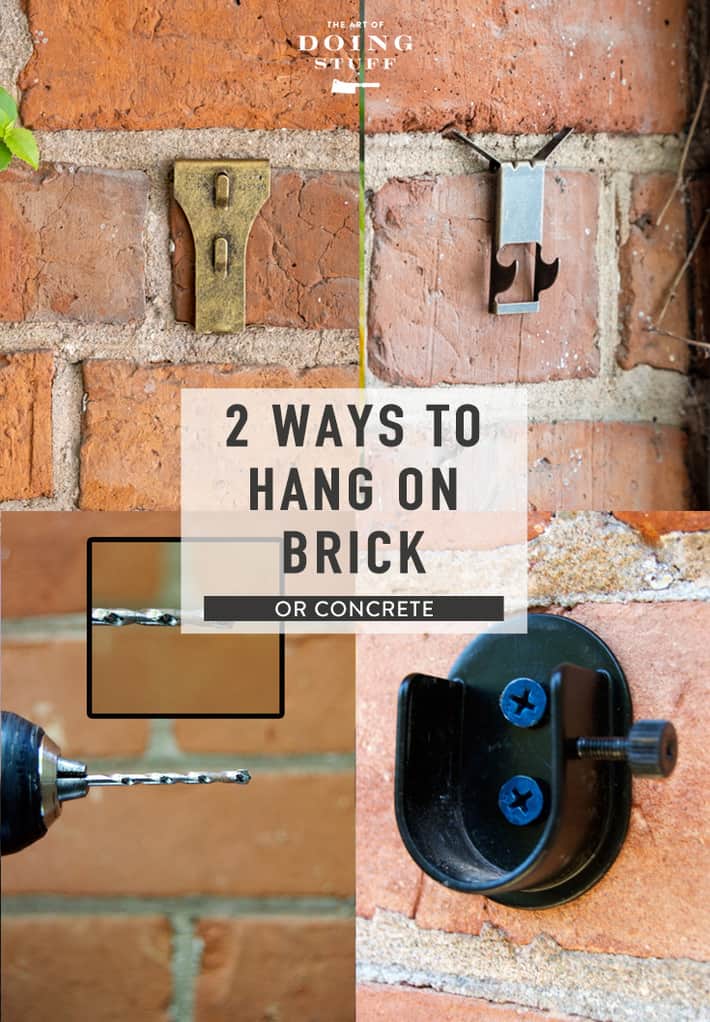
Credit: www.theartofdoingstuff.com
Choosing The Right Anchor
Choosing the right anchor is key to secure attachments in brick walls. The correct anchor provides strength and safety. It also prevents damage to the wall and the item being fixed. Understanding different anchor types helps in selecting the best fit for your project.
Types Of Anchors For Brick Walls
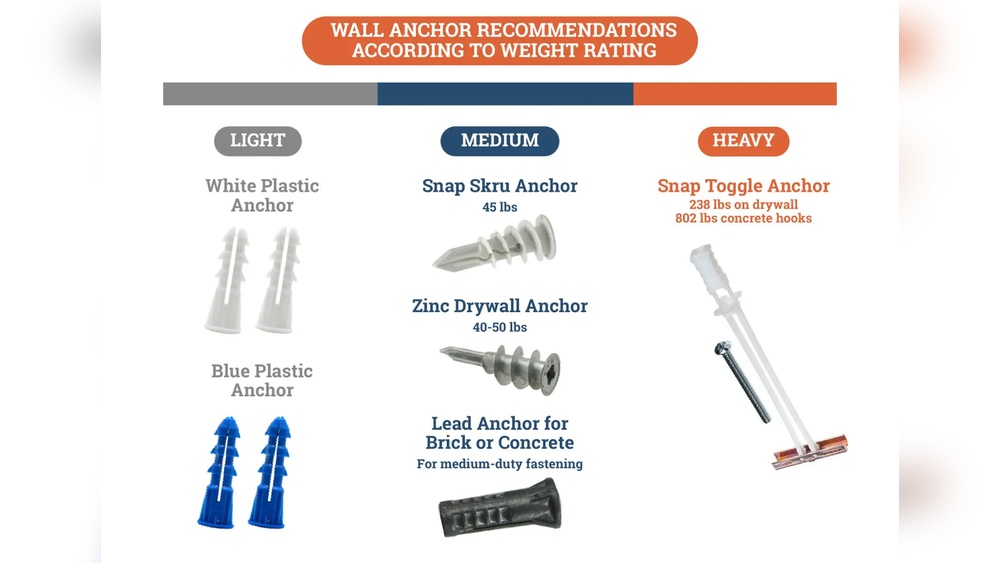
Plastic anchors are common and easy to use. They work well for light loads and small holes. Metal anchors offer more strength and durability. Sleeve anchors expand inside the hole for a firm grip. Wedge anchors are strong and good for heavy loads. Masonry screws are simple and fast for medium loads.
Factors To Consider For Selection
Load weight is the first factor to check. Heavier loads need stronger anchors. The brick type matters too. Some anchors fit better in soft bricks, others in hard bricks. Hole size and depth must match the anchor size. Weather conditions can affect the anchor’s material choice. Choose corrosion-resistant anchors for outdoor use. Finally, think about the tool you have for installation.

Credit: www.wikihow.com
Preparing The Brick Wall
Preparing the brick wall is the first step to secure anchors properly. This step ensures safety and durability. A well-prepared wall supports heavy loads without damage.
Take time to check the wall carefully. Mark the exact points for drilling. These small actions make a big difference in the final result.
Inspecting The Wall Condition
Start by checking the wall surface. Look for cracks, loose bricks, or crumbling mortar. These issues weaken the wall and reduce anchor strength.
Tap the bricks gently with a hammer. Listen for hollow sounds. Hollow areas mean the brick is damaged inside. Avoid these spots for anchoring.
Check the wall moisture. Wet bricks do not hold anchors well. Let the wall dry completely before drilling.
Marking Anchor Points
Use a pencil or chalk to mark drilling spots. Measure twice to ensure accuracy. Incorrect marks cause weak fixing or wall damage.
Keep marks level and spaced according to the anchor size. Use a spirit level to keep lines straight. Proper spacing prevents cracks in the wall.
Double-check the marks before drilling. Correct placement saves time and effort. It also ensures the anchored item fits perfectly.
Drilling Into Brick
Drilling into brick is a crucial step when anchoring into a brick wall. It creates a hole for the anchor to fit securely. This process requires the right tools and careful technique. Proper drilling ensures strong support and prevents damage to the brick.
Selecting The Drill Bit
Choose a drill bit made for masonry work. Carbide-tipped bits work best for brick. Pick a size that matches the anchor diameter. Using the correct bit size prevents loose or tight holes. Avoid using wood or metal bits to drill brick.
Drilling Technique Tips
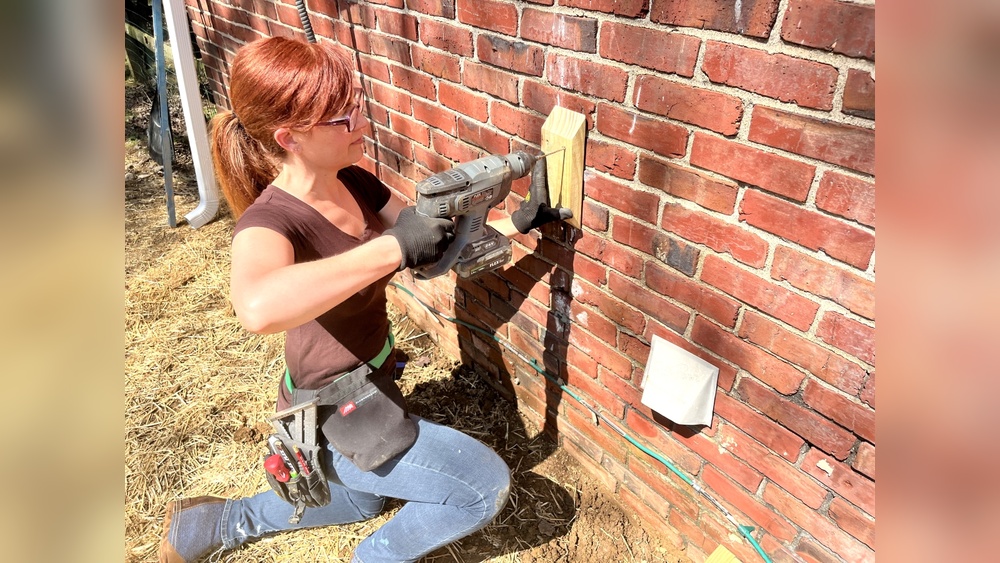
Mark the exact spot on the brick before drilling. Use a hammer drill for easier, cleaner holes. Start drilling at a slow speed to avoid cracking. Keep the drill straight and steady throughout the process. Pull out the bit often to clear dust from the hole. Stop drilling once you reach the needed depth. Wear safety glasses to protect your eyes from debris.
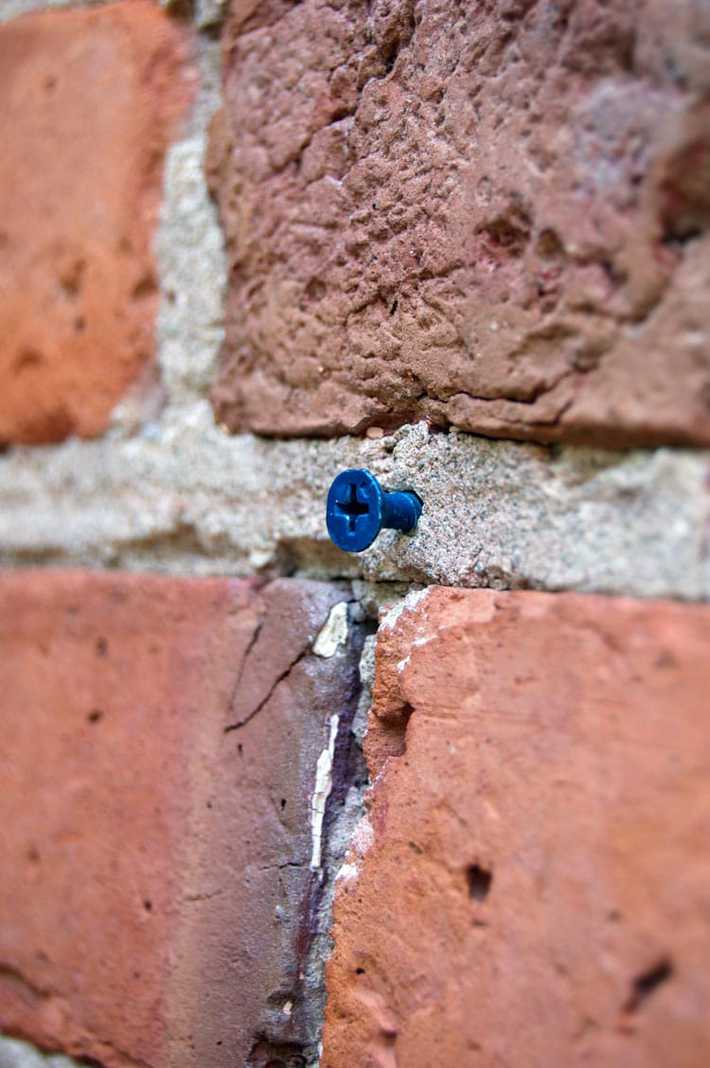
Credit: www.theartofdoingstuff.com
Installing The Anchor
Installing anchors into a brick wall requires care and precision. The right method depends on the type of anchor you use. Proper installation ensures a strong and lasting hold. Below are simple steps for common anchors.
Inserting Plastic And Sleeve Anchors
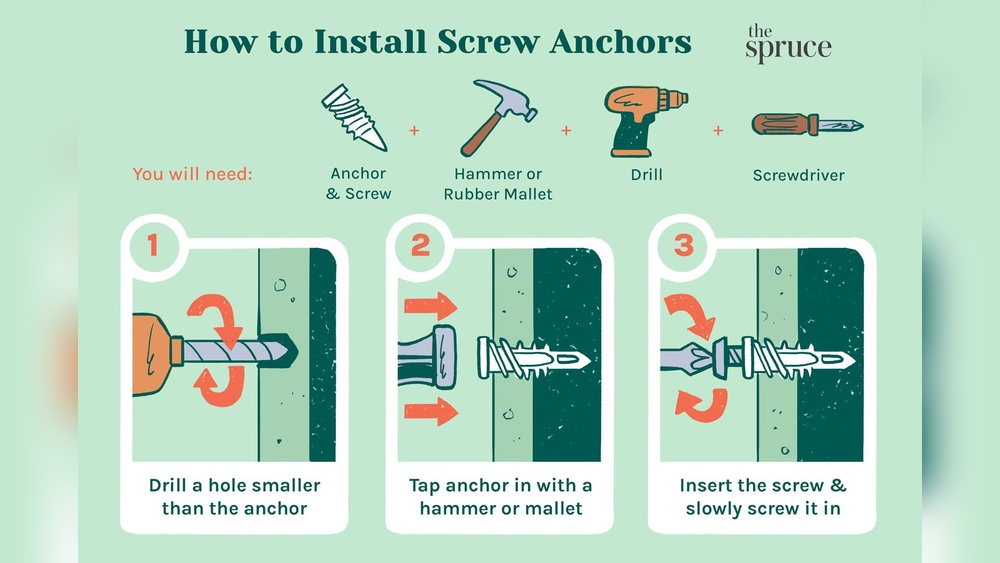
First, drill a hole slightly larger than the anchor diameter. Clean out dust and debris from the hole. Next, tap the plastic or sleeve anchor gently into place. The anchor should fit snugly without forcing. Once inserted, screw in the bolt or screw to expand the anchor. This expansion grips the brick firmly.
Using Expansion Bolts
Start by drilling a hole deep enough for the expansion bolt. Remove dust from inside the hole carefully. Insert the expansion bolt fully into the hole. Tighten the nut slowly with a wrench. As you tighten, the bolt expands inside the brick. This creates a secure and strong hold.
Securing Hammer Drive Anchors
Drill a hole that matches the anchor size. Clear dust to allow proper anchor seating. Insert the hammer drive anchor into the hole. Use a hammer to tap the pin until it is flush. The pin forces the anchor to expand inside the brick. This locks the anchor firmly in place.
Ensuring Strong Fixings
Ensuring strong fixings is key to safe and lasting anchors in brick walls. Poor fixings can cause damage or failure. Proper steps help secure your anchor firmly. This section shows how to check stability and avoid mistakes.
Checking Anchor Stability
Test the anchor by gently pulling after installation. It should not move or loosen. If there is movement, remove it and try again. Check the wall for cracks or crumbling around the hole. Solid brick holds anchors better than weak brick. Use a screwdriver to tighten screws slowly. Stop if the brick starts to crack. Strong fixings must hold steady under pressure.
Avoiding Common Mistakes
Do not use anchors that are too small or weak. Choose the right size for the load you expect. Avoid drilling holes too deep or wide. This weakens the brick and reduces grip. Clean out dust from the hole before inserting the anchor. Dust stops the anchor from fitting tightly. Never reuse old anchors or screws. Always replace with new parts for better safety.
Maintenance And Safety Tips
Maintaining anchors in a brick wall is essential for safety and long-term use. Proper care keeps the anchors strong and prevents accidents. Understanding simple maintenance and safety tips helps protect your wall and everything attached to it.
Regular Inspections
Check anchors often for signs of wear or damage. Look for cracks, rust, or loose parts around the anchor. Early detection helps fix problems before they get worse. Use a flashlight to see inside holes and behind fixtures. Replace any weak or damaged anchors immediately to keep the wall secure.
Handling Heavy Loads Safely
Know the weight limit of your anchors before hanging items. Do not overload the anchors beyond their capacity. Use multiple anchors for very heavy objects to spread the weight. Tighten all screws firmly, but avoid over-tightening, which can damage the brick. Always use the right type of anchor for the load and wall type to ensure safety.
Frequently Asked Questions
What Tools Are Needed To Anchor Into A Brick Wall?
You need a drill, masonry bit, anchors, screws, a hammer, and a screwdriver. These tools ensure a secure and precise installation.
How Do You Choose The Right Anchor For Brick Walls?
Select anchors based on wall thickness and load weight. Common types include sleeve anchors, wedge anchors, and masonry screws.
Can You Anchor Into Old Or Brittle Brick Walls?
Yes, but use lighter anchors and avoid heavy loads. Test the brick’s strength before drilling to prevent damage.
What Is The Step-by-step Process To Anchor Into Brick?
Drill a hole, clean debris, insert the anchor, tap it in, and tighten the screw. Follow manufacturer instructions for best results.
Conclusion
Anchoring into a brick wall is simple with the right steps. Choose the correct anchor type for your task. Drill carefully and clean the hole before inserting anchors. Tighten screws gently to avoid damage. Always check the wall’s condition first.
These tips help secure items safely and last long. Practice makes the process easier and more confident. Now, you can hang shelves, pictures, or lights firmly on brick walls. Give it a try and see the results yourself. Safe and strong anchoring is within your reach.