When you’re hanging something on your wall, the last thing you want is for it to come crashing down. Choosing the right wall anchor length is key to making sure your items stay secure and your walls stay safe.
But how long should a wall anchor be? If you’ve ever wondered whether a longer anchor means better support or if shorter ones are enough, you’re not alone. You’ll discover the simple rules that help you pick the perfect wall anchor length for your needs.
Keep reading, and you’ll learn how to avoid common mistakes that could cost you time, money, and frustration.
Credit: www.homedepot.com
Types Of Wall Anchors
Wall anchors hold screws tightly in walls. They stop screws from falling out. Different walls need different anchors. Choosing the right type ensures strong support. Here are common types of wall anchors.
Plastic Expansion Anchors
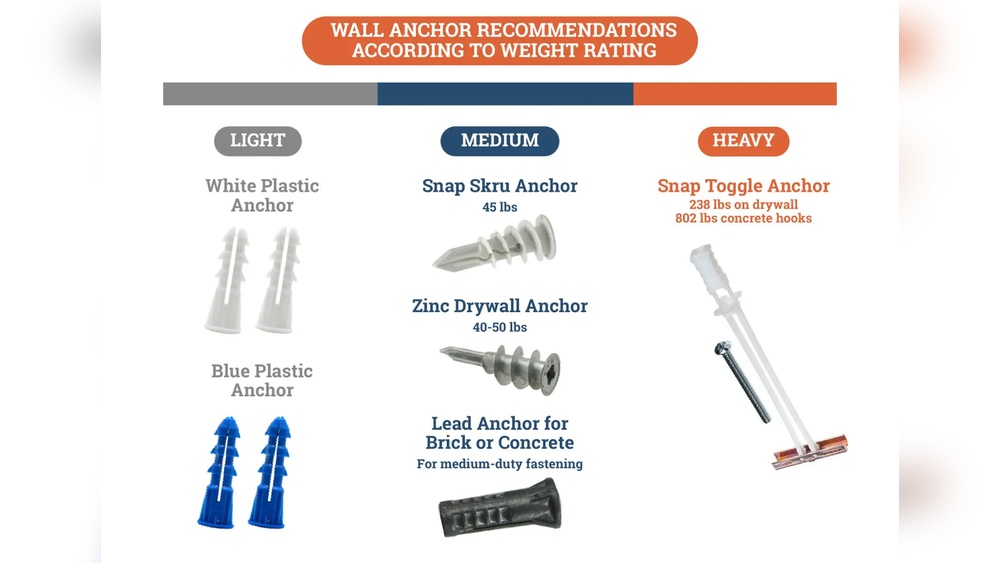
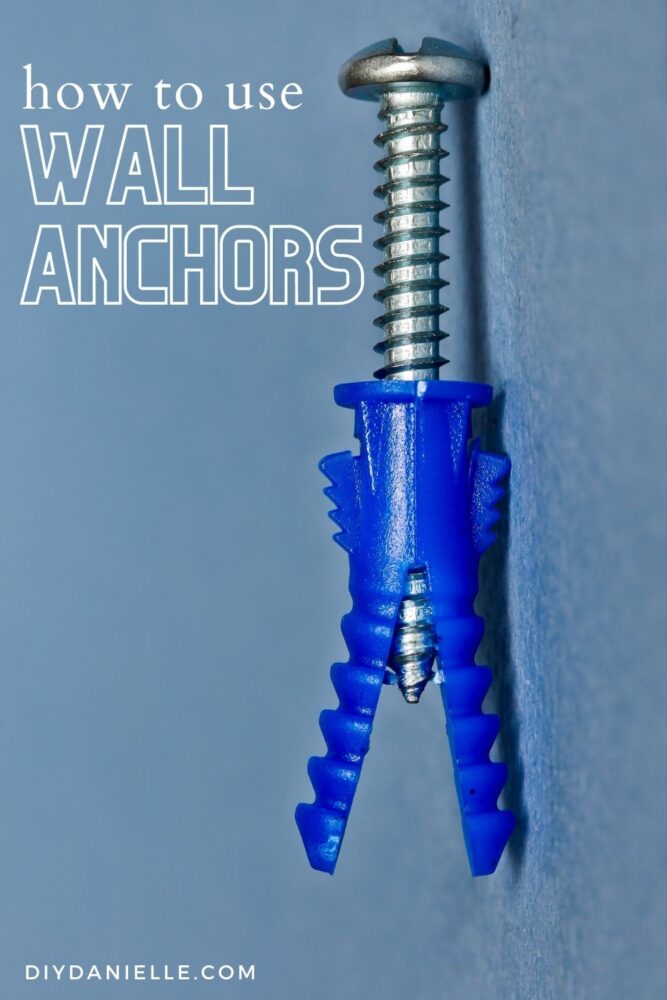
Plastic expansion anchors are simple and common. They work well in drywall and plaster. Insert the anchor into a drilled hole. The screw expands the anchor inside the wall. This creates a firm grip. Best for light to medium loads.
Toggle Bolts
Toggle bolts have wings that open inside the wall. Push the bolt through a hole. The wings spread wide behind the drywall. This spreads the load over a large area. Good for heavy items and hollow walls. They require larger holes to install.
Molly Bolts
Molly bolts are metal anchors with expandable sleeves. Insert the bolt and tighten it slowly. The sleeve expands and grips the wall firmly. They hold heavy objects with strong support. Suitable for drywall and plaster walls.
Self-drilling Anchors
Self-drilling anchors look like screws with wide threads. No pre-drilling needed. Twist them directly into drywall. The wide threads create strong holding power. Great for medium loads. Easy and quick to install.
Factors Influencing Anchor Length
Choosing the right length for a wall anchor depends on several important factors. These factors help ensure the anchor holds securely and lasts long. Understanding them helps you pick the best anchor for your wall and load.
Wall Material
The type of wall affects the anchor length. Drywall needs shorter anchors than concrete or brick. Solid walls require longer anchors to grip tightly inside the material. Hollow walls need special anchors that spread inside the cavity. Always match anchor length to wall type.
Load Requirements
The weight you want to hold changes anchor length. Heavy items need longer anchors for stronger hold. Light objects can use shorter anchors. More load means deeper anchor placement. This prevents the anchor from pulling out or failing.
Anchor Diameter
Thicker anchors usually need to be longer. A bigger diameter means more surface area holds the wall. This adds strength but also requires more depth. Thin anchors work with less length but hold less weight. Diameter and length must balance for best support.
Depth Of The Wall
The wall thickness limits anchor length. Too long anchors may go through the wall. Too short anchors may not hold well. Measure wall depth before choosing anchor size. The anchor must fit fully inside the wall for safety.
Choosing The Right Anchor Length
Choosing the right anchor length is key for secure wall mounting. The length affects the strength and safety of the anchor. Too short, and it may not hold well. Too long, and it might damage the wall or be hard to install. Consider several factors to pick the best anchor length for your project.
Understanding the load, wall thickness, and safety margin helps decide the anchor length. Each factor plays a role in ensuring the anchor stays firm and supports the weight safely.
Matching Anchor To Load Type
Different loads need different anchor lengths. Light loads like pictures need shorter anchors. Heavy loads like shelves or TVs need longer anchors. The anchor must reach deep enough to hold the weight without pulling out. Know the weight and type of load before choosing the anchor length.
Considering Wall Thickness
Wall thickness affects how long the anchor should be. Thin walls need shorter anchors to avoid breaking through. Thick walls need longer anchors to hold firmly. Measure the wall depth carefully. The anchor must go through the drywall and into the solid part behind it.
Safety Margins
Always add a safety margin to the anchor length. This means choosing an anchor slightly longer than the minimum needed. The extra length helps handle unexpected forces and keeps the anchor secure. Safety margins prevent damage and improve long-term holding power.
Measuring Wall Thickness Accurately
Measuring wall thickness accurately is key when choosing the right wall anchor length. The anchor must fit well to hold weight safely. Too short or too long anchors cause problems. Getting the exact wall thickness helps pick the perfect anchor size. This ensures strong and secure mounting for shelves, mirrors, or other items.
Different walls have different materials inside. Drywall, plaster, and brick each need unique measuring methods. Use these simple techniques to find the correct thickness before buying anchors.
Using Stud Finders
Stud finders detect wooden or metal studs behind walls. Place the stud finder flat against the wall. Slowly move it side to side. It beeps or lights up when it finds a stud.
Studs are usually 1.5 inches thick. Knowing their location helps estimate wall thickness. This tool works best for drywall walls. It shows where the anchor can hold firmly.
Drill Test Holes
Drilling small test holes reveals wall depth. Use a thin drill bit to make a tiny hole. Stop when you feel less resistance or hit a stud. Measure the hole depth with a tape or ruler.
This method gives a direct reading of wall thickness. Avoid large holes to keep walls neat. Test holes work on many wall types, including plaster and drywall.
Consulting Building Plans
Building plans contain detailed wall measurements. Check these documents if available. They show wall layers and thickness precisely. Plans often include materials used inside walls.
This option saves time and effort. It is reliable for new or remodeled homes. Use it to confirm measurements found by other methods.
Installation Tips For Optimal Support
Installing wall anchors correctly is key for strong, lasting support. Proper steps ensure the anchor holds firmly and prevents damage. Follow these tips to get the best results every time.
Pre-drilling Techniques
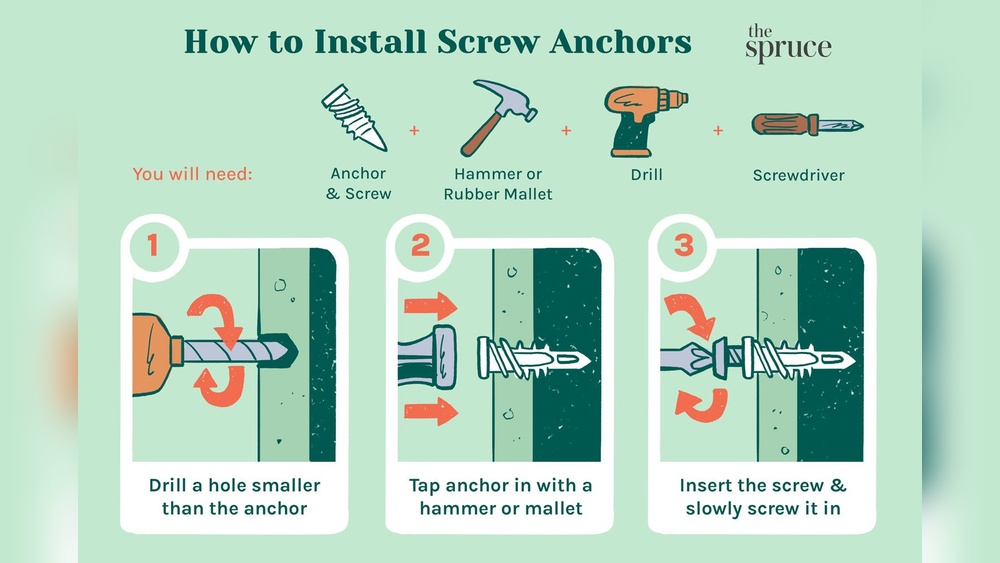
Always drill a pilot hole before inserting the anchor. Use a drill bit that matches the anchor size. Drill straight and at the right depth. This helps the anchor fit snugly and hold better.
Proper Anchor Placement
Place anchors away from edges and joints in the wall. This avoids cracks or weak spots. Measure carefully to ensure the anchor is in the strongest area. Keep enough space between multiple anchors for better support.
Avoiding Common Mistakes
Do not force anchors into holes that are too small. Avoid using anchors in damaged or crumbly walls. Check the anchor length matches the wall thickness. Using the wrong size reduces holding power and safety.

Credit: www.wikihow.com
Signs Of Incorrect Anchor Length
Choosing the right length for a wall anchor is important. Using an anchor that is too short or too long can cause problems. These problems show clear signs. Recognizing these signs helps fix issues early.
Loose Fixtures
Fixtures may wobble or shift if the anchor is too short. The anchor does not hold the weight properly. This makes shelves, hooks, or pictures unsafe. Loose fixtures often mean the anchor is not deep enough.
Wall Damage
Cracks or holes around the anchor indicate damage. A wrong anchor length can crack the wall. The anchor might push or pull the wall surface. This causes the paint or plaster to break or fall off.
Anchor Pullout
The anchor may pull out of the wall under stress. This happens if the anchor is too short or weak. Pullout leaves a large hole and damages the wall. It also makes the fixture fall suddenly, risking injury or damage.
Tools Needed For Anchor Installation
Installing wall anchors requires the right tools. These tools help ensure the anchor fits securely and holds weight properly. Using proper tools makes the job easier and safer. Below are the main tools needed for anchor installation.
Drills And Bits
A drill is essential for making holes in the wall. Choose a drill bit that matches the anchor size. The bit should create a hole just big enough for the anchor. Using the correct drill bit prevents damage to the wall.
Measuring Tools
Accurate measurements keep anchors in the right spot. A tape measure or ruler helps measure distances on the wall. Mark the drill points carefully before drilling. Proper measuring avoids mistakes and keeps the project neat.
Screwdrivers And Wrenches
Screwdrivers tighten screws into the anchors. Use the right type: flathead or Phillips, depending on the screw. Wrenches help with anchors that need nuts or bolts. These tools ensure the anchor holds firmly in place.
Credit: diydanielle.com
Maintenance And Inspection
Proper maintenance and inspection of wall anchors ensure safety and long-lasting support. Anchors can loosen or wear out over time. Regular care helps prevent accidents and damage to walls. It also keeps your fixtures secure.
Regular Checks
Check wall anchors often to spot problems early. Look for cracks, rust, or any movement. Test if the anchor holds firm by gently tugging the fixture. Frequent inspections catch issues before they worsen.
Reinforcing Loose Anchors
Loose anchors need immediate attention. Tighten screws or bolts carefully. If the anchor moves, add extra support like a larger anchor or brace. Strengthening weak points stops future failures.
Replacing Damaged Anchors
Remove anchors that show signs of damage. Use new anchors suitable for your wall type. Ensure the new anchor fits well and holds tightly. Replacing damaged anchors keeps your setup safe and stable.
Frequently Asked Questions
How Long Should A Wall Anchor Be For Drywall?
A wall anchor for drywall should be at least 1. 5 to 2 inches long. This length ensures secure grip without damaging the wall. Longer anchors provide better support for heavier items. Always match anchor length to wall thickness and weight of the object.
What Determines The Ideal Wall Anchor Length?
The ideal wall anchor length depends on wall thickness and load weight. Thicker walls and heavier objects need longer anchors for proper support. Also, consider the anchor type and material. Proper length prevents damage and ensures secure mounting.
Can Too Long Wall Anchors Cause Problems?
Yes, too long wall anchors can damage walls or fail to secure properly. Excess length may puncture wiring or plumbing behind walls. Use an anchor length that matches wall thickness and mounting needs. Proper sizing ensures safety and effectiveness.
How To Choose The Right Wall Anchor Size?
Choose a wall anchor size based on weight, wall material, and thickness. Check manufacturer guidelines for anchor length and diameter. Select anchors that fit snugly without excessive force. Correct size ensures stability and prevents wall damage.
Conclusion
Choosing the right length for a wall anchor matters a lot. Too short, and it won’t hold well. Too long, and it might damage the wall. Always match the anchor length to the wall thickness and the item’s weight. This keeps your installation safe and strong.
Remember, simple steps make big differences. Use the right tools, measure carefully, and check your work. This way, your wall anchors last longer and hold better. Safe walls mean happy homes.