Are you ready to tackle a project that involves a masonry wall but unsure how to securely anchor into it? Getting the right technique can make all the difference between a strong, lasting hold and a frustrating, unsafe fix.
Whether you’re hanging heavy shelves, mounting a TV, or installing outdoor fixtures, understanding how to anchor into masonry walls is key to success. Keep reading, and you’ll discover simple, effective steps that will give you confidence and ensure your work stands the test of time.
Credit: www.theartofdoingstuff.com
Choosing The Right Anchor
Choosing the right anchor is key to a strong hold in a masonry wall. The correct anchor ensures safety and durability. It prevents damage to the wall and the object you attach. Understanding different anchors helps pick the best one for your project.
Types Of Masonry Anchors
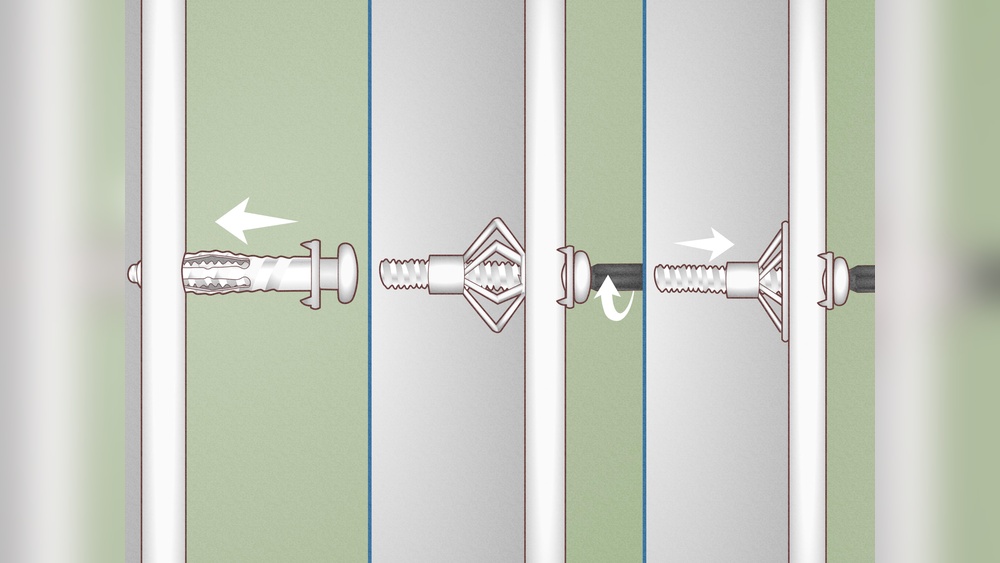
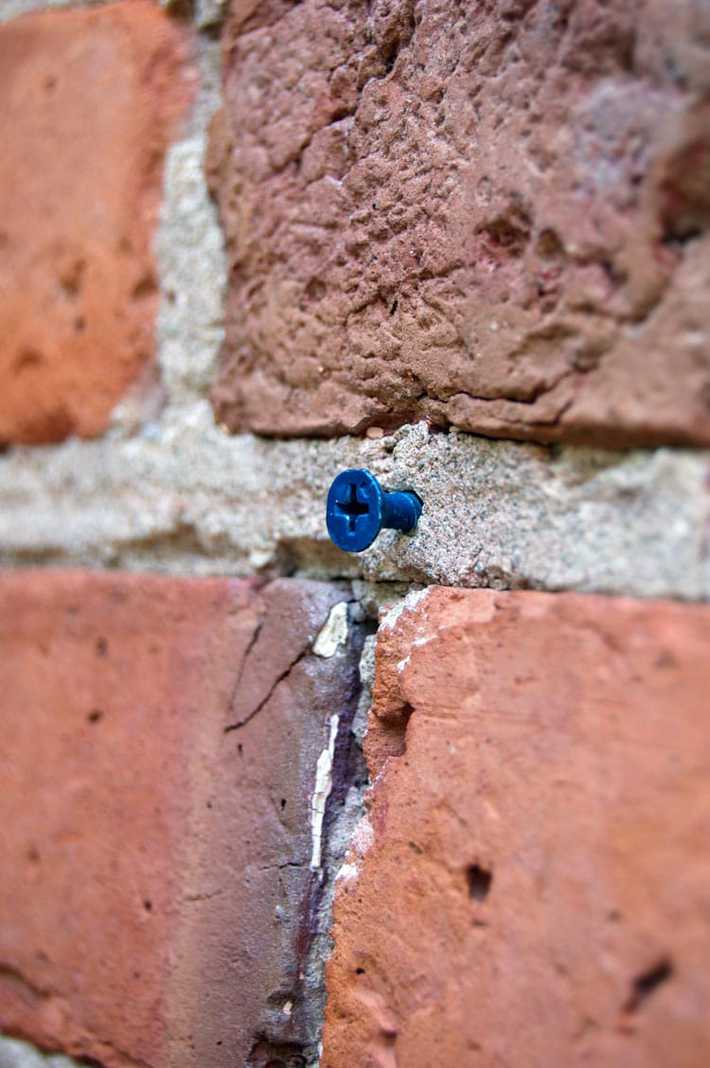
There are several types of anchors for masonry walls. Expansion anchors spread inside the hole to hold tight. Sleeve anchors use a metal sleeve that expands when tightened. Wedge anchors lock into place with a wedge that grips the wall. Tapcon screws drill directly into the masonry and hold firmly.
Each type works best for specific wall materials and weights. Knowing the right anchor type makes the job easier and safer.
Factors To Consider
Consider the wall material before choosing an anchor. Brick, concrete, and stone all need different anchors. The weight of the object also matters. Heavy items need stronger anchors that hold more weight. The environment matters too. Outdoor anchors should resist rust and weather damage.
Always check the anchor’s load rating. Use anchors rated for more weight than your object to ensure safety.
Anchor Material Options
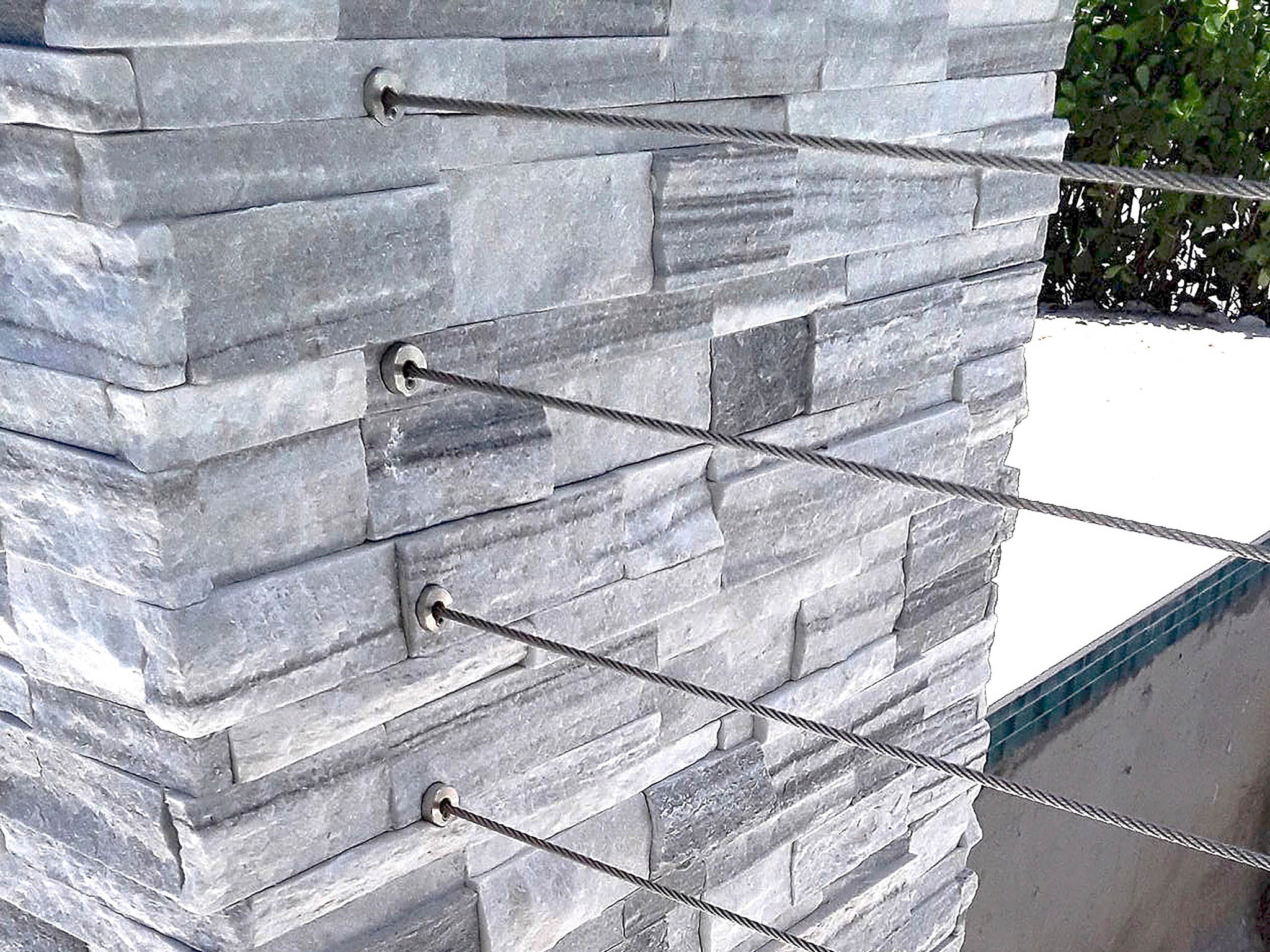
Anchor materials affect strength and durability. Zinc-plated anchors resist rust but suit dry areas. Stainless steel anchors resist rust and corrosion well. They work best in wet or outdoor settings. Carbon steel anchors are strong but can rust quickly. Choose material based on the wall’s location and weather conditions.
Good material choice extends the anchor’s life and keeps your project secure.
Tools Needed For Anchoring
Anchoring into a masonry wall requires specific tools to ensure a strong and secure hold. The right tools make the job easier and safer. Below are the essential tools you will need for anchoring.
Drills And Bits
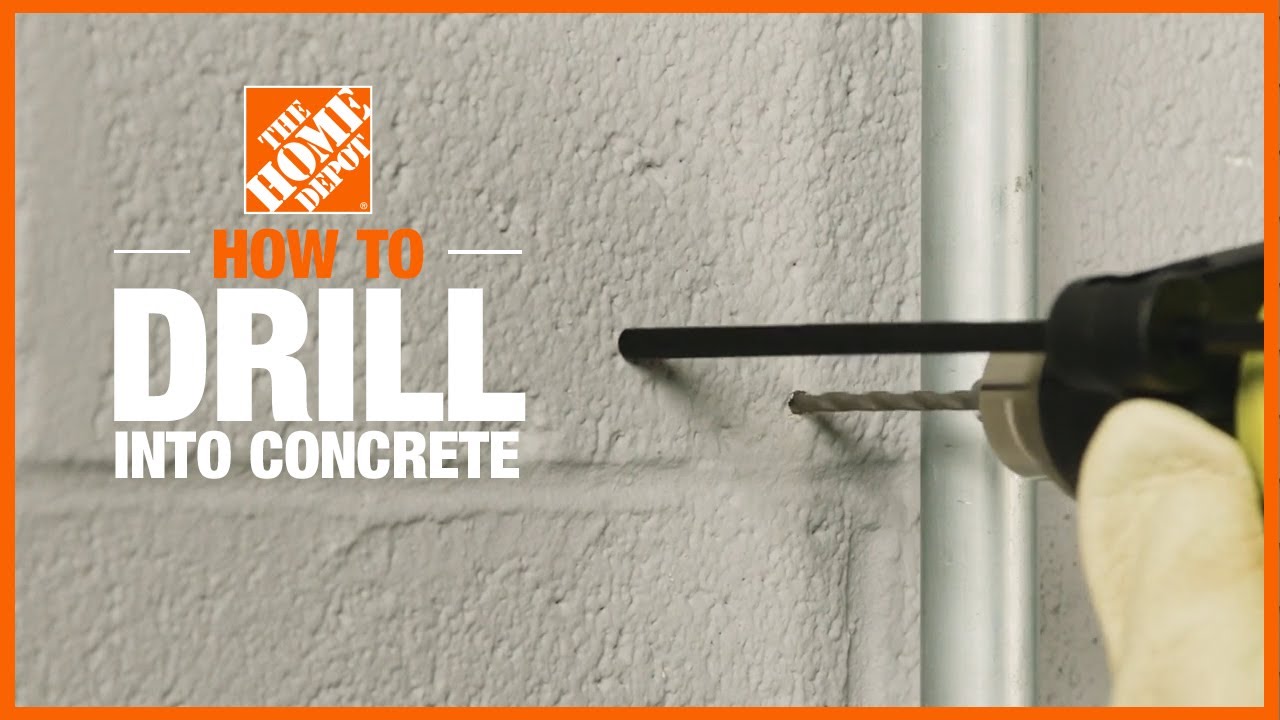
A power drill is necessary to make holes in the hard masonry. Use a hammer drill for better results. Masonry drill bits are designed to bore into brick, stone, or concrete. Choose the correct size bit to match your anchor. Sharp bits create cleaner holes and reduce effort.
Measuring And Marking Tools
Accurate measurements are crucial before drilling. Use a tape measure to find the exact spot for the anchor. A pencil or chalk helps mark the drilling points clearly. A level ensures your marks are straight and aligned. Proper marking prevents mistakes and keeps your work neat.
Safety Equipment
Safety must come first. Wear safety goggles to protect your eyes from dust and debris. Use gloves to protect your hands from rough surfaces and sharp edges. A dust mask keeps you safe from inhaling fine particles. Ear protection is helpful if using loud power tools.
Preparing The Masonry Surface
Preparing the masonry surface is a key step before anchoring into a wall. A clean and stable surface helps the anchor hold strong. Take time to prepare the area well. This ensures safety and durability of the fixings.
Cleaning The Wall
Start by removing dust, dirt, and loose debris from the wall. Use a wire brush or a stiff broom for this task. Clean surfaces allow anchors to grip better. Avoid wetting the wall too much, as excess moisture can weaken the hold.
Locating Suitable Fixing Points
Choose solid parts of the masonry for anchoring. Avoid areas with cracks or loose bricks. Use a stud finder or tap the wall gently to find strong spots. Fixing points must support the load safely.
Checking Wall Condition
Inspect the wall for cracks, crumbling mortar, or damage. Weak walls can cause anchors to fail. Repair any damaged sections before drilling. A strong, stable wall keeps the anchor secure and lasting longer.
Drilling Into Masonry
Drilling into masonry requires care and the right tools. Masonry includes materials like brick, stone, and concrete. These surfaces are hard and need special handling. Correct drilling ensures strong anchors and prevents damage. Understanding drill speed, pressure, and technique makes the job easier.
Selecting Drill Speed And Pressure
Use a slow to medium drill speed for masonry. High speed can overheat the bit and damage the wall. Apply steady, moderate pressure. Pressing too hard may crack the masonry. Too little pressure wastes time and wears the bit. Let the drill bit do the work.
Drilling Techniques
Start by marking the exact drilling spot. Use a hammer drill with a masonry bit for best results. Hold the drill straight and steady. Drill in short bursts to clear dust from the hole. Pull the drill out occasionally to remove debris. This keeps the hole clean and deep enough.
Avoiding Common Mistakes
Avoid using a regular drill without a hammer function. It makes drilling slow and difficult. Don’t rush or push too hard. Masonry can crack or chips may break off. Skip using worn or wrong bits. They reduce drilling quality and damage surfaces.
Installing The Anchor
Installing an anchor into a masonry wall requires care and the right method. Different anchors work best for different jobs. Proper installation ensures strong and lasting support. Follow these steps to install common types of anchors safely and securely.
Setting Expansion Anchors
First, drill a hole matching the anchor size. The hole must be clean and free of dust. Insert the expansion anchor carefully into the hole. Use a hammer to tap it in until flush with the wall. Tighten the bolt or screw to expand the anchor inside the masonry. This expansion holds the anchor firmly in place. Avoid overtightening to prevent damage to the wall.
Using Chemical Anchors
Start by drilling a hole that fits the rebar or threaded rod. Clean the hole thoroughly with a brush and compressed air. Inject the chemical adhesive into the hole, filling it halfway. Insert the anchor slowly to push out air pockets. Wait for the adhesive to cure as per instructions. Once cured, the anchor holds with strong chemical bonding. This method suits heavy loads and uneven surfaces.
Securing Sleeve Anchors
Drill a hole slightly larger than the sleeve diameter. Remove any dust and debris from the hole. Insert the sleeve anchor into the hole completely. Tighten the nut or bolt on the anchor head. This action pulls the sleeve outward, gripping the inside of the hole. The anchor locks firmly by friction. Ideal for medium loads and easy installation.
Ensuring Secure Fixing
Ensuring a secure fixing in a masonry wall is essential for safety and durability. Proper anchoring prevents movement and damage over time. It also supports the weight of objects attached to the wall. This section explains how to check anchor stability, handle heavy loads, and keep anchor integrity strong.
Testing Anchor Stability
Check the anchor by applying light pressure. Use a wrench or screwdriver to test tightness. If the anchor moves, remove and reinstall it. Ensure the hole is clean and dry before placing the anchor. Stable anchors do not wiggle or shift under pressure.
Handling Heavy Loads
Choose anchors rated for the weight you need to support. Spread heavy loads across multiple anchors for safety. Use anchors designed for masonry to avoid cracking or breaking. Tighten anchors slowly and evenly to prevent damage. Always follow the manufacturer’s weight limits closely.
Maintaining Anchor Integrity
Inspect anchors regularly for rust or wear. Replace any damaged or loose anchors immediately. Avoid over-tightening, which can weaken the anchor or wall. Use sealant around anchors in outdoor walls to stop water damage. Proper care extends the life of your masonry anchors.
Troubleshooting Common Issues
Troubleshooting common issues can save time and effort when anchoring into masonry walls. Problems like crumbling masonry, loose anchors, or misaligned holes often appear during installation. Knowing how to fix these issues helps ensure a strong and safe anchor. Here are simple solutions to address these common problems.
Dealing With Crumbling Masonry
Crumbling masonry weakens the anchor hold. Remove loose pieces carefully using a wire brush or vacuum. Avoid pushing broken parts deeper into the hole. Fill the hole with a strong epoxy or mortar. Let it dry fully before inserting the anchor. This rebuilds the surface and provides better grip.
Fixing Loose Anchors
Loose anchors reduce wall stability. Remove the anchor from the hole. Clean the hole to remove dust and debris. Use a larger anchor size or a chemical anchor adhesive for better hold. Insert the anchor firmly and allow it to set. Test the anchor by gently pulling to check tightness.
Addressing Misaligned Holes
Misaligned holes cause installation problems. Mark the correct spot carefully before drilling. If a hole is off, fill it with epoxy or mortar and let it dry. Drill a new hole in the right position. Use a level or guide to ensure accuracy. This prevents weak anchoring and keeps the installation neat.
Credit: www.cablebullet.com
Safety Tips For Masonry Anchoring
Safety is the top priority when anchoring into masonry walls. Proper safety measures protect you from injuries and ensure the job goes smoothly. Following clear safety tips helps avoid accidents and damage to the wall.
Personal Protective Measures
Always wear safety glasses to shield your eyes from dust and debris. Use gloves to protect your hands from sharp edges and rough surfaces. Wear a dust mask to avoid breathing in fine particles. Proper footwear with good grip prevents slipping on dusty floors.
Worksite Safety Practices
Keep your work area clean and organized to avoid trips and falls. Mark the drilling spots clearly to prevent mistakes. Use barriers or signs to keep others away from the work zone. Check for electrical wires or pipes inside the wall before drilling.
Handling Tools Safely
Hold power tools with both hands for better control. Use the right drill bit designed for masonry walls. Inspect tools before use to ensure they work correctly. Turn off and unplug tools when changing bits or making adjustments.
Credit: www.homedepot.com
Frequently Asked Questions
What Tools Are Needed To Anchor Into Masonry Walls?
You need a hammer drill, masonry drill bit, anchors, screws, a hammer, and a screwdriver. These tools ensure secure and precise anchoring in masonry walls.
How Do You Choose The Right Anchor For Masonry?
Select anchors based on wall type, weight load, and hole size. Common types include sleeve, wedge, and sleeve anchors for masonry walls.
Can I Anchor Into Brick Or Concrete Blocks?
Yes, you can anchor into both brick and concrete blocks. Use appropriate anchors and drill carefully to avoid damaging the material.
What Is The Correct Drill Bit Size For Masonry Anchors?
Use a drill bit matching the anchor diameter. This ensures a snug fit and strong hold in masonry surfaces.
Conclusion
Anchoring into a masonry wall takes care and the right tools. Start by choosing anchors that fit your wall type. Drill holes carefully and clean out dust before placing anchors. Tighten screws steadily to avoid damage. This method keeps your fixtures safe and secure.
Practice these steps to build confidence and get good results. Strong walls hold strong anchors. Simple steps. Solid hold.