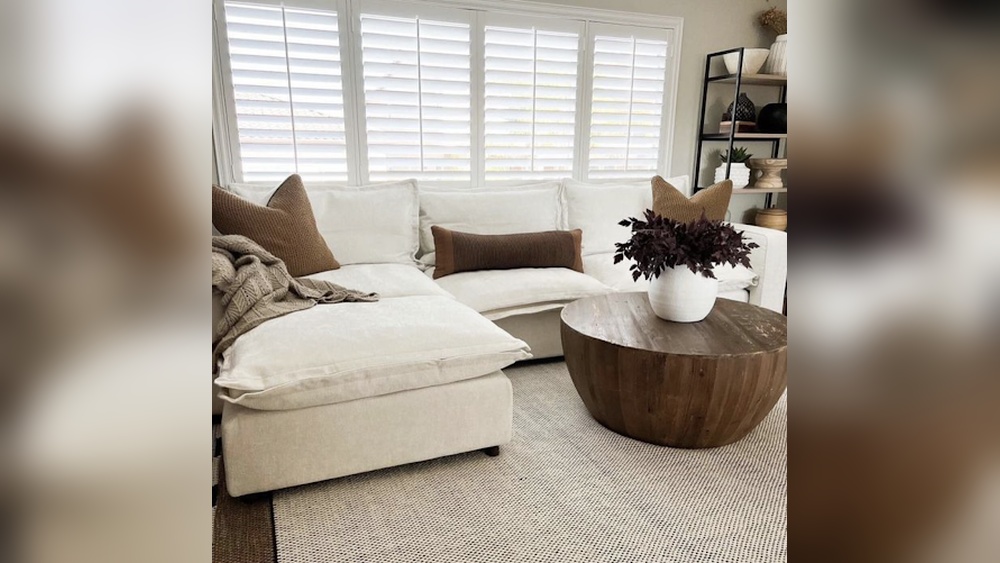
Have you ever worried about your furniture tipping over, but there’s no wall nearby to secure it? It’s a common challenge, especially in open spaces or rooms with unusual layouts.
You want your home to be safe and stylish, but without walls to anchor your furniture, how do you keep everything steady? You’ll discover simple, effective ways to anchor your furniture safely—even when there’s no wall in sight. By the end, you’ll feel confident creating a secure space that looks great and keeps your loved ones safe.
Keep reading to find out how!

Credit: www.amazon.com
Reasons To Anchor Without Walls
Anchoring furniture without walls may seem tricky, but it is often necessary. Open rooms and modern layouts often lack solid walls near furniture. This situation calls for safe and smart ways to keep furniture steady. Anchoring without walls ensures stability and prevents accidents. It also helps organize space effectively. Understanding why you need to anchor furniture without walls is key to choosing the right method.
Safety In Open Spaces
Open spaces have fewer barriers to stop furniture from moving. Children and pets run around freely. Unanchored furniture can tip over easily and cause injuries. Anchoring in these areas keeps furniture stable and safe. It reduces risks and protects everyone in the room. Safety is the main reason to anchor furniture without walls.
Preventing Furniture Tip-overs
Furniture tip-overs are a common hazard in homes and offices. Tall shelves, bookcases, and cabinets can fall without support. Anchoring stops these accidents by holding furniture firmly in place. It prevents damage to items and injury to people. Even without walls, anchoring methods provide strong support.
Ideal For Room Dividers And Islands
Room dividers and kitchen islands often stand alone. They shape the space but do not touch walls. Anchoring these pieces keeps them from wobbling or shifting. This stability improves the room’s function and appearance. Anchored furniture divides space safely and neatly.
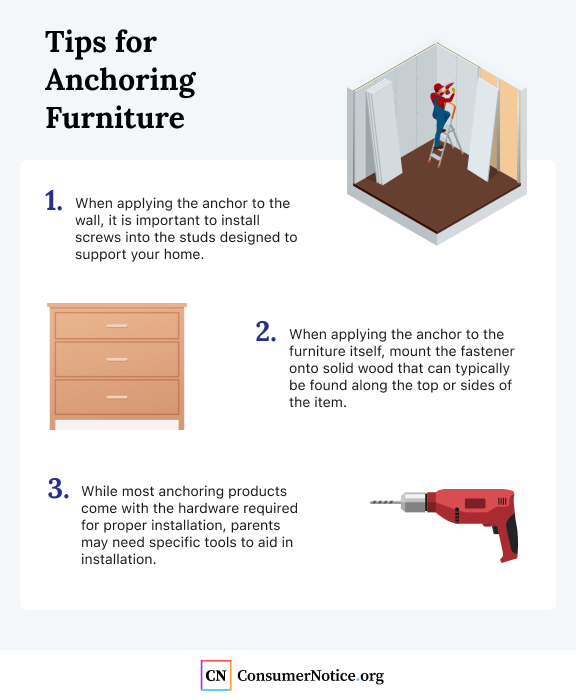
Credit: www.consumernotice.org
Choosing The Right Anchoring Method
Choosing the right anchoring method is key to securing furniture without a wall. Different methods fit different furniture types and spaces. The choice depends on the furniture weight, floor type, and room layout.
Some methods anchor furniture directly to the floor. Others use clever weight distribution or straps to keep furniture steady. Picking the right method helps prevent tipping and accidents.
Using Floor Anchors
Floor anchors attach furniture firmly to the floor surface. They work well on hardwood, concrete, or tile floors. These anchors keep heavy furniture from moving or tipping over.
Installation is simple. Drill holes and secure the anchor with screws or bolts. Floor anchors provide strong support for tall or heavy items.
Weight Distribution Techniques
Spreading weight evenly can improve furniture stability. Use wide bases, furniture pads, or rubber grips under legs. This prevents furniture from tipping on uneven floors.
Place heavier items at the bottom shelves. This lowers the center of gravity and adds balance. Weight distribution is a no-drill solution that works well for many pieces.
Furniture Straps And Brackets
Straps and brackets secure furniture to other sturdy objects, like ceiling beams or fixed poles. Heavy-duty straps hold furniture tight to prevent falls. Metal brackets add extra support at joints and corners.
These options suit spaces without walls but with strong overhead or nearby supports. They keep furniture stable without damaging floors or walls.
Anchoring To The Floor Safely
Anchoring furniture to the floor keeps it steady and safe, especially without walls nearby. It stops heavy pieces from tipping over. This method is useful in open spaces or rooms with no solid walls. Proper floor anchoring prevents accidents and protects children and pets.
Types Of Floor Anchors
There are several types of floor anchors for different floor materials. Concrete anchors work well on cement or stone floors. Screw-in anchors are good for wooden floors. Some anchors use adhesive for tile or vinyl floors. Choose anchors that match your floor type for strong support.
Installation Steps
Start by selecting the right anchor for your floor. Mark the spot under the furniture leg. Drill a hole that fits the anchor size. Insert the anchor into the hole firmly. Attach the furniture with screws or straps to the anchor. Check that everything is tight and secure. Test the stability by gently pushing the furniture.
Tools Needed
You will need a drill with the correct bit size. A screwdriver or impact driver will help secure screws. A measuring tape helps mark the right spots. A pencil or marker is useful for making marks. Use safety goggles and gloves for protection during installation.
Securing Furniture With Tension Rods
Securing furniture without a wall can be tricky. Tension rods offer a smart solution to keep furniture steady and safe. These rods use pressure to stay in place, avoiding damage to floors or ceilings. They work well in spaces where traditional anchors are not an option.
How Tension Rods Work
Tension rods fit tightly between two surfaces. They create pressure that holds the rod firmly. This pressure stops furniture from tipping over or moving. The rods adjust in length for a perfect fit. No drilling or screws needed, which protects your space.
Best Furniture Types For Tension Anchors
Use tension rods with tall, narrow furniture like bookshelves. They work well with cabinets and dressers too. Lightweight pieces benefit most from tension anchors. Avoid very heavy furniture, which may need stronger support. Ideal for rental homes or rooms without solid walls.
Installation Tips
Measure the space carefully before choosing a rod size. Place the rod between the furniture and ceiling or floor. Twist the rod to expand it until it fits tightly. Check that the furniture does not wobble after installation. Regularly inspect rods for wear and adjust as needed.
Utilizing Heavy Bases And Weight
Anchoring furniture without walls can be tricky. Using heavy bases and weight helps keep furniture steady. This method prevents tipping and shifting. It works well in open spaces or rooms without wall anchors.
Adding Weighted Materials
Adding weight to furniture bases improves stability. You can use sandbags, metal plates, or heavy wood blocks. Place these materials inside or under the furniture legs. This keeps furniture from moving or falling over easily.
Choose materials that do not damage floors. Cover sharp edges to avoid scratches. Weighted materials add firmness without altering the furniture’s look.
Choosing Heavy Furniture Pieces
Select furniture made from solid wood, metal, or stone. These pieces stay in place better than lightweight furniture. Heavy furniture reduces the risk of accidents, especially in busy areas.
Look for designs with wide bases or low centers of gravity. These features improve balance and reduce tipping. Heavy furniture works well in places with no wall support.
Balancing Stability And Mobility
Weight improves stability but can limit movement. Use furniture with removable weights for easier relocation. Add wheels with locks to combine mobility and safety.
Test furniture after adding weight. Make sure it stays stable but can still be moved if needed. Balance is key for safe and flexible spaces.
Creative Diy Anchoring Solutions
Anchoring furniture without a wall can be tricky but not impossible. Creative DIY solutions help keep furniture stable and safe. These ideas use common materials and simple steps. They work well in open spaces or rooms without solid walls.
Using Furniture Connectors
Furniture connectors link pieces together to add stability. Use metal brackets or corner braces between furniture items. This method prevents tipping by distributing weight evenly. It works great for desks, bookshelves, or dressers placed back-to-back. Secure connectors with screws to make a strong bond.
Custom-built Frames
Build a frame around your furniture for extra support. Use wood or metal to create a base or enclosure. The frame holds the furniture in place and stops movement. This option suits heavy or tall furniture pieces. Paint or cover the frame to match your room decor.
Adhesive Options
Heavy-duty adhesives offer a no-drill solution for anchoring. Use construction glue or double-sided tape designed for strong bonds. Clean surfaces well before applying adhesive. Press furniture firmly and allow time to set. Adhesives work best on smooth floors and lightweight furniture.
Safety Checks And Maintenance
Safety checks and maintenance are key to keep furniture secure without walls. Regular care helps avoid accidents and keeps your home safe. Check your anchoring system often. Fix small problems before they grow.
Regular Inspection
Look at all anchors and straps every few months. Check for cracks, rust, or loose screws. Tighten anything that feels weak. A quick look can stop big dangers later.
Replacing Worn Parts
Parts wear out with time and use. Replace any broken or frayed straps at once. Use strong, high-quality anchors to keep furniture steady. Old parts can fail and cause falls.
Ensuring Child Safety
Children need extra protection around furniture. Make sure all anchors are out of reach. Use covers on sharp edges and corners. Teach kids not to climb on heavy items. Safety is a family effort.
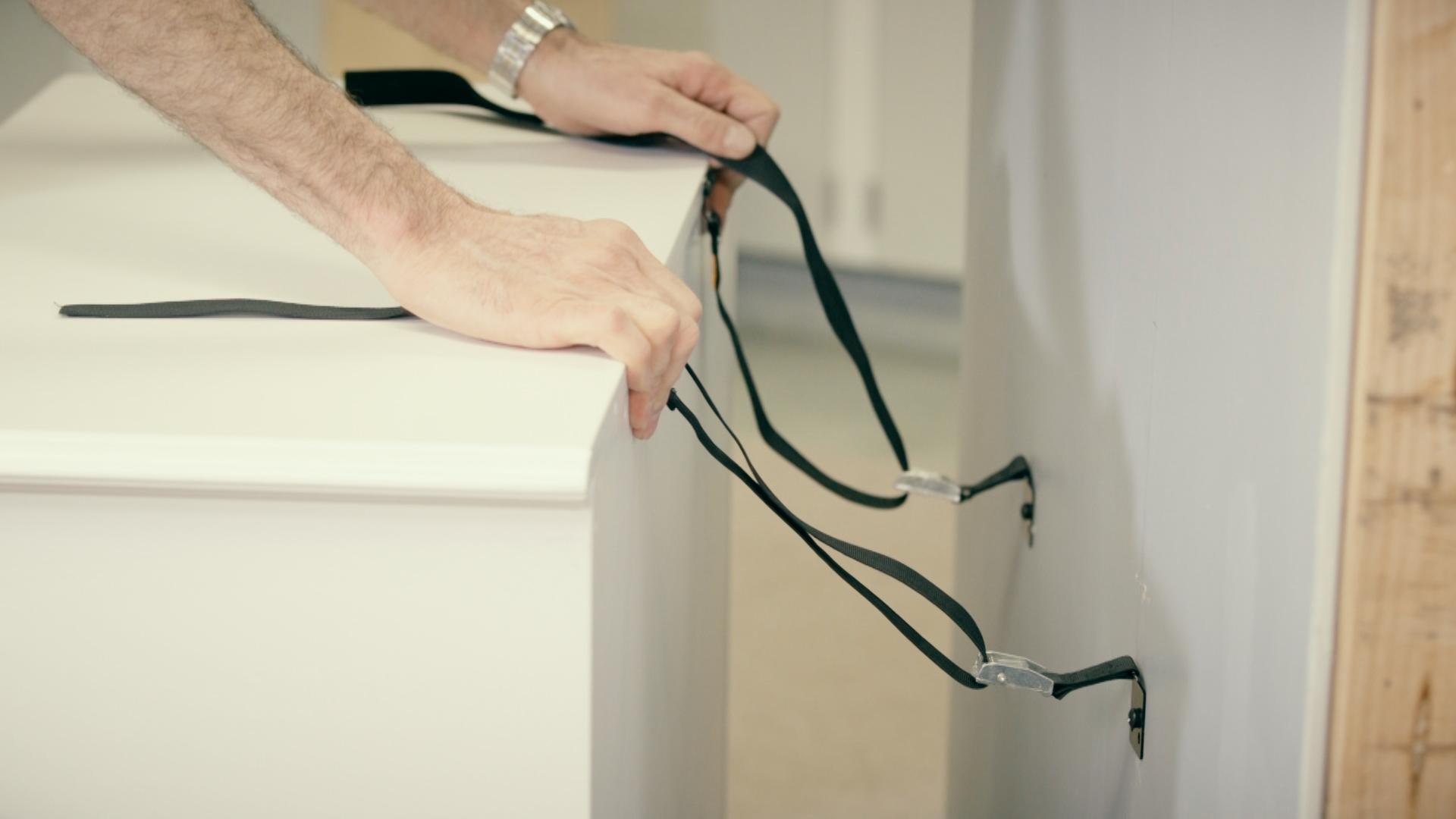
Credit: www.consumerreports.org
Frequently Asked Questions
How Can I Anchor Furniture Without A Wall?
You can anchor furniture by securing it to the floor or ceiling. Use brackets, straps, or heavy-duty adhesive pads for stability. Consider furniture positioning to avoid tipping and ensure safety in open spaces.
What Tools Do I Need To Anchor Furniture Safely?
Essential tools include a drill, screws, brackets, wall straps, and a stud finder. For floor or ceiling anchoring, use appropriate anchors and hardware. Always check the furniture’s weight and material before choosing tools.
Are Floor Anchors Effective For Securing Furniture?
Yes, floor anchors provide excellent stability for furniture without walls. They prevent tipping by firmly attaching the furniture base to the floor. Use heavy-duty anchors designed for your floor type for best results.
Can Ceiling Mounts Secure Tall Furniture Pieces?
Ceiling mounts can secure tall furniture if the ceiling supports the weight. Use strong brackets and anchors rated for heavy loads. This method is ideal when walls are unavailable for anchoring.
Conclusion
Anchoring furniture without a wall is simple with the right ideas. Use heavy bases or secure items to the floor for safety. Think about furniture placement to prevent tipping. Choose options that fit your space and style. Keep safety first, especially with kids or pets around.
Small steps create a stable and secure home. Try different methods until you find what works best. Stay safe and enjoy a tidy, organized room.